
🌿 Cascade Hops
What it looks like
Why this variety
Cascade is the hop that changed American beer: released by the USDA in 1972 from an English Fuggle cross, it brought citrus and grapefruit aroma to a brewing world that had never tasted anything like it, and it became the signature hop of the craft beer movement. For the home grower, it is also one of the most vigorous and reliable hops — a plant that, once established, will cover a trellis with astonishing speed.
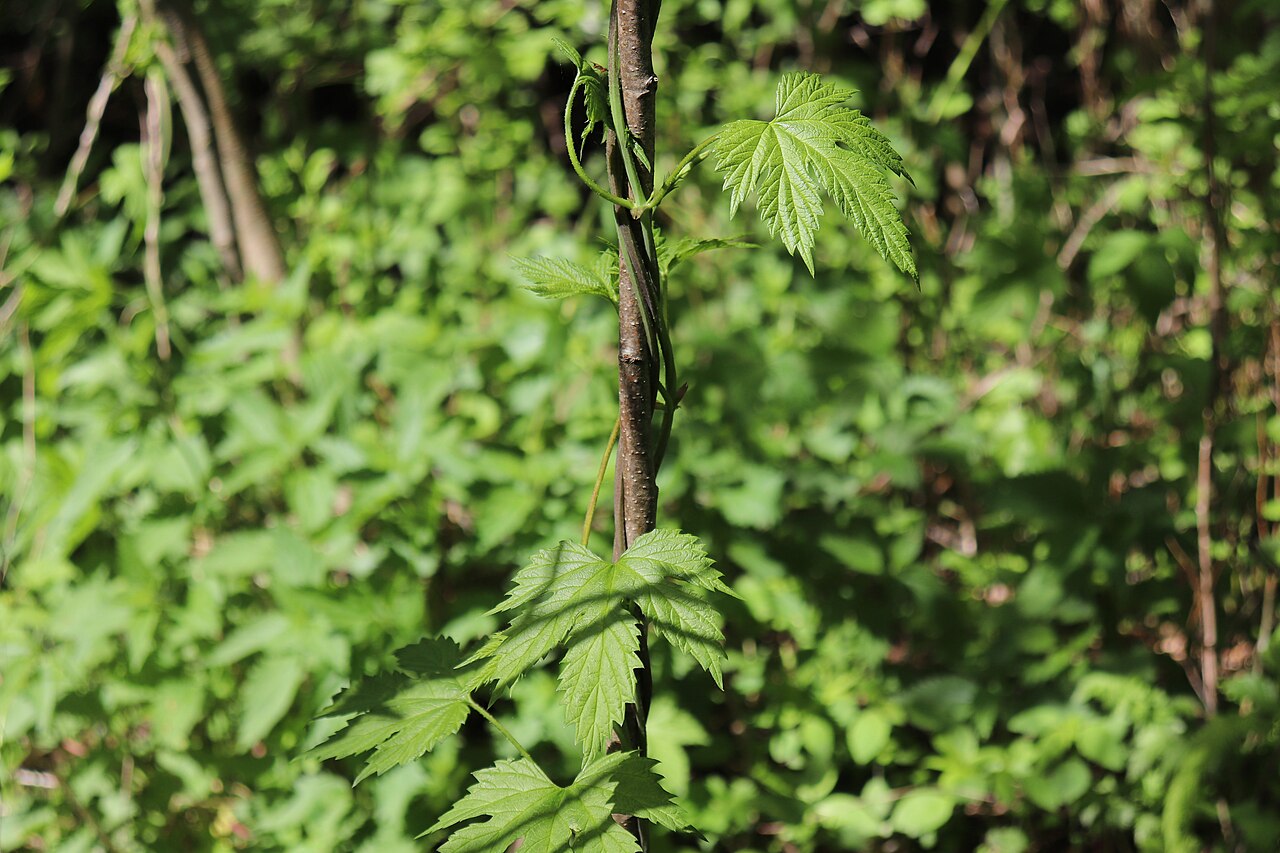
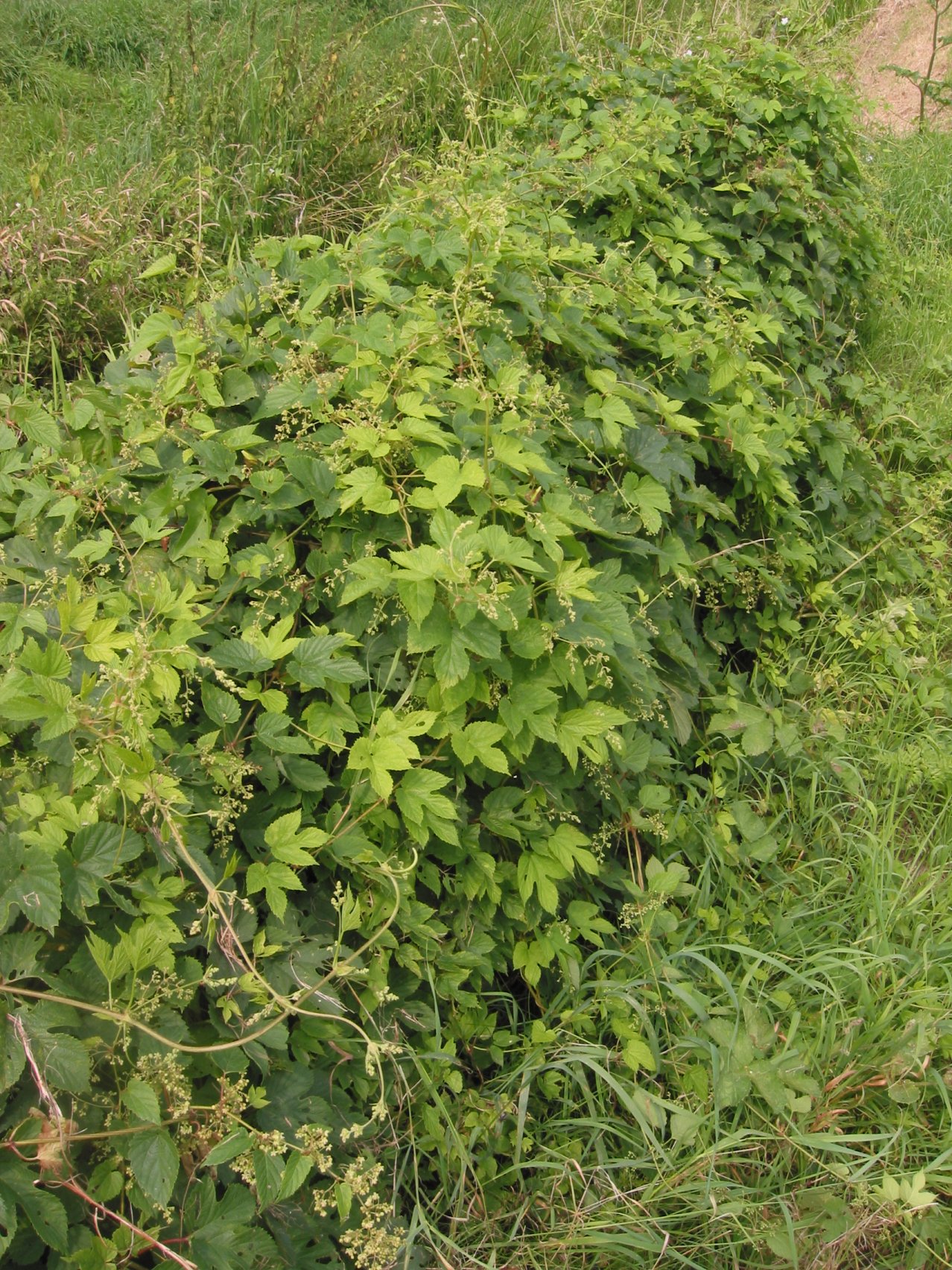
Cascade’s vigor is the point and the warning: a healthy bine grows inches a day in spring and can reach 15–20 feet in a season. Give it the tallest, strongest trellis you can build — a hop on a flimsy support is a hop on the ground — and a spot where its appetite for sun and water is an asset, not a problem.
If you are new to choosing between cultivars, the Varieties Matter guide explains why the name after the plant matters as much as the plant itself. And if you want the whole clan at a glance, the broader Hops guide covers hops generally.
How to grow
In Florida, hops are an honest experiment, not a sure thing: the plant wants long summer days and a cold winter rest, and the state offers neither in abundance. Northern gardeners with a tall trellis and afternoon shade have the best shot, and even then, treat the first seasons as a trial. The vine itself is vigorous and handsome, so a failed cone harvest still leaves you with a spectacular green screen.
Plant rhizome cuttings in spring in rich, well-drained soil, and train the strongest 2–3 bines up each string, cutting the rest. Hops are dioecious — only female plants produce cones — so buy named female rhizomes, not seed. Water deeply through the growing season and feed with compost; a hop bine is a heavy feeder.
Water & feeding
Hops are thirsty once they are running — a vine growing inches a day is moving a lot of water. Water deeply, mulch the root zone, and feed with compost through the season. Good airflow on the trellis matters more than any spray for keeping mildew at bay in humid air.
Common problems
Downy mildew and powdery mildew are the main diseases, especially in humid air — good airflow, morning sun, and spacing help more than any spray. Spider mites can trouble stressed plants in hot, dry weather. Harvest promptly when cones are ripe; cones left too long lose aroma and turn brown.
Harvest
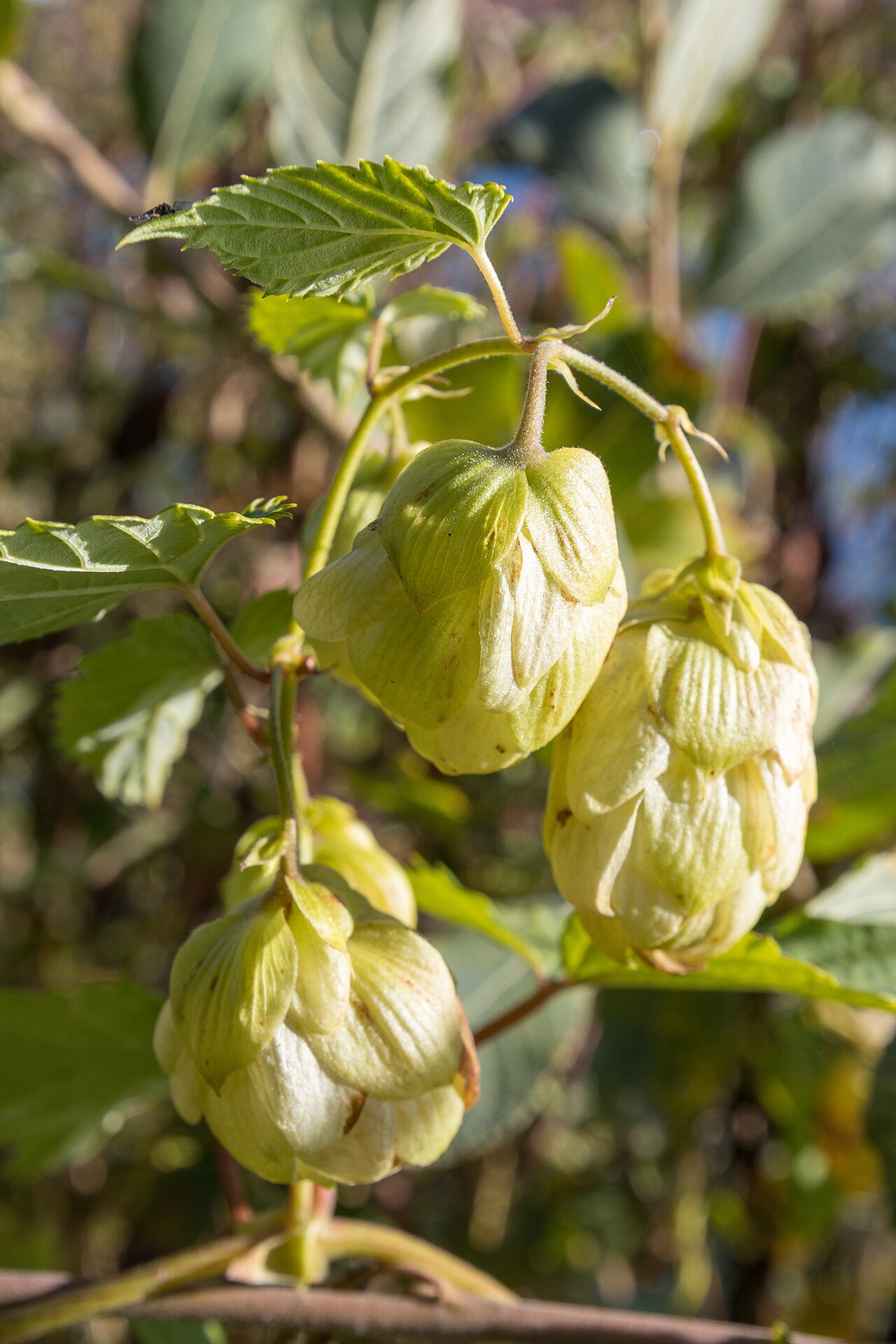
Harvest when the cones feel papery and springy, with visible yellow lupulin glands inside and a strong aroma when rubbed. Pick on a dry day, dry the cones promptly in a warm, airy place out of direct sun, and store them cool and airtight — fresh hops lose aroma fast if left damp or warm.
Nerdy fact: Hop cones’ bitterness and aroma come from lupulin, the yellow resin inside the cone — the same resin that preserves beer, which is why heavily hopped India Pale Ales survived the sea voyage to India while lesser beers did not.
Saving seeds
Cascade is a named hop variety, so seed isn’t the way to keep it — buy named female rhizomes instead. The Propagation section of the Hops guide covers how the species is propagated.