
🫐 Cascade Jewel Evergreen Huckleberry
What it looks like
Why this variety
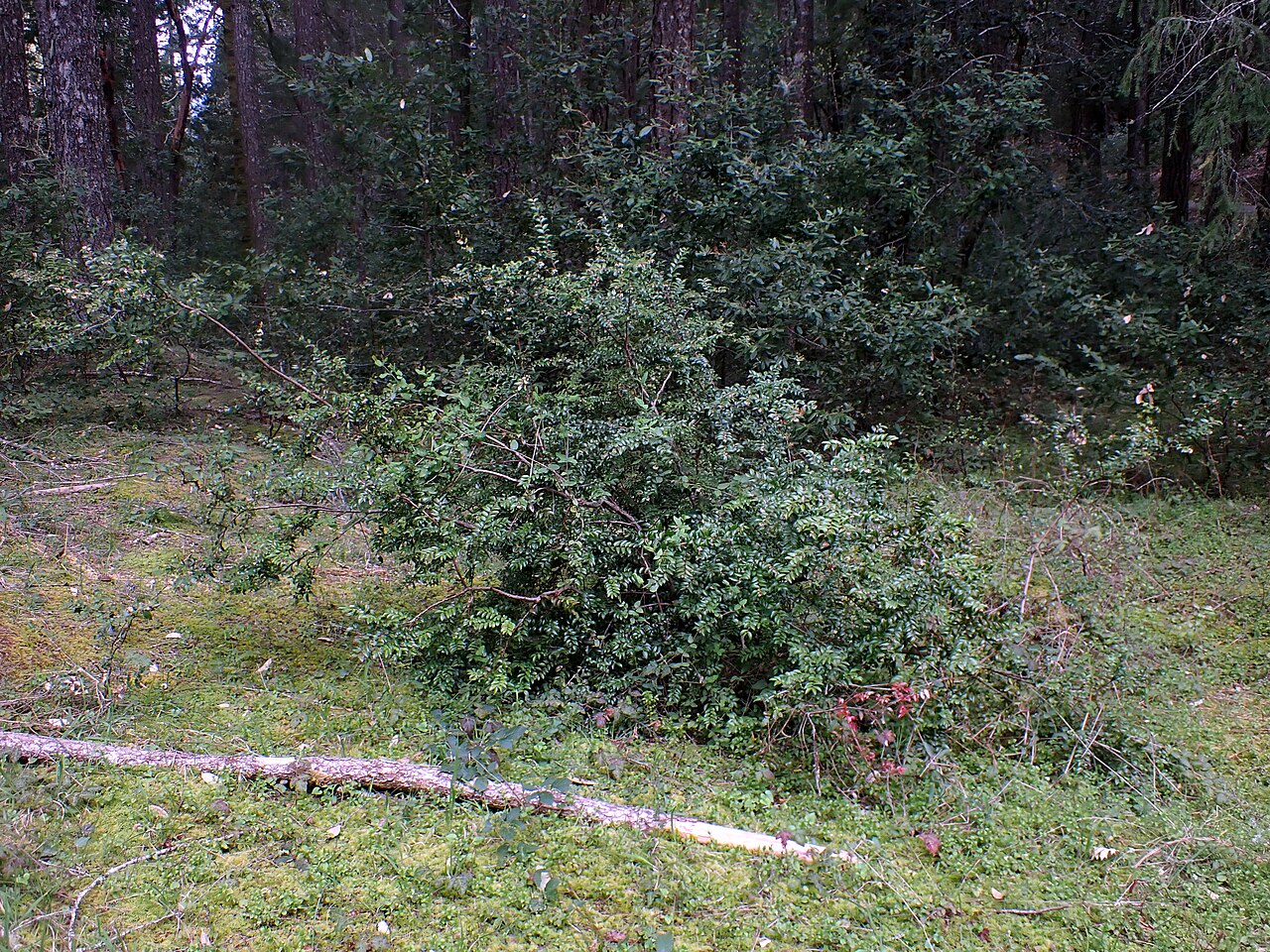
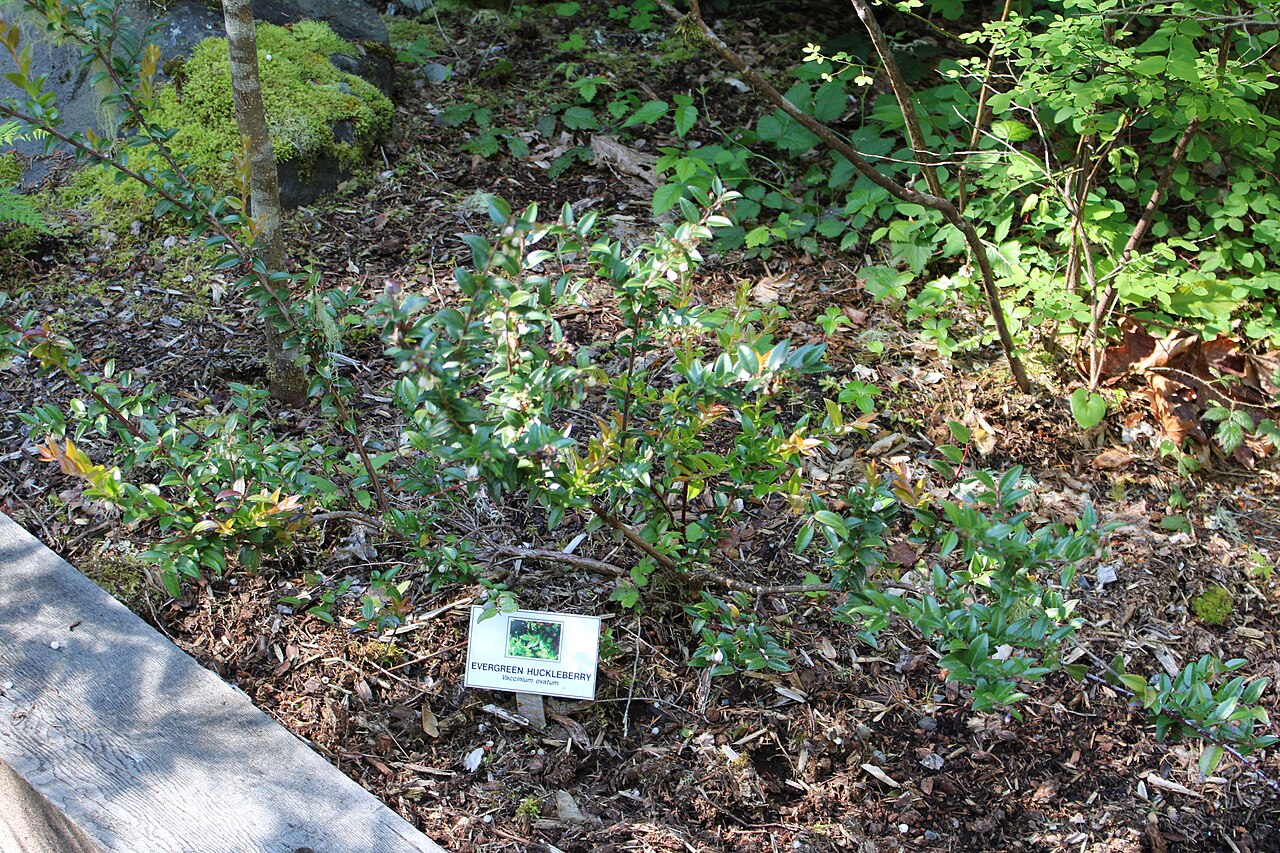
Cascade Jewel is the evergreen huckleberry that went to university and came back better. Developed by Oregon State University, it is a tetraploid cultivar — a plant with a doubled set of chromosomes, which in this case translates into improved growth and nursery qualities over wild evergreen huckleberry — and it carries U.S. plant patent PP35,894, which is the paperwork way of saying somebody bred something genuinely new. It produces medium-to-large, shiny purple-black berries in summer that are both ornamental and edible, on a compact shrub about 3.5 feet tall and 3 feet wide.
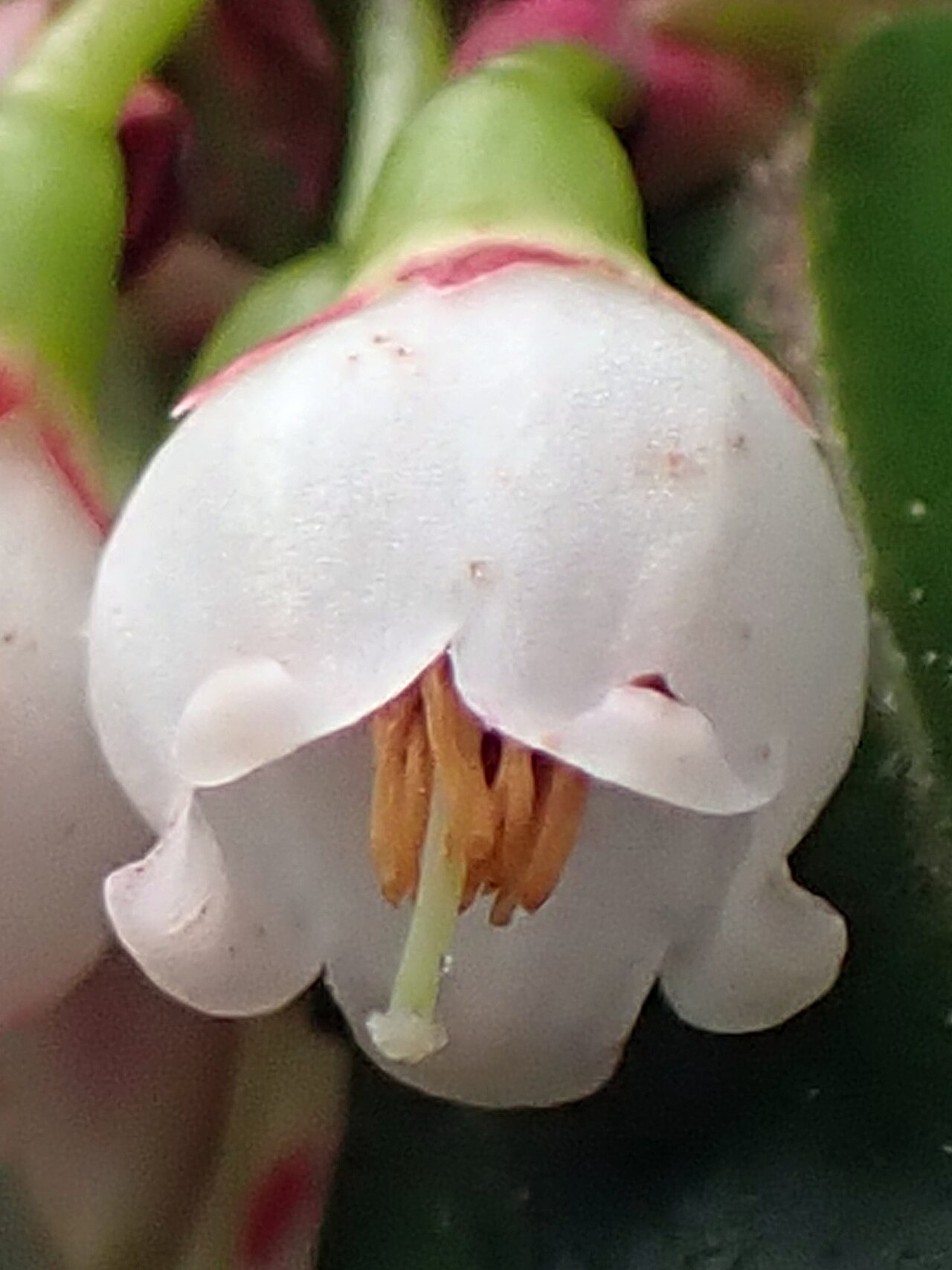
That combination — evergreen good looks plus a real berry crop — is what wild evergreen huckleberry promises and only partly delivers, since wild plants vary wildly in fruit size and yield. Cascade Jewel narrows that gamble: the berries are larger and more consistent, the growth is tidier, and the plant is sold as a named, propagated cultivar rather than a seedling lottery ticket. It keeps the species’ virtues too: glossy evergreen leaves, bronze-red new growth in spring, pink-white urn-shaped flowers that feed pollinators, and berries that birds and people both want.
It still needs what every Vaccinium needs: acidic soil, good drainage, and steady moisture. Huckleberries depend on ericoid mycorrhizal fungi in their roots to feed properly, which is one reason they resist ordinary garden care — lime, alkaline soil, and heavy fertilizer all work against them. Treat Cascade Jewel like a blueberry with evergreen manners, and it will fruit; treat it like an ordinary shrub and it will sulk. If you are new to choosing between cultivars, the Varieties Matter guide explains why the name after the plant matters as much as the plant itself.
Florida honesty: evergreen huckleberry is the most Florida-plausible huckleberry of the bunch, and that still only makes it a North Florida trial, not a statewide promise. It needs acidic soil, afternoon shade, and steady moisture through summer — give it a blueberry-style bed and it has a fighting chance in the Panhandle; further south, the heat wins.
How to grow
Plant Cascade Jewel in full sun to part shade — more sun means more berries, more shade means a taller, more open plant — in well-drained, humus-rich, acidic soil with a pH of 4.5–6.5. Space plants 3–4 feet apart, work worm castings and plenty of organic matter into the planting hole (castings feed soil life without pushing pH up the way lime would), and mulch with pine bark or pine needles, which help hold acidity as they break down. Water well through the first year; huckleberries are slow to establish, and a dry first summer can set a plant back a full season.
Prune lightly after fruiting: remove dead, crossing, and oldest wood to keep the center open, and shape only as needed — Cascade Jewel’s compact habit does most of the work itself. Do not lime, do not use alkaline fertilizers, and do not plant it in soil recently amended with concrete rubble or ash, which push pH up and lock out the iron and nutrients Vaccinium roots need.
Water & feeding
Water steadily, especially through summer fruiting — evergreen huckleberry is drought tolerant once established but fruits far better with summer water during dry spells. Water at the soil line with rainwater if your tap water is hard and alkaline, mulch deeply with acidic organic matter, and feed lightly with castings or an acid-loving-plant feed; heavy nitrogen pushes soft growth and fewer berries, and any fertilizer containing calcium carbonate is the enemy.
Common problems
- Chlorosis from alkaline soil — yellow leaves with green veins mean pH too high; acidify with sulfur and organic matter, and stop liming nearby.
- Poor fruit set in deep shade — berries need sun; plant in sun to light shade for a crop, not full shade.
- Mycorrhizal dependence — huckleberries feed through root fungi; avoid fungicide drenches and sterile potting mixes that break the partnership.
- Bird competition — birds love the berries; net if you want a human-sized share, or plant extra and share.
- Drought during fruiting — small, dry berries follow a dry summer; water through fruit set and ripening.
Harvest
Harvest in summer, when the berries turn fully shiny purple-black and come away easily — taste is the test, since color alone can fool you a few days early. Cascade Jewel’s berries are medium-to-large for a huckleberry, sweet and aromatic, and they are good fresh off the bush, in pies, jams, and syrups, or dried like the coastal peoples who prized evergreen huckleberry fruit fresh and dried into cakes. Pick over several days as berries ripen unevenly, and handle gently: ripe huckleberries crush easily, which is charming in a pie and tragic in a punnet.
Leave some berries for the birds — they are the plant’s seed distributors and its oldest customers — and prune out the oldest wood after harvest to keep next year’s crop coming on young, vigorous stems.
Back to the Evergreen Huckleberry growing guide
Browse all plant & pest guides
Saving seeds
Cascade Jewel is a patented cultivar, so seed saved from it won’t come true — buy nursery plants instead. The Saving seeds section of the Evergreen Huckleberry guide covers seed for the straight species.