
🟣 Cashmirianus Saffron
What it looks like
Why this variety
Cashmirianus is the saffron for gardeners who want a name, not just a species: the Kashmir form of Crocus sativus, recorded in the old plant books as having large, high-quality corms and yielding rich orange stigmas, from the valley where saffron has been grown for centuries. Saffron itself is a sterile triploid clone — it sets no seed and exists only as a cultivated plant, propagated by dividing corms — so every saffron plant in the world is, in a sense, the same ancient clone. Cashmirianus is the named form of that clone with the Kashmir pedigree, and if you are going to grow the world’s most expensive spice at home, growing the form with a provenance is the point.
The trade-off is scale and climate, stated plainly: a home saffron patch yields pinches, not pounds — thousands of flowers make an ounce — and saffron wants a dry summer dormancy that humid climates do not naturally provide. Plant large, firm corms in fall in gritty, raised soil, pick flowers by hand each morning, and lift corms after foliage dies if your summers are wet, storing them dry until fall. Do not confuse it with autumn crocus, Colchicum, which is poisonous and is not saffron; buy only labeled Crocus sativus. Grown honestly, Cashmirianus is a small, fragrant, autumn miracle — and a reminder of why saffron costs what it does.
If you are new to choosing between cultivars, the Varieties Matter guide explains why the name after the plant matters as much as the plant itself. Cashmirianus is a perfect example: it is not just a saffron in the abstract, it is a saffron with a specific job, a specific history, and specific strengths.
Florida honesty: saffron is a North and Central Florida trial, not a statewide crop — it needs cool fall weather to flower and a dry summer rest, and Florida offers neither reliably. In North Florida, try Cashmirianus in a raised bed or container of gritty mix, in full sun, lifting corms for a dry summer rest and replanting in fall. In Central Florida, container culture with a dry rest is the only honest attempt. In South Florida, admire saffron in the spice jar and plant something tropical instead. This guide is honest about that, because a saffron sold as a statewide promise would be a lie.
How to grow
Plant corms in late summer or early fall, 4 inches deep and 4 to 6 inches apart, in full sun and sharply drained, lean to moderately rich soil — saffron crocus wants sun, drainage, and a dry summer rest, and it rots in wet, heavy soil faster than any other mistake. Work a little worm castings and grit into the planting hole, do not overfeed, and plant in a raised bed or container in heavy soil. Flowers appear in fall, often before the leaves, and each flower must be picked by hand, which is the whole economics of saffron in one sentence.
Set plants 4-6 inches apart, 4 inches deep in soil with a pH around 6.0-7.0. Work worm castings into the bed at planting and mulch to hold moisture. A well-fed saffron plant rewards that care directly: steadier growth, better bloom, and a show that actually shows up.
Water & feeding
Water sparingly — saffron crocus wants moisture while growing in fall and winter, then a dry rest in summer, and it hates wet feet at every stage. Water at planting, water through a dry fall, then back off once foliage yellows in spring and let the bed dry out for summer. In a container, use a gritty mix and a pot with drainage, and never let corms stand in water. Feed lightly: castings at planting is usually enough, because rich, wet soil makes leaves, not flowers.
Common problems
- Corm rot in waterlogged soil — saffron’s signature failure; plant in raised beds or gritty containers, and never in a low spot that ponds.
- Rodents digging corms — mice and squirrels love corms; plant under wire mesh or in protected containers where rodents are a problem.
- No flowers from small or shallow corms — buy large, firm corms, plant 4 inches deep, and give them a season to settle; first-year bloom can be light.
- Confusion with autumn crocus — Colchicum, sold as meadow saffron, is highly poisonous and is NOT saffron; buy only labeled Crocus sativus corms.
- Failure in hot, wet summers — saffron wants a dry summer dormancy; in humid climates, lift corms after foliage dies and store dry until fall replanting.
Harvest
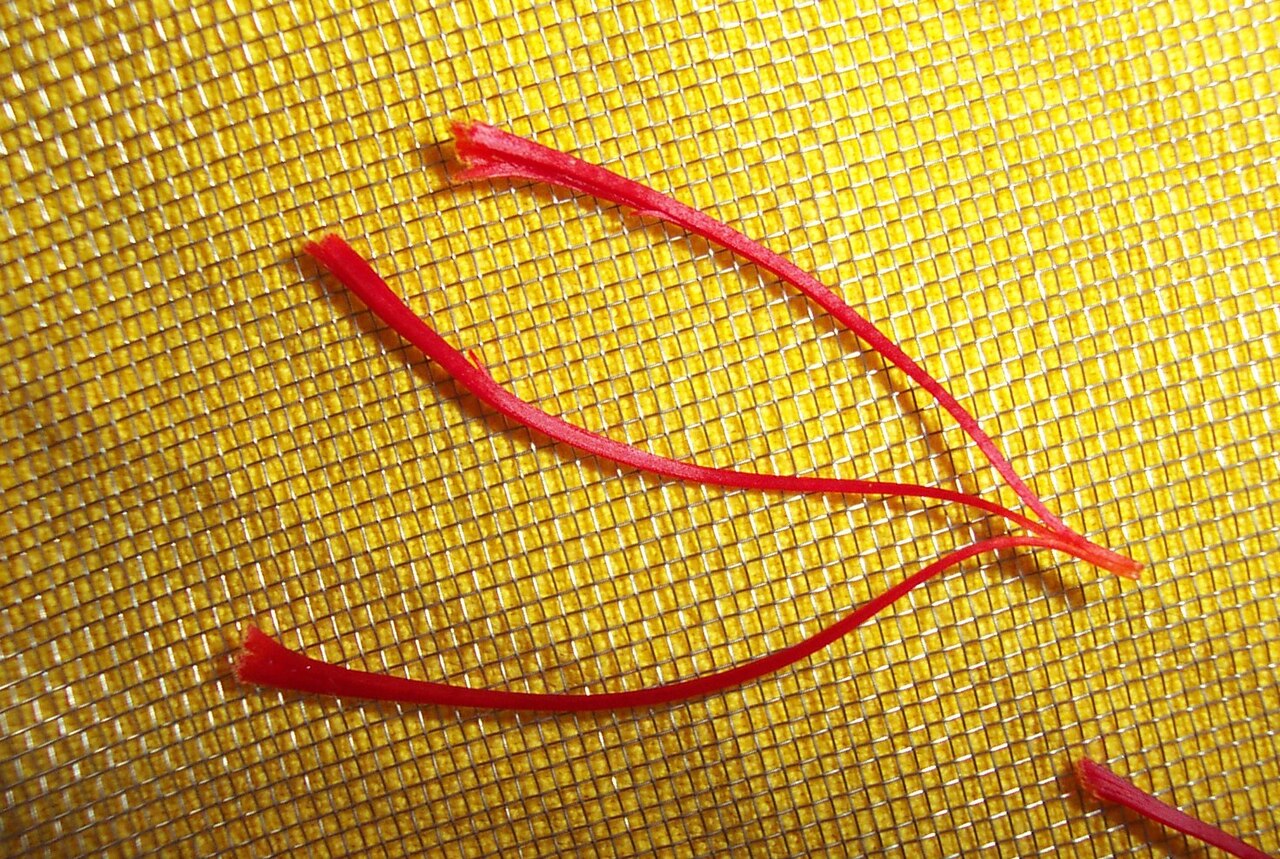
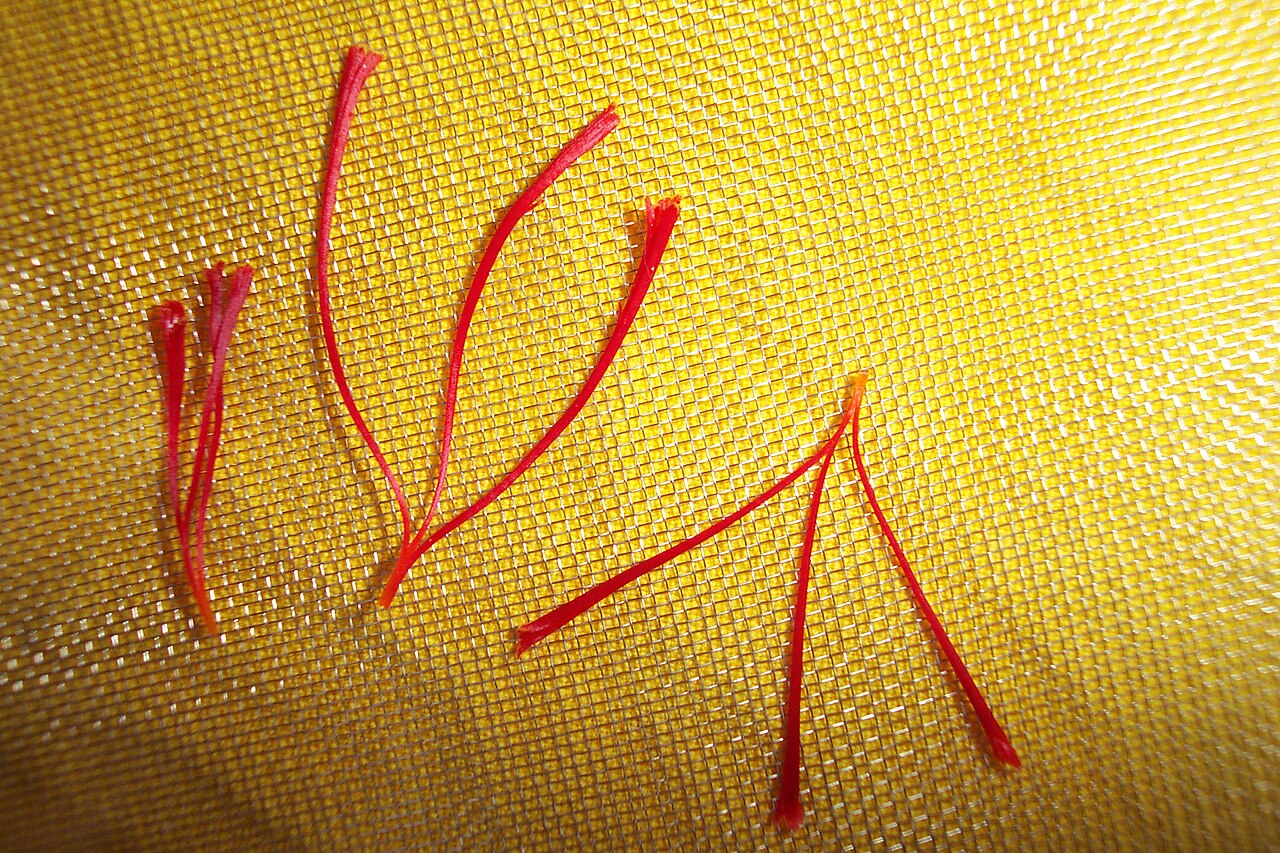
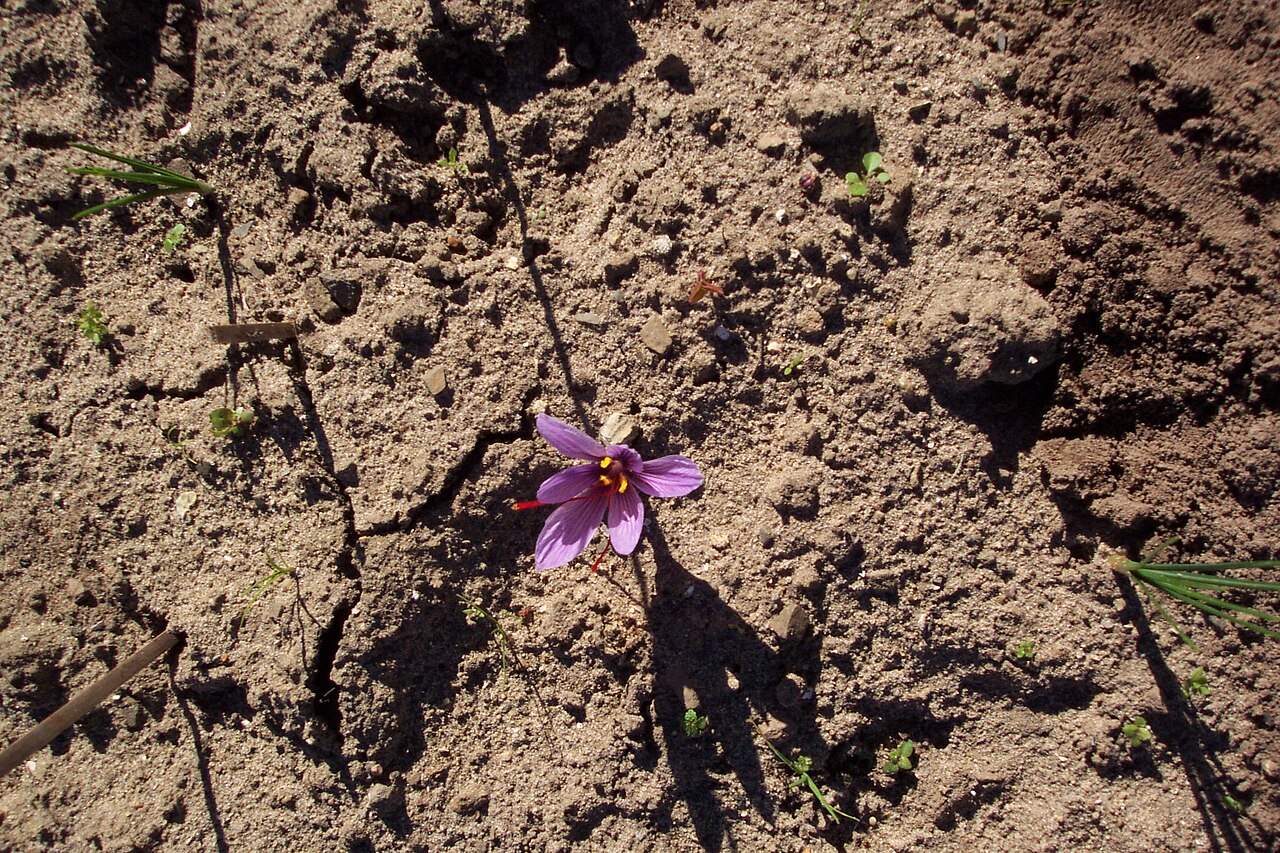
Pick flowers in the morning, on the day they open, in fall — each purple flower holds three long, deep red stigmas, and those stigmas ARE the saffron. Pluck the three red threads from each flower, dry them gently in a warm, dark place, and store in a sealed jar away from light; a pinch colors and flavors a whole pot of rice. It takes thousands of flowers for an ounce, so a home patch yields pinches, not pounds — and that is the honest scale of homegrown saffron. After harvest, leave foliage to feed the corms until it yellows, then let the bed rest dry for summer.
Browse all plant & pest guides
Saving seeds
Cashmirianus is a named form of a sterile clone, so it sets no seed — divide your corms instead. The Propagation section of the Saffron guide covers how the species is propagated.