
🌿 Saffron
What it looks like
How to grow
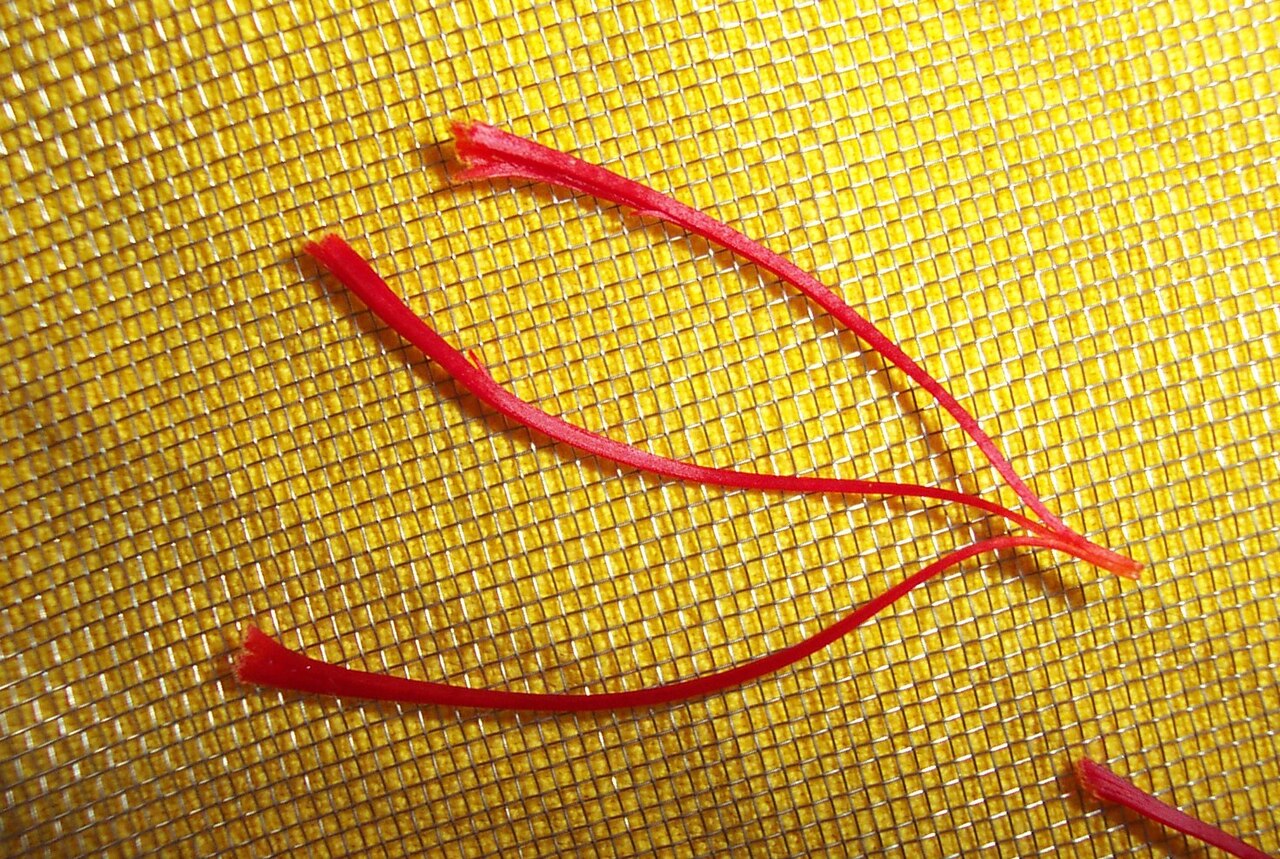
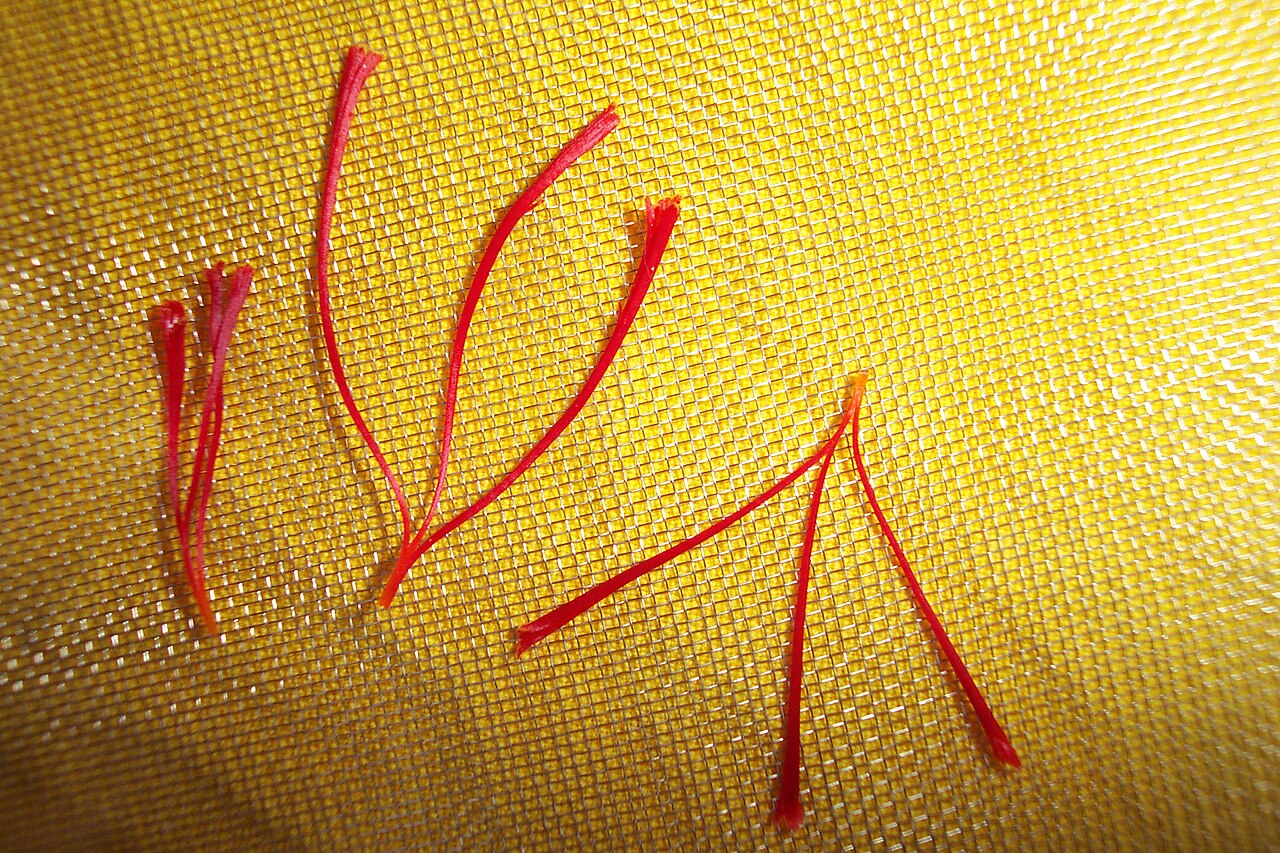
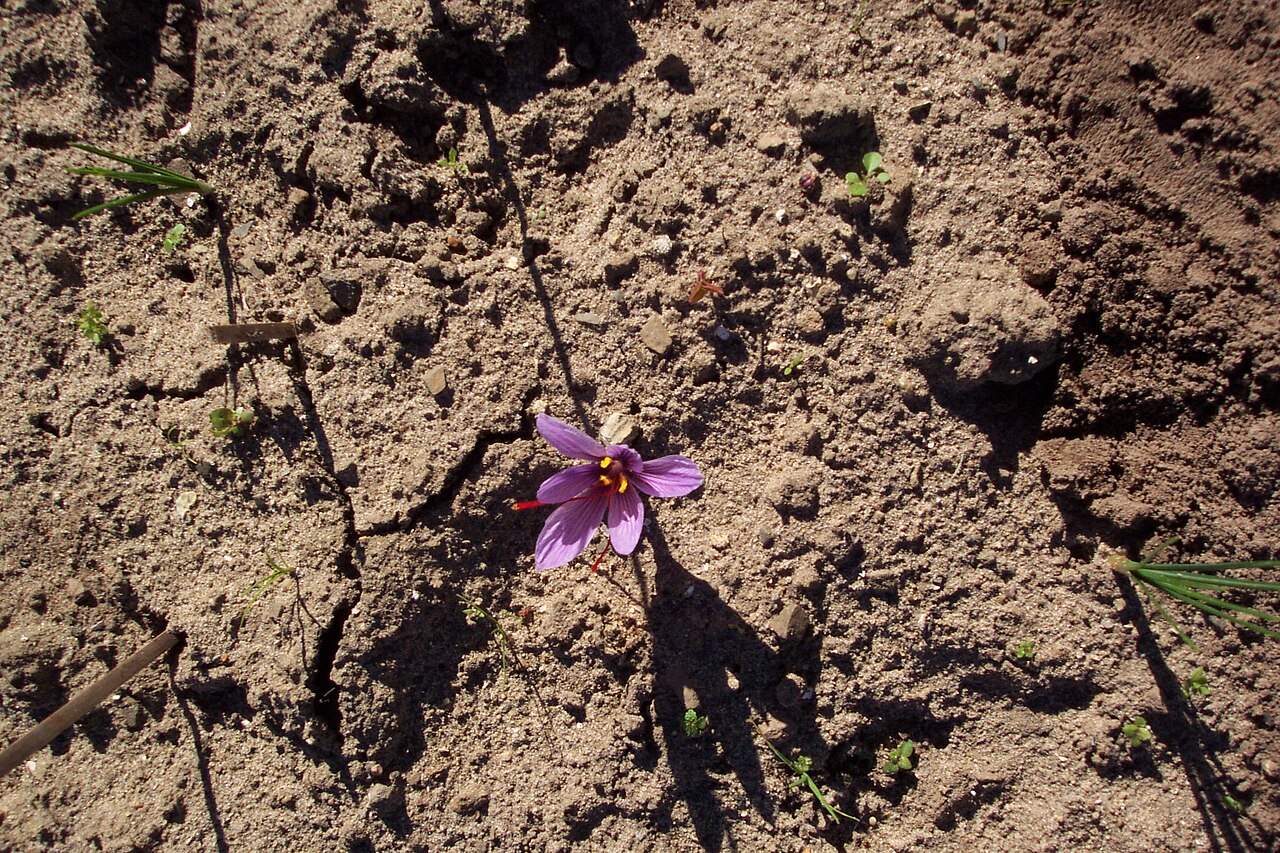
Saffron comes from the fall-flowering crocus Crocus sativus — a different species from the spring crocuses in flower beds, which are ornamental and do not produce saffron. Each purple flower contains three red stigmas, and those stigmas, dried, are saffron: it takes roughly 150 flowers to make a single gram, which is why saffron is the world's most expensive spice and why growing your own is so satisfying. Plant corms in late summer to early fall, 3-4 inches deep in full sun and very well-drained soil — saffron rots in wet soil, so raised beds or gritty soil are essential in heavy clay or rainy climates. Flowers appear in fall, often within weeks of planting, and the grass-like leaves follow and persist through winter, feeding the corm for next year. Do not cut the leaves until they yellow in late spring. Saffron corms multiply underground, so a small planting expands over a few years; divide clumps every 3-4 years in summer dormancy. In Florida and warm zones 10-11, saffron struggles without winter chill and is not a reliable crop; in zones 6-9 it is a genuine, if small-scale, spice garden.
Water & feeding
Water lightly after planting to settle corms, then water sparingly — saffron needs moisture during fall growth and spring leaf growth, but dry conditions during summer dormancy. It is a light feeder: worm castings mixed into the planting bed at planting time is plenty. Avoid soggy soil at all costs.
Common problems
- Corm rot in wet soil — the main killer; use raised beds and gritty, fast-draining soil.
- Rodents eating corms — plant in wire baskets or hardware-cloth-lined beds where voles and squirrels are a problem.
- No flowers in warm zones — saffron needs a cool period; zones 10-11 are generally too warm for reliable bloom.
- Leaves cut too early — let foliage yellow naturally in late spring so corms recharge for next fall.
Harvest
Harvest flowers in the morning on the day they open, plucking the three red stigmas from each flower by hand — this is fiddly, meditative work, and it is the entire reason saffron costs what it does. Dry stigmas on paper in a dark, airy spot for a few days until brittle, then store airtight away from light. Use saffron by steeping threads in warm water or broth for 20-30 minutes before adding to rice, soups, and breads — a pinch colors and flavors a whole pot. Fresh saffron is usable immediately but improves with a few weeks of aging.
Browse all plant & pest guides
Propagation
There is no seed section here, and that is not an oversight: saffron makes no seed at all. Crocus sativus is a sterile triploid — three sets of chromosomes that cannot pair up properly — so it never sets viable seed, and every saffron crocus in the world is a clone, grown from a corm of another saffron crocus. The practical method is corms, and it is easy, which is why saffron has spread across the world without ever making a seed.
The method is division. A saffron corm multiplies underground, throwing up small daughter corms clustered around the mother corm, and every few years the clump gets crowded and needs lifting. In late summer, when the corms are dormant, lift a clump, gently pull or cut the daughter corms apart, and replant them immediately, about three to four inches deep and a few inches apart, in a sunny, well-draining spot. Keep them dry until growth resumes in fall. Each daughter corm is a clone of the parent, so the flower and the spice come true, and a good-sized corm can bloom in its first season.
Buy corms from a reputable source, and plant them in fall for flowers that same autumn — saffron blooms in fall, not spring, and each flower gives just three red stigmas, which is why the spice is the most expensive in the world. Harvest the stigmas by hand in the morning, dry them gently, and store them in a small airtight jar away from light.
Save your divisions from clumps that flowered heavily and on time — the ones that burst into bloom in fall, right on cue. A clump that has gone years without dividing gets crowded and flowers less, so dividing every three or four years is both propagation and maintenance. In Florida, saffron is a curiosity rather than a crop: it needs a cool, dry summer dormancy and a cold snap to bloom well, and our warm, wet summers will test it. If you try it, do it in a pot with a gritty mix, keep it dry through summer, and treat it as an experiment, not a plan for a spice harvest.
Varieties
Every named variety of Saffron with its own growing guide:
- Cashmirianus Saffron — The Kashmir saffron: large, high-quality corms from the Kashmir valley, the one named saffron form the old books keep citing.