
🌿 Cast Iron Plant
What it looks like
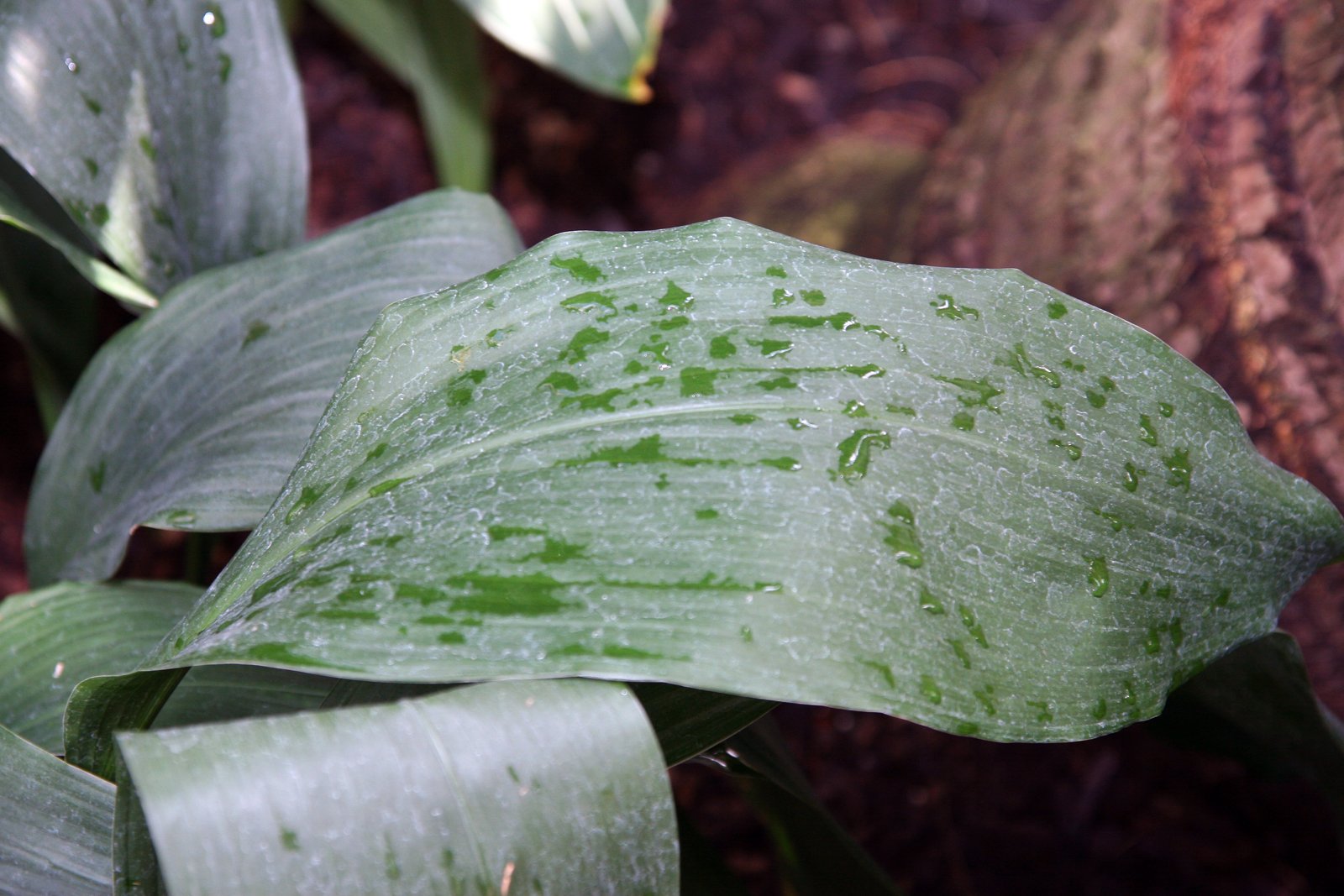
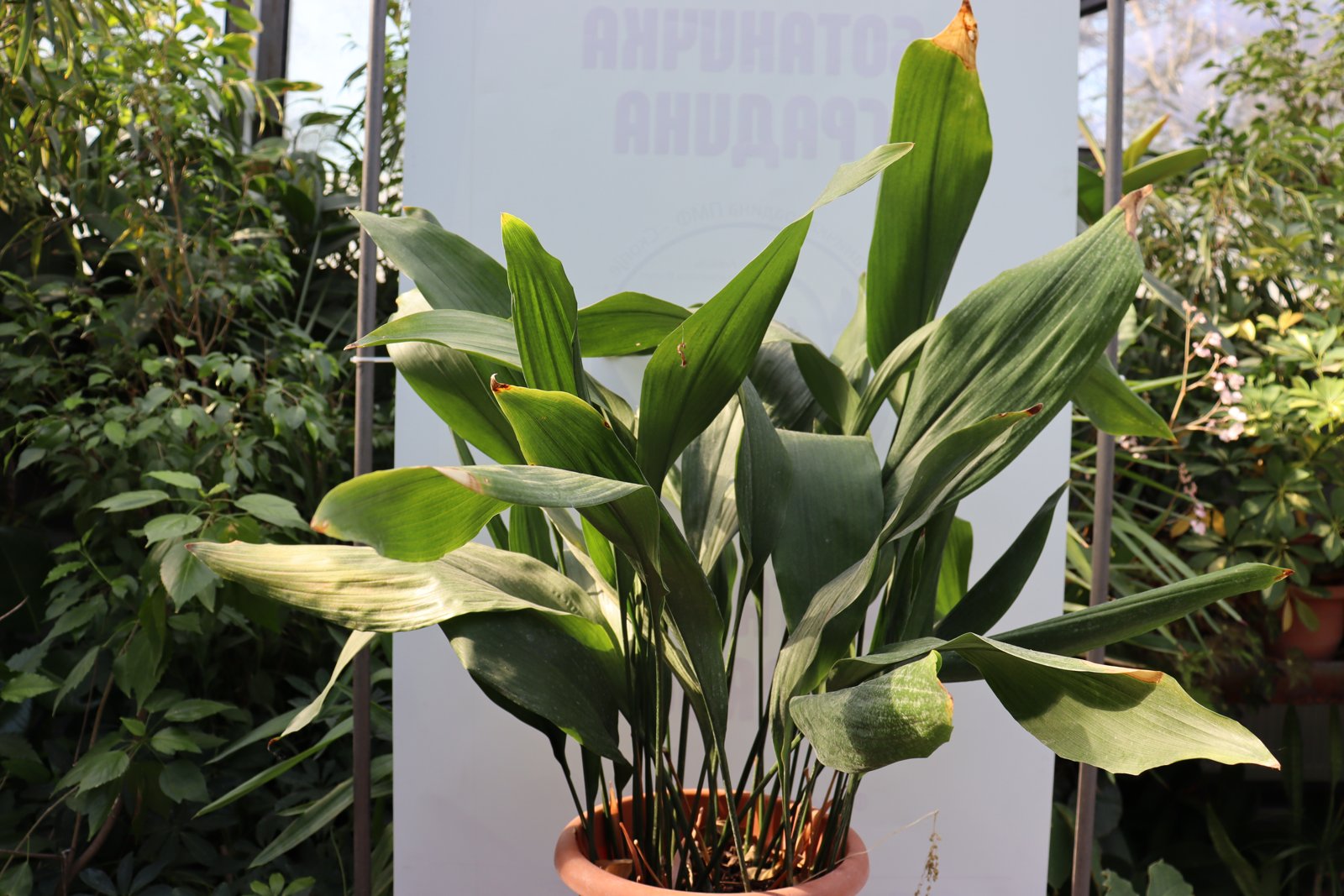
The cast iron plant is a clump of broad, dark green, lance-shaped leaves rising straight from the soil on short stalks, like a fountain frozen mid-splash. Each leaf is 30–60 cm (1–2 ft) long, leathery, glossy, and faintly ribbed, and a mature plant forms a dense, arching mound about 60 cm tall and wide. There is no visible stem to speak of — the leaves come up from a creeping underground rhizome, which is the plant’s secret bunker and the reason it is so hard to kill.
It comes from the forest floors of Japan, Taiwan, and southern China, where it grows in deep shade under trees — a life of dim light, leaf litter, and benign neglect, which it has turned into a superpower. It belongs to the Asparagaceae family, making it a distant cousin of asparagus, which is a fun fact to drop at dinner parties and then immediately regret. The common name is not marketing: Victorian households, lit by gas and heated by coal, killed nearly every houseplant they owned, and the cast iron plant survived them all — dark hallways, cold draughts, smoke, dust, and watering whenever someone remembered. It earned the name the honest way.
Flowers exist, and they are gloriously weird. In late winter or spring, small purple-brown bell-shaped flowers appear right at soil level, half-buried in leaf litter, where you will only find them if you go looking. Down there they are pollinated by slugs, snails, and tiny soil creatures that crawl in for a visit — a pollination strategy that sounds like a joke and is entirely real. Do not expect a flower show; the leaves are the plant, and the flowers are a hidden bonus for the curious.
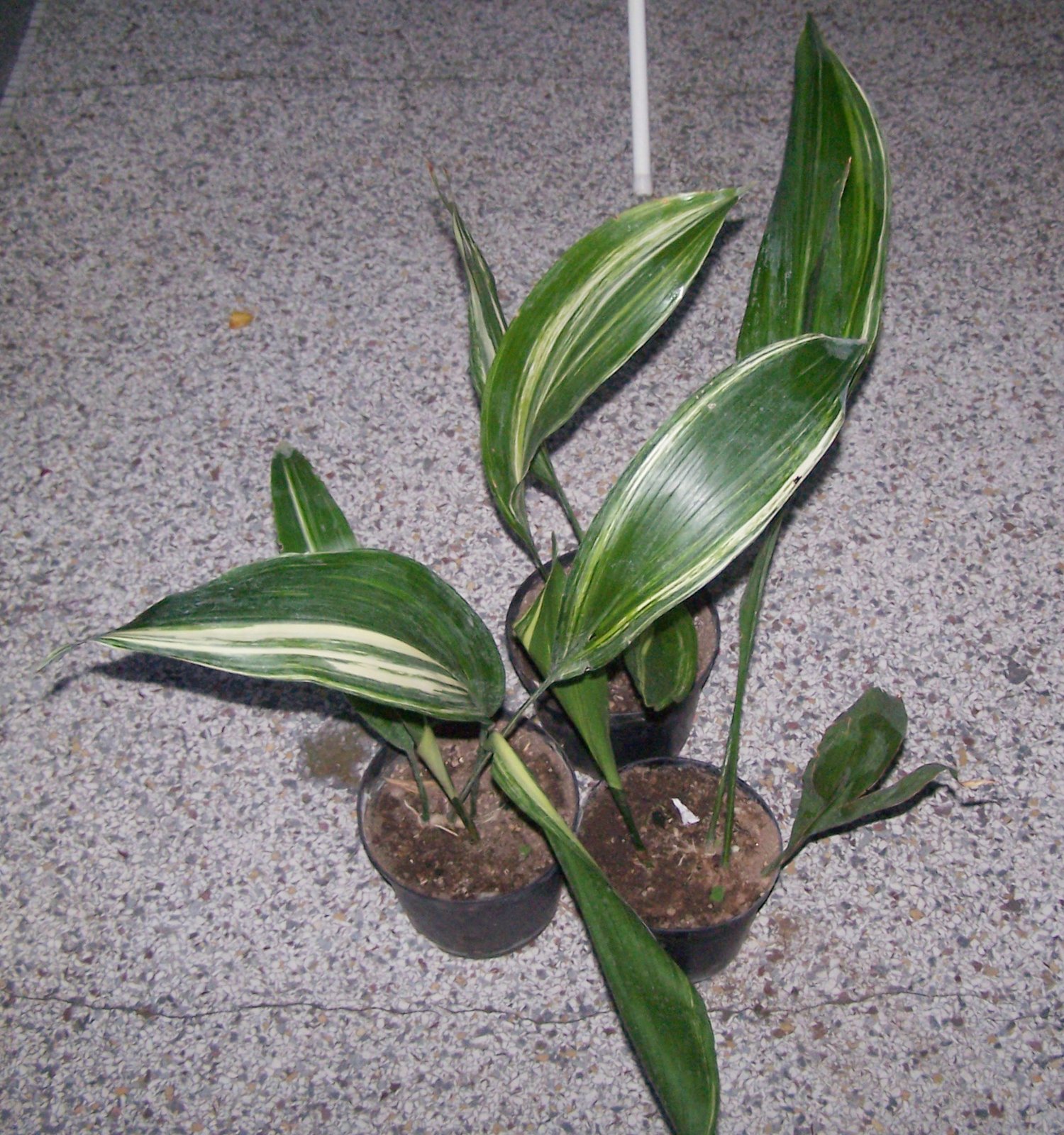
Variegated forms exist too, with cream or white stripes and speckles along the leaves, sold as ‘Variegata’ and similar selections. They are slower growing and need a little more light to keep their variegation, but they grow the same way otherwise — and they are the reason a plain green plant has a fancy photo in this guide.
🌴 Florida notes: Florida is one of the few places in the United States where cast iron plant can live outdoors year-round, in zones 8b–10, as a shade-bed and foundation plant under trees and on the north side of the house. It is also a superb Florida houseplant, because our humidity suits it and our bright-but-indirect indoor light is exactly what it wants. Either way, the rule is the same: shade, always shade. Florida sun through a window or on a porch will scorch it.
Light: the darker the corner, the happier the plant
This is the houseplant for the corner where everything else dies. Cast iron plant tolerates deep shade that would starve most plants, and it thrives in bright indirect light — near a north-facing window, a few feet back from an east window, or in a bright room where the sun never lands directly on the leaves. It is one of the few houseplants that genuinely does well in a hallway or a bathroom with a small window.
Direct sun is the one light it cannot take. Sunlight bleaches the leaves yellow, then scorches brown patches into them, and the damage does not heal. Indoors, that means keeping it out of south- and west-facing windows, or well back from the glass. Outdoors in Florida, it belongs in full shade — under a live oak, on the north side of the house, or in a shaded courtyard. A few hours of gentle morning sun is the absolute limit, and even that is optional. If you are wondering whether a spot is too dark for a cast iron plant, it almost certainly is not. This is the plant that makes you question whether the dark corner was ever really dark.
Variegated forms are the exception that proves the rule: they need brighter indirect light to hold their cream markings, and in deep shade they slowly revert to plain green. Give a variegated plant the brightest indirect spot you have, still with no direct sun.
Water & feeding: steady, not soggy
Water when the top inch or two of soil is dry, then water thoroughly until it drains out of the bottom — and empty the saucer. In a typical Florida home that means roughly every one to two weeks in summer and every two to three weeks in winter, but the soil, not the calendar, decides. The plant’s thick rhizomes store water, so it forgives a missed watering far more easily than a double one. Underwatering shows as drooping, dull leaves that perk up after a drink; overwatering shows as yellow leaves and soft, rotting rhizomes, which is much harder to come back from.
Florida humidity is a genuine gift here. Cast iron plant likes humidity and is prone to brown leaf tips in dry indoor air, which is a common complaint in heated northern homes. In Florida, even air conditioning rarely dries the air enough to bother it. If you do see brown tips, the usual culprits are inconsistent watering or a build-up of salts and fluoride from tap water; flushing the soil with rainwater or distilled water every few months and watering evenly will usually sort it out.
Feeding is light. A balanced liquid fertilizer at half strength once a month in spring and summer is plenty, or a thin top-dressing of worm castings in spring. Do not feed in winter, and do not feed a stressed or newly repotted plant. Cast iron plant is a slow grower by nature — feeding it more will not make it grow faster, it will only make the soil salty. Patience is the fertilizer this plant actually wants.
🌴 Florida notes: Outdoors in a Florida summer, a cast iron plant in the ground barely needs watering once established — our rain and humidity do the work, and the shade keeps the soil from drying fast. In a pot on a shaded porch, check the soil after rainy weeks before watering; a pot under an eave stays drier than one in the open, and both are easy to overwater if you water on a schedule instead of checking. In winter, Florida’s dry season, an outdoor plant may need an occasional deep watering during a dry spell.
Soil & pot: rich, loose, and draining
Cast iron plant wants a rich, loose potting mix that holds some moisture but never stays soggy — ordinary houseplant potting mix with a handful of perlite or orchid bark mixed in is ideal. In the ground in Florida, it is happy in most soils as long as the spot drains; if your soil is heavy clay or muck that holds water, plant it in a raised, amended bed instead. A slightly acidic to neutral pH suits it fine, and it is not fussy about exact numbers.
Choose a pot with drainage holes and a size that fits the root ball with a little room to grow. Cast iron plant is slow and does not mind being slightly snug — in fact, it often grows better in a pot that is a touch tight than in a big empty one full of wet soil. Repot only every two to three years, in spring, moving up one pot size. It dislikes being disturbed, so repot gently, keep the rhizomes at the same depth they were, and expect it to sulk for a few weeks afterwards. Sulking, for a cast iron plant, means looking exactly the same as always. You will not be able to tell, and that is fine.
Common problems
Brown leaf tips and edges. The most common complaint, and usually a watering or water-quality issue: irregular watering, low humidity, or salt and fluoride build-up from tap water. Water evenly, flush the soil with rainwater occasionally, and trim the brown tips with clean scissors, following the natural shape of the leaf. The trimmed leaf will not regrow its tip, but it will look tidy.
Yellow leaves. Usually overwatering, especially in winter. Let the soil dry out more between waterings and check that the pot drains. A single yellow leaf on an old plant is normal ageing — remove it and move on.
Leaves bleached or scorched brown. Too much direct sun. Move the plant into shade; damaged leaves will not recover, but new growth will come in correctly.
Scale and mealybugs. Small brown bumps or white cottony clumps along the leaf stalks, more likely on an outdoor plant or one that spent the summer on a porch. Wipe them off with a cotton swab dipped in rubbing alcohol, and check weekly until they are gone. A plant grown indoors in Florida rarely has serious pest trouble, which is one more reason it earned its name.
Slugs and snails outdoors. In a damp Florida shade bed, slugs may chew the leaf edges and visit the ground-level flowers — which, to be fair, is their job as pollinators. Hand-pick them in the evening and keep mulch pulled slightly back from the crown.
A note on pets: Cast iron plant is listed as non-toxic to dogs and cats, which is one more reason it is a good choice for a household with curious pets. It is not a salad green, but a nibble will not cause harm.
🌴 Florida notes: Cold is rarely a problem — cast iron plant is hardy outdoors through zone 8, and a north Florida cold snap may brown some leaf edges without killing the plant. Cut away damaged leaves in spring and the rhizomes will push fresh growth. The bigger Florida risk is the opposite: a plant tucked into a “shady” spot that actually gets blazing afternoon sun through a gap in the canopy. Check the spot at 2 p.m. in July before you plant, not at 9 a.m.
Propagation: divide the rhizome
Cast iron plant does not propagate from leaf cuttings, and it is in no hurry to set seed indoors, so division is the method — and it is a satisfying one, because you are literally splitting a plant that refused to die into two plants that will also refuse to die.
- Wait for spring. Divide when the plant is starting its growing season, and ideally combine the job with repotting, since the plant dislikes being disturbed and you only want to do it once.
- Unpot the plant. Tip it out and shake or wash off enough soil to see the thick, fleshy rhizomes running through the root ball, with leaves sprouting from them.
- Cut the rhizome. Using a clean, sharp knife, cut the rhizome into sections, making sure every section has at least two or three healthy leaves and a good share of roots. A section with one lonely leaf and no roots will struggle; a chunky section with three leaves will establish fast.
- Pot each division. Plant each piece at the same depth it grew before, in fresh mix, in a pot that fits its roots without much spare room. Water once, thoroughly.
- Be patient. Divisions sulk. They may sit there doing nothing visible for weeks or even months while they rebuild roots underground. Keep the soil lightly moist, keep them in bright indirect light, and do not dig them up to check. New leaves are the announcement that it worked — and with cast iron plant, they always come eventually.
Division is also the cure for a plant that has outgrown its pot or gone thin in the middle: splitting it and replanting the vigorous outer sections rejuvenates the clump and gives you a spare plant to give away. A cast iron plant given as a gift is a statement — it says “I am giving you a plant that will outlive us both,” which is either touching or threatening, depending on the friendship.
🌱 Keep learning
Three related guides worth reading next:
- Houseplant Guide — The general houseplant basics: light, water, and pots, for everything else on your windowsill.
- Plants for Black Thumbs — Ten Florida-tough plants for beginners, ranked, including other survivors that forgive neglect.
- Worm Castings 101 — What worm castings are, why they feed plants so gently, and how to use them on houseplants.