
🫘 CDC Frontier Chickpea
What it looks like
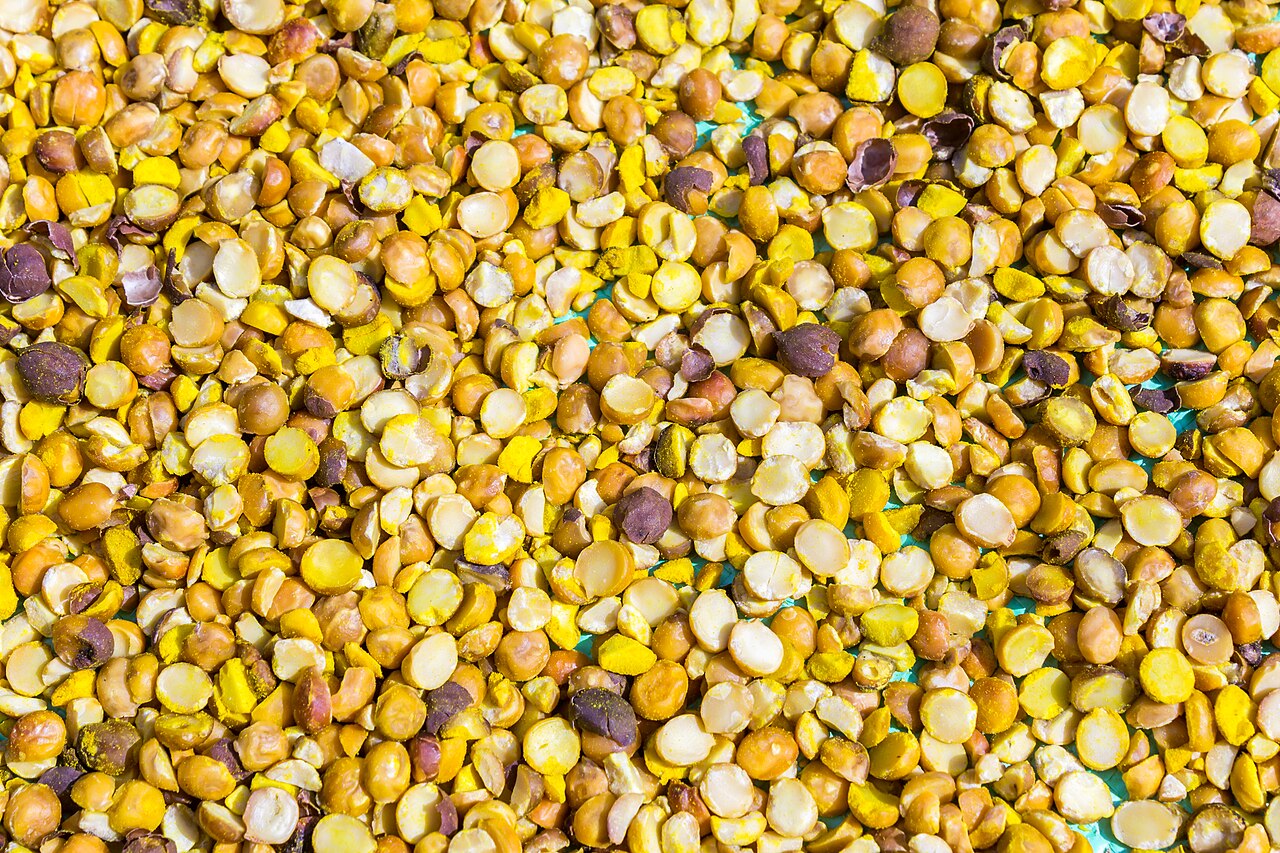
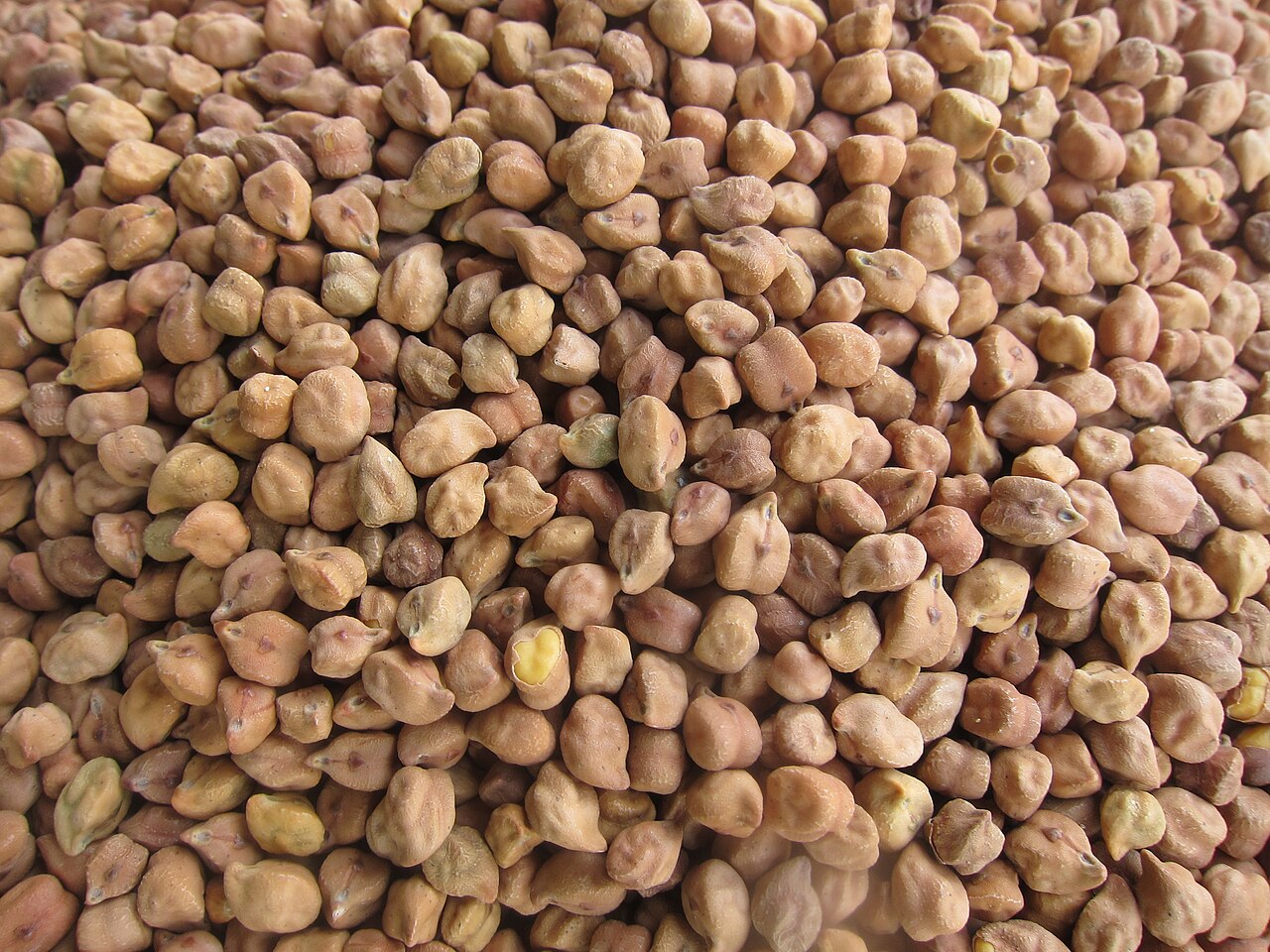
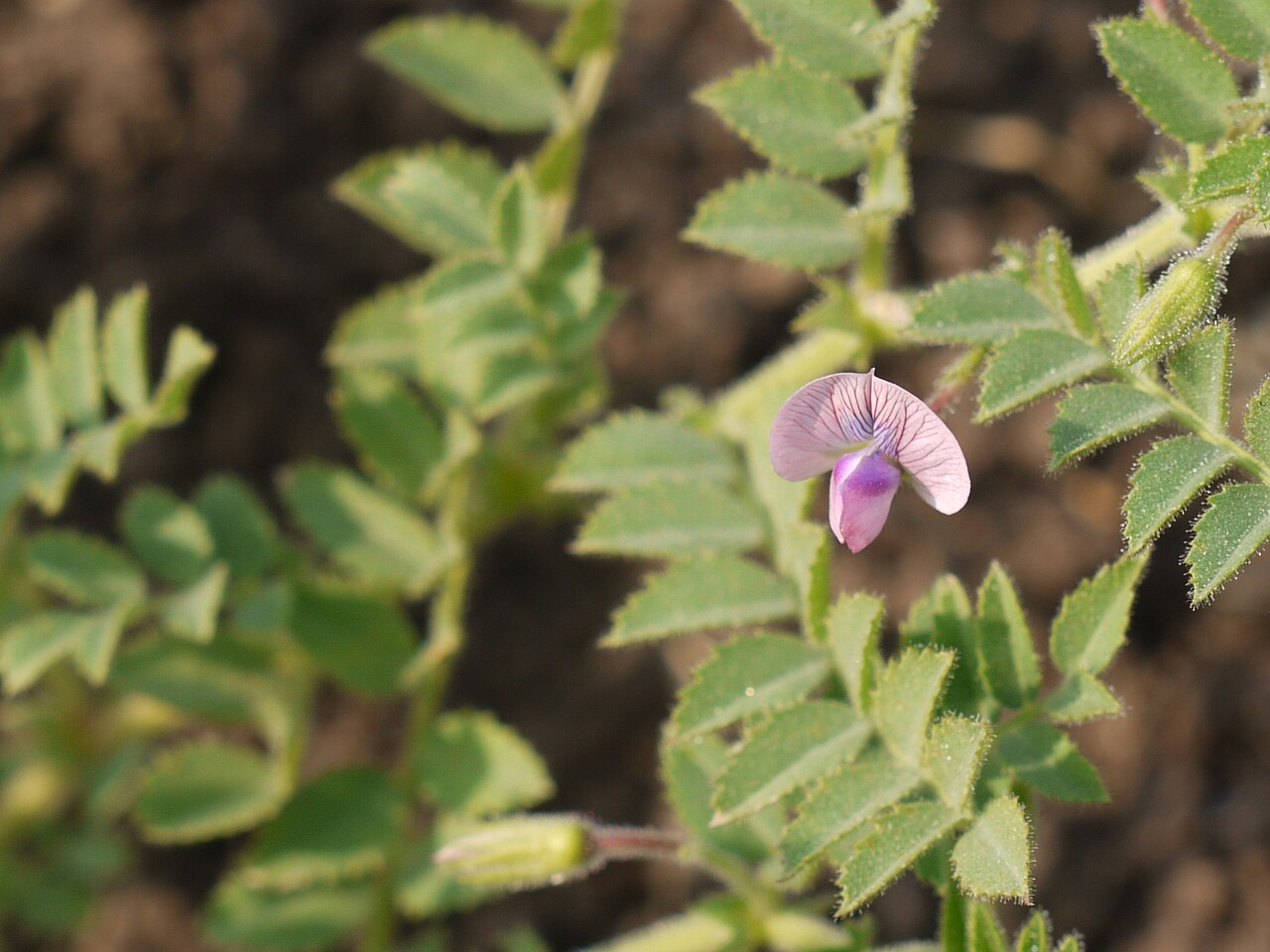
No verified photo of ‘CDC Frontier’ itself was found, so the pictures below show the species — the same plant, photographed generally.
Why this variety
CDC Frontier is the large kabuli chickpea that shows up in trial after trial across the northern plains — and for good reason. It is a big-seeded, cream-colored kabuli, the classic hummus type: smooth, round seeds that cook up creamy and roast up crunchy. In North Dakota trials it flowered around 60 days and matured around 95-108 days depending on the year, which puts it squarely in the species guide’s 90-120 day dry-bean window.
For Florida gardeners, Frontier is a try-it-with-eyes-open variety, not a guaranteed crop. Chickpeas suit warm, semi-arid conditions and dislike humidity and wet foliage, and the species guide names Ascochyta blight as the main battle in the humid Southeast. Frontier’s value here is earliness and trial pedigree: a well-documented, large-seeded kabuli that finishes before the worst of the wet season if you time it for the dry months.
If you have not grown the species before, start with the Chickpea growing guide for the general picture, then come back here for what makes this variety different.
How to grow
Sow CDC Frontier in the dry season in Florida — winter into spring, when humidity is lowest — about an inch deep, 6 inches apart in rows 24 inches apart, in full sun. Wide spacing is not optional here: it is airflow, and airflow is blight prevention. Chickpeas have deep taproots and tolerate drought once established, but they need steady moisture at flowering and pod-fill.
Inoculate seed with the appropriate rhizobium where chickpeas have never grown, and work a little compost or castings into the bed at planting. Skip heavy fertilizer — chickpeas fix nitrogen, and excess nitrogen grows leaves at the expense of pods. Use drip or base watering from the start; wet leaves invite blight, and blight is the crop-ender.
Water & feeding
About an inch a week, more during flowering and pod-fill, then reduce watering two weeks before harvest so pods dry cleanly. Never overhead-water if you can avoid it. In sandy soil, mulch to hold moisture without wetting foliage — the goal is moist roots and dry leaves, which is the whole chickpea game in Florida.
Common problems
- Ascochyta blight in wet weather — rotate crops, space widely, avoid overhead watering, remove affected plants. This is the main Florida battle.
- Fusarium wilt — no cure; rotate for several years and choose resistant varieties.
- Aphids and leafminers — row cover early and blast aphids with water.
- Poor pod set — usually heat, drought at flowering, or poor pollination; water steadily at bloom.
Harvest
For fresh green chickpeas, pick plump green pods at about 60-90 days and eat the peas raw, steamed, or sautéed — the window is only a week or two. For dry chickpeas, wait until pods and plants are fully dry, about 100 days, pull plants, dry for a few more days, then shell. Dry seeds completely — rock-hard with no give under a fingernail — before sealing in airtight jars. Plan on several plants per person: each plant makes only about 50 pods with one or two seeds each.
Browse all plant & pest guides
Saving seeds
CDC Frontier is a bred kabuli chickpea, so it comes true from seed — save seed from your best pods and let them dry fully before storing. The full method is in the Saving seeds section of the Chickpea guide.