
🌸 Cecil Houdyshel Crinum
What it looks like
Why this variety
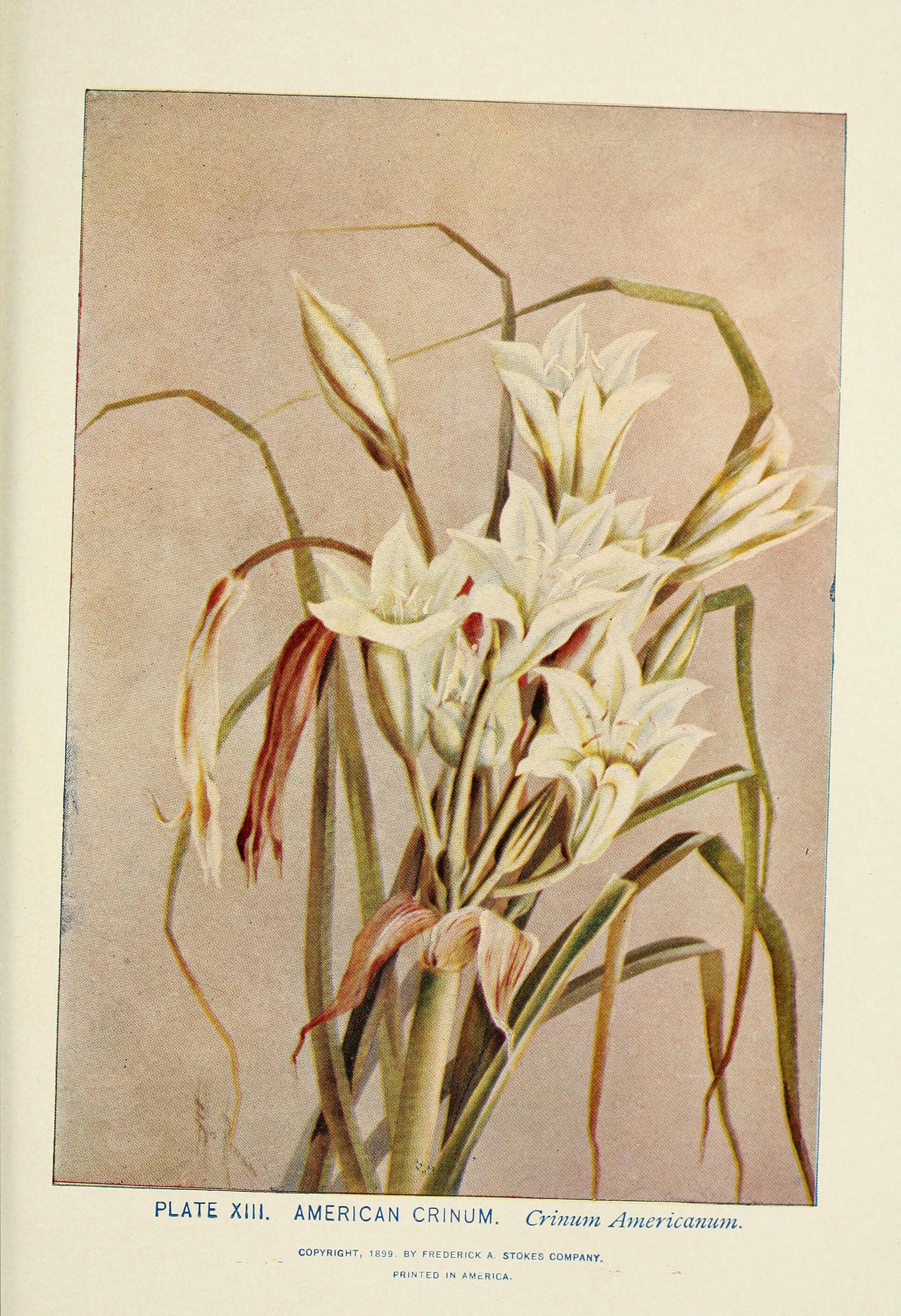
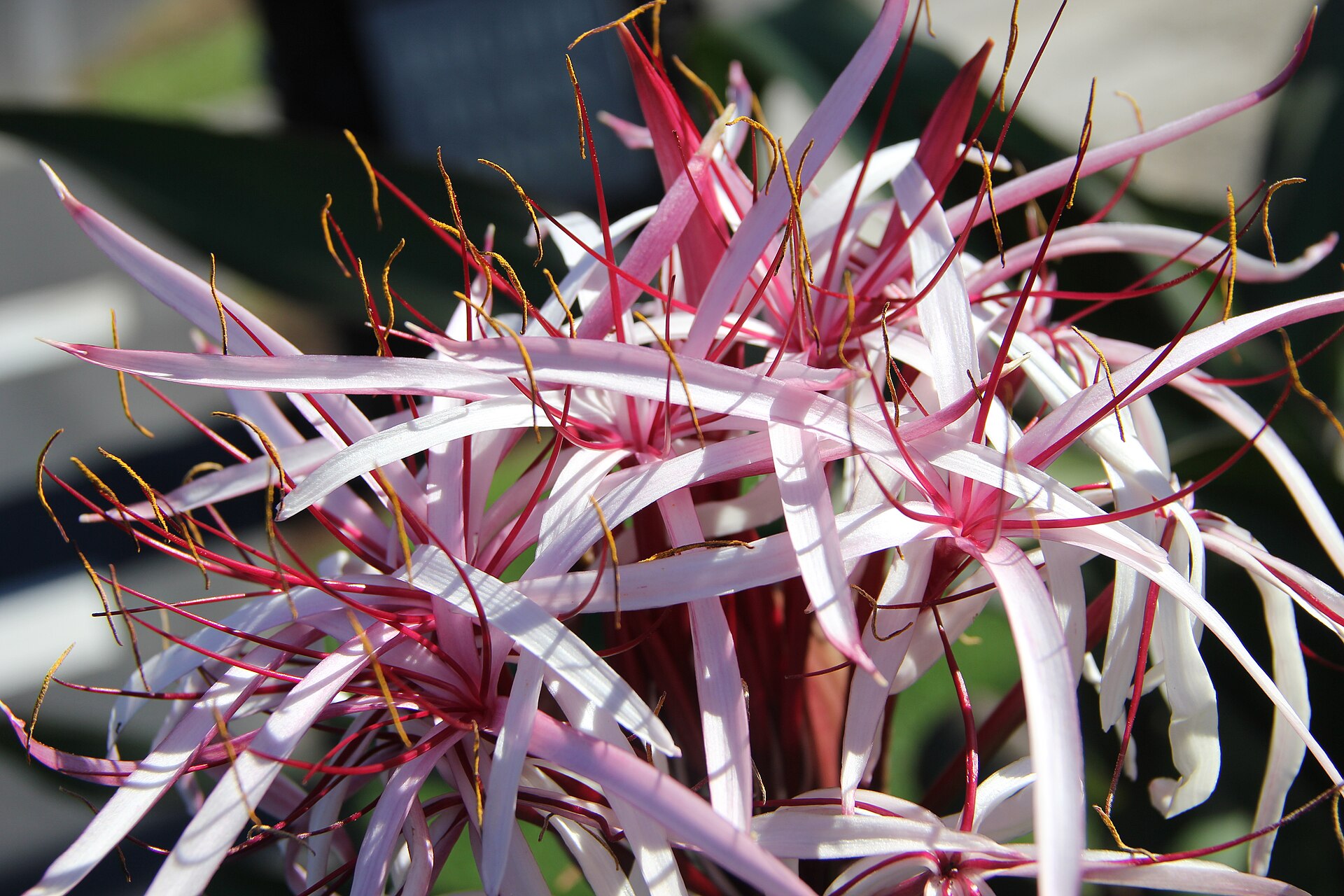
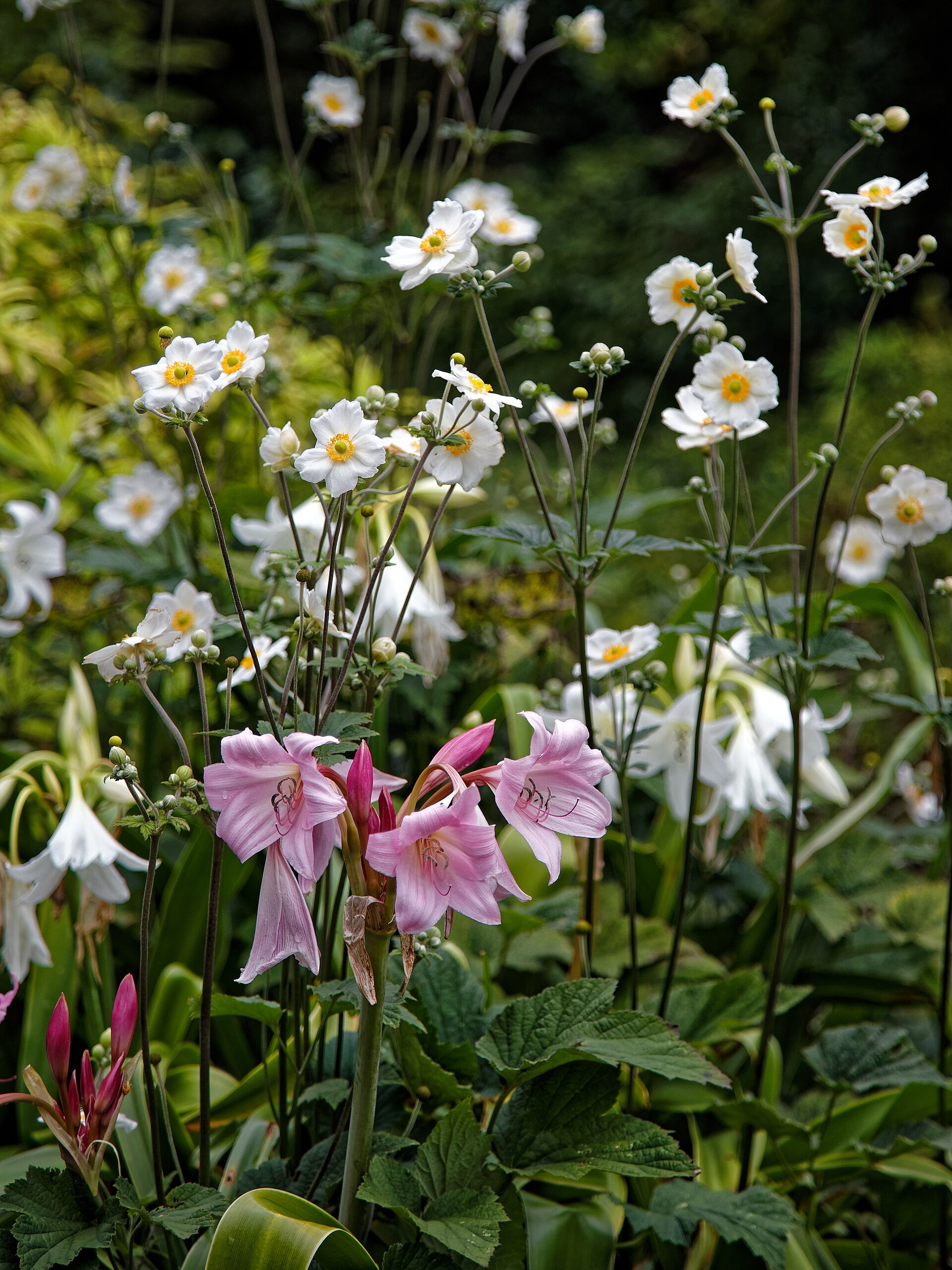
Cecil Houdyshel is the crinum for gardeners who love Ellen Bosanquet’s size but want a paler flower. Its large trumpets open white with a soft pink blush at the petal edges, so the clump glows rather than shouts — especially striking against its dark, glossy strap leaves. It grows upright and tall, to around three to four feet in bloom, which makes it a natural focal point or border anchor rather than a filler.
Like all good crinums, it is a long game: plant it, water it, and then leave it to build a clump. It blooms in repeated flushes through the warm season, and the flowers carry the light fragrance crinums are known for. If you are new to choosing between cultivars, the Varieties Matter guide explains why the name after the plant matters as much as the plant itself.
Florida honesty: Cecil Houdyshel is a warm-climate crinum at home across Florida, evergreen where winters are mild. Its pale flowers show thrips marks and sun-scorch more than dark ones, so a spot with morning sun and afternoon shade keeps the white crisp through summer.
How to grow
Plant crinum bulbs deep — the neck just at or slightly below the surface, unlike amaryllis — in rich, moist, well-drained soil, and then mostly leave them alone. Crinums are famously long-lived passalong plants: they resent moving, sulk for a season after division, and then outlive the gardener who planted them. Give each bulb 24-36 inches of room, work worm castings into the planting hole, and mulch to hold moisture. Established clumps need little beyond water in dry spells and a yearly feeding.
Water & feeding
Water regularly while leaves are growing and flowers are coming; crinums tolerate drought once established but bloom best with steady moisture. In Florida, summer rain usually covers it — the danger is not drought but a bulb sitting in a spot that stays soggy in winter, which invites rot. Feed with castings in spring and again after the main bloom flush, and let the strap-like leaves stand all year where they stay green.
Common problems
- Bulb rot in soggy winter soil — plant where water drains, never in a hollow that ponds.
- Slow start after transplanting — crinums sulk a season after moving; do not dig them up again to check, they are busy below ground.
- No bloom on a young or recently divided plant — crinums bloom best when crowded and undisturbed; patience is the fertilizer here.
- Leaf scorch in harsh afternoon sun — afternoon shade in the hottest gardens keeps the strap leaves green instead of bleached.
Harvest
There is no harvest to pick: the reward is the bloom itself. Deadhead spent flower stalks to the base to keep the clump tidy, but leave all the leaves standing — they feed the bulb for next year’s flowers. Divide only when a clump is truly overcrowded, and expect a season of sulking before it blooms its best again.
Browse all plant & pest guides
Saving seeds
Cecil Houdyshel is a named crinum variety, so true seed isn’t the way to keep it — divide your clumps instead. The Propagation section of the Crinum guide covers how the species is propagated.