
🌸 Crinum
What it looks like
How to grow
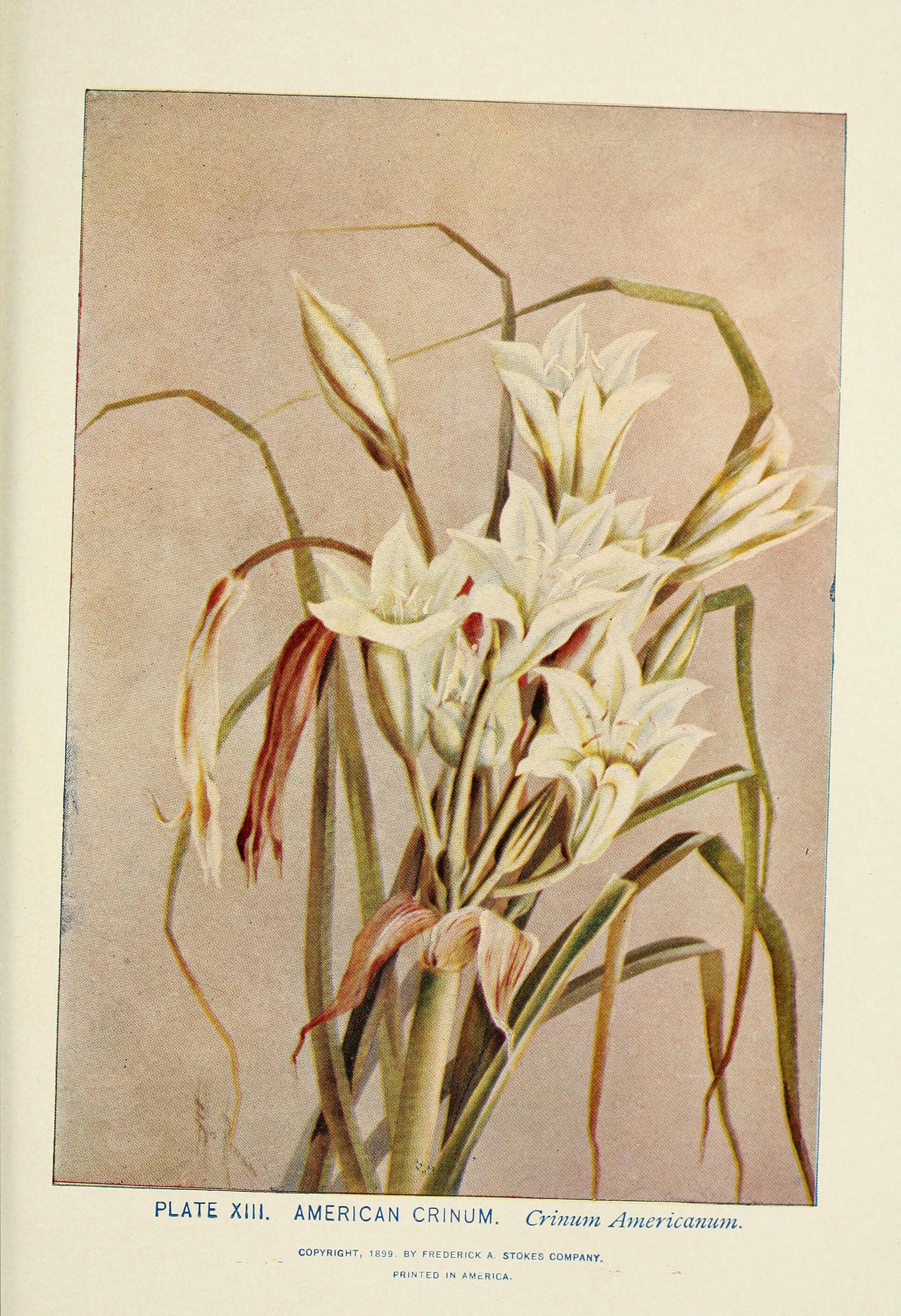
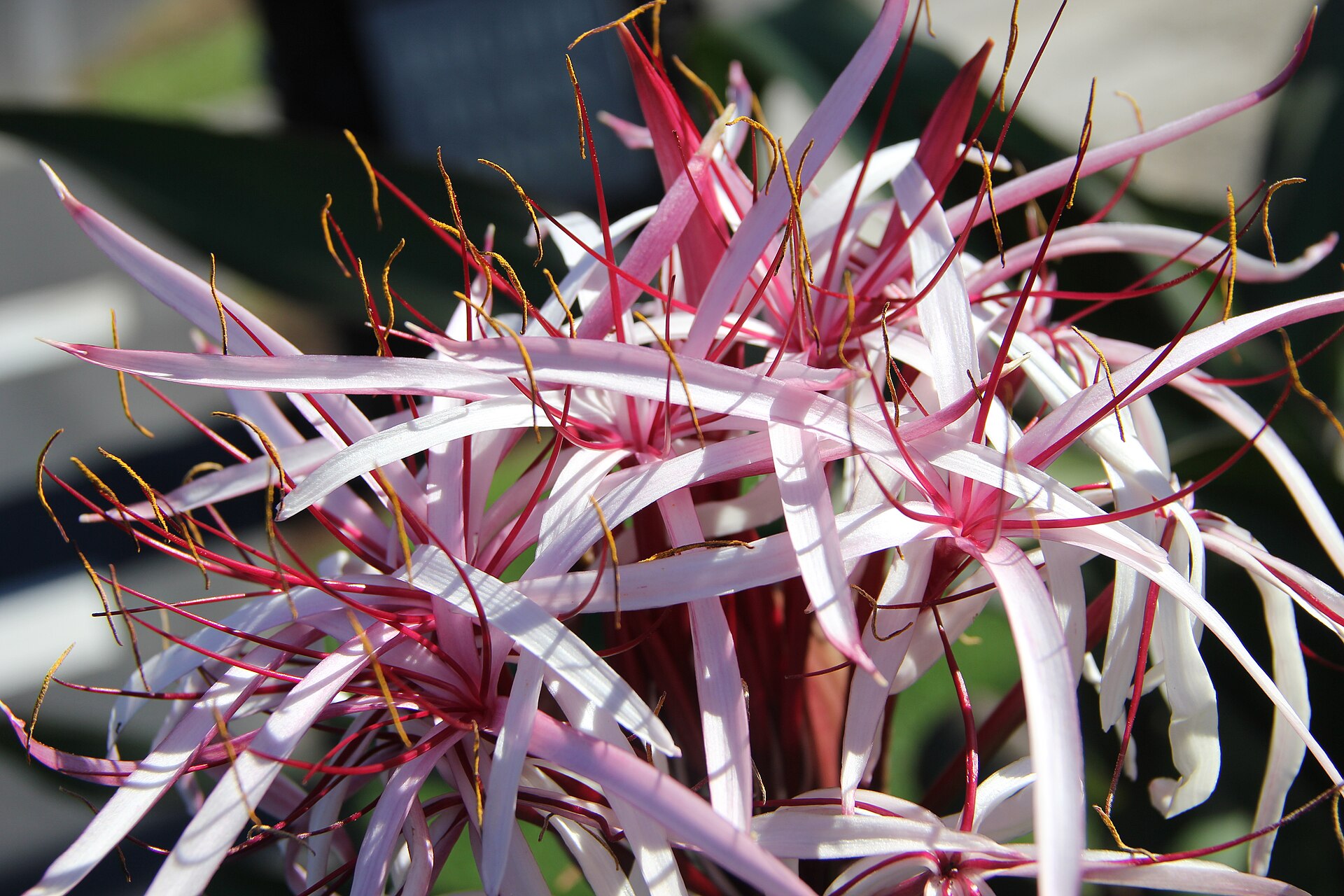
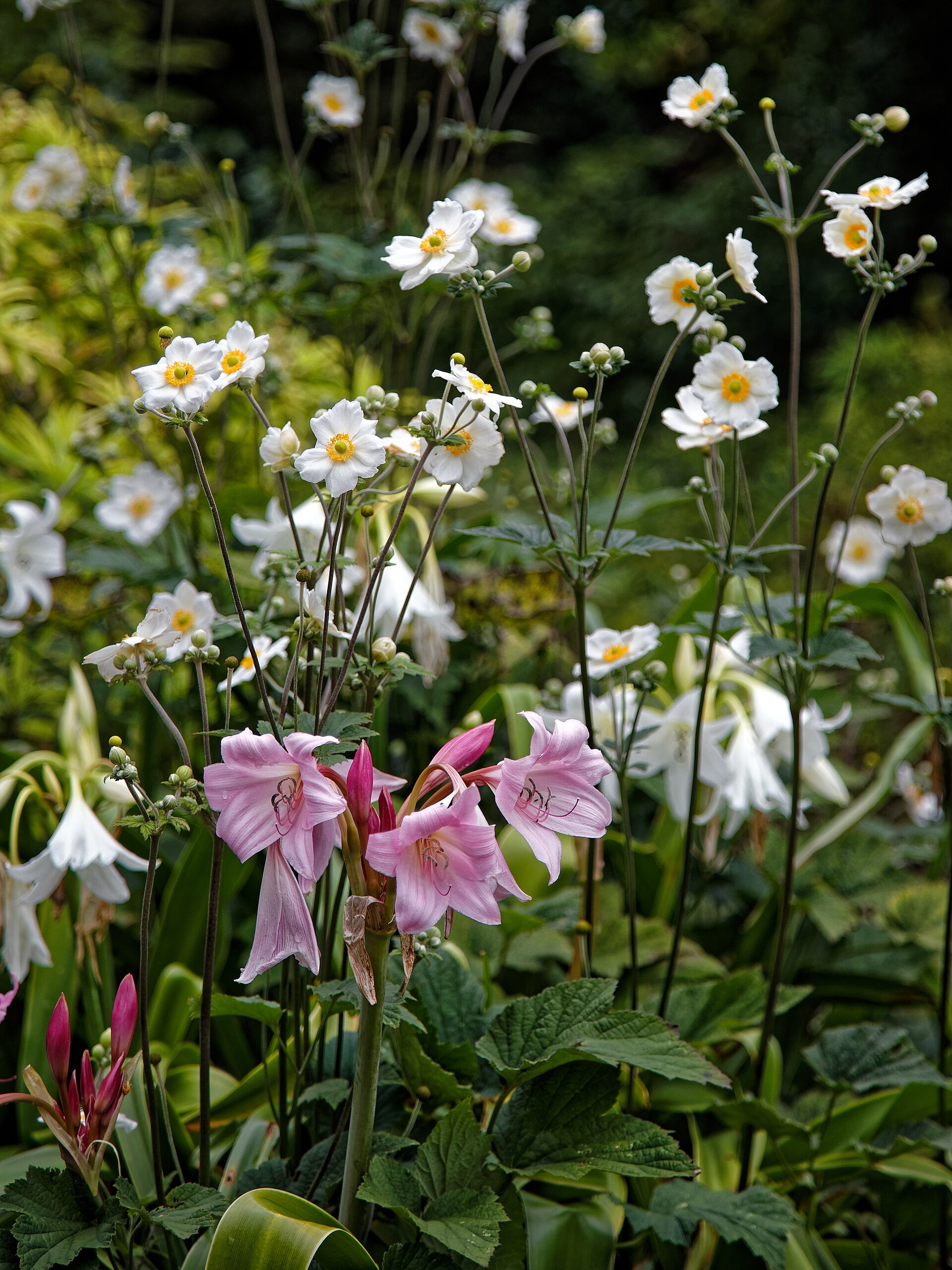
Crinums are the bulbs of old southern gardens: big bulbs, broad strap leaves, and tall stalks of large, fragrant, lily-like flowers in white, pink, and wine-red. They are famously long-lived and famously resentful of moving — plant one, leave it alone, and it will bloom for decades, passed along as divisions from garden to garden. In Florida they are at home statewide, with the hardier types reaching well north of the state and the tender giant types happiest in the south.
Plant crinum bulbs deep — the neck just at or slightly below the surface, unlike amaryllis — in rich, moist, well-drained soil, and then mostly leave them alone. Crinums are famously long-lived passalong plants: they resent moving, sulk for a season after division, and then outlive the gardener who planted them. Give each bulb 24-36 inches of room, work worm castings into the planting hole, and mulch to hold moisture. Established clumps need little beyond water in dry spells and a yearly feeding.
Water & feeding
Water regularly while leaves are growing and flowers are coming; crinums tolerate drought once established but bloom best with steady moisture. In Florida, summer rain usually covers it — the danger is not drought but a bulb sitting in a spot that stays soggy in winter, which invites rot. Feed with castings in spring and again after the main bloom flush, and let the strap-like leaves stand all year where they stay green.
Common problems
- Bulb rot in soggy winter soil — plant where water drains, never in a hollow that ponds.
- Slow start after transplanting — crinums sulk a season after moving; do not dig them up again to check, they are busy below ground.
- No bloom on a young or recently divided plant — crinums bloom best when crowded and undisturbed; patience is the fertilizer here.
- Leaf scorch in harsh afternoon sun — afternoon shade in the hottest gardens keeps the strap leaves green instead of bleached.
Harvest
There is no harvest to pick: the reward is the bloom itself. Deadhead spent flower stalks to the base to keep the clump tidy, but leave all the leaves standing — they feed the bulb for next year’s flowers. Divide only when a clump is truly overcrowded, and expect a season of sulking before it blooms its best again.
Propagation
First, a safety note, because crinums look like lilies and behave like old friends, and it is easy to forget they are not snacks: crinum bulbs and foliage are toxic if eaten, as is typical of the amaryllis family, so keep bulbs away from children and pets, wash your hands after handling cut or dug bulbs, and never taste-test a bulb to identify it. With that out of the way, here is the genus-level truth about multiplying crinums. This guide covers Crinum as a group, from the native swamp lily to the giant tropical types and their hybrids, and the method below holds across the genus, even though exact timing and cold tolerance vary by type. The practical route is not seed. It is division, and the plant itself hands you the material.
Established crinums form clumps by producing offsets, or pups, small bulbs that grow alongside the mother bulb and gradually build a colony. The best time to divide is after flowering, in late summer into fall, as the foliage begins to die back, or whenever a clump has grown crowded, needs moving, or has simply earned you a passalong for a friend. Crinums famously resent moving and may sulk for a season after division, flowering lightly or not at all, before settling back into their decades-long rhythm, so divide only when there is a reason, not on a schedule. Prepare the new planting holes before you dig, because divided bulbs and offsets should not be left drying in the sun.
Dig wide and deep. Crinum bulbs are large, their roots run deep, and a narrow, shallow dig is how bulbs get sliced. Loosen the soil in a generous circle, lift the clump, and shake or rinse off enough soil to see what you have. Twist or gently pull the offsets away from the mother bulb, keeping each pup’s roots and leaves attached where possible. If a bulb is fused and will not separate cleanly, a clean, sharp knife can cut it, but only into pieces that each carry a portion of the basal plate, the flat root end where roots and growth emerge, since a slice without a basal plate is just compost. Replant promptly with the neck at or just below the surface, as this guide’s growing notes describe, give each bulb generous room, water well, and mulch. Small pups may take a season or two to reach flowering size, which is still far faster than seed.
Seed is possible, and worth a sentence for the curious. Crinum flowers form seed pods that turn tan and begin to split some weeks after flowering, and seed sown warm and moist can germinate, but seedlings take several years to reach flowering size, and hybrids will not necessarily match their parents. Division, by contrast, is a clone: the pup is the parent plant, flower for flower, fragrance for fragrance. That is why crinums travel garden to garden as passalongs rather than as seed packets, and why an old clump can outlive the gardener who planted it. Divide with a sharp spade, a little patience, and a friend who has room, and the plant does the rest.
Varieties
Every named variety of Crinum with its own growing guide:
- Ellen Bosanquet Crinum — The classic southern passalong: deep wine-red trumpets, spicy fragrance, and a clump that outlives trends.
- Cecil Houdyshel Crinum — The pale showpiece: large white trumpets brushed with pink at the edges, glowing against dark green leaves.
- White Queen Crinum — The tall white classic: elegant pure-white trumpets on a hardy, old-fashioned crinum that asks for little.
- Stars and Stripes Crinum — The striped crinum: alabaster petals each carrying a bold red stripe, like a flag caught mid-wave.