
🍒 Cherry Plum
What it looks like
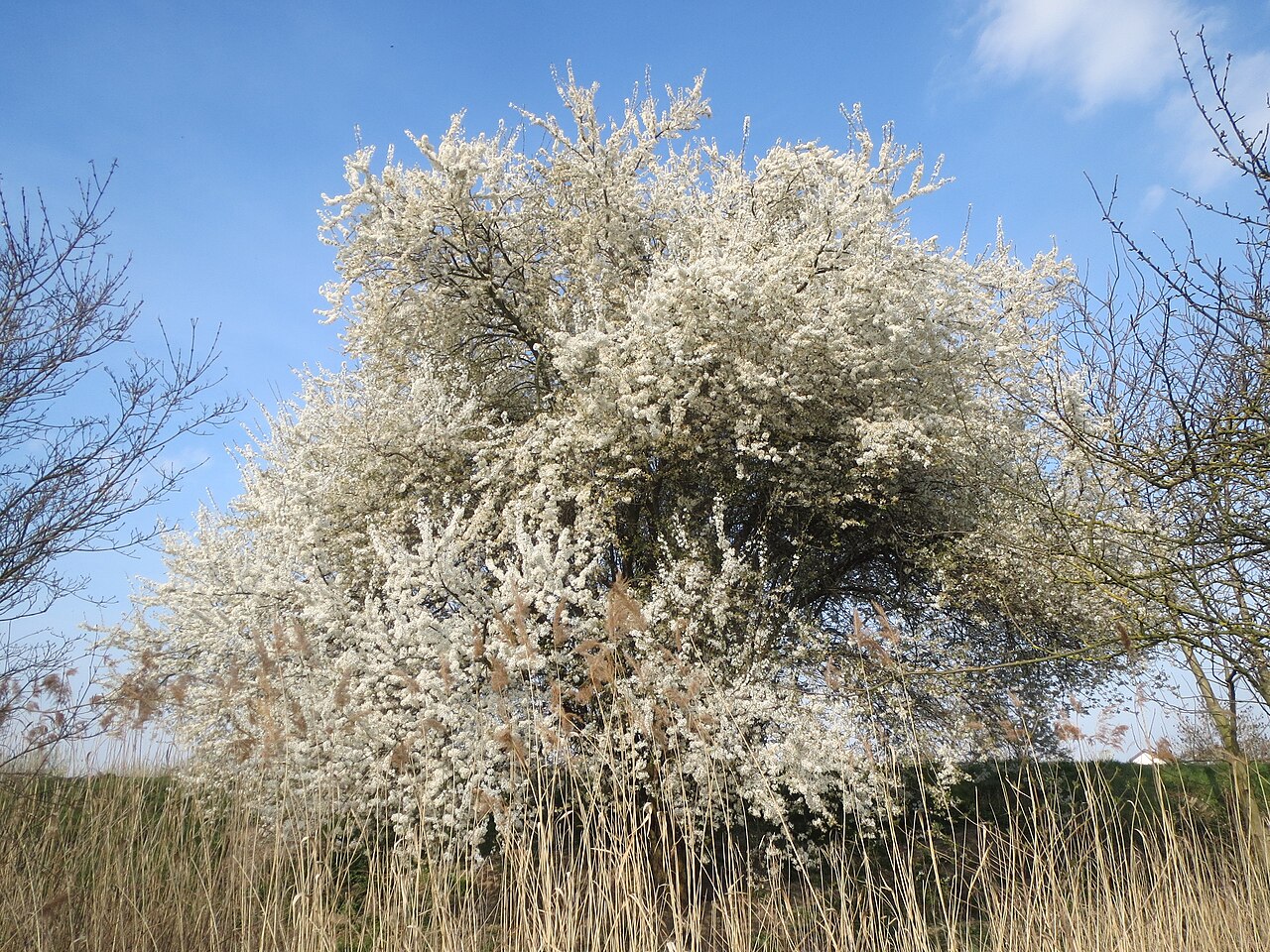
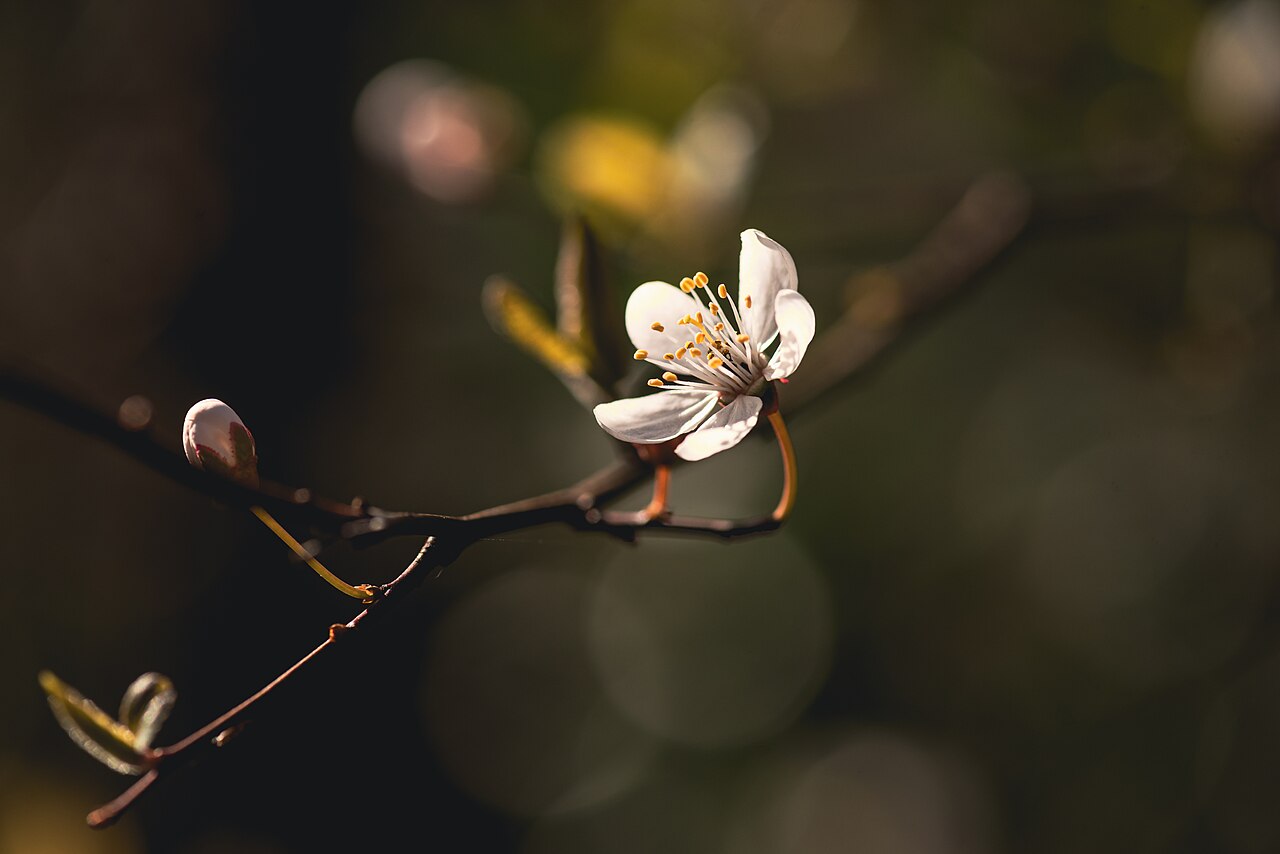
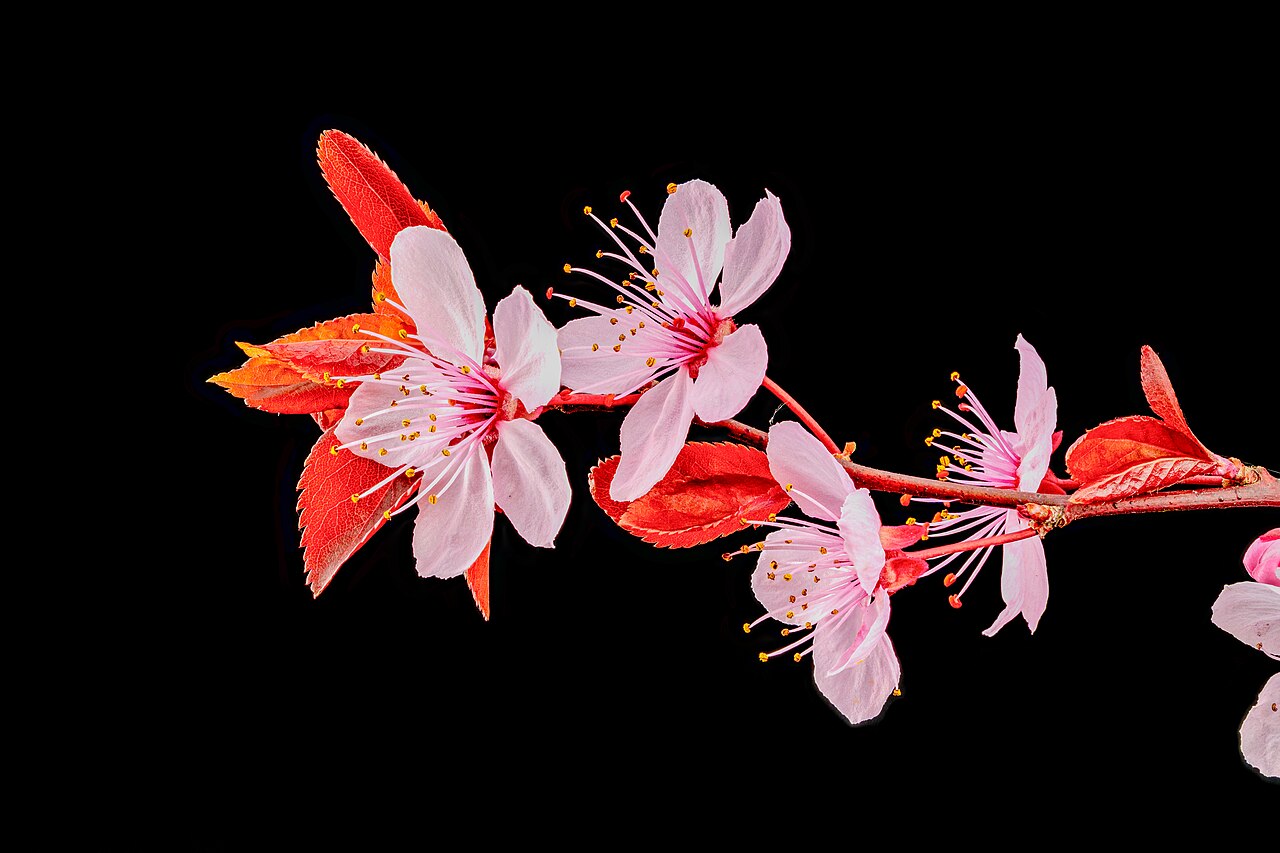
How to grow
Cherry plum, or myrobalan plum, is a small, vigorous plum species bearing round, cherry-sized fruit about an inch across, yellow or red when ripe, sweet-tart and excellent fresh or in jam. It is hardy to zone 4, tolerant of a range of soils, and famously used as a rootstock for other plums — which tells you how tough its roots are. Plant in full sun in well-drained soil, and note that seedlings vary in fruit quality, so buy a named fruiting variety if you want dessert fruit rather than a rootstock lottery. It is largely self-fertile but fruits heavier with a second plum nearby. Prune to an open center in late winter and thin fruit if branches overload.
Water & feeding
Water while young and in dry spells; established cherry plum tolerates drought better than many plums. Mulch to hold moisture. Feed in spring with compost or a balanced fertilizer; avoid heavy nitrogen that pushes leafy growth.
Common problems
- Plum curculio and brown rot — the usual stone-fruit pair; clean up fallen fruit and prune for airflow.
- Aphids on new growth — wash off and encourage predators.
- Suckering from rootstock types — remove root suckers promptly if your tree is grafted.
- Variable seedling fruit — buy named varieties for predictable flavor.
Harvest
Pick when fruit colors fully and softens slightly; taste for sweetness, since seedlings range from tart to sweet. Eat fresh, or cook into jam, jelly, and sauce. Fruit ripens over a window, so pick in passes.
Browse all plant & pest guides
Propagation
Start with the pit rule, which applies to the whole plum clan: do not eat the kernel inside a cherry plum stone. Like other Prunus pits, it contains cyanogenic glycosides, and the kernel is not a bonus almond. The flesh is the food, fresh or cooked into jam, and the stone is propagation material. Keep saved stones away from children and pets, and do not let livestock browse wilted plum foliage either, since the same compounds turn up in damaged leaves and twigs.
Seed is the patient route. Choose fruit from a tree whose flavor you actually like, eat or cook the flesh, and wash the stones completely clean. Cherry plum seed needs a cold, moist winter to break dormancy, so sow outdoors in fall in a cold climate, or stratify in the refrigerator for a few months in damp sand or peat, checking for mold and early sprouts, and sow in spring about an inch deep. Germination takes weeks, seedlings are variable, and a seed-grown tree takes several years to fruit, which is a long time to discover that your seedling inherited its tart great-aunt’s personality instead of its sweet parent’s. Purple-leaf ornamental forms are especially unfaithful from seed: the seedlings may come up green, patchy, or only faintly purple, because leaf color does not breed as tidily as a catalog photo suggests.
That is why named cherry plums are grafted or budded, not sown. A scion from the tree you want is joined to a rootstock in late winter or summer budding season, the union is wrapped and kept humid until it takes, and the resulting tree repeats the parent’s fruit and foliage. Cherry plum’s other claim to fame belongs here too: myrobalan is itself a classic rootstock for plums, prized for tough, adaptable roots, so a seedling you raise may be more valuable as a rootstock to graft onto than as a fruit tree in its own right. Own-rooted trees also throw root suckers, and a sucker dug with roots attached is a free new tree, but only if the parent was on its own roots. A sucker from a grafted tree is rootstock, not variety, and planting it as if it were the variety is how gardens fill up with mystery plums.
For Florida gardeners, keep the chill and heat check in mind: cherry plum is hardy and tough, but it is a temperate tree, and a seed experiment does not rewrite its climate needs. Sow seed as a project, graft or buy the named tree if the fruit or the purple leaves are the point, and label every pot, because a cherry plum seedling, a rootstock sucker, and a grafted variety look like triplets until they fruit, and by then the label is the only witness you have.
Varieties
Every named variety of Cherry Plum with its own growing guide:
- Krauter Vesuvius Cherry Plum — The purple-leaf cherry plum with the darkest foliage and the tidiest habit: grown for color first, with small edible plums as a bonus.
- Newport Cherry Plum — The hardiest purple-leaf cherry plum: deep purple foliage, pink flowers, and a tree that shrugs off cold other purple-leaf plums cannot.
- Pissardii Cherry Plum — The original purple-leaf cherry plum: the burgundy-leaved selection that started the whole purple-leaf plum fashion, with small edible fruit as a bonus.
- Thundercloud Cherry Plum — The purple-leaf cherry plum with pink spring flowers and burgundy foliage that actually holds its color: the classic purple-leaf plum for color first, fruit second.
- Nigra Cherry Plum — The darkest purple-leaf cherry plum: near-black foliage, pink flowers, and small edible plums as a bonus.