
🌸 Nigra Cherry Plum
What it looks like
Why this variety
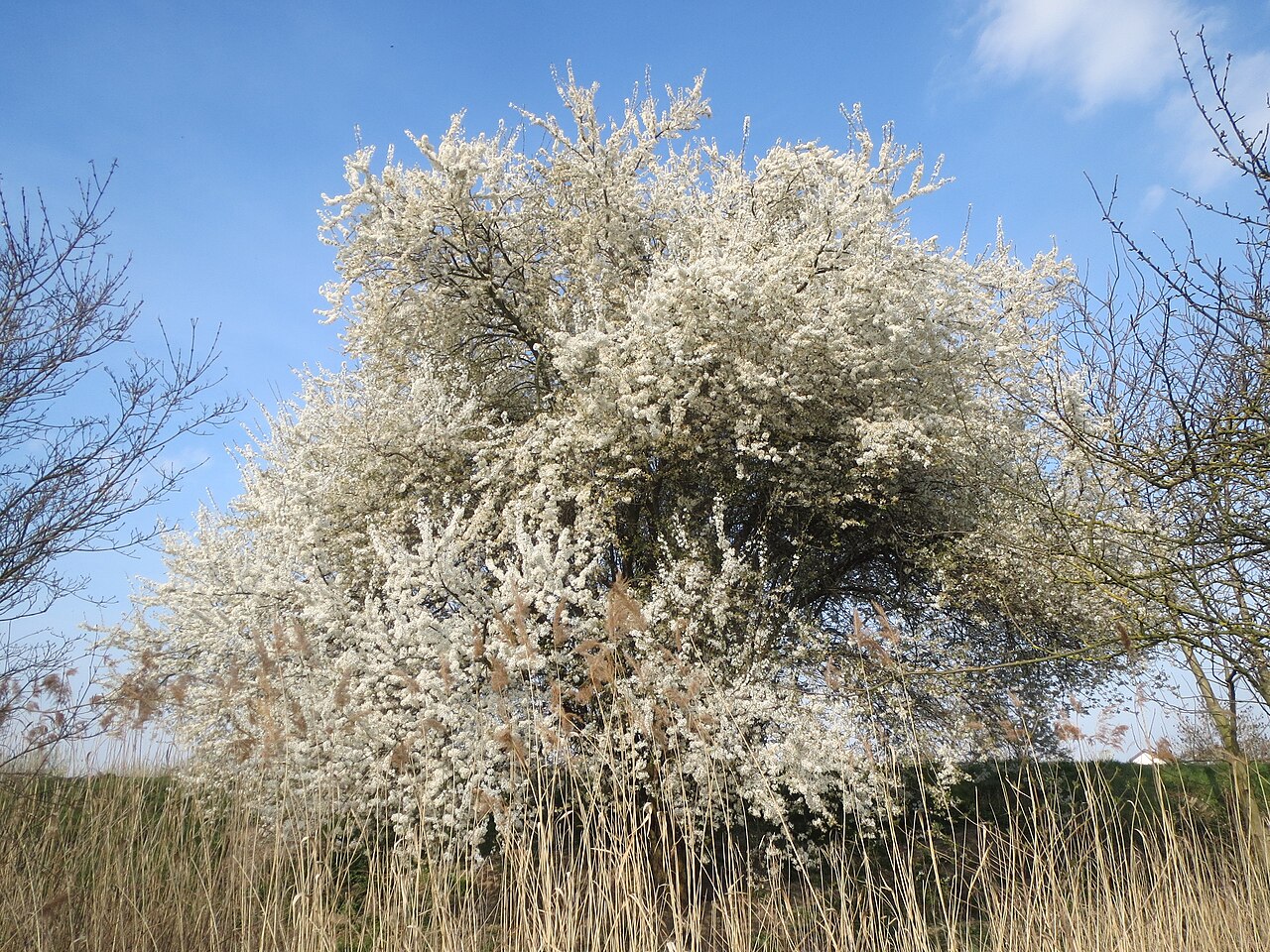
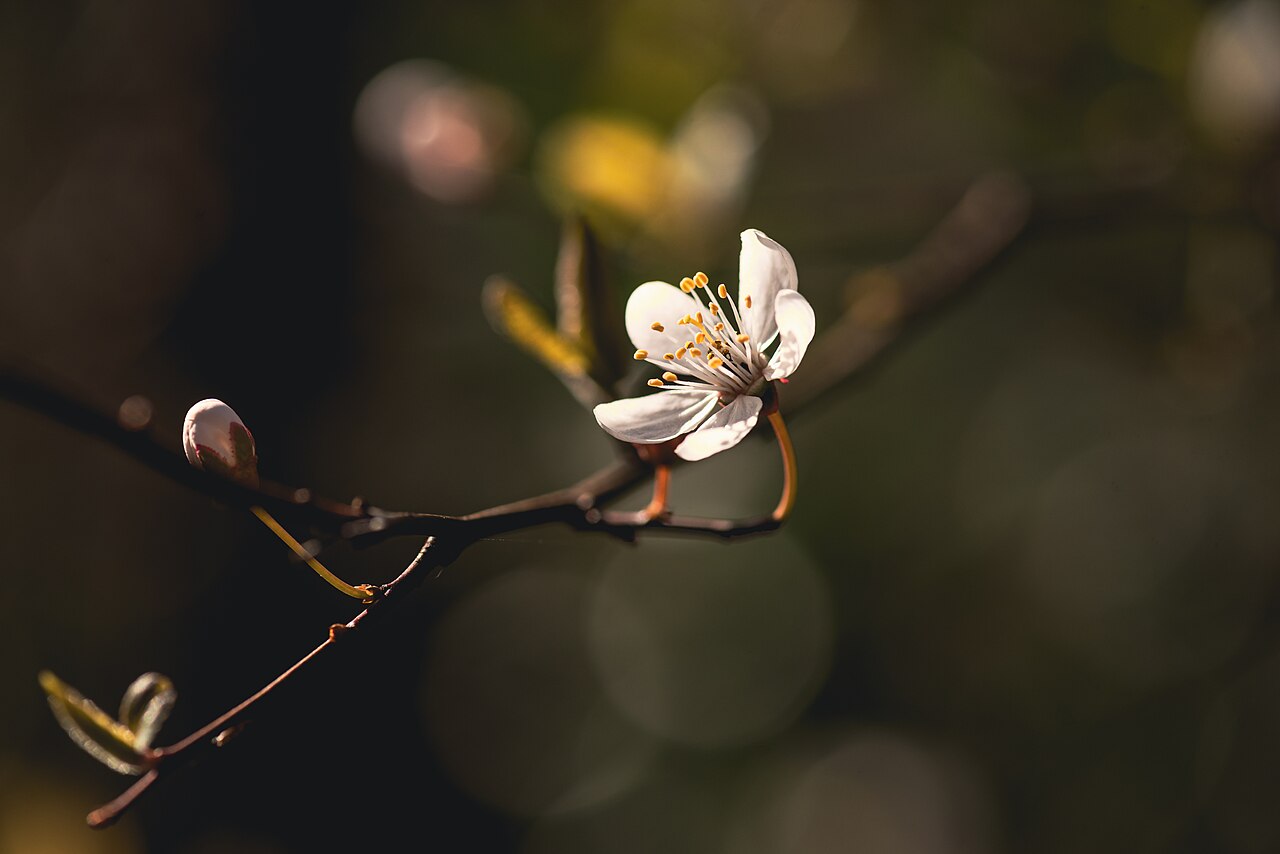
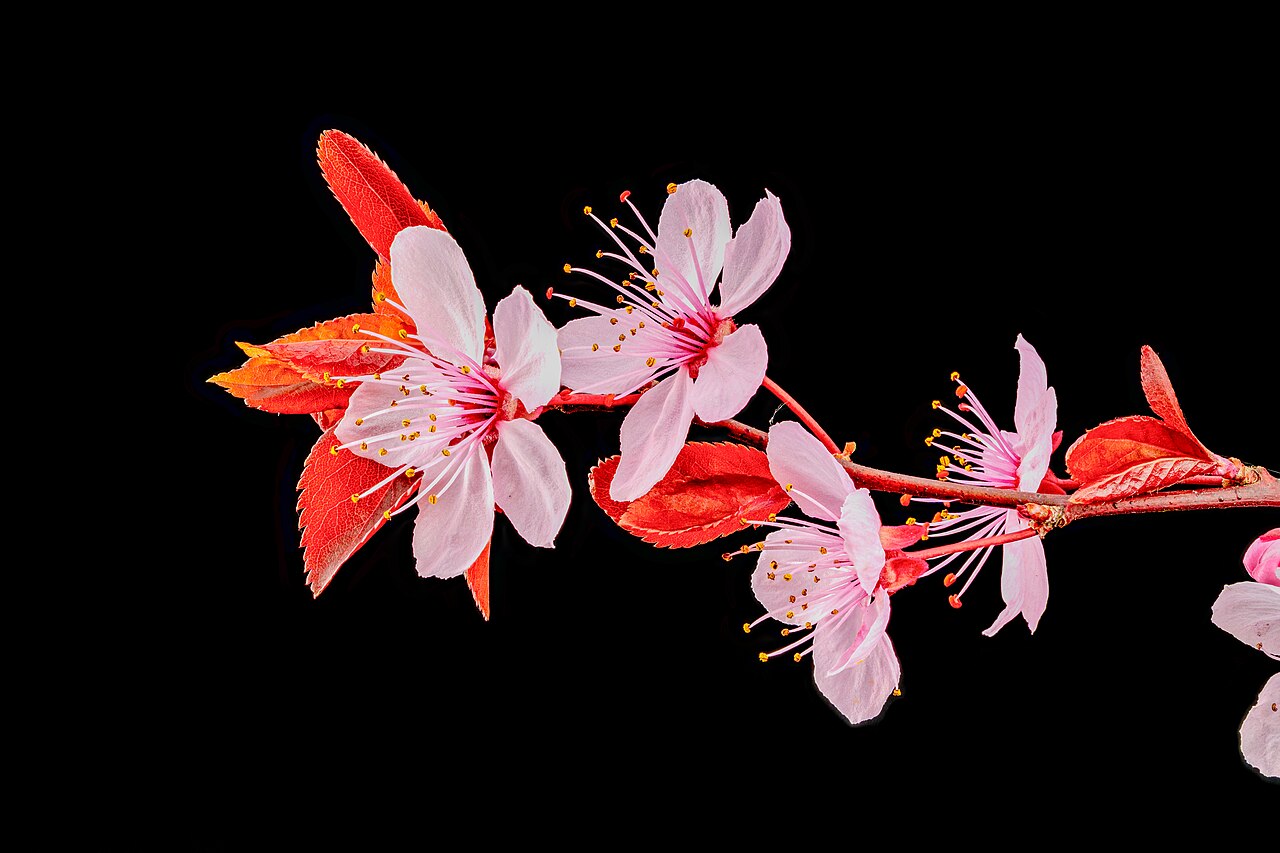
Nigra is the purple-leaf cherry plum that goes darkest: foliage so deep purple it reads near-black in summer, holding its color better than many purple-leaf types, with soft pink spring flowers that glow against the dark leaves. It is grown for color first — a small ornamental tree that anchors a planting the way a dark backdrop anchors a painting — with small, round, red-purple plums as a genuine bonus, sweet-tart and good for jam when you get enough of them.
Among the purple-leaf cherry plums, Nigra sits alongside Pissardii (the original), Thundercloud (the color-holder), Newport (the hardiest), and Krauter Vesuvius (the tidiest) — each with its own claim, and Nigra’s is depth of color. Plant it where dark foliage contrasts with green, gold, or silver plantings, prune to an open center in late winter, and expect a tree that earns its spot in every season except the brief bare weeks of winter.
Florida note: cherry plum is zones 4–9, so in Florida Nigra is a North Florida trial — the state’s heat and humidity test a northern ornamental, and fruit is secondary to foliage here. Plant in full sun with good airflow, and do not expect South or Central Florida performance.
For the species as a whole, see the Cherry Plum growing guide.
How to grow
Cherry plum, or myrobalan plum, is a small, vigorous plum species bearing round, cherry-sized fruit about an inch across, yellow or red when ripe, sweet-tart and excellent fresh or in jam. It is famously used as a rootstock for other plums — which tells you how tough its roots are. Plant in full sun in well-drained soil, and note that seedlings vary in fruit quality, so buy a named fruiting variety if you want dessert fruit rather than a rootstock lottery. It is largely self-fertile but fruits heavier with a second plum nearby. Prune to an open center in late winter and thin fruit if branches overload.
Plant in full sun in well-drained soil, prune to an open center in late winter, and site it where dark foliage can contrast — Nigra is a color plant first, and it knows it.
Water & feeding
Water while young and in dry spells; established cherry plum tolerates drought better than many plums. Mulch to hold moisture. Feed in spring with compost or a balanced fertilizer; avoid heavy nitrogen that pushes leafy growth.
Common problems
- Plum curculio and brown rot — the usual stone-fruit pair; clean up fallen fruit and prune for airflow.
- Aphids on new growth — wash off and encourage predators.
- Suckering from rootstock types — remove root suckers promptly if your tree is grafted.
- Variable seedling fruit — buy named varieties for predictable flavor.
Harvest
Pick the small plums when they color fully and soften slightly; taste for sweetness, since ornamental cherry plums range tart to sweet. Eat fresh if sweet, or cook a small batch of jam — Nigra’s fruit is a bonus crop, so any jam is found money.
Browse all plant & pest guides
Saving seeds
Nigra is the purple-leaf cherry plum that goes darkest: foliage so deep purple it reads near-black in summer, holding its color better than many purple-leaf types, with soft pink spring flowers that glow against the dark leaves. It is grown for color first — a small ornamental tree that anchors a planting the way a dark backdrop anchors a painting — with small, round, red-purple plums as a genuine bonus, sweet-tart and good for jam when you get enough of them. As a named ornamental plum it is kept true by grafting, not by seed: plant in full sun in well-drained soil, prune to an open center in late winter, and note that seedlings vary in fruit quality, so buy a named variety rather than a rootstock lottery. The full method is in the Propagation section of the Cherry Plum guide.