
🌸 Cheyenne Spirit Coneflower
What it looks like
Why this variety
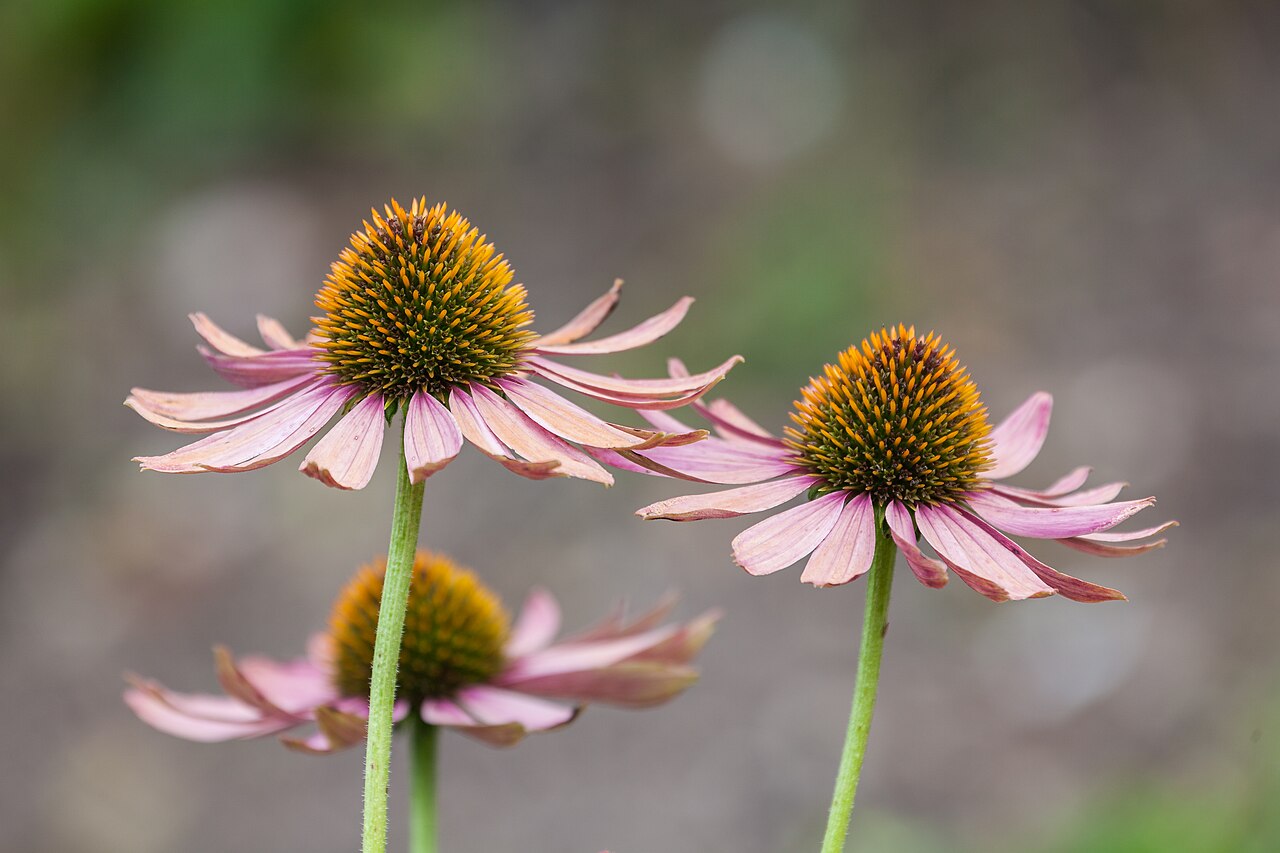
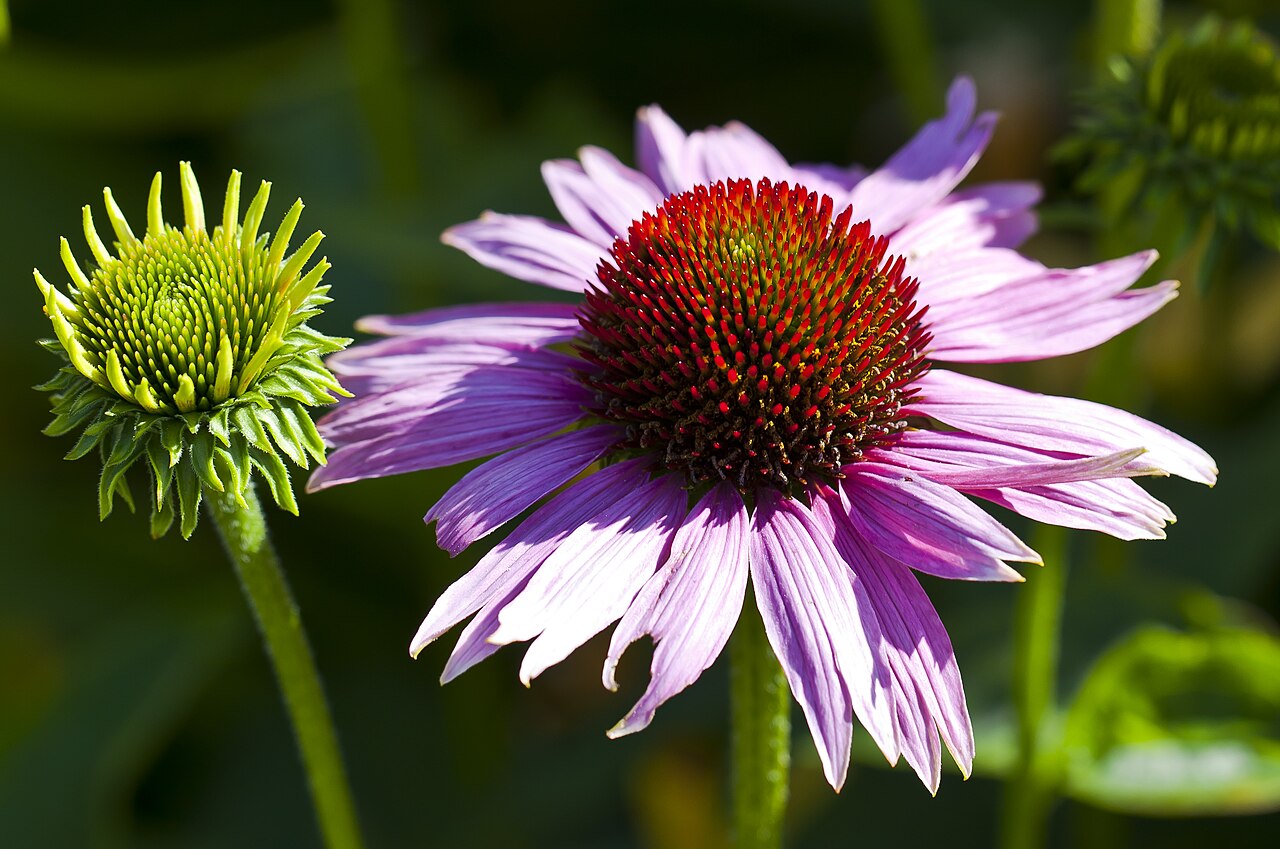
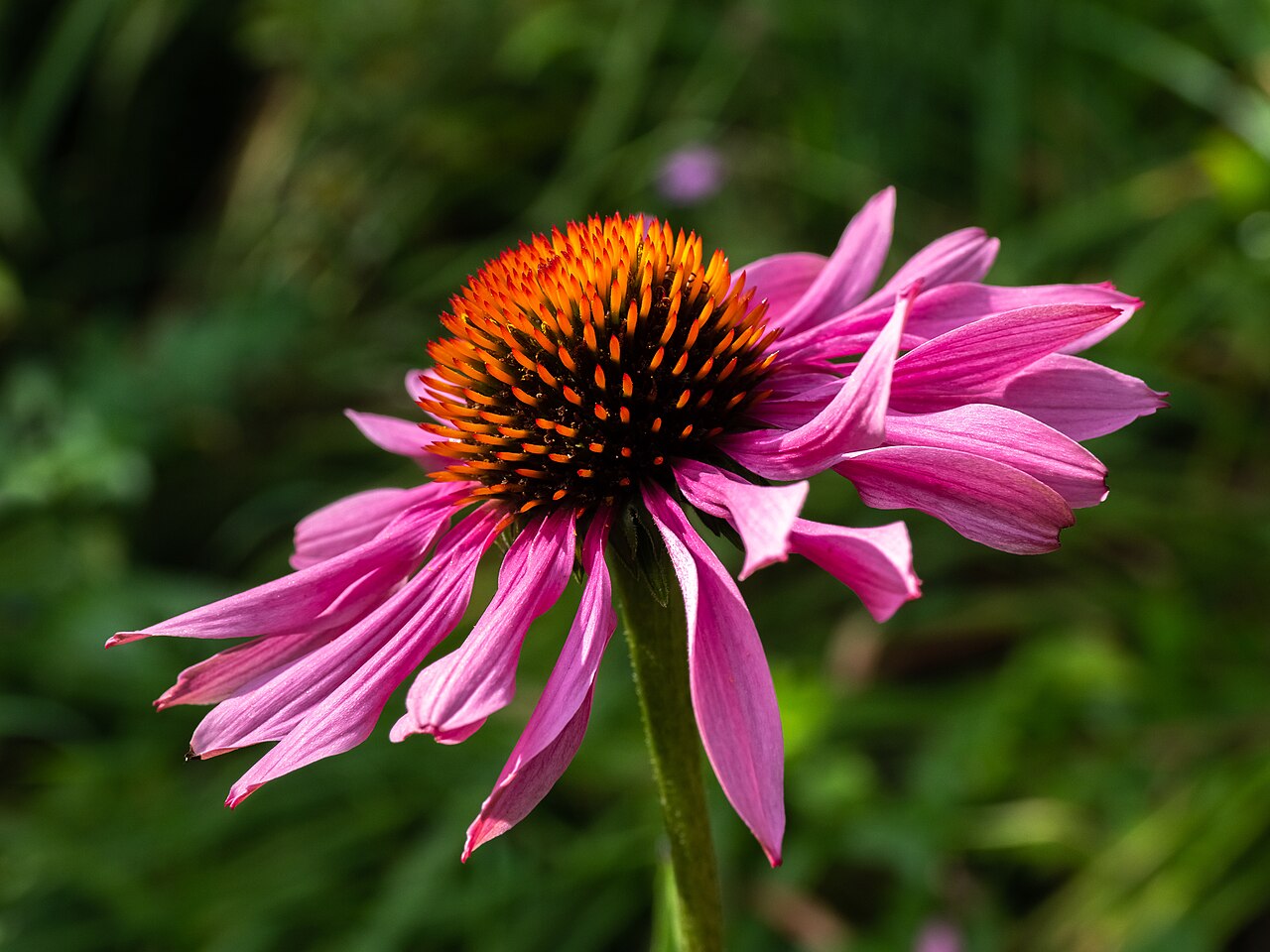
Cheyenne Spirit broke the coneflower color rule. For decades, purple coneflower meant purple — with white as the daring exception. Cheyenne Spirit is a seed-grown mix of Echinacea hybrids in red, orange, yellow, pink, cream, and white, all blooming the first year from seed, and it won an All-America Selections award in 2013 for pulling off a whole meadow’s palette from one packet. No two plants are quite alike, which is either the charm or the chaos, depending on your temperament.
In Florida, Cheyenne Spirit behaves like its purpurea cousins: a North and Central perennial, a long-season performer further south, happiest in full sun to part shade in well-drained soil. Because it is seed-grown, individual plants vary in height and exact shade — plant a drift of them and let the mix do what mixes do.
How to grow
Sow seed indoors 8 to 10 weeks before last frost, or set out transplants in spring; Cheyenne Spirit flowers the first year either way. Space 18 to 24 inches apart in well-drained soil. Deadhead for rebloom through summer, or leave heads for the birds — goldfinches treat coneflower seed heads like a buffet. Note the honest seed caveat: because this is a hybrid mix, seed saved from your plants will not reliably repeat the same colors.
Florida soil is the plot twist: sugar sand drains fast, holds almost no nutrients (low cation exchange capacity, or CEC — the soil’s ability to hold onto positively charged nutrients like potassium and calcium), and dries to dust between summer storms. Work compost or worm castings into the bed before planting: castings hold water and nutrients in the root zone without burning roots, and they feed the microbes that make those nutrients plant-available. Mulch thickly; bare sand is a weed invitation and a moisture leak.
Water & feeding
Water deeply to establish, then about an inch a week in dry spells; established plants are drought-tough but bloom smaller when thirsty. Drainage is the Florida priority: soggy soil rots crowns fast, while lean, dry soil suits coneflowers fine. Feed lightly with a spring top-dressing of compost or castings; heavy fertilizer grows floppy stems with fewer flowers.
Common problems
- Crown rot in soggy soil: the Florida coneflower killer — drain well and plant high.
- Powdery mildew in humid shade: sun and airflow are the prevention, not sprays.
- Aster yellows (phytoplasma): distorted green flowers mean pull and destroy; leafhoppers spread it and there is no cure.
- Color surprises from saved seed: hybrid mixes do not come true, so buy fresh seed for the same palette.
Harvest
Cut fully open flowers for bouquets — the mixed colors make a bunch that looks arranged before you arrange it. Deadhead through summer for more bloom, and leave the final flush standing for goldfinches. Roots for herbal use come only from mature plants, and only from plants you can spare — never harvest a first-year plant’s root.
Browse all plant & pest guides
Saving seeds
Cheyenne Spirit is a hybrid mix, so seed saved from it won’t reliably repeat the same colours — buy fresh seed each season. The Saving seeds section of the Coneflower guide covers the seed method for open-pollinated types.