
🌿 Chinook Hops
What it looks like
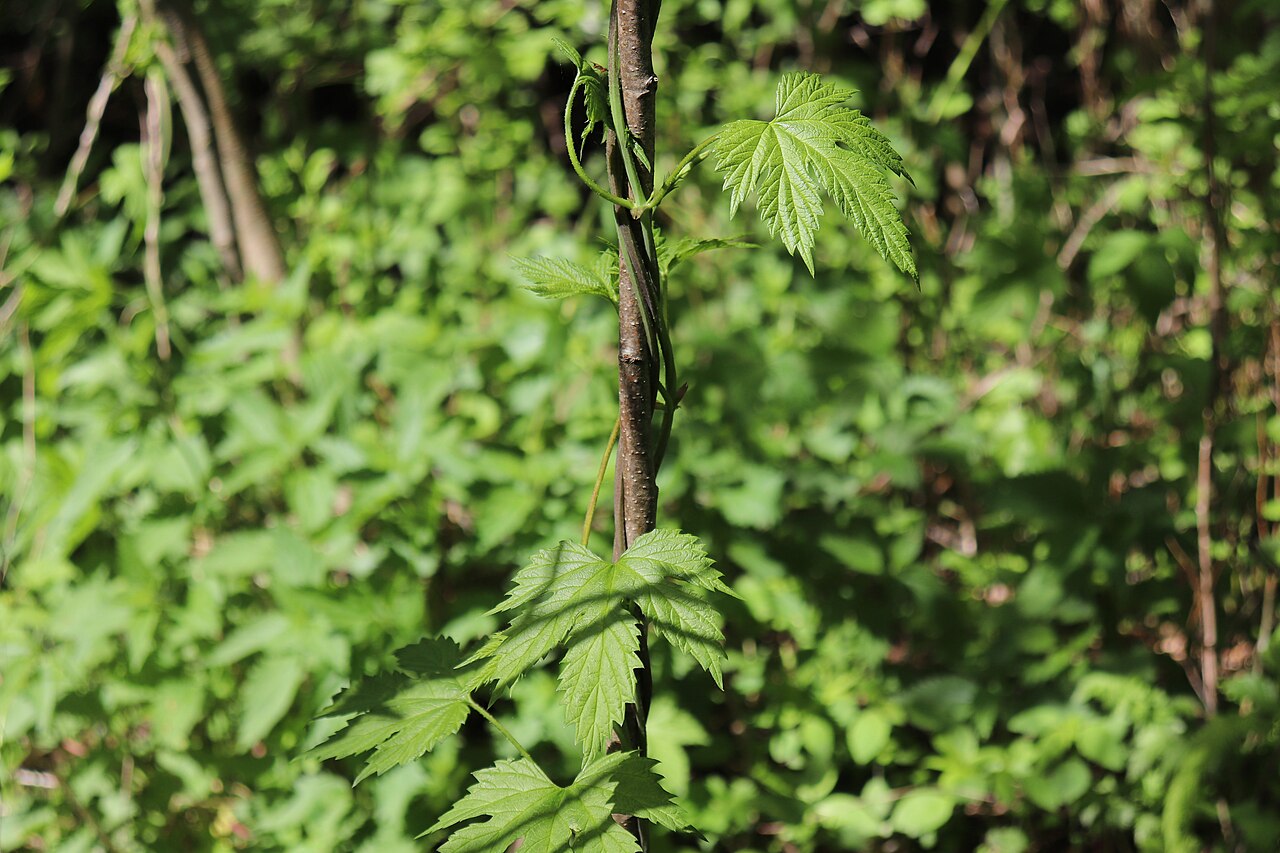
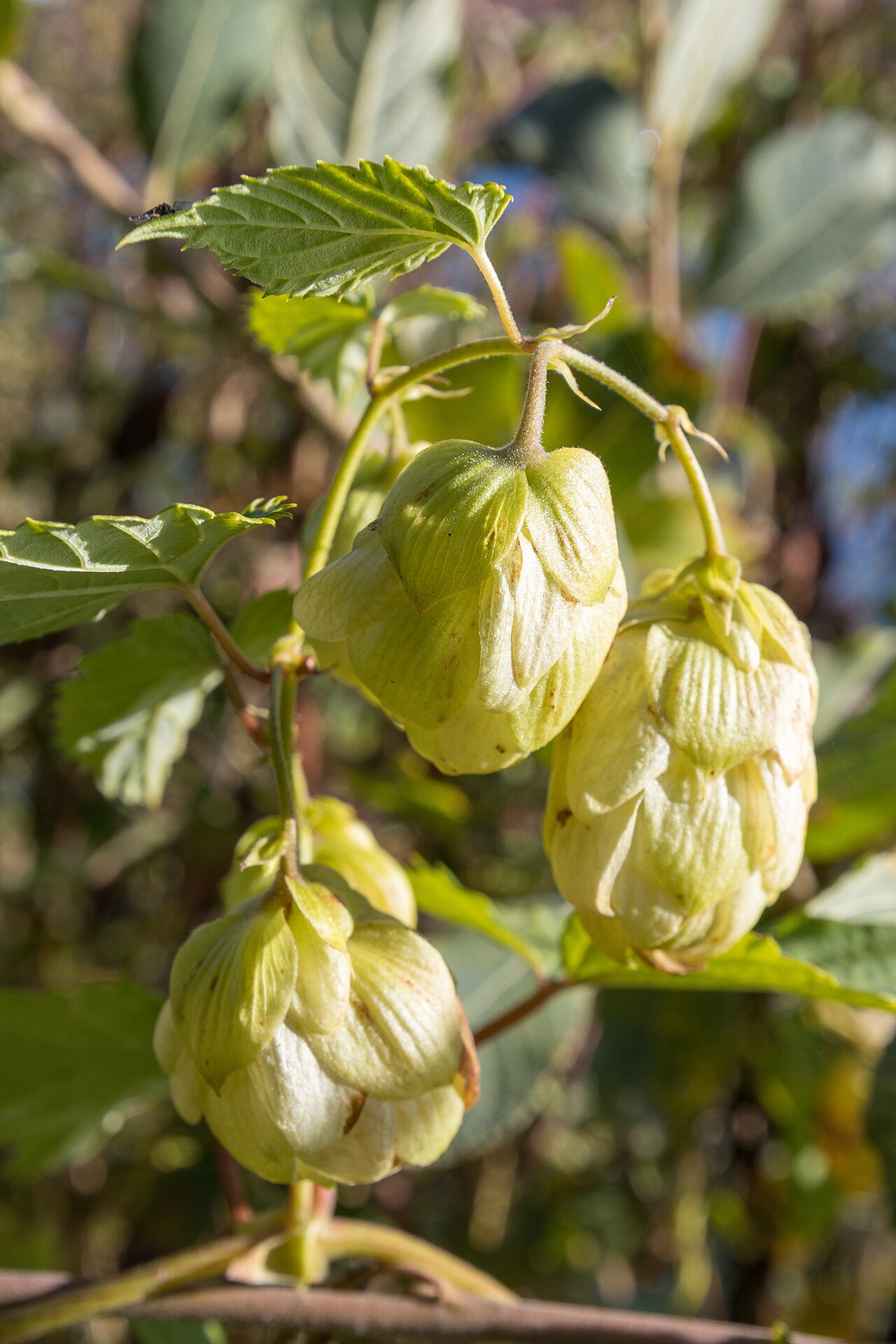
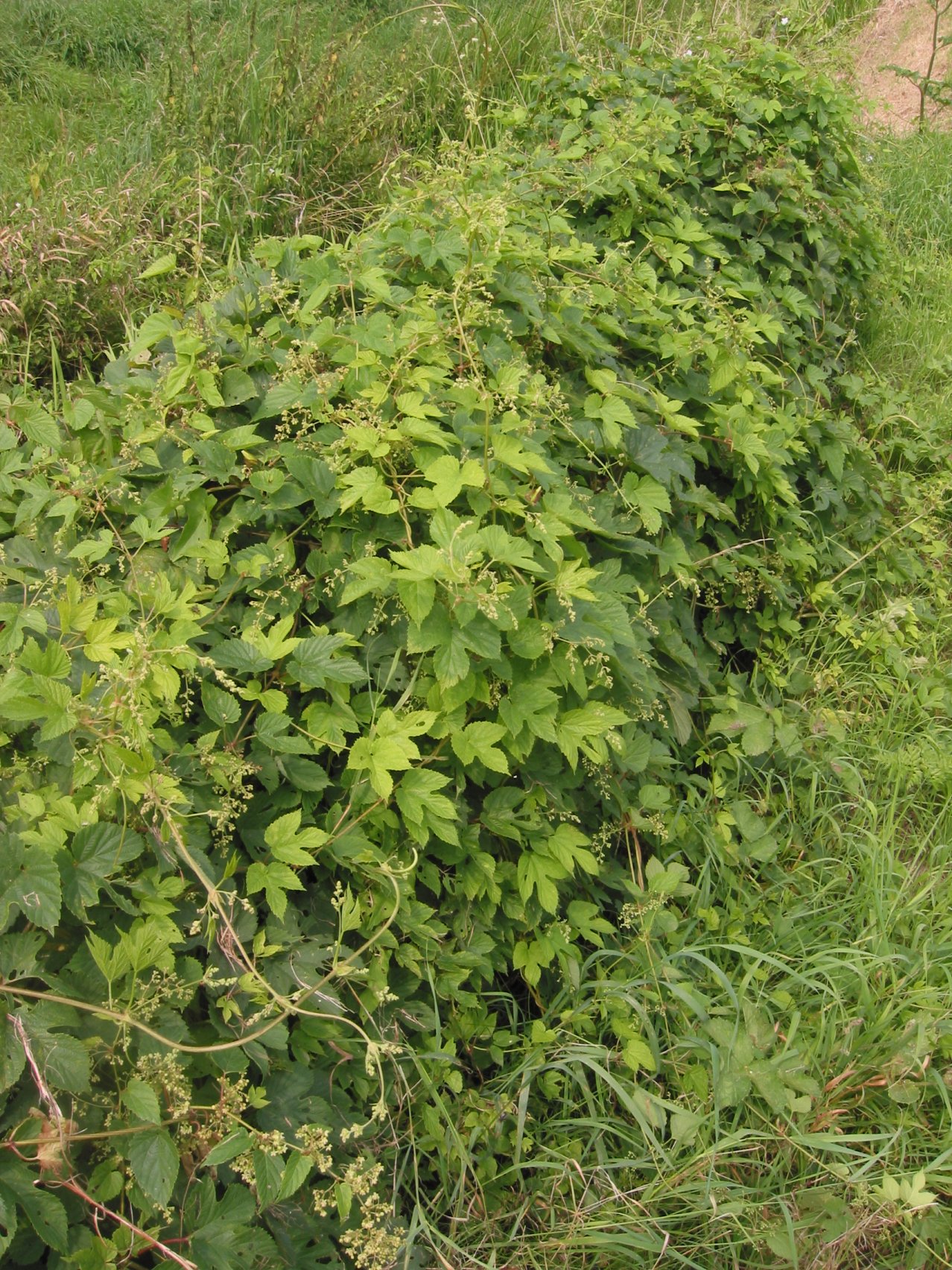
Why this variety
Chinook, released by the USDA in 1985, is the boldest of the classic American hops: pine, grapefruit, and spice character with high alpha acids, bred as a dual-purpose hop that can bitter and aroma a beer on its own. It is the hop for brewers — and growers — who like their flavors loud.
Chinook is also one of the hardiest and most disease-tolerant of the American varieties, with good resistance to some mildews and a rugged constitution that makes it a sensible choice for a home yard where spraying is not part of the plan. Vigor, yield, and toughness: the trifecta that makes a variety worth planting.
If you are new to choosing between cultivars, the Varieties Matter guide explains why the name after the plant matters as much as the plant itself. And if you want the whole clan at a glance, the broader Hops guide covers hops generally.
How to grow
In Florida, hops are an honest experiment, not a sure thing: the plant wants long summer days and a cold winter rest, and the state offers neither in abundance. Northern gardeners with a tall trellis and afternoon shade have the best shot, and even then, treat the first seasons as a trial. The vine itself is vigorous and handsome, so a failed cone harvest still leaves you with a spectacular green screen.
Grow it like other hops: female rhizomes in spring, strong trellis, 2–3 bines per string, deep water, and compost. Chinook’s cones mature a little later than Cascade’s, so in a short season, give it the sunniest spot and do not be surprised if harvest runs into early fall.
Water & feeding
Hops are thirsty once they are running — a vine growing inches a day is moving a lot of water. Water deeply, mulch the root zone, and feed with compost through the season. Good airflow on the trellis matters more than any spray for keeping mildew at bay in humid air.
Common problems
Mildews remain a risk in humid air despite Chinook’s relative tolerance — airflow and spacing still matter. Spider mites and aphids are occasional visitors. The biggest practical problem is usually the trellis: a mature Chinook bine is heavy, and a support that held in year one may not hold in year three.
Harvest
Harvest when cones are papery and aromatic with visible lupulin, on a dry day. Dry promptly in warm, moving air out of direct sun, and store cool and airtight. Late-maturing cones should be picked before the first hard frost if they are close — a frosted cone is a lost cone.
Nerdy fact: Chinook takes its name from the Chinook salmon and the Chinook winds of the Pacific Northwest — a hop named for a region that, like the hop itself, is known for being big, bold, and impossible to ignore.
Saving seeds
Chinook is a named hop variety, so seed isn’t the way to keep it — buy named female rhizomes instead. The Propagation section of the Hops guide covers how the species is propagated.