
🍐 Chojuro Asian Pear
What it looks like
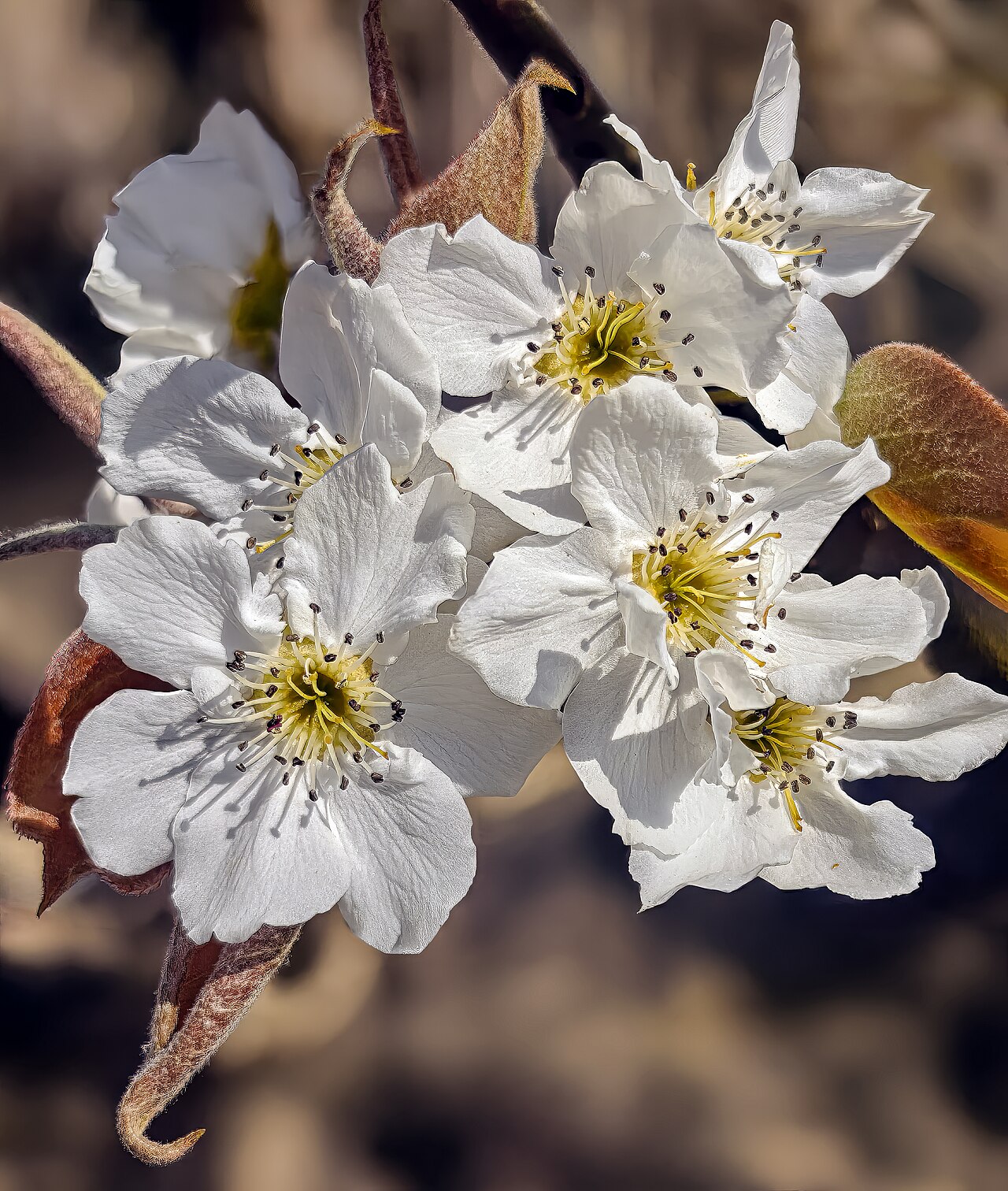
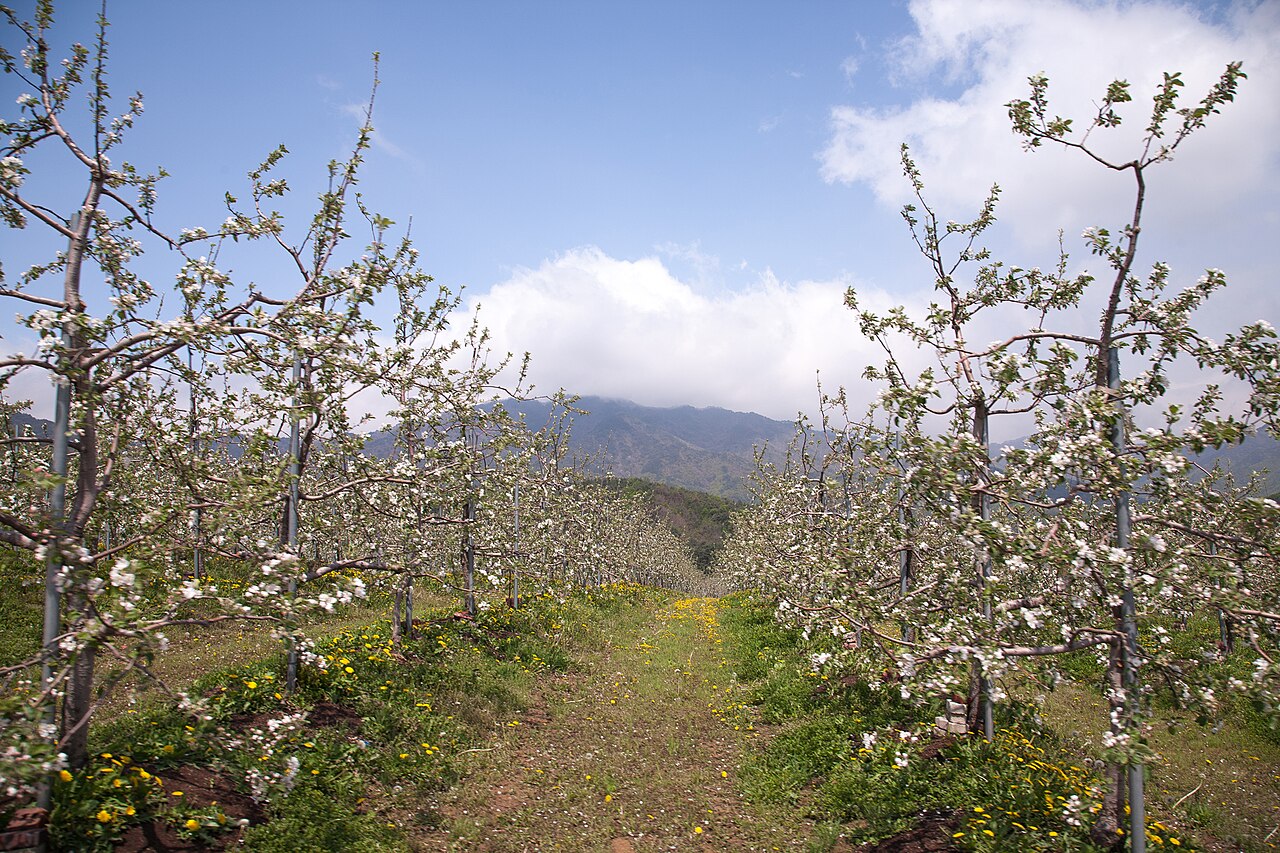
Why this variety
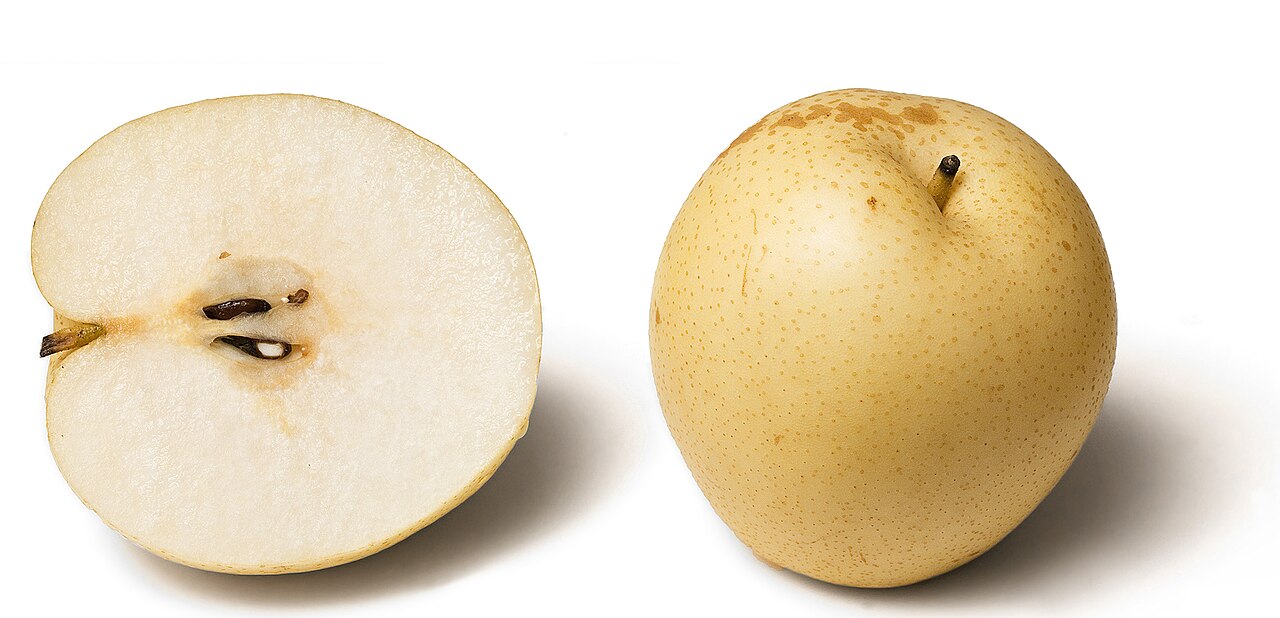
Chojuro is the Asian pear connoisseurs argue about: a russeted, bronze-skinned variety with dense, juicy flesh and a flavor people describe as butterscotch, rum, or caramel — richer and more aromatic than the clean, watery sweetness of Shinseiki. It ripens mid- to late season, stores well, and eats crisp straight off the tree, like all Asian pears — no counter-ripening roulette, no rock-hard-to-mush window.
Chojuro needs more winter chill than low-chill types — roughly 450 hours — which is why this guide is honest about geography: in Florida, Chojuro is a North Florida tree, not a statewide one. Plant it where winters actually deliver chill, pair it with a compatible pollinizer that blooms at the same time, and thin clusters to one or two fruit per spur — unthinned Chojuro fruit stays small, and small Chojuro is a wasted opportunity.
Florida note: North Florida only, and even there plant in the coldest part of the yard and do not expect South or Central Florida crops. If you are south of the chill line, Kosui and other lower-chill types are the honest alternatives — this guide would rather lose a sale than promise a pear that never fruits.
For the species as a whole, see the Asian Pear growing guide.
How to grow
Asian pears solve the European pear’s most annoying trait: they ripen on the tree and are eaten crisp, so there is no guessing game about chilling, counter-ripening, and the narrow window between rock-hard and mush. Plant dormant bare-root trees in late winter, prune to an open center or modified central leader, and thin clusters to one or two fruit per spur — unthinned Asian pears are small and forgettable, thinned ones are the size of softballs and worth the wait. Most Asian pears need a different Asian pear variety (or a compatible European pear) nearby for cross-pollination — a single tree alone often fruits poorly — so plant two compatible varieties that bloom together.
Plant a dormant bare-root tree in late winter with a compatible pollinizer nearby, thin ruthlessly, and water deeply through fruit sizing — Chojuro drops fruit in drought.
Water & feeding
Deep, consistent watering through fruit sizing; Asian pears are thirstier than European pears and drop fruit in drought. Mulch the root zone and keep grass away from the trunk. Feed in spring; avoid heavy late-summer nitrogen that pushes soft growth into cold season.
Common problems
- Fire blight — blackened, scorched shoot tips; prune well below the damage in dry weather and disinfect tools between cuts.
- Pollination failure from a lone tree — plant two compatible varieties that bloom together.
- Fruit size disappointment without thinning — thin early and ruthlessly.
- Codling moth and pear psylla in some regions — bagging fruit and encouraging beneficial insects help.
Harvest
Pick when fruit is full-sized, well-colored bronze, and separates with a gentle lift — then taste one: crisp, juicy, and butterscotch-sweet means go. Unlike European pears, Asian pears do not improve off the tree, so pick ripe and eat or store refrigerated for weeks.
Browse all plant & pest guides
Saving seeds
Chojuro is a named cultivar, so seed saved from it won’t come true — buy a grafted tree instead. The Saving seeds section of the Asian Pear guide covers seed for the straight species.