
🍐 Asian Pear
What it looks like
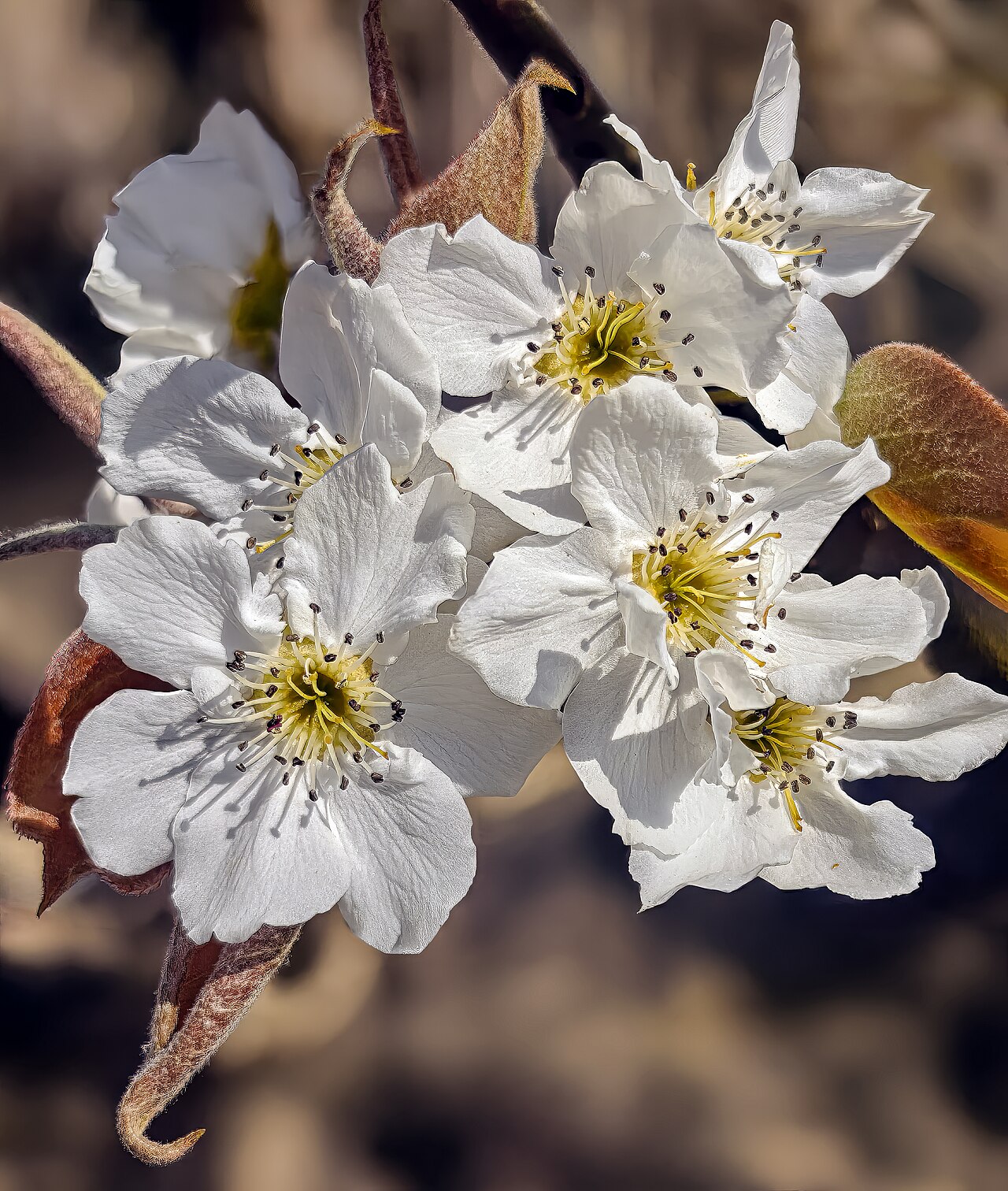
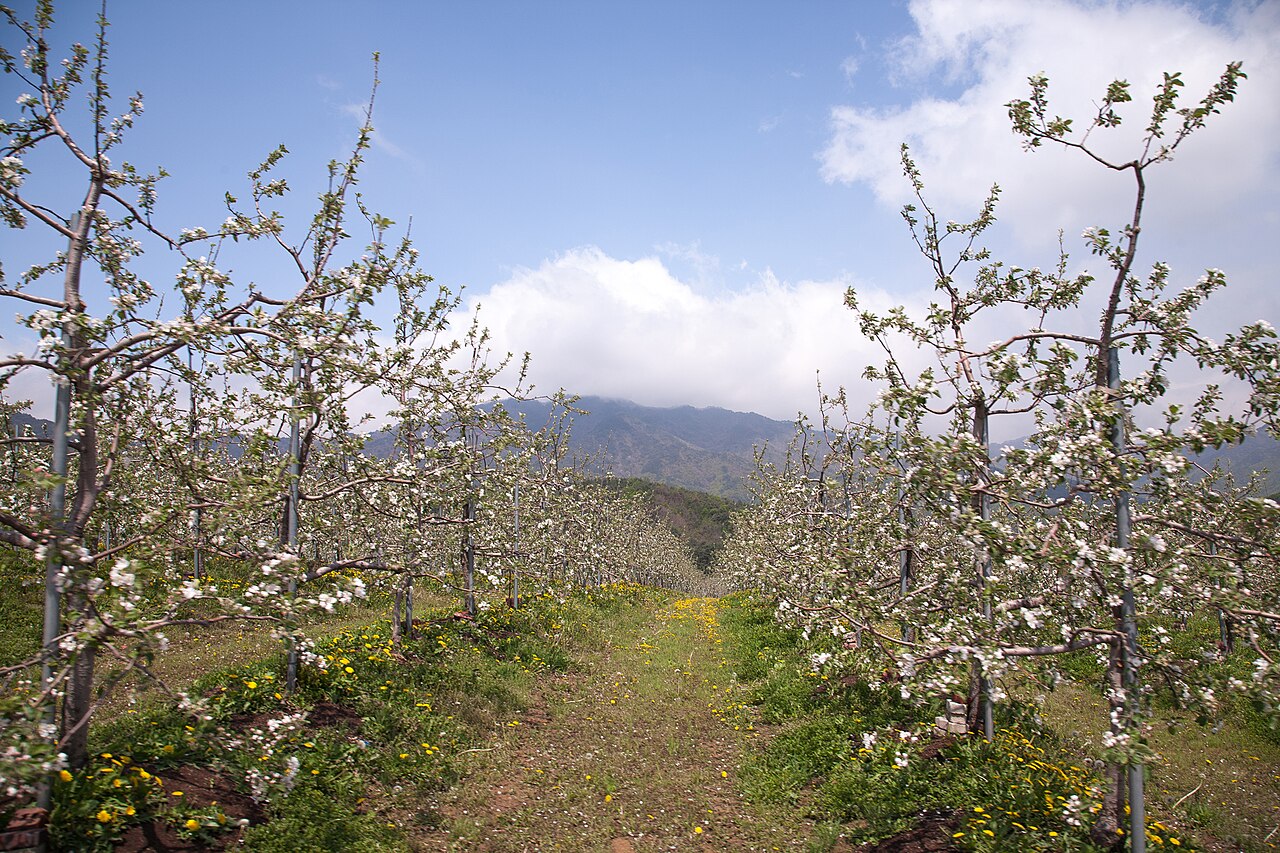
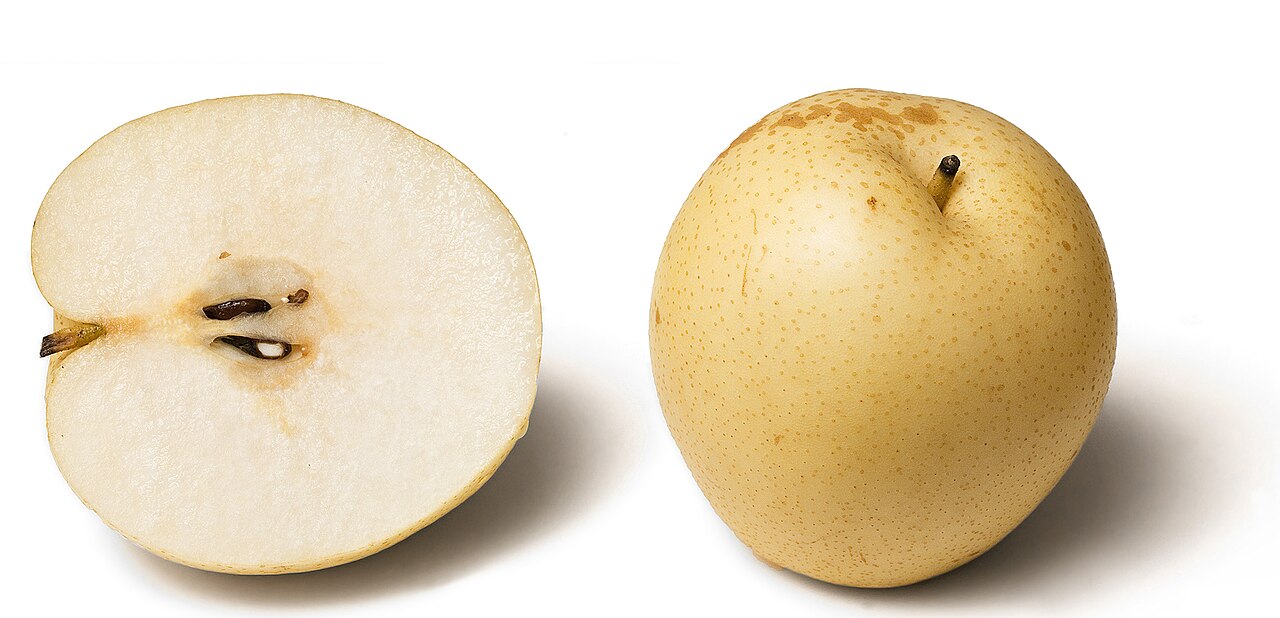
How to grow
Asian pears solve the European pear’s most annoying trait: they ripen on the tree and are eaten crisp, so there is no guessing game about chilling, counter-ripening, and the narrow window between rock-hard and mush. ‘Shinseiki’, ‘Hosui’, and ’20th Century’ are reliable varieties; note that most Asian pears need a different Asian pear variety (or a compatible European pear) nearby for cross-pollination — a single tree alone often fruits poorly. Plant dormant bare-root trees in late winter, prune to an open center or modified central leader, and thin clusters to one or two fruit per spur — unthinned Asian pears are small and forgettable, thinned ones are the size of softballs and worth the wait.
Water & feeding
Deep, consistent watering through fruit sizing; Asian pears are thirstier than European pears and drop fruit in drought. Mulch the root zone and keep grass away from the trunk. Feed in spring; avoid heavy late-summer nitrogen that pushes soft growth.
Common problems
- Fire blight — blackened, scorched shoot tips; prune well below the damage in dry weather and disinfect tools between cuts
- Pollination failure from a lone tree — plant two compatible varieties that bloom together
- Fruit size disappointment without thinning — thin early and ruthlessly
- Codling moth and pear psylla in some regions — bagging fruit and encouraging beneficial insects help
Harvest
Pick when the fruit is full-sized, well-colored, and separates with a gentle lift — then taste one: crisp, juicy, and sweet means go. Unlike European pears, Asian pears do not improve off the tree, so pick ripe and eat or store refrigerated for weeks.
Browse all plant & pest guides
Saving seeds
Here is the honest deal with Asian pear seeds: saving them is easy, but growing them is a lottery ticket, and you should buy that ticket with your eyes open. An Asian pear (Pyrus pyrifolia) grown from seed will almost certainly not taste like the pear it came from. Pears are outcrossers, so every seed is a genetic remix of its two parents, and the tree that grows up may give you fruit that is smaller, grittier, later, or just plain different. If you want another Hosui that tastes like Hosui, that is a grafting job, not a seed job — a cutting of the variety you love joined onto a rootstock. Seed-grown trees still have real uses, though: they make fine rootstocks to graft onto later, they make fine experiment trees if you have the space and the patience, and they are a wonderful way to watch a fruit tree grow from scratch.
Start with a fully ripe fruit from a healthy tree, and scoop out the seeds. Rinse off every trace of pulp, because pulp left on the seed invites mold in storage, and pick out the plump, dark seeds, discarding any that are pale, shriveled, or cracked. Dry them just briefly on a paper towel — you are cleaning them, not storing them bone-dry for years — and then give them the winter they are waiting for. Asian pear seeds need a cold, moist stratification period before they will germinate, and this is one spot where published advice genuinely disagrees: some sources say roughly two to three months in the refrigerator, others say three to four. The safe, honest version is to plan on a long fridge nap of roughly two to four months, tucked in barely damp paper towel or damp sand inside a sealed bag, and to check the bag every few weeks to make sure the medium is still moist but never soggy or moldy.
When the cold time is up, sow the seeds shallowly — about a quarter to a half inch deep — in pots of well-draining potting mix, keep them evenly moist, and give them warmth and light. Germination can take several weeks, so do not declare them dead too soon. Grow the seedlings on in pots until they are sturdy, then plant them out after danger of frost has passed, and settle in: a seedling tree takes several years to fruit, longer than a grafted nursery tree, and the first crop is the moment of truth. If it is wonderful, you have just bred yourself a brand-new pear. If it is not, you have a perfectly good rootstock waiting for a graft, which is a very gardener-like consolation prize. In Florida, dry any seed you plan to keep thoroughly and store it airtight with a desiccant in a cool, dark place, because humidity is the enemy of stored seed — but remember that Asian pear seed is not really a long-storage seed. Stratify and sow it in its first season rather than keeping it in a drawer for years, and note that named varieties will not grow true from seed, while an open-pollinated seedling is always a surprise, never a copy.
Varieties
Every named variety of Asian Pear with its own growing guide:
- Hosui Asian Pear — The bronze, russeted Asian pear with butterscotch sweetness: crisp, juicy, and ready to eat the second you pick it.
- Shinseiki Asian Pear — The yellow, early, easy Asian pear — also sold as 20th Century — sweet, crisp, and the classic pollinizer partner.
- Chojuro Asian Pear — The russeted butterscotch pear: bronze, aromatic, rum-sweet — the Asian pear for flavor obsessives.
- Kosui Asian Pear — The early, low-chill Asian pear: sweet, juicy, yellow-green fruit — the Asian pear for warmer gardens.