
🍐 Hosui Asian Pear
What it looks like
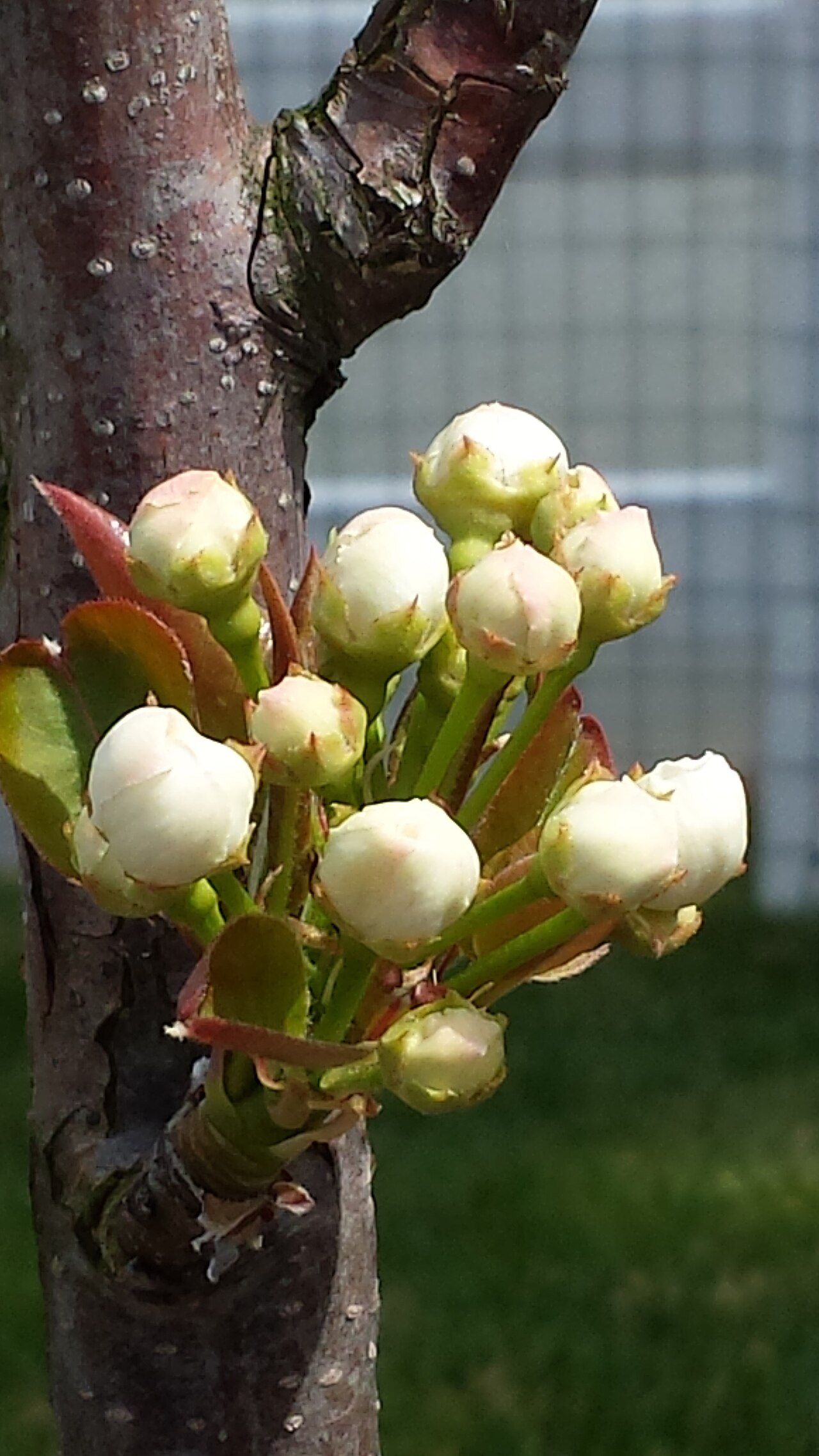
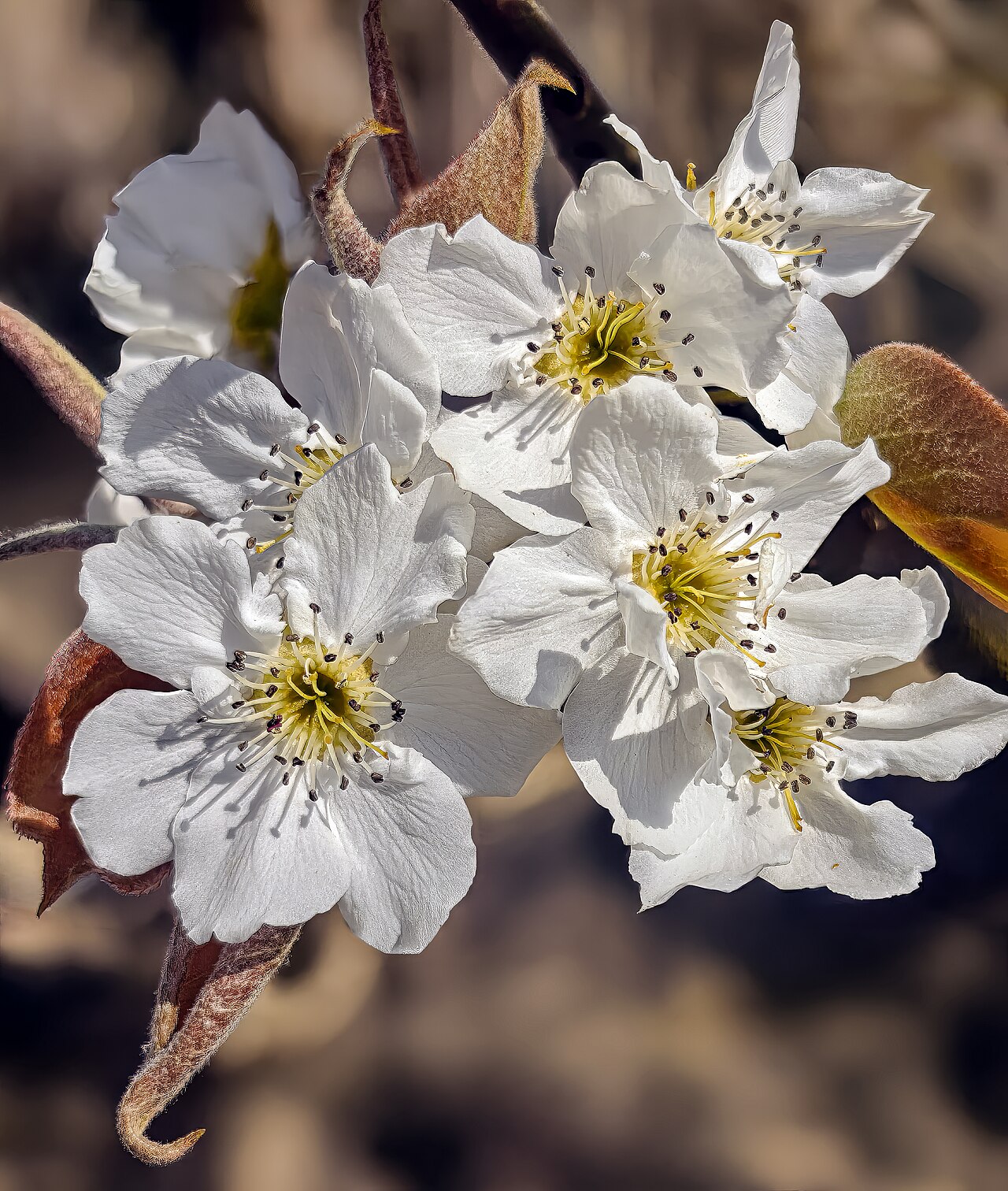
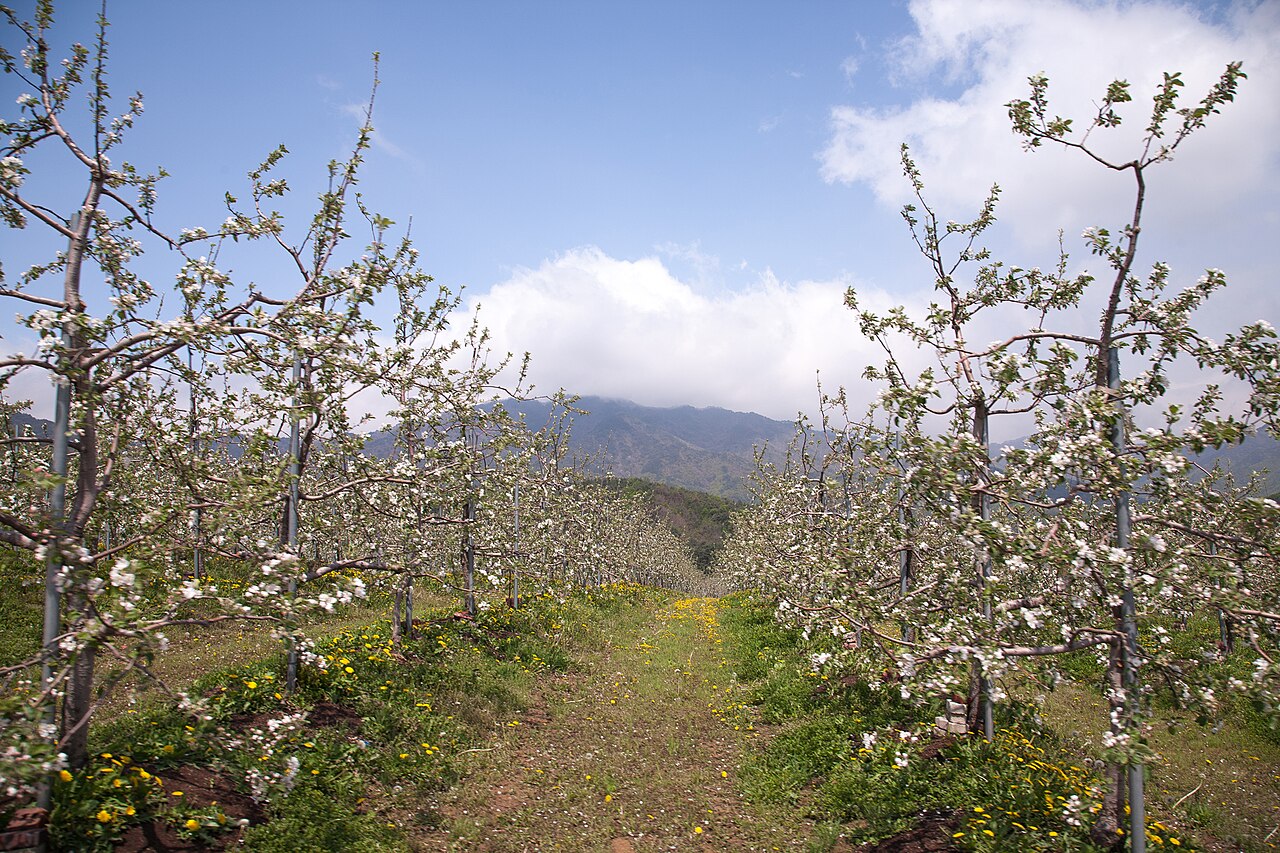
Why this variety
Hosui is the Asian pear that converts skeptics. The fruit is round, bronze-russeted, and famously juicy — bite into one and you understand why Asian pears are described as crisp like an apple and juicy like a pear, because Hosui is both at once, with a rich, almost butterscotch sweetness underneath the crunch. It ripens on the tree and is eaten crisp, which solves the European pear’s most annoying trait: no guessing about counter-ripening, no narrow window between rock-hard and mush.
Hosui is also one of the more widely planted Asian pears for a reason beyond flavor: it is productive, reasonably disease-tolerant for a pear, and its fruit stores well for weeks under refrigeration. If you plant one Asian pear, Hosui is the usual first recommendation, and it is usual because it works.
Bronze, russeted, round fruit with rich, sweet, juicy flesh. Crisp when ripe — pick and eat. Needs a different Asian pear variety nearby for pollination.
How to grow
Plant in full sun in fertile, well-drained soil and train to a central leader or open vase. Asian pears fruit on spurs and benefit from annual thinning — thin clusters to one fruit so the rest size up and the tree does not exhaust itself in alternate-bearing cycles.
Plant in full sun in fertile, well-drained soil and train to a central leader or open vase. Pome fruits fruit on spurs, so annual pruning should preserve spur wood while removing crossing, dead, and overly vigorous upright growth. A pollinizer partner blooming at the same time improves crops for most varieties — plan the pair at planting, not after a fruitless year.
Florida framing, stated plainly: Asian pears are among the more plausible pome fruits for North Florida trials, and Hosui is a reasonable candidate there — but it is still a trial, not a Florida staple. It needs some winter chill, and fire blight, which thrives in warm, humid springs, is the real Florida enemy of pears. Plant in North Florida with full sun and airflow, choose a site that dries quickly after rain, and prune out any fire-blight strikes promptly. Central and South Florida should not expect reliable crops.
Water & feeding
Water young trees deeply through establishment, then consistently through fruit sizing — drought during sizing gives small, hard fruit. Mulch to hold moisture and suppress grass competition, which is fiercer than it looks: grass roots steal water and nutrients from young fruit trees with impressive efficiency. Feed with castings at planting and a balanced organic feed in spring.
Common problems
- Fire blight — the serious bacterial disease of pears and related trees, worst in warm, humid springs. Prune strikes well below visible damage in dry weather, disinfect tools between cuts, and remove prunings off-site.
- Scab and other fungal leaf and fruit spots — worst in wet springs. Prune for airflow, clean up fallen leaves, and choose resistant varieties where possible.
- Codling moth and fruit pests — fruit with frass at the entry hole is the sign. Thin fruit, clean up drops, and use traps or barriers rather than broad sprays that kill beneficial insects.
- Birds — especially for small, colorful fruit. Net before ripening if the crop matters to you.
- Biennial bearing — a huge crop one year can mean a tiny one the next. Thin fruit clusters to one per spur to even out production.
Harvest
Pick at the variety’s ripe stage — crisp pome fruit is picked crisp, soft fruit is picked firm and ripened or bletted after picking, and confusing the two ruins both. Taste and texture, not color alone, are the test. Store sound fruit cool, and process damaged or surplus fruit promptly into sauce, jelly, or dried slices.
Browse all plant & pest guides
Saving seeds
Hosui is the Asian pear that converts skeptics, round and bronze-russeted with rich, almost butterscotch sweetness, and it is planted as a grafted nursery tree — a seedling won’t hold the crisp, juicy fruit, and it needs a pollinizer partner blooming at the same time. The Saving seeds section of the Asian Pear guide covers seed for the species generally.