
🍈 Colossal Pepino Melon
What it looks like
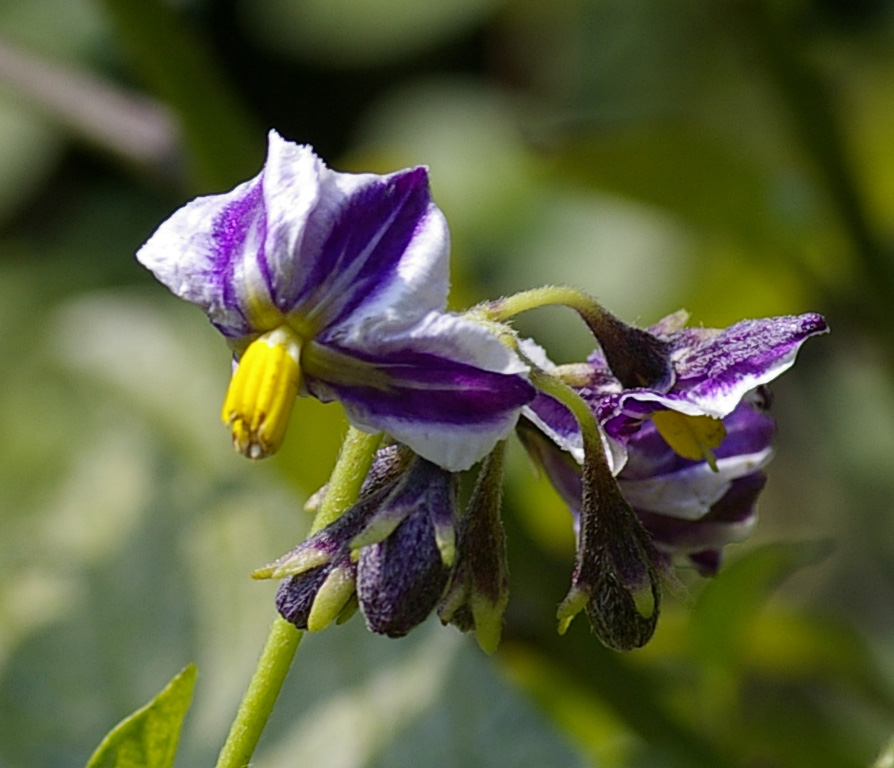
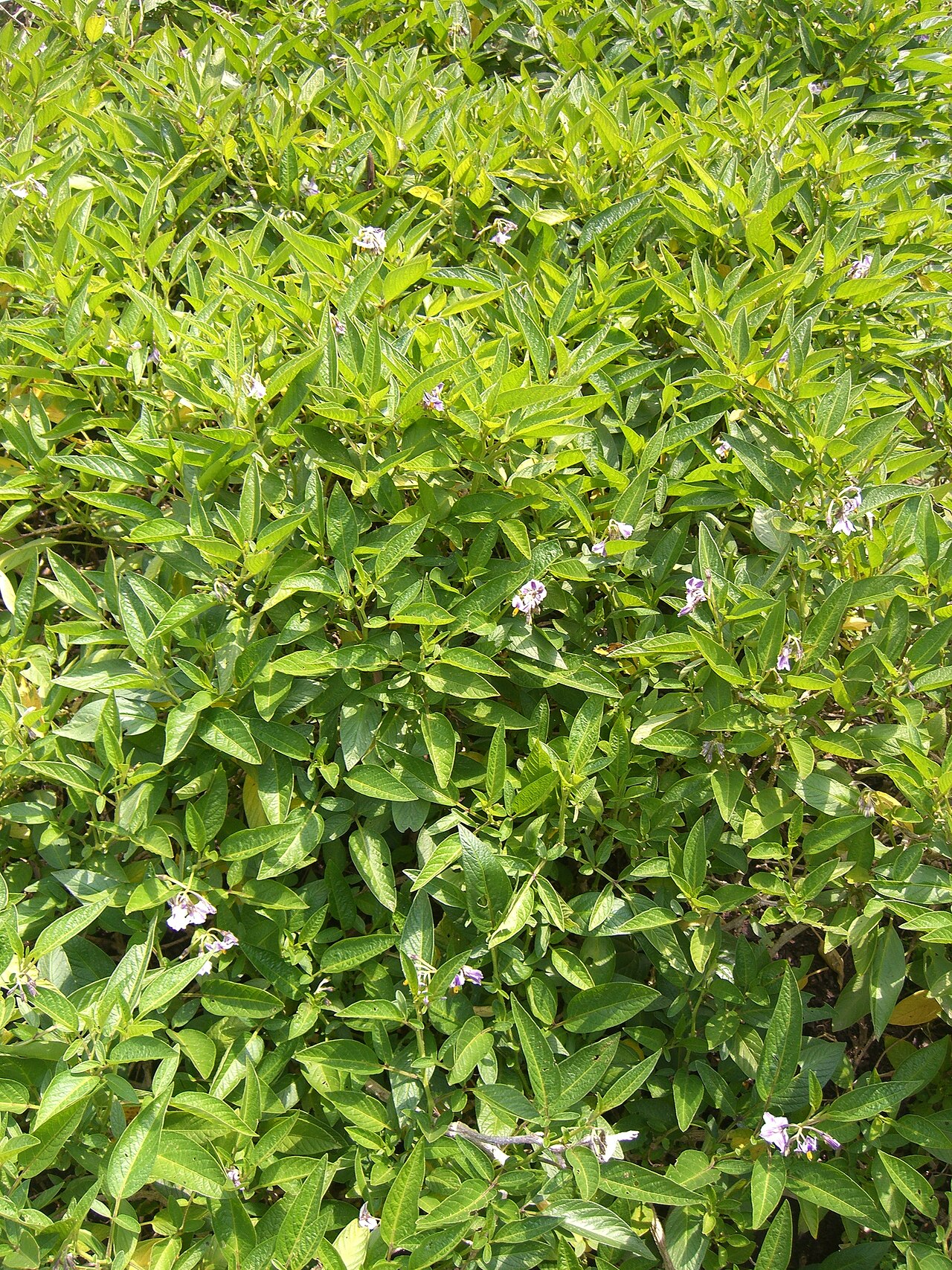
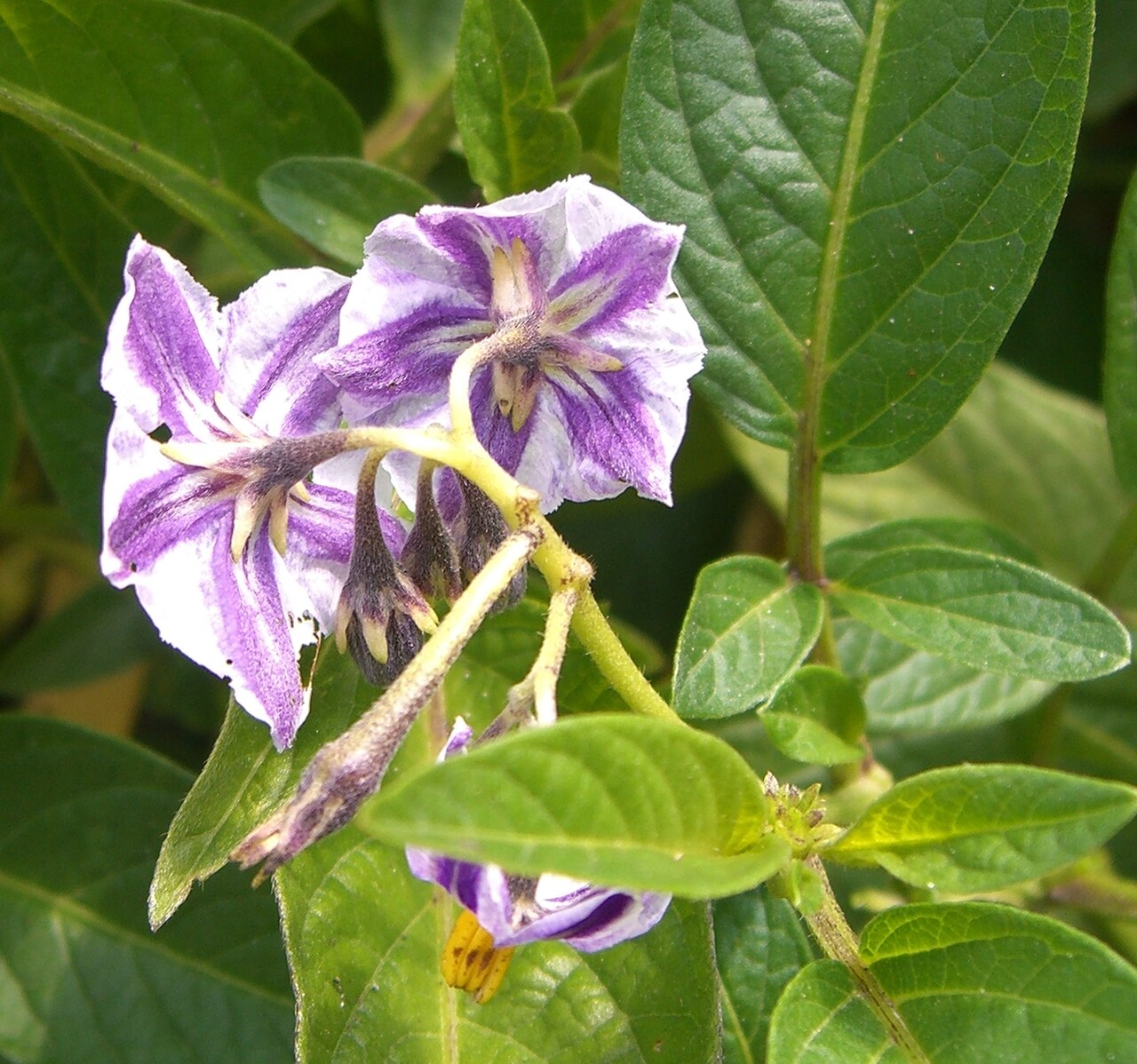
Why this variety
Colossal is the pepino for gardeners who looked at El Camino and thought, bigger: very large fruit, mostly cream-colored with light markings of purple, very juicy and sweet, free of the soapy aftertaste that mars poor pepino varieties, with a good melon-like flavor especially when vine-ripened. It is a cross of Rio Bamba and a South American seedling, upright and fairly compact for a pepino, vigorous, self-fertile, and heavy-yielding, with bright green leaves and fruit that can reach 6 inches long. If you want pepino as a conversation piece — a fruit the size of a small melon on a shrub — Colossal is the one to plant.
The trade-off is the same as all pepino, scaled up: large fruit needs steady water, mild weather, and patience, and it bruises easily, so pick carefully and eat promptly. Give Colossal afternoon shade in hot zones, steady water through fruit swell, and a sturdy stake, because a shrub loaded with giant fruit flops without support. Do not pick green and hope it ripens sweet — pepino ripens best on the plant, and a Colossal picked early is a Colossal wasted. Wait for full color, full fragrance, and a slight softness, and the giant earns its name.
If you are new to choosing between cultivars, the Varieties Matter guide explains why the name after the plant matters as much as the plant itself. Colossal is a perfect example: it is not just a pepino melon in the abstract, it is a pepino melon with a specific job, a specific history, and specific strengths.
Florida honesty: pepino is a Central and South Florida trial, and Colossal’s large fruit makes steady water and mild weather even more important in Florida heat. In Central and South Florida, give it afternoon shade, a large container or sheltered bed, and water through every dry spell, and expect the best fruit in spring and fall. In North Florida, grow it in a container and bring it under cover before frost. A giant fruit in a hot climate is a triumph, not a promise.
How to grow
Plant cuttings or nursery plants in spring, after frost danger, in full sun to part shade and well-drained, moderately rich soil — pepino is a tender Andean shrub that wants warmth without blazing heat, and it fruits best where summers are warm but not scorching. Work worm castings into the bed at planting, space for air, stake or trellis lightly, because a fruiting pepino sprawls, and mulch to hold moisture. In frost-free zones it is a perennial; where frost comes, grow it in a large container and bring it under cover before cold weather.
Set plants 2-3 feet apart in soil with a pH around 6.0-7.0. Work worm castings into the bed at planting and mulch to hold moisture. A well-fed pepino melon plant rewards that care directly: steadier growth, better bloom, and a show that actually shows up.
Water & feeding
Keep soil evenly moist through the growing season — pepino wants steady moisture while fruit swells, and it drops flowers and fruit in drought. Water at the soil line, mulch to hold moisture, and feed regularly: castings at planting plus a balanced liquid feed every couple of weeks during fruiting keeps fruit coming. In winter, reduce water for container plants kept indoors, and do not let them stand in cold, wet soil.
Common problems
- Flower and fruit drop in heat — pepino sets poorly in blazing heat; give it afternoon shade in hot zones, water steadily, and expect the best set in mild weather.
- Freeze damage — pepino dies at frost; bring containers under cover before a freeze, and treat in-ground plants in cool zones as annuals.
- Aphids, whiteflies, and spider mites on stressed plants — blast with water and encourage predators before reaching for sprays; pepino is a nightshade relative, so do not spray carelessly near tomatoes and peppers.
- Soapy or bland fruit from poor varieties or underripe picking — pick only when fully colored and fragrant, and grow a named selection, not a mystery seedling.
- Root rot in waterlogged soil — pepino wants drainage; do not plant it where rain ponds, and use a raised bed or container in heavy soil.
Harvest
Pick fruit when the skin turns fully yellow with purple striping and the fruit feels slightly soft and smells fragrant — pepino picked green stays bland, and pepino picked ripe tastes like a mild melon-cucumber cross. Eat fresh, chilled, like a melon, or slice into fruit salads; do not cook it, because heat flattens its delicate flavor. Pick regularly, because ripe fruit bruises easily on the plant, and prune lightly after harvest to keep the shrub compact for next season.
Browse all plant & pest guides
Saving seeds
Colossal is a pepino cross of Rio Bamba and a South American seedling — plant cuttings or nursery plants, not seed; seedlings won’t hold the very large, sweet fruit. The Saving seeds section of the Pepino Melon guide covers seed for the straight species.