
🍈 Pepino Melon
What it looks like
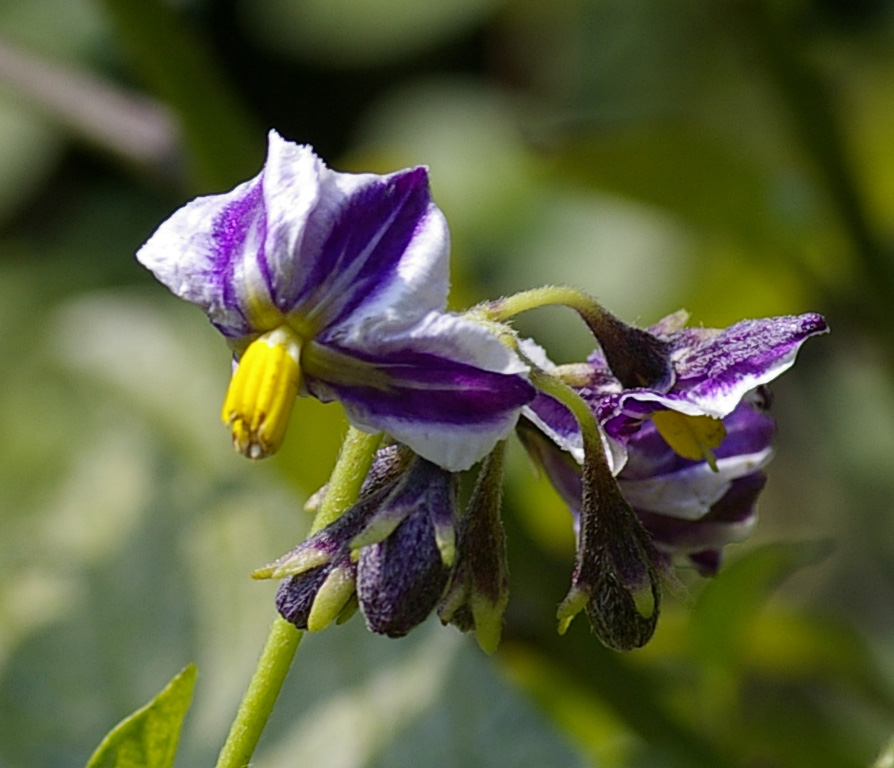
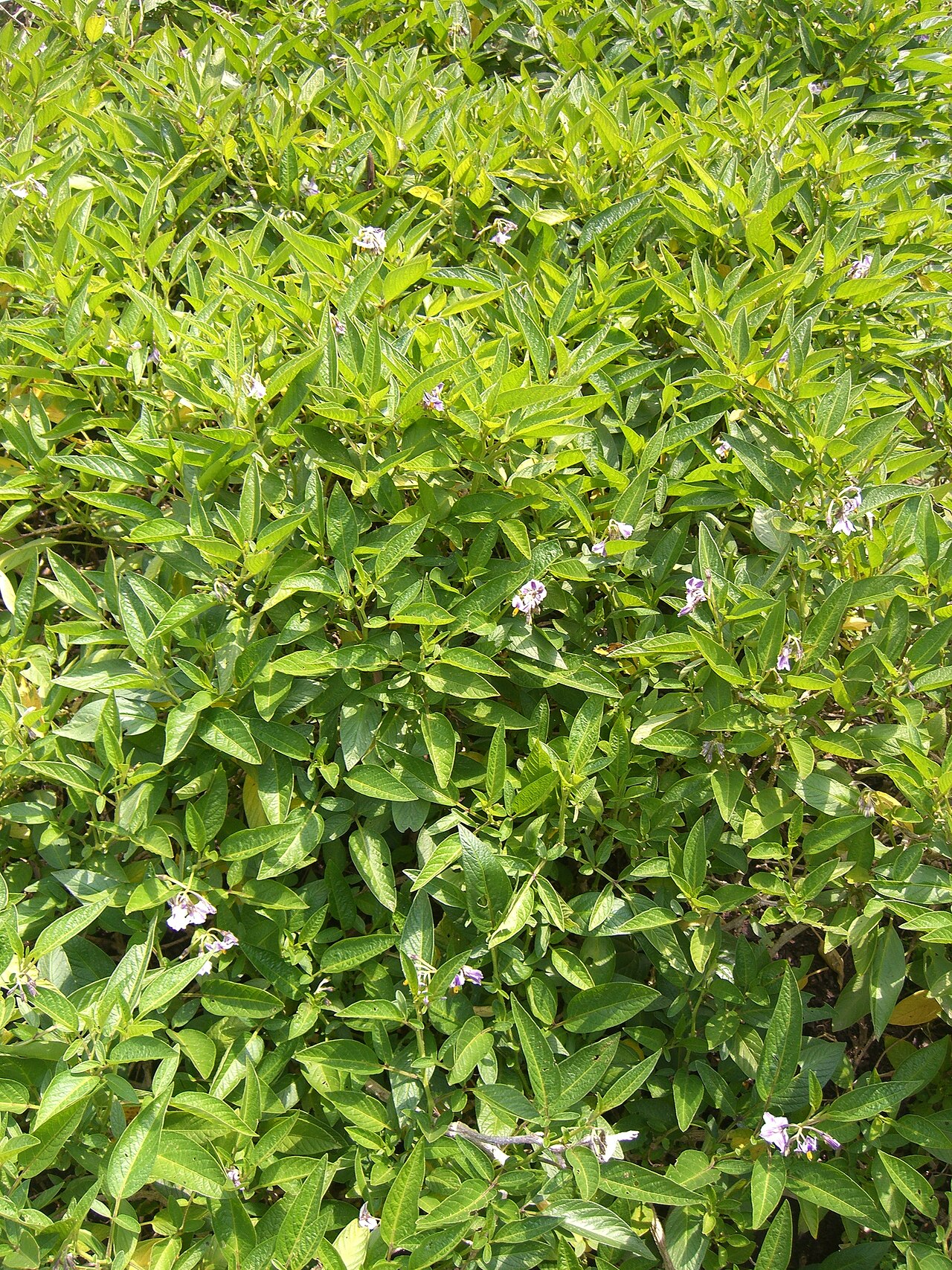
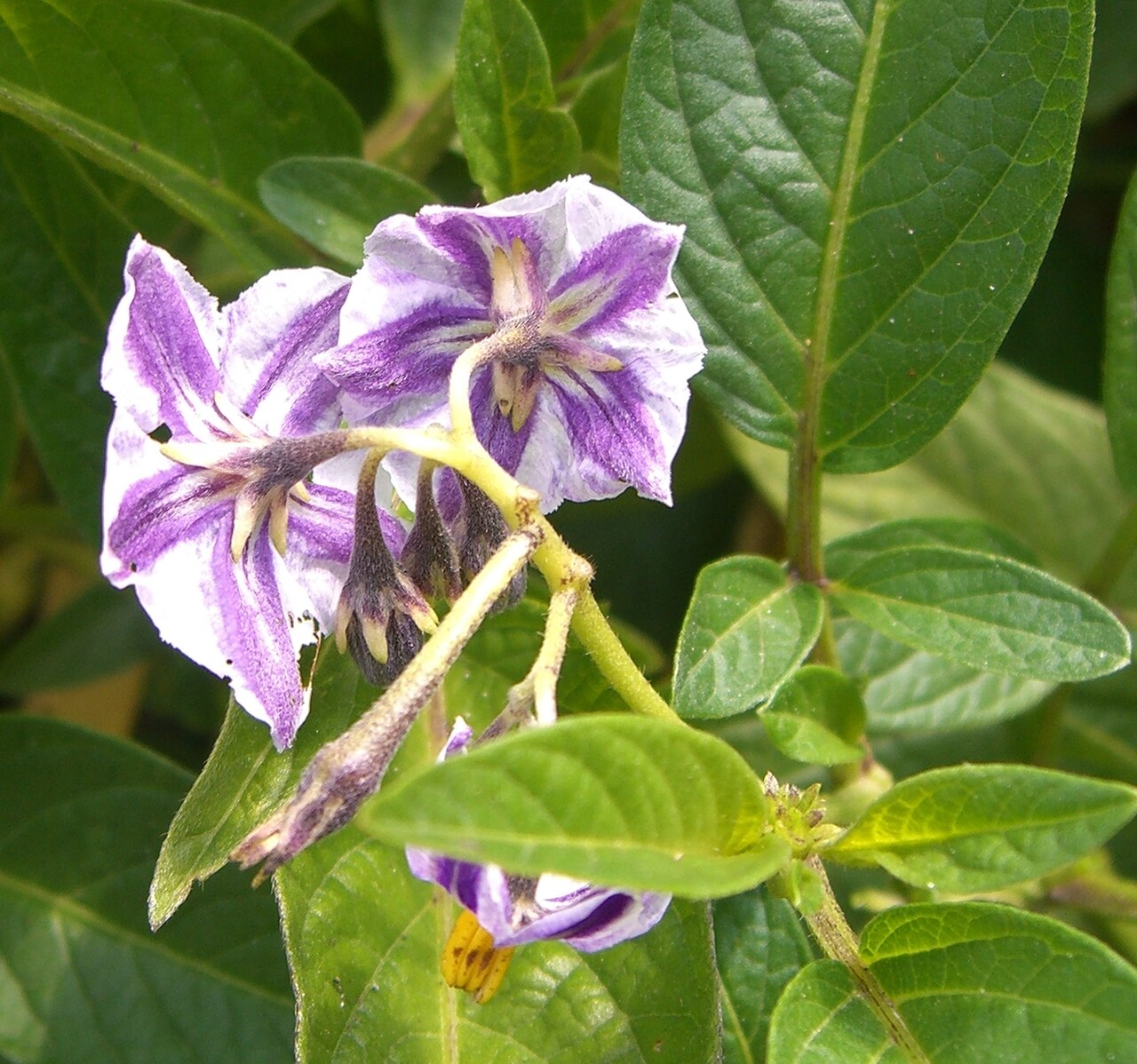
How to grow
Pepino melon, or pepino dulce, is a sprawling Andean nightshade cousin of tomato and potato that bears cream fruit striped purple, tasting like melon crossed with cucumber. Grow it in warm, frost-free weather in fertile, well-drained soil, in full sun or light afternoon shade — it sulks in hard frost and in baking heat alike. Plants are usually grown from cuttings, which fruit sooner and truer than seedlings, and they sprawl 2-3 feet tall and 4 feet wide, so a tomato cage or short trellis keeps fruit off the ground. Pepino is parthenocarpic, meaning it can set fruit without pollination, but a second plant nearby gives a heavier crop. Fruit will not set until nights stay warm, around 65°F, so patience in a cool spring is part of the deal.
Water & feeding
Water like a tomato: regularly and evenly, never letting the soil swing from soaked to bone-dry, or fruit may crack and drop. Mulch to even out moisture. Feed lightly every few weeks in the growing season with compost or a balanced fertilizer; heavy feeding makes soft growth that aphids love.
Common problems
- Frost — the first cold night ends the plant outdoors; grow in pots north of zone 9 and bring them in.
- Aphids and whiteflies — check leaf undersides and wash off with water or insecticidal soap.
- Fruit sunburn and cracking — light afternoon shade and even watering help more than any spray.
- Poor fruit set in cool nights — wait for warm nights; a sheltered, sunny wall often makes the difference.
Harvest
Pick when the fruit turns creamy yellow with purple striping and gives slightly, like a ripe melon. Peel and eat fresh, slice into salads, or blend into drinks. Overripe fruit goes soft fast, so pick often and eat promptly.
Browse all plant & pest guides
Saving seeds
Pepino melon seed sits in clusters inside the fruit, small and flat like tomato seed. Scoop the seed from a fully ripe, sweet fruit — flavor is your selection tool, so only save seed from fruit you would happily eat again — rinse off the pulp, and dry the seed on a plate out of direct sun. Seed from a named cultivar will not come true, and fruit quality varies a lot from seedling to seedling, so if you have a variety you love, take cuttings instead: they root in 2 to 3 weeks and give you an exact copy that fruits sooner.
Sow indoors in late fall or winter, because pepino seedlings grow slowly and need a long runway before they fruit — plants from seed typically take 4 to 6 months to bear, and some take up to a year. Sow the seed shallowly, about a quarter inch deep, in moist seed-starting mix at around 70 to 80°F, and keep it evenly moist. Germination takes 1 to 3 weeks, with sources disagreeing across 7 to 10 days at the fast end and 2 to 4 weeks at the slow end, so give the tray a full month before you give up on it. Give seedlings bright light from the start — 12 to 16 hours a day under lights if you are starting them in winter — and pot them up once they have two sets of true leaves.
Pepino is a perennial in zones 9 and warmer, which covers most of Florida, but it is a tender one: a hard freeze kills it back, so grow it in a pot you can shelter, or plan to take cuttings in the fall and overwinter them. Plants from cuttings fruit earlier than seedlings and are identical to the parent, which is why most growers who have a good plant never bother with seed again.
Store dry seed in a paper envelope in a cool, dry place; in Florida humidity, a sealed jar with a silica packet is worth the trouble. Seed keeps for a couple of years, but fresh seed germinates fastest. And save more than you need — pepino germination is uneven, and a few extra seedlings cost nothing.
Varieties
Every named variety of Pepino Melon with its own growing guide:
- Colossal Pepino Melon — The giant pepino: very large, mostly cream-colored fruit with light purple markings, juicy, sweet, and free of soapiness.
- El Camino Pepino Melon — The reliable pepino: classic teardrop fruit with pale yellow skin and purple stripes, the pepino most growers start with.