
🔔 Coral Bells
What it looks like
How to grow
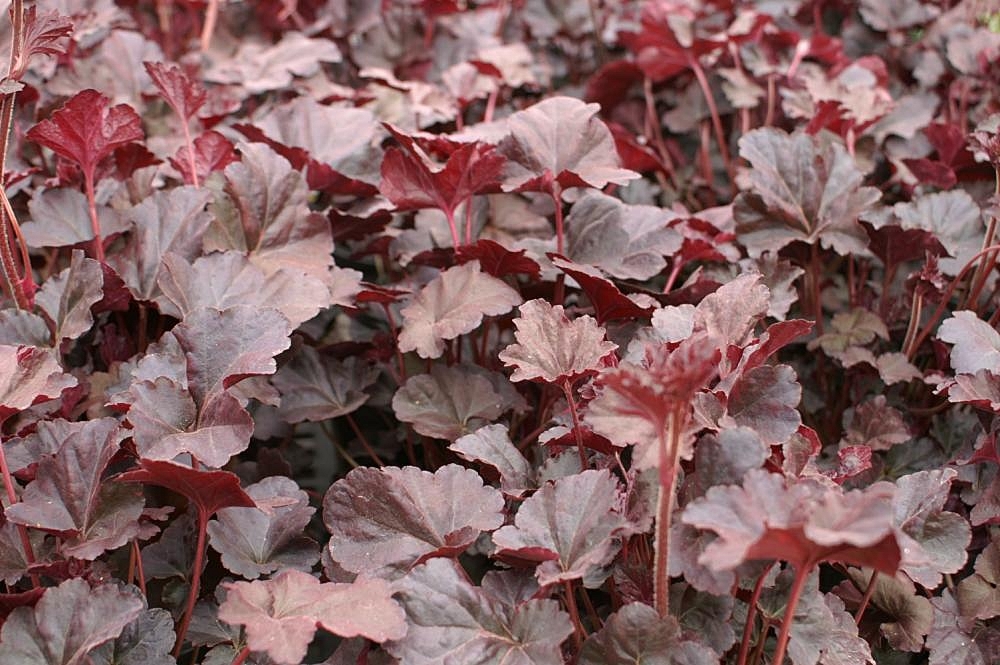
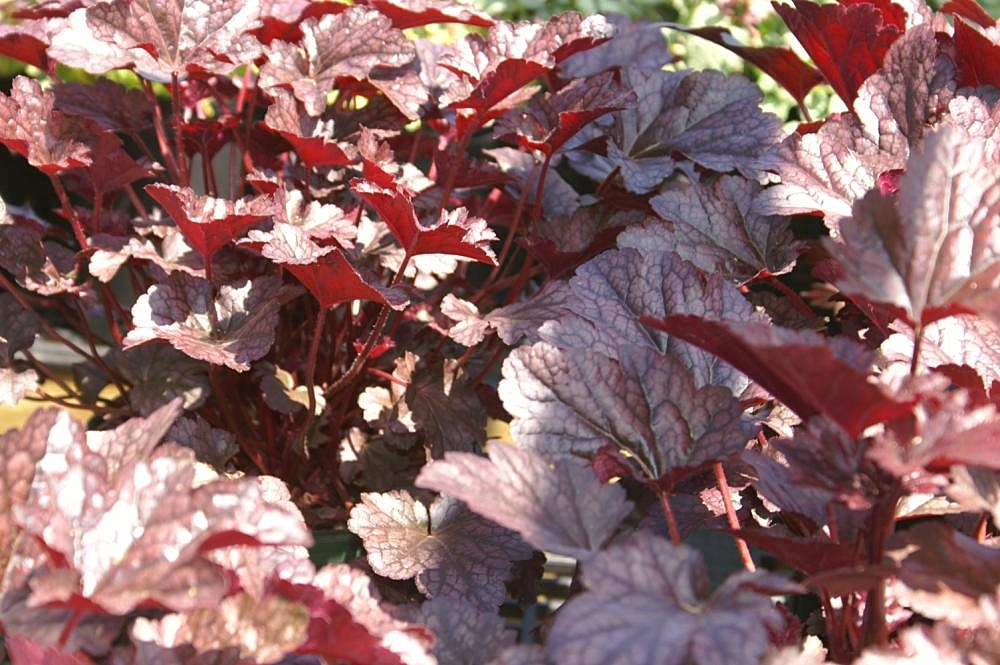
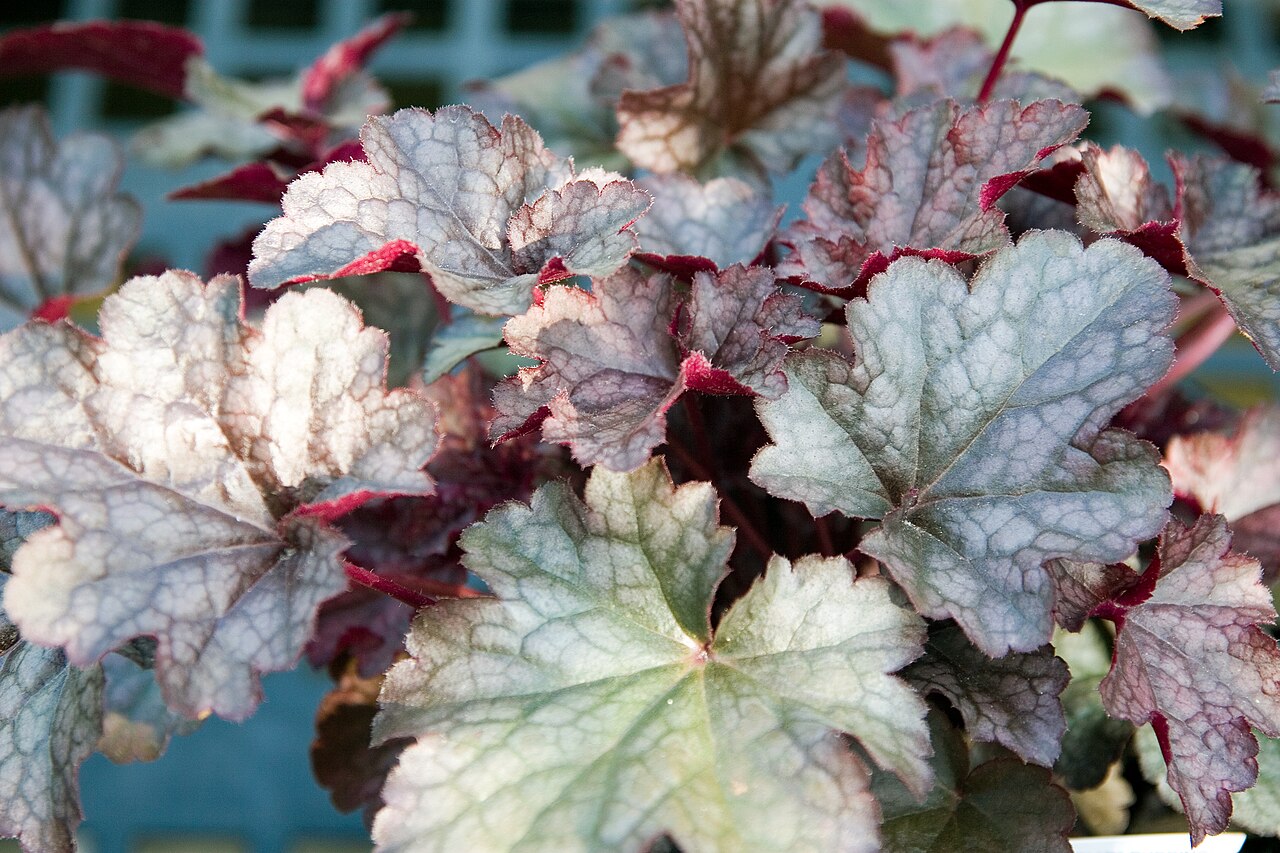
Plant in spring or fall in rich, well-drained soil in part shade — coral bells are foliage plants first, and modern hybrids offer leaf colors no other shade perennial can match: ‘Palace Purple’, ‘Caramel’, ‘Lime Rickey’, ‘Silver Gumdrop’. Their one weakness is heaving: shallow roots lift out of the ground in freeze-thaw winters, so mulch in fall and press plants back down in spring. In hot climates, afternoon shade is mandatory — sun-scorched coral bells bleach and crisp.
Water & feeding
Water consistently the first year and during dry spells; established plants tolerate moderate drought but look best with steady moisture. Never let them sit in waterlogged soil — crown rot follows.
Common problems
- Frost heaving in freeze-thaw climates — mulch and replant lifted crowns in spring
- Crown rot in wet, poorly drained soil
- Vine weevil larvae eating roots (more common in containers)
Harvest
Deadhead flower stalks after bloom to keep the foliage display tidy, or leave a few for hummingbirds, which visit the tiny bell flowers. Divide clumps every 3–4 years.
Browse all plant & pest guides
Saving seeds
Coral bells seeds are an exercise in humility, because they are tiny. Not small, not petite, but dust-like black specks that make you question whether you have actually collected anything at all until you tip the envelope and see them move. That tininess is the whole story of this section: everything about saving coral bells seed is about handling something smaller than a pinhead without losing it, burying it, or drowning it, and then accepting that the seedlings may not look like the parent that made you fall in love in the first place.
Let a few flower stalks go to seed instead of deadheading them all. The seed pods form on the spent flower wands and turn brown and dry as summer goes on. Snip the dried stalks into a paper bag, not a plastic one, and let them dry indoors for another week or two. Then crush the pods gently over a sheet of paper and winnow out the chaff with a soft breath or a fine sieve; a little chaff mixed in does no harm, but a lot of it makes sowing evenly much harder. Label the envelope immediately with the plant name and the year, because an unlabeled envelope of black dust is a mystery nobody solves in spring.
Drying matters more than most gardeners expect, especially in Florida. Seed that feels dry on a humid afternoon may still hold enough moisture to mold in storage, so give it a full indoor drying period away from direct sun, then store it in a cool, dark, dry place in an airtight container with a desiccant packet if you have one. As for how long it keeps, sources disagree, which is the honest answer: plan on using your seed within a year or two, sow the freshest seed first, and do not count on an old envelope to perform like a new one.
Sowing is where the tininess becomes a rule: coral bells seed needs light to germinate, so do not bury it. Scatter it thinly on the surface of a fine, moist seed-starting mix, press it down gently so it makes good contact with the mix, and then leave it uncovered. Keep the mix evenly moist but never soggy, in bright indirect light at ordinary room temperature, and protect the tray from drying out, because a dust-sized seedling has no reserves to survive a drought. Germination usually takes a couple of weeks, though some batches take longer, and the seedlings are fragile at first, so water from below or with a fine mist rather than a torrent from a watering can.
One more honest disagreement to report: cold stratification. Some growers chill coral bells seed in the refrigerator for several weeks before sowing, mimicking winter, and swear by it; others sow straight and get perfectly good germination. If your first batch is sluggish, try chilling the next batch for a few weeks in damp mix in the refrigerator and compare. And the true-to-type question deserves a straight answer: seedlings from named cultivars, the ones with the caramel, lime, or purple foliage you bought the plant for, will not reliably match the parent. Hybrid coral bells shuffle their genes like a deck of cards, and the seedlings may be plain green, muddy purple, or occasionally something lovely and new. If you want an exact copy of a favorite cultivar, divide the clump.
Varieties
Every named variety of Coral Bells with its own growing guide:
- Caramel Coral Bells — The caramel one: warm apricot-caramel foliage that glows in shade, with cream flower wands.
- Lime Rickey Coral Bells — The lime one: ruffled lime-green foliage that electrifies shade, with white flower wands.
- Palace Purple Coral Bells — The purple classic: deep purple-bronze foliage with airy white-pink flower wands, the heuchera that started it all.