
🔔 Lime Rickey Coral Bells
What it looks like
Why this variety
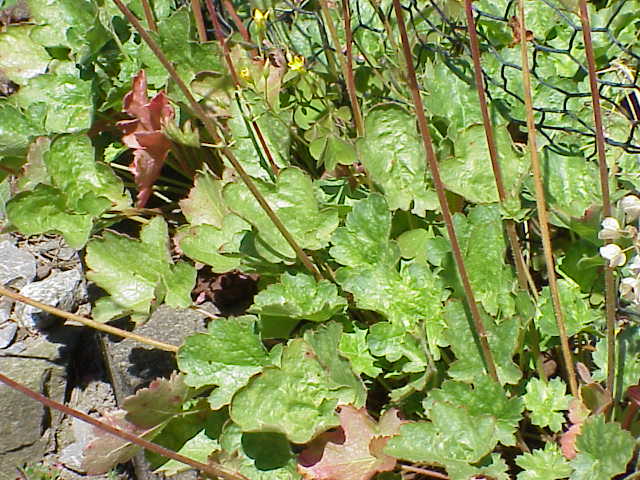
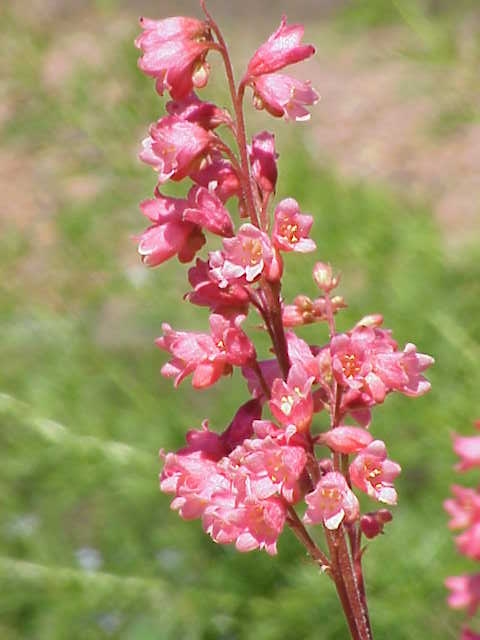
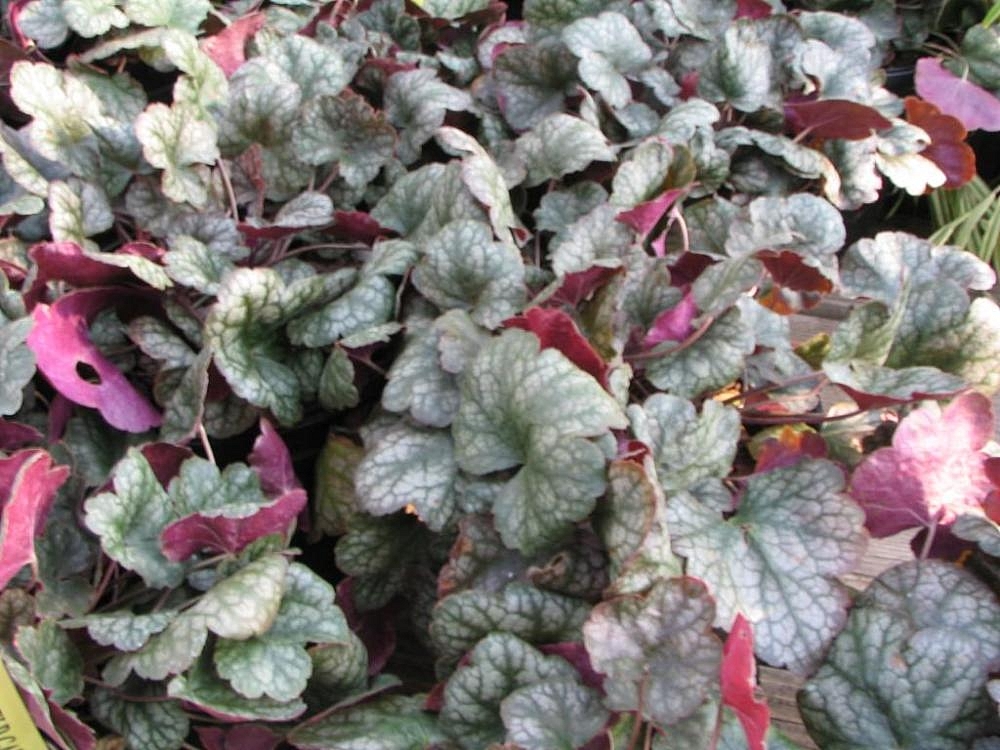
Lime Rickey is the heuchera for gardeners who want shade to pop: ruffled, lime-green foliage in a tidy mound, so bright it reads as electric in a shady bed, with airy white flower wands rising above in late spring. Lime is the shade garden’s highlighter — it makes dark green companions look deeper, purple companions look richer, and the whole bed look lit from within. Lime Rickey is one of the most popular lime heucheras because it holds its color well and mounds neatly, without the legginess some bright types develop.
The trade-off is scorch: lime foliage scorches faster than purple foliage in sun or heat, so Lime Rickey needs part to full shade, rich well-drained soil, and mulch kept off the crown. Divide every few years to prevent heaving, and do not plant it in a hot, sunny spot expecting lime — you will get scorched yellow instead. In the right shade, it is the brightest plant in the garden, and the one visitors ask about first.
If you are new to choosing between cultivars, the Varieties Matter guide explains why the name after the plant matters as much as the plant itself. Lime Rickey is a perfect example: it is not just a coral bells in the abstract, it is a coral bells with a specific job, a specific history, and specific strengths.
Florida honesty, stated plainly: heuchera is a North Florida trial, not a statewide perennial, and Lime Rickey’s lime foliage scorches first in Florida heat, so deep shade is non-negotiable. In North Florida, plant it in full shade, in rich soil that drains sharply, and water through dry spells. In Central and South Florida, expect decline, and plant a native lime-green groundcover instead.
How to grow
Plant in spring or fall in rich, well-drained soil in part to full shade — heuchera is a woodland plant that wants leaf-mold soil, consistent moisture, and protection from hot sun. Work worm castings and compost into the bed at planting, mulch lightly but keep mulch off the crown (piled mulch rots crowns), and divide every few years, replanting divisions at the same depth, to prevent heaving and decline.
Set plants 12-18 inches apart in soil with a pH around 6.0-7.0. Work worm castings into the bed at planting and mulch to hold moisture. A well-fed coral bells plant rewards that care directly: steadier growth, better bloom, and a show that actually shows up.
Water & feeding
Keep soil evenly moist but never waterlogged — heuchera wants woodland moisture, not swamp and not drought, and its crown rots in standing water. Water at the soil line, mulch lightly (never piled on the crown), and feed lightly: castings and compost at planting plus a spring top-dress. In a dry spell, water is the care program; a heuchera that dries out scorches and does not recover its looks that season.
Common problems
- Crown rot in wet soil — heuchera’s killer; plant in sharp drainage, keep mulch off the crown, and do not plant where rain ponds.
- Heaving in freeze-thaw winters — crowns lift out of the soil; replant at the right depth in spring and mulch lightly.
- Scorch in sun or heat — purple fades, lime scorches; part to full shade is the sweet spot, especially in warm gardens.
- Fading color in hot summers — heuchera colors are richest in cool weather; heat greens them up, and no fertilizer restores the color.
- Vine weevils on roots in some regions — notched leaves and crown decline; remove affected plants and encourage predators.
Harvest
Cut a few flower wands for small bouquets in late spring, when wands are fully open — heuchera flowers are airy and delicate in water, though the foliage is the real show. The leaves themselves can be cut sparingly for foliage arrangements without harming the plant. Divide congested clumps every few years in spring or fall, replanting divisions at the same depth, and leave the foliage standing over winter where it is evergreen enough to shelter.
Browse all plant & pest guides
Saving seeds
Lime Rickey is a named heuchera cultivar, grown for its ruffled lime-green foliage, and named coral bells are kept true by division, not by seed — seedlings from a Lime Rickey plant would not hold the lime color or the tidy mound. Divide the clump every few years, replanting divisions at the same depth, and keep mulch off the crown so it does not rot. The Saving seeds section of the Coral Bells guide covers seed for the species generally.