
🍠 Dasheen Taro
What it looks like
Why this variety
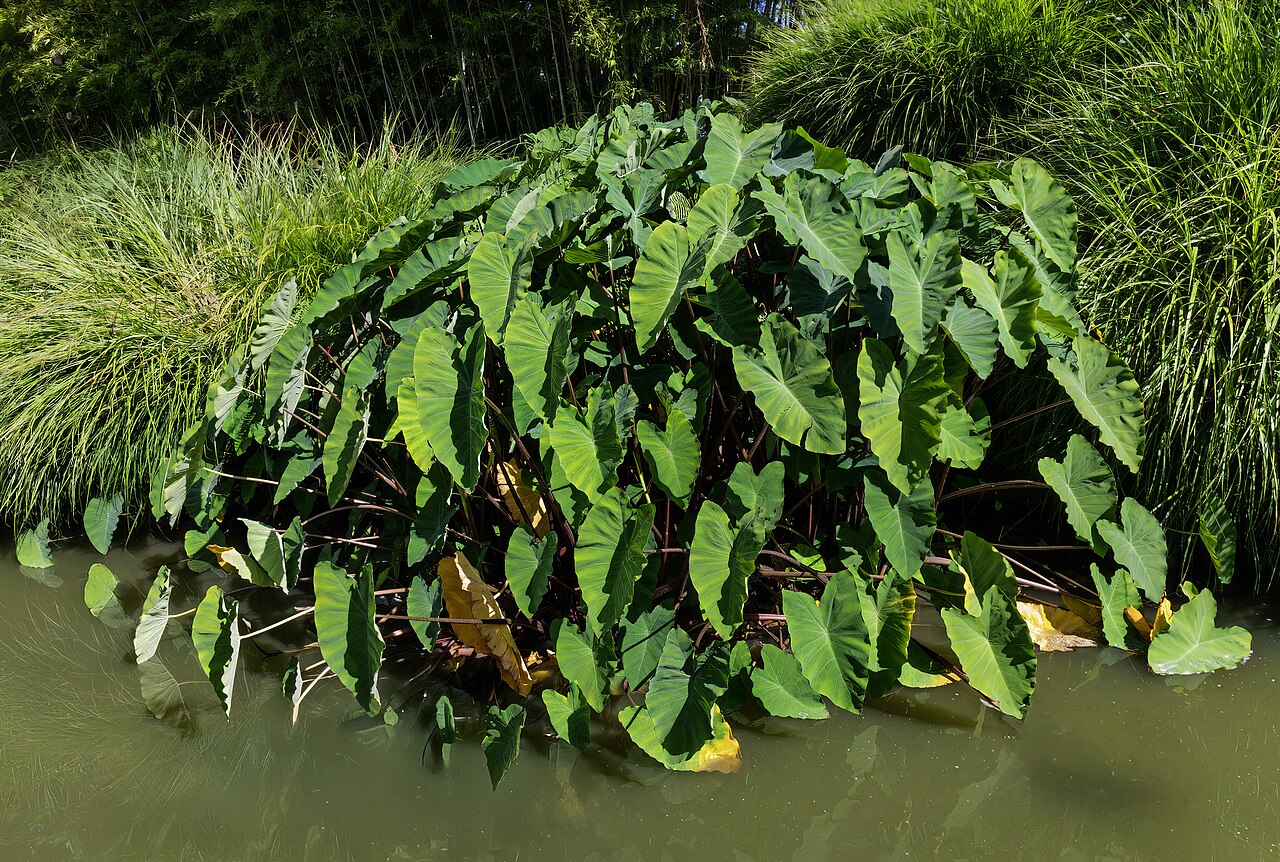
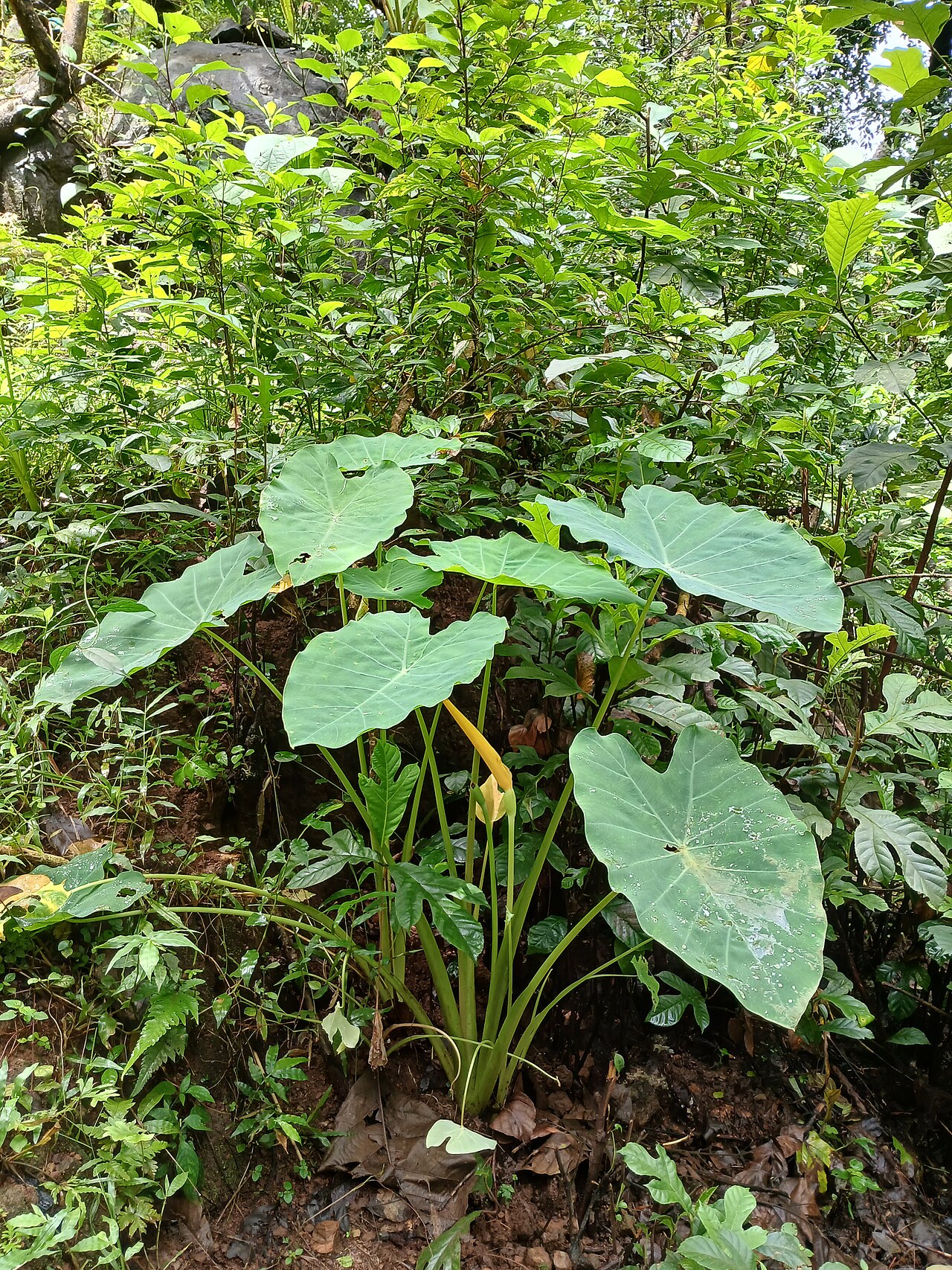
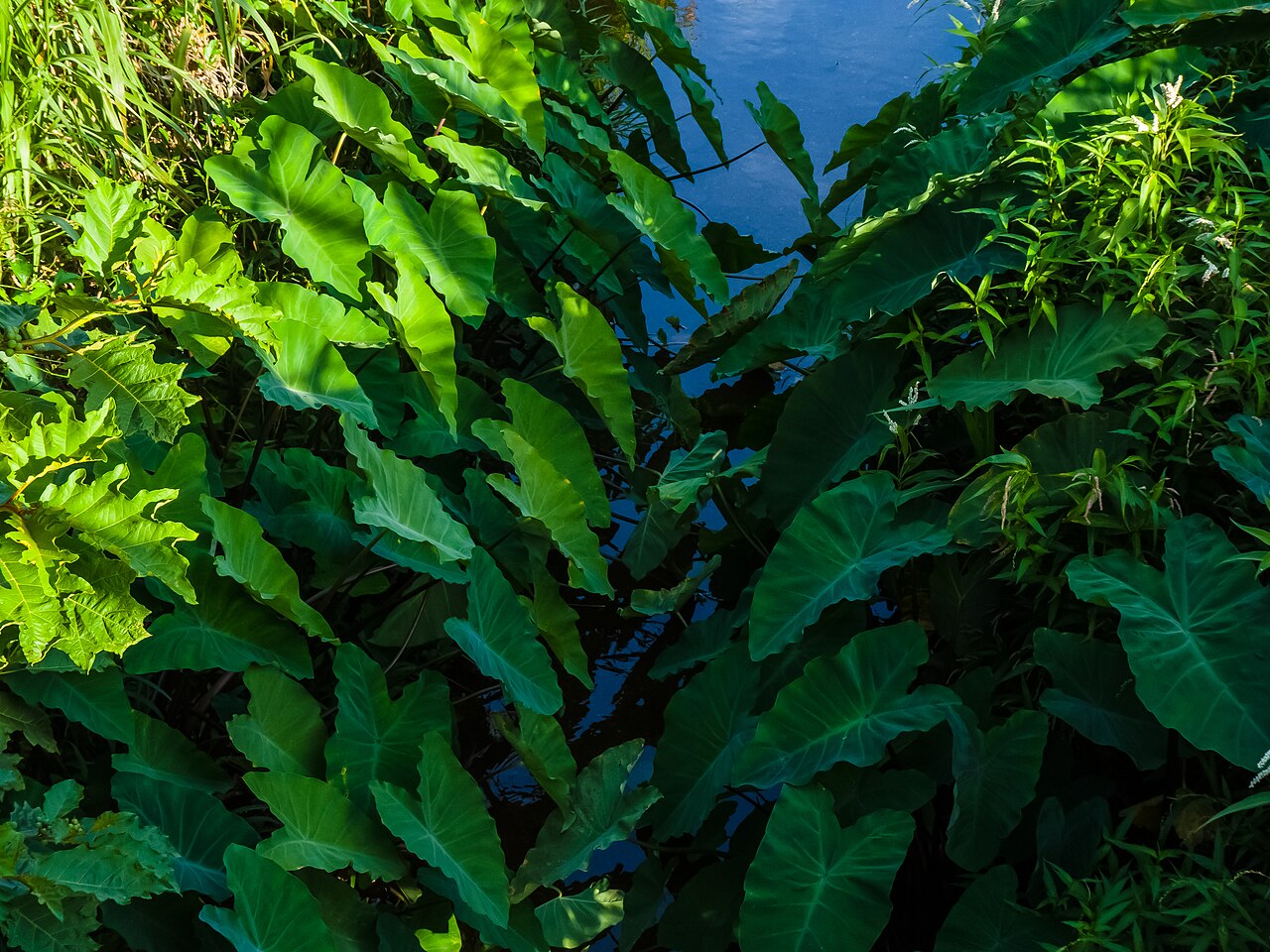
Dasheen is the taro of Caribbean and West African kitchens, sold under a name that covers a group of oval-cormed taros rather than a single registered cultivar — and that honesty is part of the story, because dasheen is a type name gardeners and markets have used for generations. The corms are oval with brown skin and cream to pale purple flesh, nutty and starchy, and they are the taro for hearty cooking: stews, soups, and mashing, where a delicate taro would disappear and dasheen holds its own.
Dasheen is also the most forgiving taro for a home garden: it grows as an upland crop in rich, moist soil, produces a main corm plus smaller cormlets for replanting, and gives you edible leaves for callaloo — the Caribbean greens dish — provided the leaves are cooked long and thoroughly. If your taro plans start with a pot of stew rather than a bowl of poi, dasheen is the taro to plant.
If you are new to choosing between cultivars, the Varieties Matter guide explains why the name after the plant matters as much as the plant itself. And if you want the whole clan at a glance, the broader Taro guide covers taro generally.
How to grow
In Florida, taro is in its element and then some: heat, humidity, and rain are exactly what it wants, and it will grow with an enthusiasm that demands a plan. Plant it in spring after the soil warms, give it rich, wet ground or a large container, and never plant it where it can escape into a ditch, pond, or wetland — taro that wanders is a weed with a passport. Cook every part thoroughly; raw taro is not food, it is a chemistry lesson in calcium oxalate crystals.
Plant corm pieces in spring after the soil warms, 3 feet apart in rich, moist soil or a container, and keep the soil moist all season. Feed with compost monthly. Harvest when the leaves yellow, usually 9 to 11 months after planting, and cure corms in shade for a week before storing. Save the small cormlets for next season’s planting.
Water & feeding
Taro drinks like a wetland plant because it is one. Keep the soil wet — soggy is fine, standing water is fine for wetland types — mulch heavily, and feed with compost through the season. A taro that dries out stops growing and sulks, while a taro that stays wet grows leaves big enough to shade a dog.
Common problems
Leaf blight loves humid, still air, so give dasheen airflow and remove spotted leaves promptly. Corm rot follows waterlogged, sour soil — moist is good, swampy and stagnant is not. Slugs can damage young shoots; coarse mulch or hand-picking handles them. And contain it: dasheen spreads by cormlets, so a container or contained bed is the responsible choice.
Harvest
Dig the whole plant when the leaves yellow, cure for a week, and store cool and dry. Boil or steam until completely tender — undercooked taro irritates the mouth — then mash, cube into stew, or slice and fry. The leaves, cooked long and thoroughly, make callaloo; never eat taro leaves raw or lightly cooked.
Nerdy fact: Dasheen’s other name in some markets is eddo, and the two names have been used interchangeably for so long that seed and market listings treat them as cousins at best — a reminder that taro naming is folk taxonomy as much as botany, and that the corm in the pot matters more than the label on the bin.
Saving seeds
Dasheen taro grows from corms, not seed — replant the smaller cormlets from your harvest. The Propagation section of the Taro guide covers the route.