
🌴 Deglet Noor Date
What it looks like
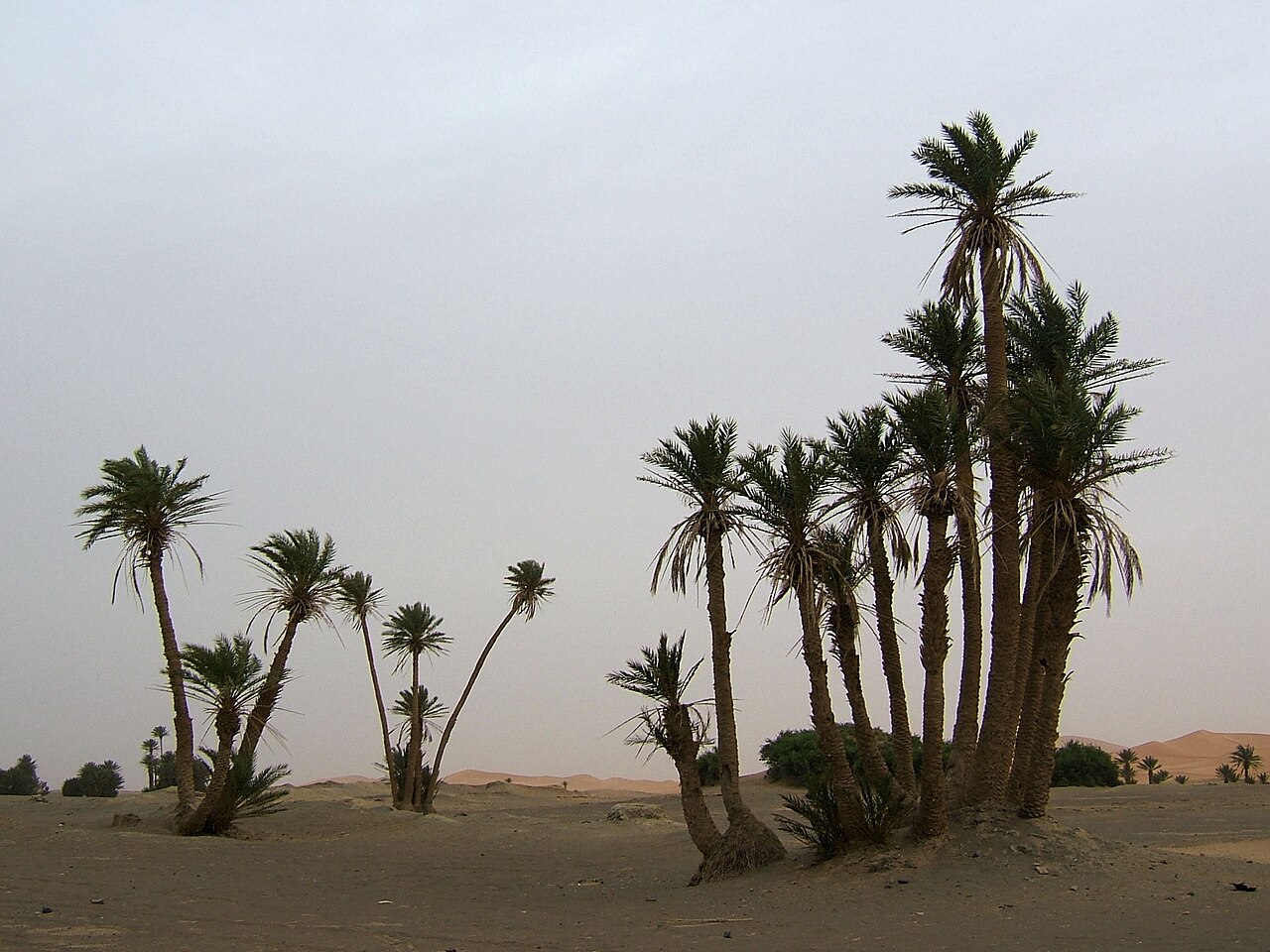
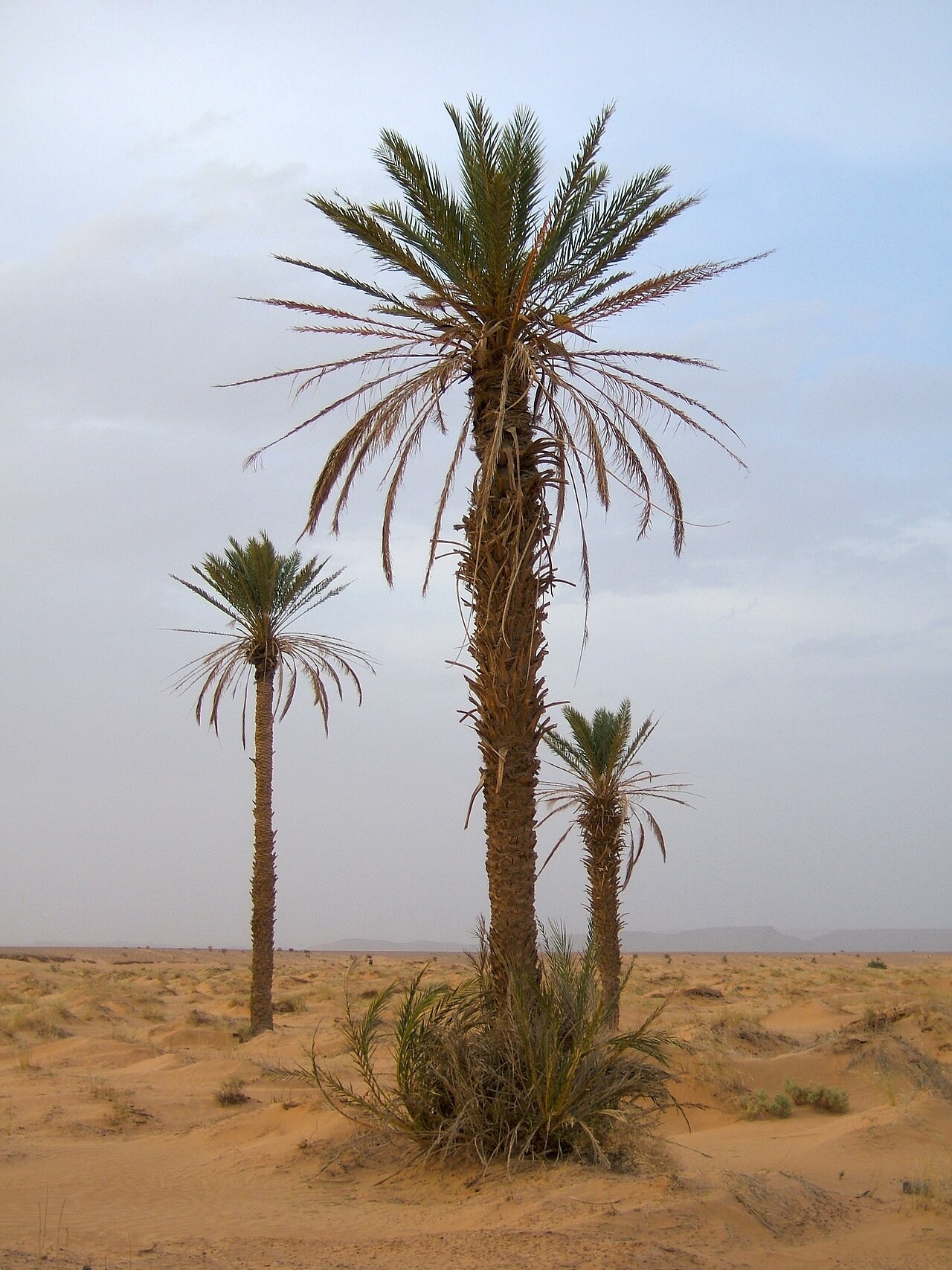
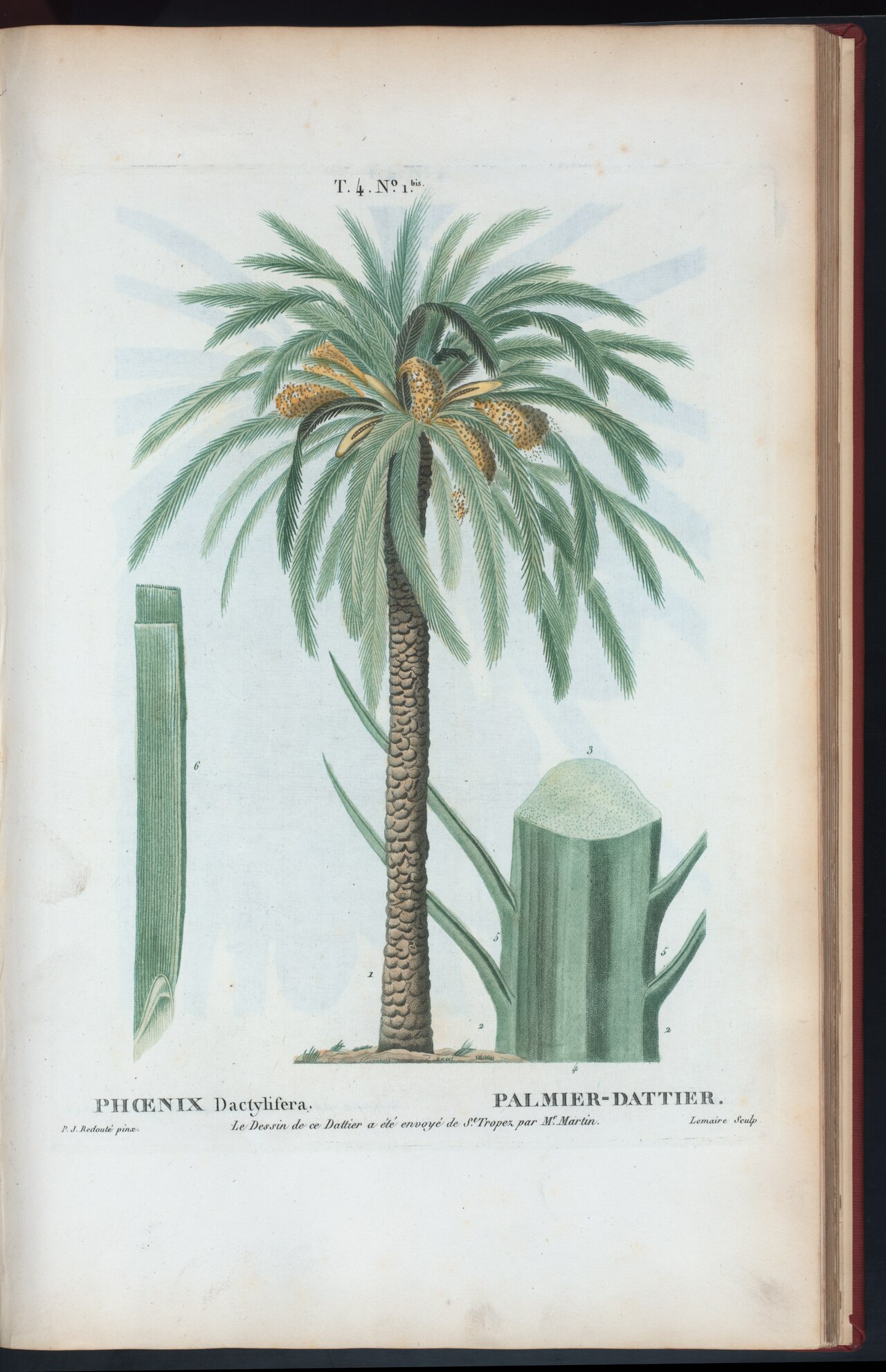
Why this variety
Deglet Noor — the ‘date of light,’ named for its translucent golden flesh when held to the sun — is the date for people who find Medjool almost too soft. The fruit is smaller, firmer, and drier, honey-sweet with a delicate, nutty finish, and it holds its shape in cooking, chopping, and baking in a way soft dates do not. It is the classic Algerian and Tunisian date, and the one most often used in recipes where dates need to stay in pieces rather than melt.
Like Medjool it is a desert palm through and through: female trees fruit, male trees pollinate, and ripening needs long, hot, dry weather. Deglet Noor is a little more forgiving about handling and storage than Medjool, which is why it travels well and keeps well — practical virtues in a fruit that otherwise demands a desert.
Firm, translucent, honey-sweet dates that hold up in cooking. Female trees fruit; male pollination required. Better keeper than Medjool.
How to grow
Grow as for Medjool: full sun, deep drainage, deep infrequent watering once established, bunch thinning for size. In humid climates, watch for fungal problems on fronds and fruit bunches, and remove spent fronds and old fruit stalks for airflow.
Plant in full sun in deeply drained soil, with room for a tall palm and its frond spread. Palms need a long, hot season and protection from prolonged cold; young palms are the most vulnerable, so shelter them in their first winters where frost is possible at all. Remove spent fronds and old fruit stalks for airflow and tidiness, but do not over-prune the crown — fronds are the palm’s solar panels.
Florida framing, stated plainly: Deglet Noor shares Medjool’s Florida verdict — ornamental palm trial only, no harvest promise. Humidity and summer rain during ripening are the deal-breakers, not cold alone. South Florida palms may grow well; they will not reliably give you Deglet Noor dates. Do not buy one in Florida expecting a date crop.
Water & feeding
Water deeply but infrequently once established — palms tolerate drought and somewhat salty soil better than most fruit trees, but they do not tolerate waterlogged roots. A deep soak that dries between waterings suits them better than frequent shallow sprinkling. Feed in spring with a palm-appropriate fertilizer and castings as a soil conditioner.
Common problems
- Cold damage — fronds brown and collapse after hard freezes, and young palms may not recover. Plant only where winter cold is within the palm’s tolerance, and protect young trees.
- Fungal problems on fronds and fruit in humid climates — improve airflow, remove affected fronds, and do not overhead-water the crown.
- Palm pests (weevils, scale) — distorted fronds, holes, or sticky residue are signs. Inspect crowns regularly; early detection is the only easy control.
- Poor ripening in humid or short seasons — fruit that never gets the heat and dryness it needs will not ripen to quality, however healthy the palm looks.
Harvest
Harvest bunches when fruit colors fully and softens to the variety’s ripe texture, cutting the whole bunch rather than picking individual dates. Handle gently — ripe dates bruise and ferment quickly — and dry, refrigerate, or process promptly. In climates without a dry ripening season, expect ornamental value rather than a dessert crop.
Browse all plant & pest guides
Saving seeds
Deglet Noor dates grow on female palms that need a male pollinator, and named date varieties are propagated from offshoots, not seed — buy a named offshoot from a reputable nursery. The Propagation section of the Date guide covers the route.