
🌰 Dunstan Chestnut
What it looks like
Why this variety
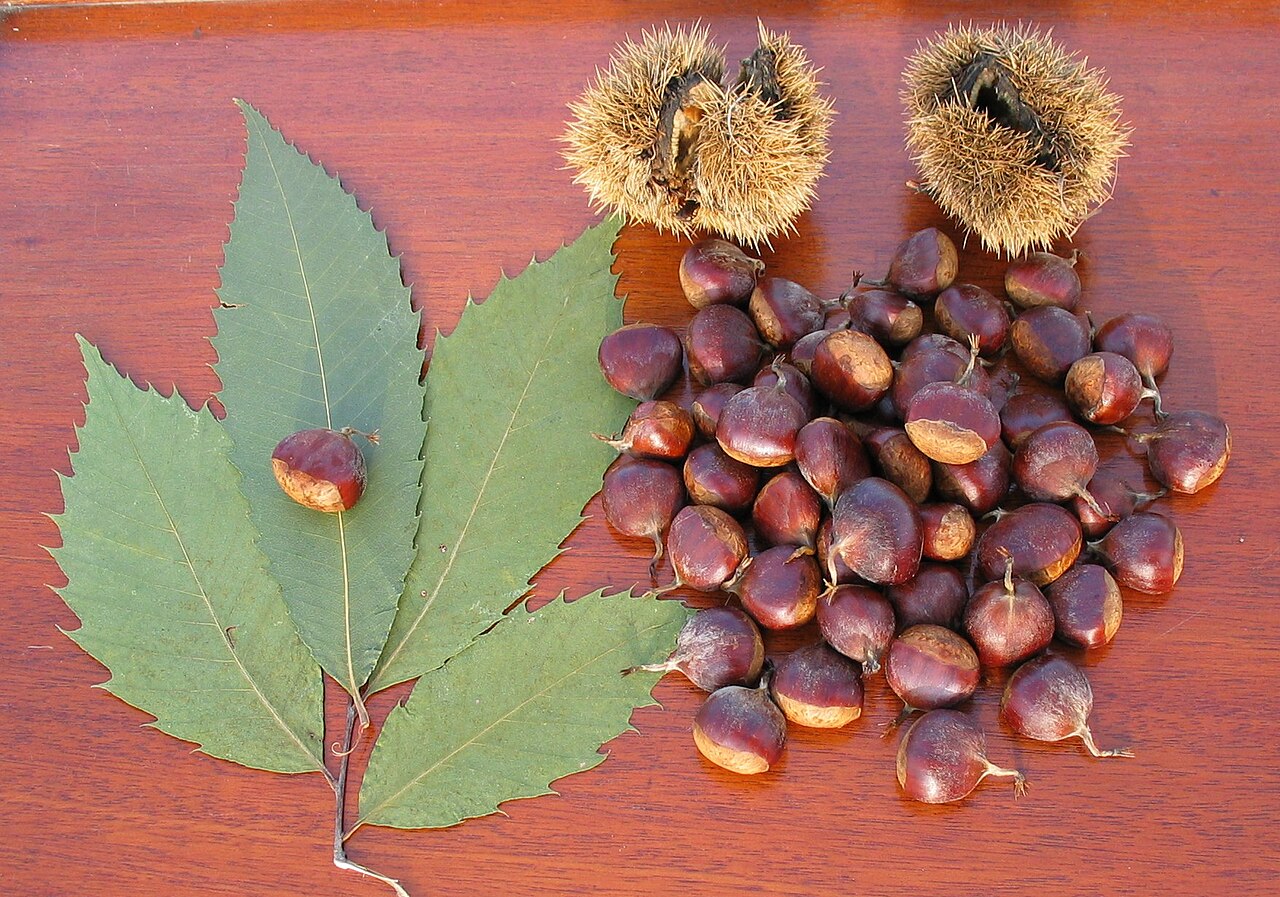
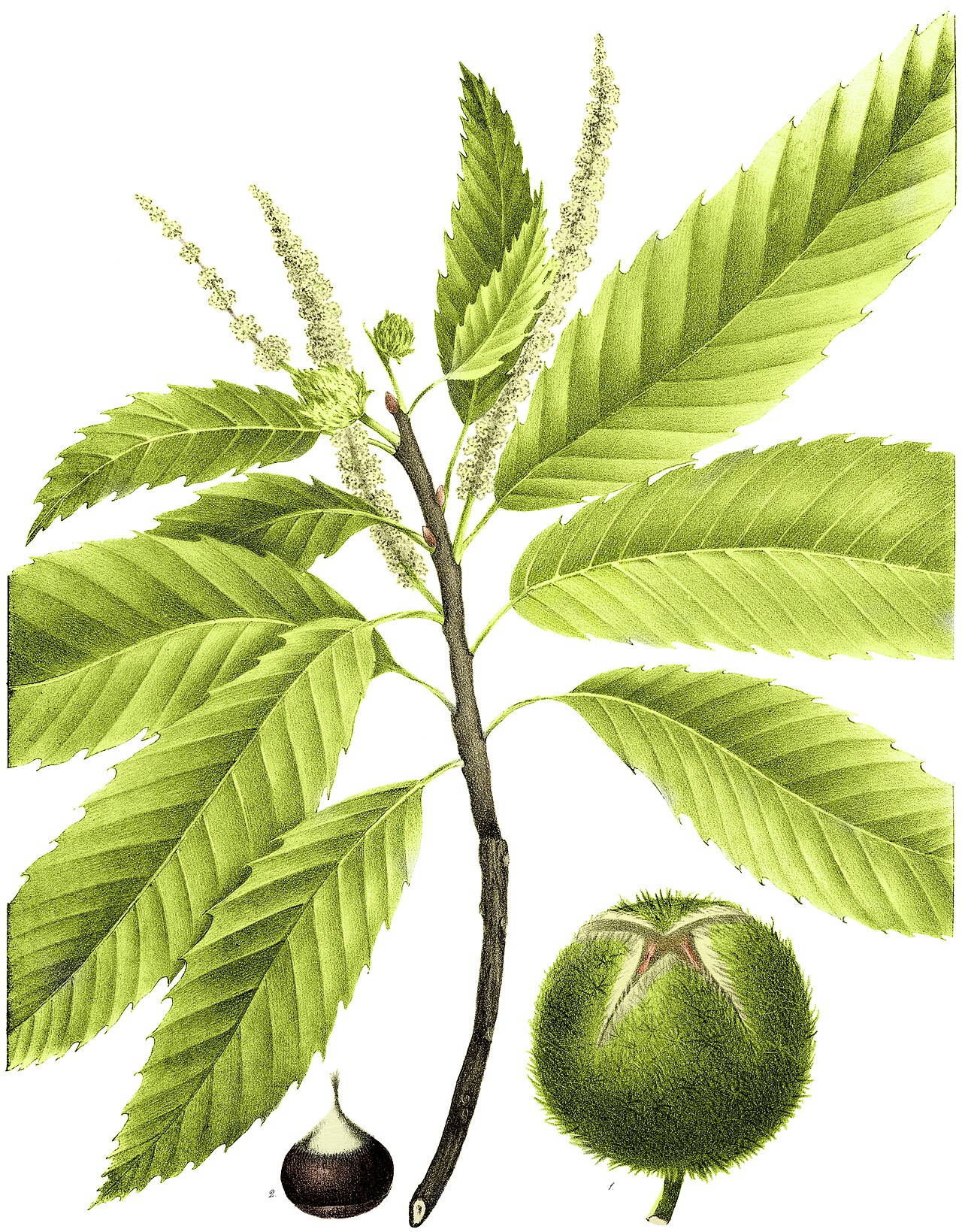
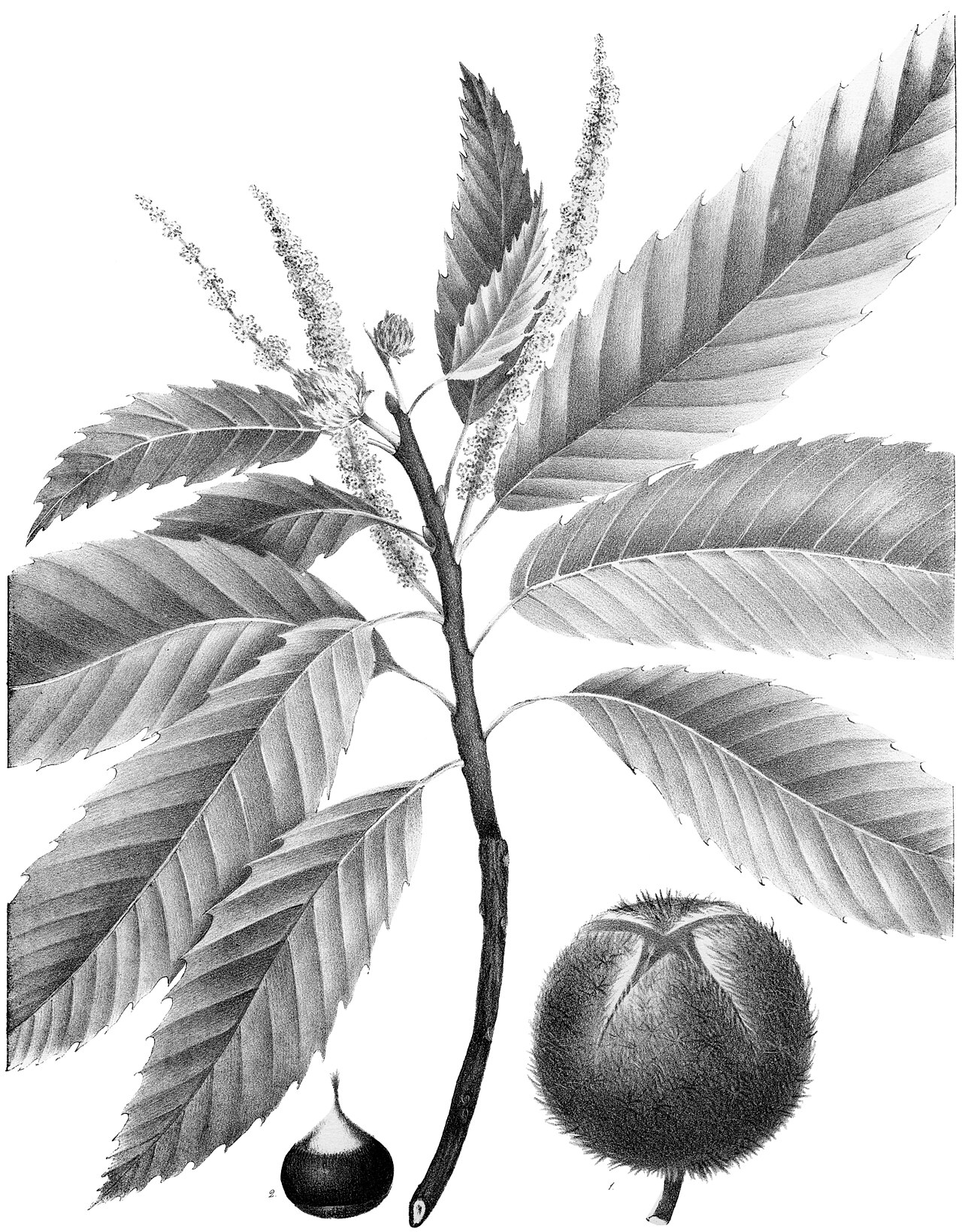
Dunstan is the chestnut most American growers plant first, and the story is why. The American chestnut once dominated eastern forests until chestnut blight, a fungal disease introduced around 1904, killed nearly every mature tree. Dunstan is a hybrid of American and Chinese chestnut, bred for blight resistance while keeping the American tree’s form and the sweet, easy-peeling nut character growers wanted. It is not a perfect restoration of the lost forest tree, but it is a nut tree you can actually grow and harvest from, which for decades was not true at all.
The nuts are large, sweet, and easy to peel — the three traits that separate a good chestnut from a frustrating one — and the trees are vigorous, fast-growing, and productive. Dunstan is also famously heavy-bearing once established, which is a polite way of saying you will have more chestnuts than you know what to do with in a good year. That is a good problem, and it has a traditional solution involving fire and a paper bag.
American x Chinese hybrid, blight-resistant. Large, sweet, easy-peeling nuts. Plant at least two for pollination — chestnuts are not reliably self-fertile.
How to grow
Plant in full sun in acidic, well-drained soil — chestnuts drown in wet feet and sulk in alkaline soil. Space widely; these become large trees. Wear gloves at harvest: the burrs are spiny for a reason, and that reason is to teach you respect.
Plant grafted trees in full sun in deep, fertile, well-drained soil, and give them their mature spacing from day one — nut trees become large trees, and crowding a nut tree is a decades-long mistake. Stake young trees against wind, prune for a strong central leader or open form depending on species, and be patient: nut trees are measured in years to first crop and decades to peak production.
Florida framing, stated plainly: chestnuts want acidic, well-drained soil and a real winter, and Dunstan is a North Florida trial only. Florida’s alkaline limestone soils in many areas and its mild winters work against it, and the state’s humidity adds disease pressure beyond blight. In North Florida, plant only where soil is naturally acidic or can be kept acidic, on high, well-drained ground, with a second chestnut for pollination. Do not plant it in Central or South Florida expecting nuts, and do not lime the soil around it out of habit — chestnuts want acid.
Water & feeding
Water young trees deeply and regularly until established; mature nut trees tolerate dry periods but crop best with consistent moisture through nut fill. Mulch heavily with wood chips or leaves, kept off the trunk, and work worm castings into the root zone at planting and as an annual top-dress. Avoid disturbing shallow roots with cultivation — many nut trees resent root disturbance for years.
Common problems
- Squirrels — the primary harvest competitor for every nut tree. Harvest promptly when nuts drop or husks split; leaving nuts on the ground is donating them.
- Blight, canker, and fungal diseases — worst in humid climates. Choose resistant varieties where available, prune for airflow, and remove diseased wood promptly.
- Wet feet — nut trees drown in waterlogged soil. If your site holds water after rain, plant elsewhere or plant on a mound.
- Alternate bearing — a heavy crop one year followed by a light one is normal for many nut trees, not a sign of failure. Thin heavy crops and feed consistently to soften the swing.
- Weevils and husk pests — fallen, wormy nuts should be cleaned up promptly to break pest cycles.
Harvest
Harvest when nuts drop or husks and burrs split — do not pick unopened burrs and hope. Husk or hull promptly, wash if needed, and dry thoroughly before storage; nuts stored damp go rancid or moldy. Wear gloves for spiny burrs and husky walnuts alike: the tree defends its crop, and it is right to do so.
Browse all plant & pest guides
Saving seeds
Dunstan is a hybrid of American and Chinese chestnut bred for blight resistance, so seedlings won’t hold its sweet, easy-peeling nuts — plant grafted trees instead. The Saving seeds section of the Chestnut guide covers seed for the species generally.