
🥬 Early Mizuna Mizuna
What it looks like

Why this variety
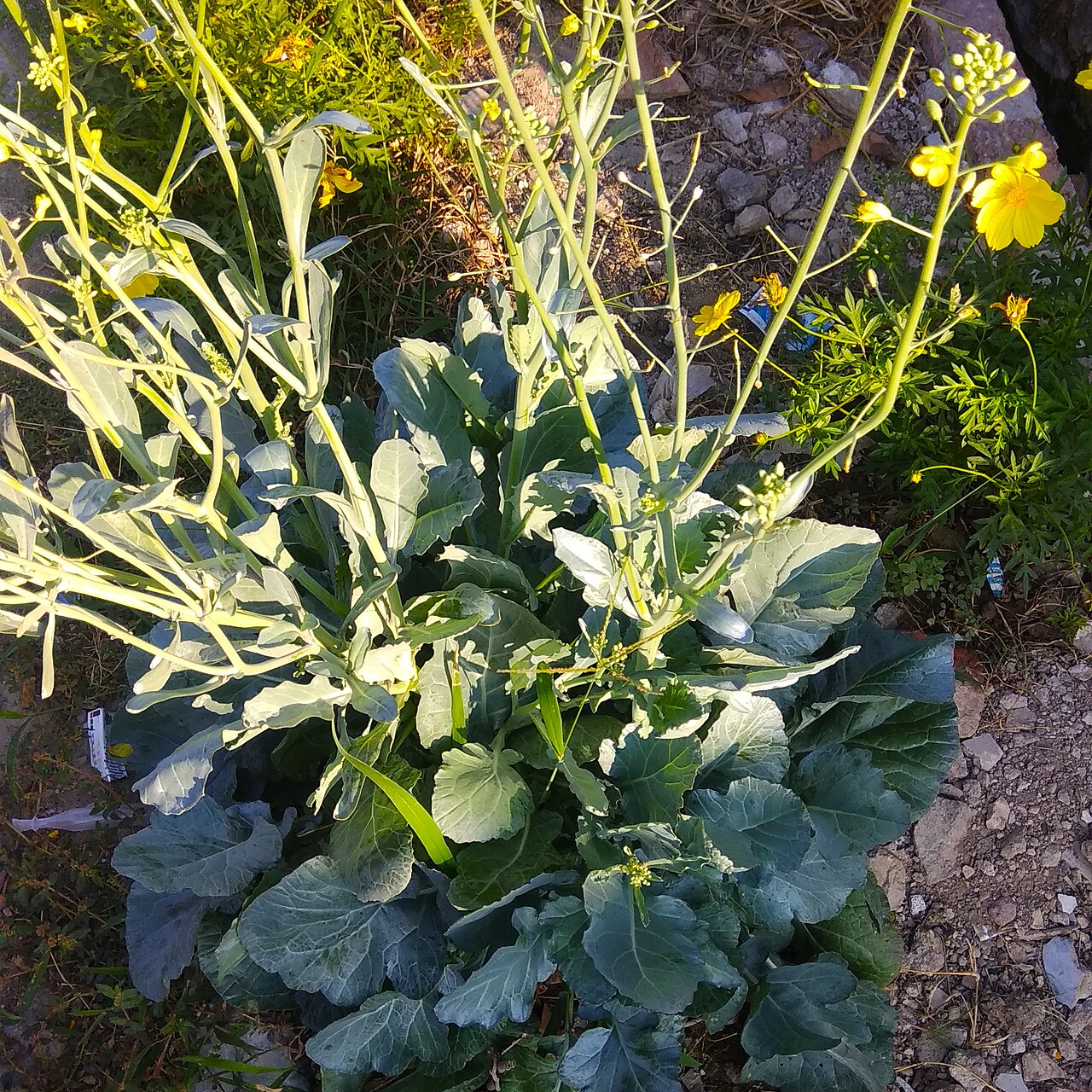
Early Mizuna is the mizuna most seed catalogs list first: deeply serrated, feathery leaves with a mild, slightly peppery mustard flavor, ready in about 40 days and bred for a quick, uniform crop. It is the mizuna of the salad mix — the feathery leaf that makes a bowl look like it came from a restaurant — and it is one of the fastest brassicas from seed to plate.
Feathery leaves have a salad advantage: they mix with other greens without dominating, add texture without weight, and hold a light dressing in their serrations. Early Mizuna is the green you plant when you want a salad that looks intentional and tastes fresh, with almost no effort.
If you are new to choosing between cultivars, the Varieties Matter guide explains why the name after the plant matters as much as the plant itself. And if you want the whole clan at a glance, the broader Mizuna guide covers mizuna generally.
How to grow
In Florida, mizuna is a cool-season star: sow it from fall through early spring, cut leaves as you need them, and let it regrow — it is one of the most forgiving cut-and-come-again greens. A spring sowing that bolts is not a failure, it is a lesson in timing, and the fall sowing will forgive you.
Sow directly or transplant 6–8 inches apart in rich, moist soil. In warm climates, give afternoon shade and succession-sow every two weeks through the cool season. Cut outer leaves as needed, or cut the whole plant — mizuna regrows politely for a second picking if cut above the crown.
Water & feeding
Mizuna grows fast and drinks steadily. Keep the soil evenly moist, mulch to hold that moisture, and feed with compost at planting and again halfway to harvest. Dry soil plus heat is the recipe for bolting, so water before the leaves wilt, not after.
Common problems
Flea beetles love brassica seedlings, and cabbage worms love the leaves; row cover over young plants solves most of it. Bolting is the other enemy: plant for cool weather and water before stress, not after.
Harvest
Harvest baby leaves at 20–25 days for salad mix, or full-size leaves at 40 days for cooking and larger salads. Cut-and-come-again picking extends the harvest for weeks — a bed of mizuna picked regularly is a bed that keeps giving.
Nerdy fact: Mizuna’s feathery leaf is not a mutation for beauty — the deep serration increases the leaf’s edge relative to its area, which helps the plant shed heat and water, and incidentally makes it the prettiest leaf in the salad bowl. Function, wearing a fancy dress.
Saving seeds
Early Mizuna is an open-pollinated Japanese heirloom mustard, also known as Kyona mizuna, so it comes true from seed — save seed from your best plants and let it dry fully before storing. The full method is in the Saving seeds section of the Mizuna guide.