
🌿 Eriogonum fasciculatum var. emphereium
Botanical form, not a garden cultivar: this guide covers a naturally occurring variety/subspecies of the species, with the species' growing guidance where variety-specific cultivation notes have not been published separately.
What it looks like
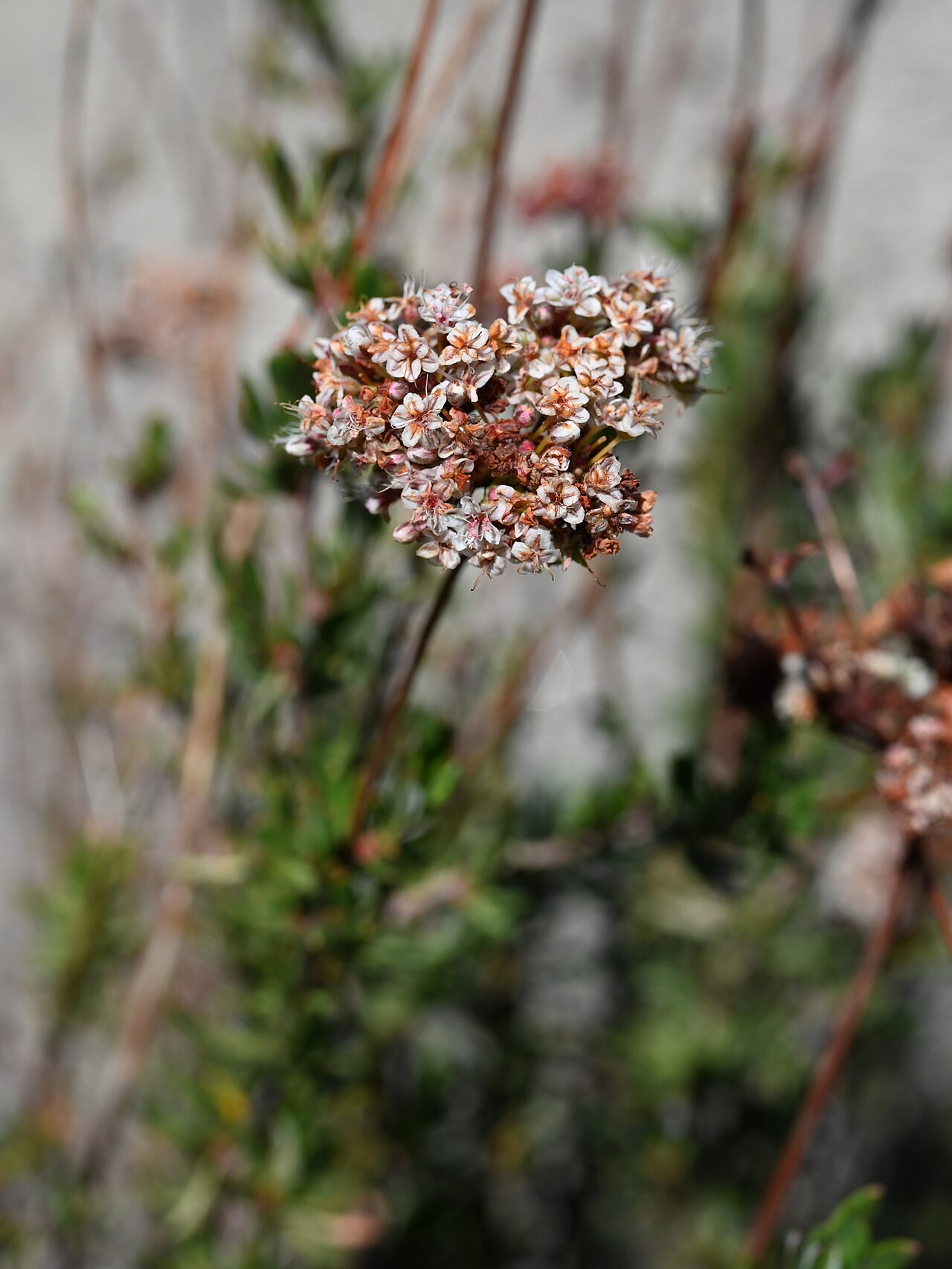
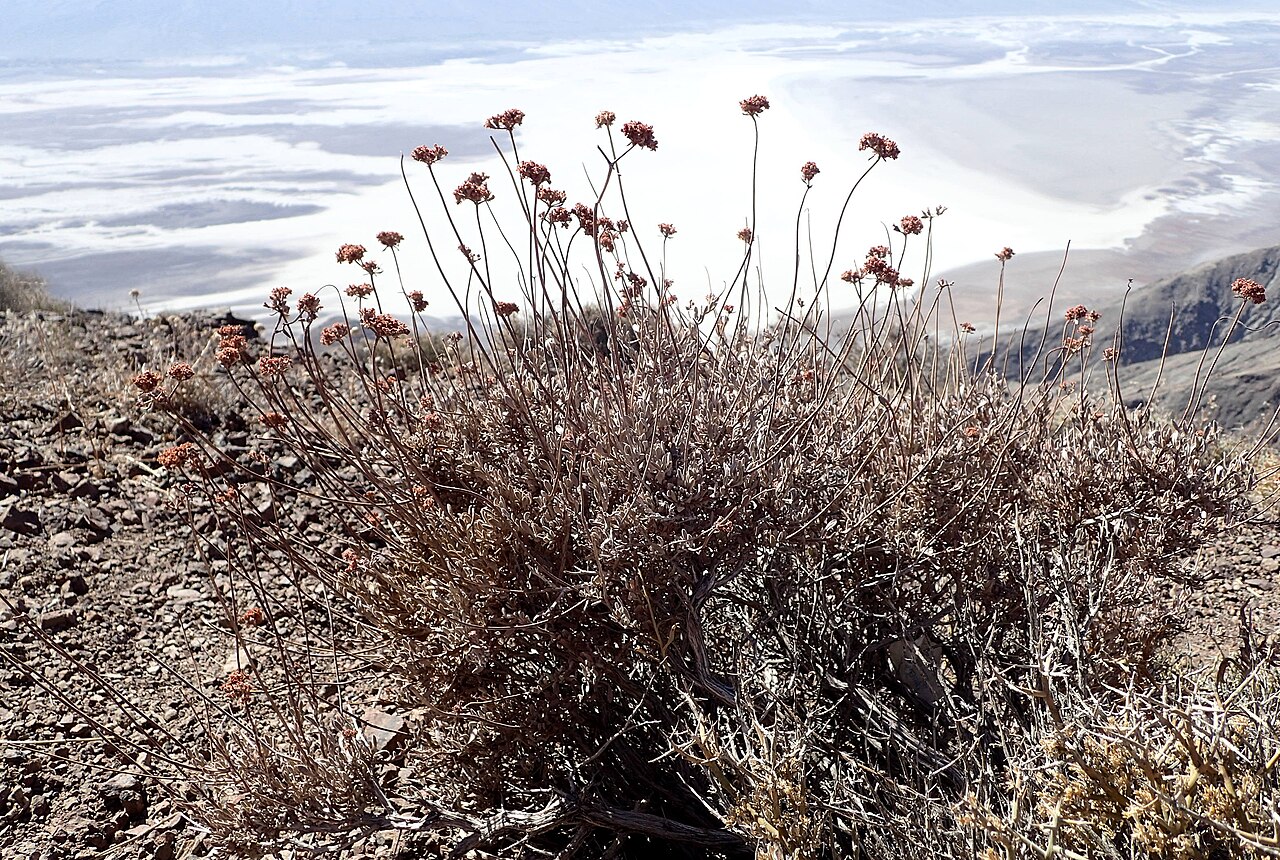
Var. emphereium is the rarest form in this set and the honest limit of what a garden guide can say: it is endemic to the western El Vizcaíno Biosphere Reserve in Baja California Sur, Mexico, and it is confined to central Baja California. Flora of North America notes it is not treated in the United States-focused species accounts, and no separate garden cultivation record for this variety has been published — so this guide describes the form and applies the species’ growing guidance, clearly labeled as such, rather than inventing variety-specific instructions that do not exist.
As a California buckwheat it is a low evergreen shrub with narrow leaves and flat-topped clusters of tiny flowers, in the same dry, sunny, well-drained habitat as its cousins — but its range is a single Baja reserve, not a nursery catalog.
Why this variety
Why a guide at all, for a plant almost no reader can buy? Because range matters. Endemic varieties are the units conservation actually protects, and a gardener who understands that var. emphereium exists only in El Vizcaíno will never mistake a nursery buckwheat labeled ‘California buckwheat’ for this form — and will understand why seed collected in the wild there should stay there.
It is also a useful humility check: not every named variety is a garden plant, and a variety-completion project that pretended otherwise would be inventing content. This form’s guide is a field guide entry, not a planting recommendation.
How to grow
Do not seek out, collect, or plant this variety. It is endemic to a biosphere reserve, and wild collection would harm the only population it has. The growing guidance below is the species’ guidance, included so readers understand the plant’s ecology — not an invitation to grow it.
Species guidance, for context: full sun, very well-drained lean soil, deep watering at planting tapering to dry summers, light pruning after bloom, and no fertilizer program. None of that changes the conservation fact above it.
Water & feeding
In its home range it grows in the dry, sunny, well-drained conditions of Baja California Sur’s desert coast — lean, mineral soil, low rainfall, and full sun. That ecology is why the species as a whole is drought-tolerant, and why wet, rich garden soil kills its cousins.
There is no Florida application for this form: it is a Baja endemic, and Florida’s humidity and summer rain are the opposite of its home climate.
Common problems
- Wild collection — the main threat to a single-reserve endemic. Do not collect seed or plants.
- Mislabeling in the trade — nursery ‘California buckwheat’ is essentially never this variety; do not assume otherwise.
- Root rot if grown outside its dry habitat — the species-wide weakness, and a reason not to attempt it in humid climates.
- Habitat loss within its narrow range — the conservation concern that makes it a reserve species in the first place.
Harvest
There is no harvest. Leave this variety in its reserve, and let the garden forms of California buckwheat — the coastal, desert, and foothill varieties with real nursery availability — do the garden work.
The right ‘harvest’ from this guide is knowledge: a named variety with a one-reserve range is a reminder that plant diversity is local, fragile, and worth more standing where it evolved than sitting in a pot.
See also: California Buckwheat: Growing Guide