
🌼 Evening Primrose
What it looks like
How to grow
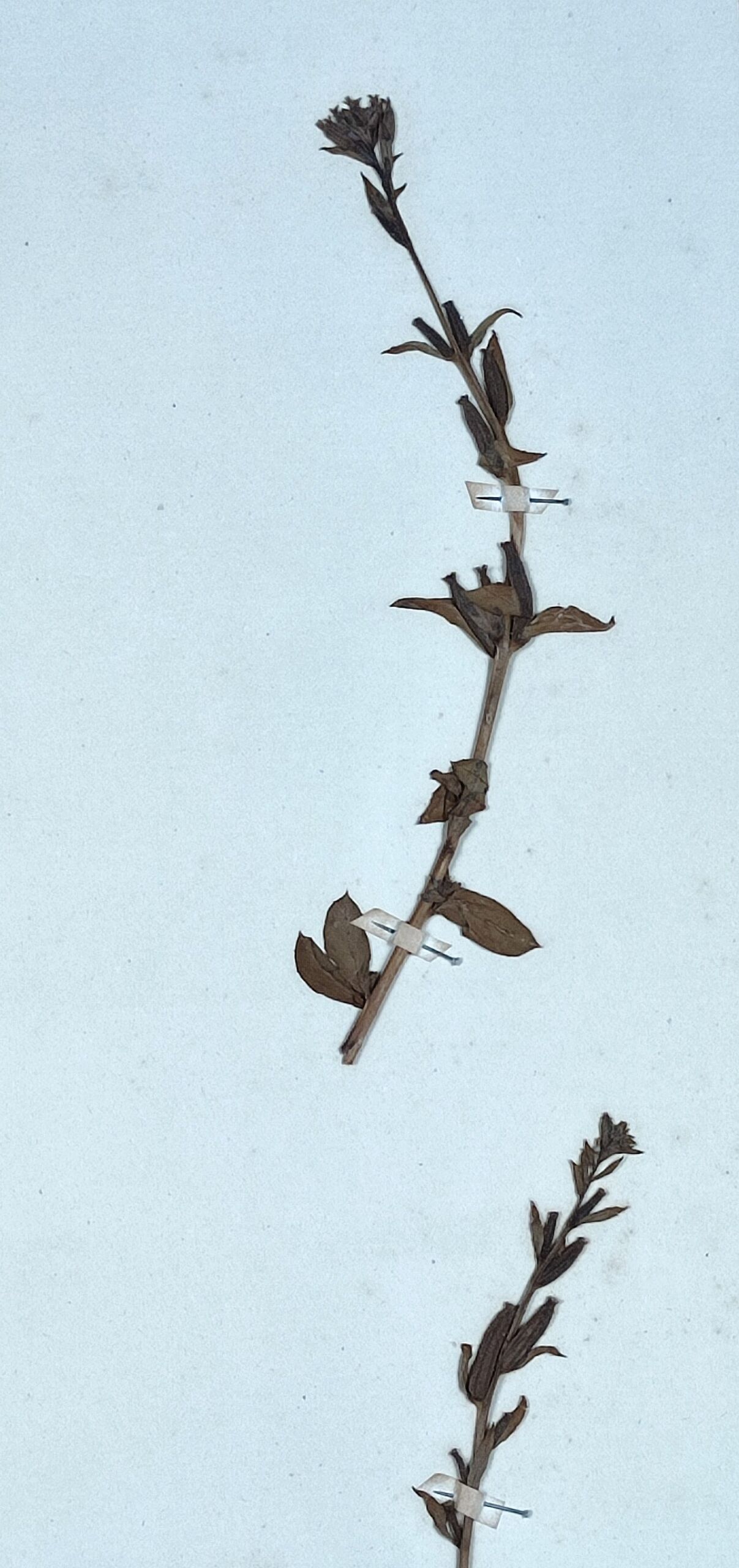
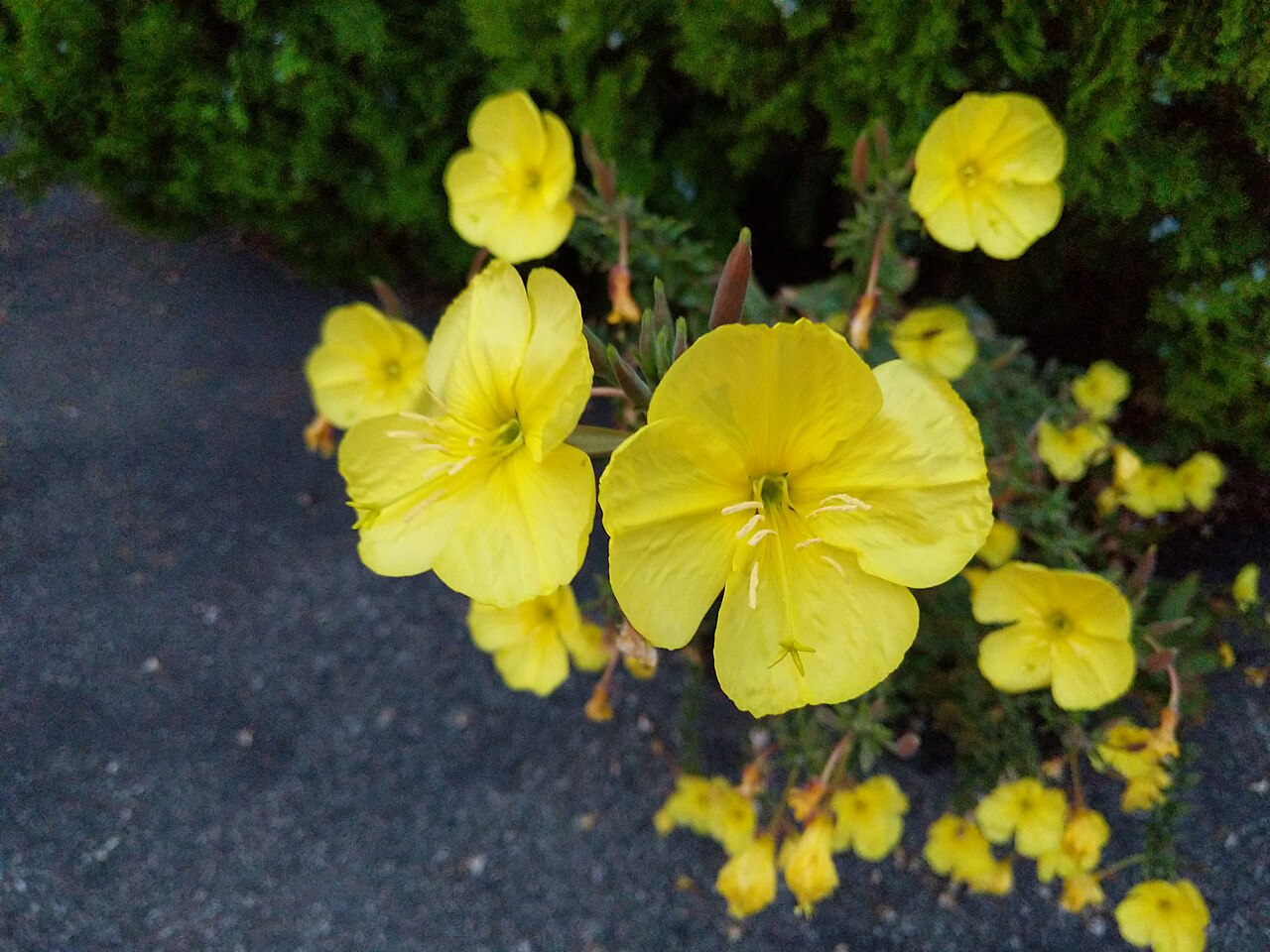
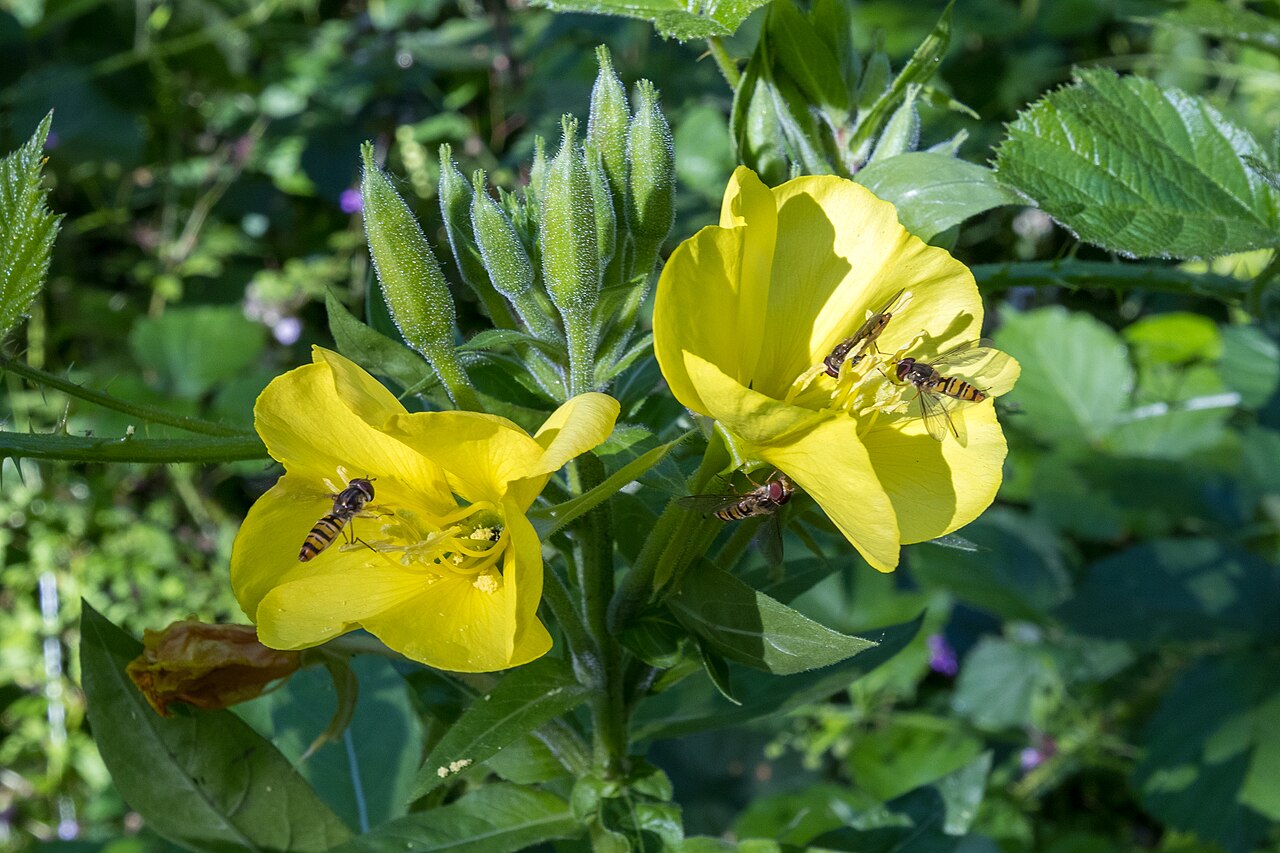
Evening primrose is a biennial: in year one it forms a low rosette of lance-shaped leaves, and in year two it rockets to 3-5 feet and opens large, lemon-yellow, four-petaled flowers in the evening, each bloom lasting a single night and filling the garden with a sweet scent. Start from seed directly outdoors in spring or fall — it germinates readily and self-sows freely — or from transplants, and plant in full sun and well-drained, even poor, soil; evening primrose tolerates sandy, gravelly, and neglected ground better than most garden plants, and rich soil mostly makes it floppy. Give it room and deadhead if you do not want seedlings everywhere, because it seeds generously. Moths pollinate the night-opening flowers, so evening primrose is a night-garden plant as much as a day-garden one, and its tall, swaying stalks make a good back-of-border screen.
Water & feeding
Water until established, then water moderately — evening primrose is drought-tolerant once settled and needs water mainly in extended dry spells. It needs no fertilizer; compost at planting is plenty, and rich feeding makes tall, weak stems that flop. Mulch lightly to hold moisture, and stake tall stalks in windy spots.
Common problems
- Self-seeding everywhere — deadhead before seed ripens, or embrace volunteers and thin them in spring.
- Flopping in rich soil or shade — grow in full sun and lean soil, and stake or cut back tall plants.
- Powdery mildew in humid, crowded beds — space for airflow, water at the base, and cut out affected stems.
- Flea beetles on young leaves — usually minor; row cover early in the season handles most outbreaks.
Harvest
Snip young leaves in spring of year one for salads and cooked greens, and gather flowers in the evening of year two, just as they open, for their scent and color. Seeds ripen in late summer of year two — cut stalks before capsules split if you want to save seed, and deadhead the rest. This guide is about growing only: evening primrose seed oil is widely sold as a supplement, but this guide makes no health claims for it, and if you are considering it for health reasons, talk to a clinician first. In the garden, its value is simpler: a tall, fragrant, moth-friendly biennial that asks for almost nothing and gives back summer evenings.
Browse all plant & pest guides
Saving seeds
Evening primrose does not so much need seed saving as need seed supervision, and that distinction should be in your head before you touch a capsule. This is a biennial that spends year one as a low rosette, bolts in year two into a tall stalk of lemon-yellow flowers that open at dusk, and then dies, having scattered enough seed to found a dynasty. A single plant produces thousands of seeds, and those seeds can persist in the soil for many years, which is why a patch of evening primrose, once established, tends to renew itself forever whether you help or not. Save seed deliberately, and deadhead ruthlessly, and those two habits together are the whole skill.
Collect in late summer of year two, when the long, narrow capsules along the stalk have turned from green to brown and are just beginning to split. The window between ripe and scattered is short, so check every few days, and cut whole stalks into a large paper bag before the capsules fully open, rather than chasing individual pods. Let the stalks dry in the bag in a warm, airy spot for a week or two, then shake and crush the capsules to release the tiny brown seeds and sieve out the larger chaff. You will end up with far more seed than any garden needs from a single stalk, so share the surplus and compost the rest of the stalks.
Dry the cleaned seed thoroughly in a thin layer before it goes anywhere near a lid, because trapped moisture is the fastest way to turn a good seed lot into a moldy one, and Florida humidity punishes impatience. Store it in a paper envelope inside an airtight jar with a desiccant packet, in a cool, dark place, and label it with the species and the year. Under ordinary home storage, expect good germination for a few years, with one seed reference putting typical viability around three to five years and longer under ideal cool, dry conditions; beyond that, sow thickly and let the strongest seedlings sort it out.
To sow, scatter the tiny seeds on the surface of a well-drained mix and do not bury them, because they need light to germinate. A short cold spell of roughly a month in the fridge, mixed with damp sand, is reported to improve germination, but untreated spring sowing also works, so treat stratification as a helpful nudge rather than a requirement. Keep the surface moist until sprouting, then thin the seedlings without mercy, because a crowded primrose patch becomes a tangled, mildewy mess. The flowers are self-fertile, so seed from a straight species plant generally grows true to the species, though seedlings will vary a little, as siblings do, and named varieties may not repeat their exact look.
The self-seeding caution deserves its own breath. If you want a primrose patch and nothing more, deadhead every stalk you do not intend to harvest, pull volunteers where they appear, and never let a stalk go to seed over a perennial bed you care about, because primrose seedlings are cheerful colonizers of open ground. Leave a few capsules for the goldfinches, which relish the seed, and leave a few plants to self-sow where a colony is welcome. And one boundary the rest of this guide already holds: evening primrose seed oil is sold as a supplement, but this guide makes no health claims for it, and saving seed for the garden is a different project from anything medicinal, so keep the two firmly apart.
Varieties
Every named variety of Evening Primrose with its own growing guide:
- Comanche Campfire Evening Primrose — The big yellow sundrop: huge, canary-yellow cups over blue-grey foliage on red stems, the Missouri evening primrose for hot, dry beds.
- Twilight Evening Primrose — The plum-leaf sundrop: pale pink flowers over foliage that opens plum-purple and ages to green-bronze, the evening primrose with two shows.