
🌼 Twilight Evening Primrose
What it looks like
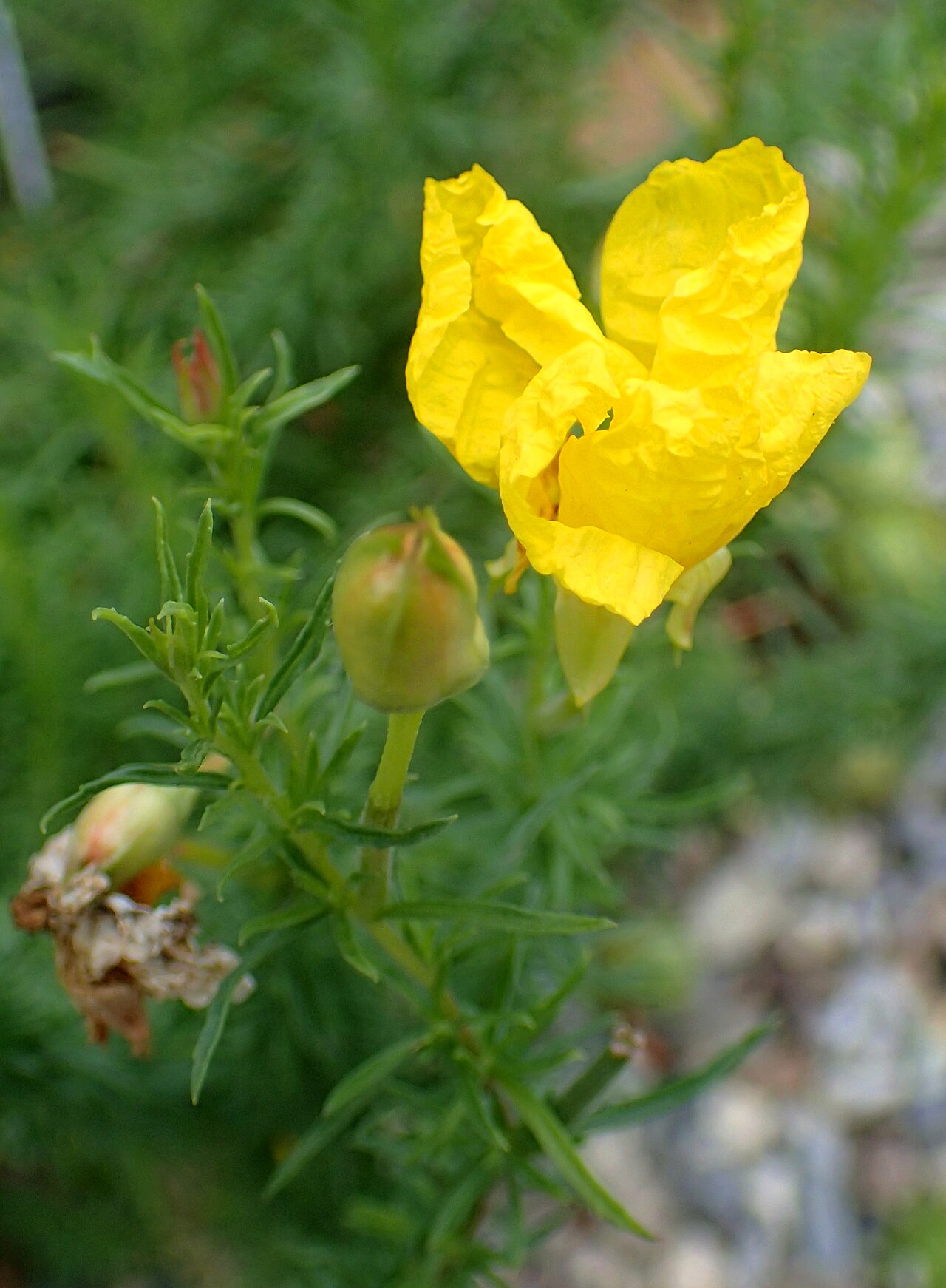
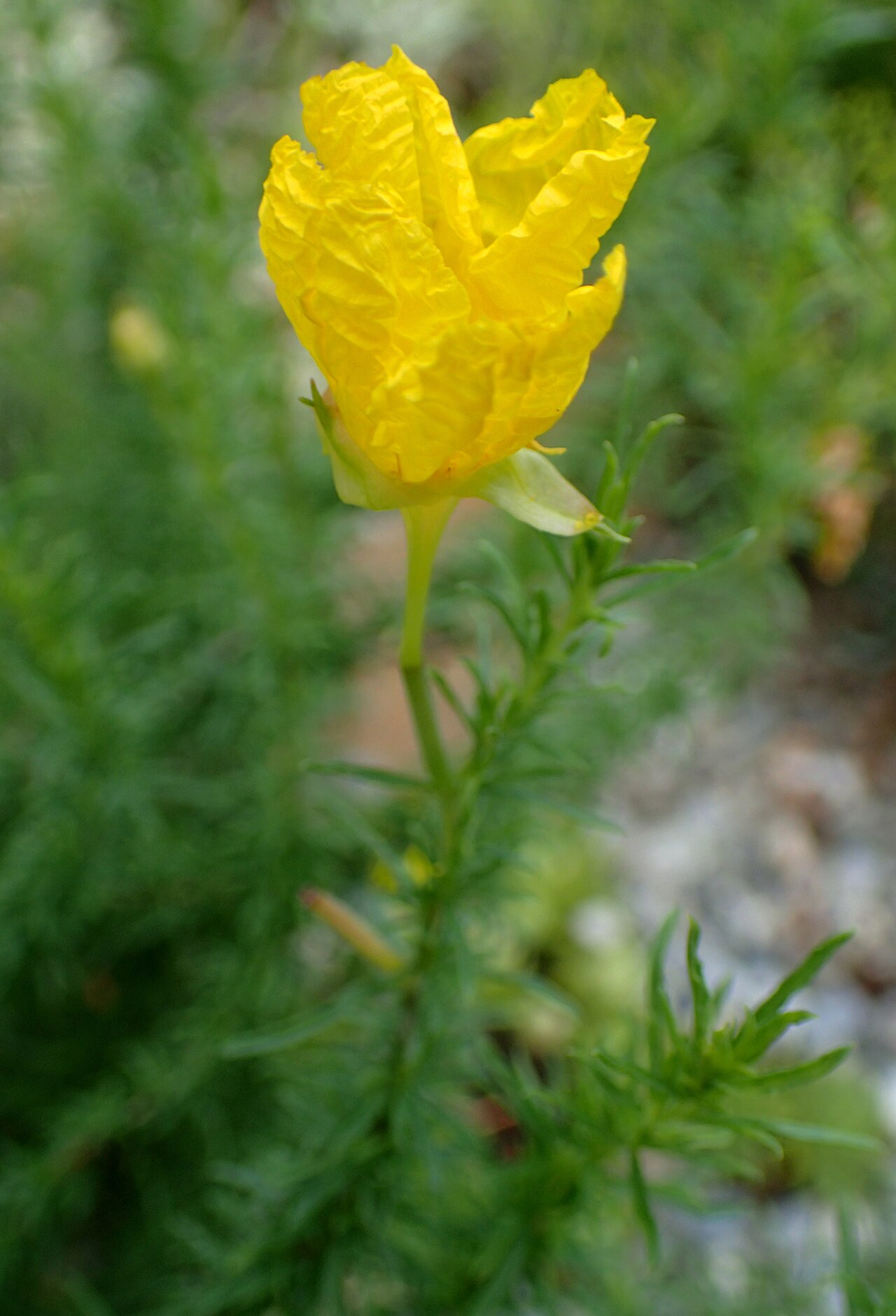
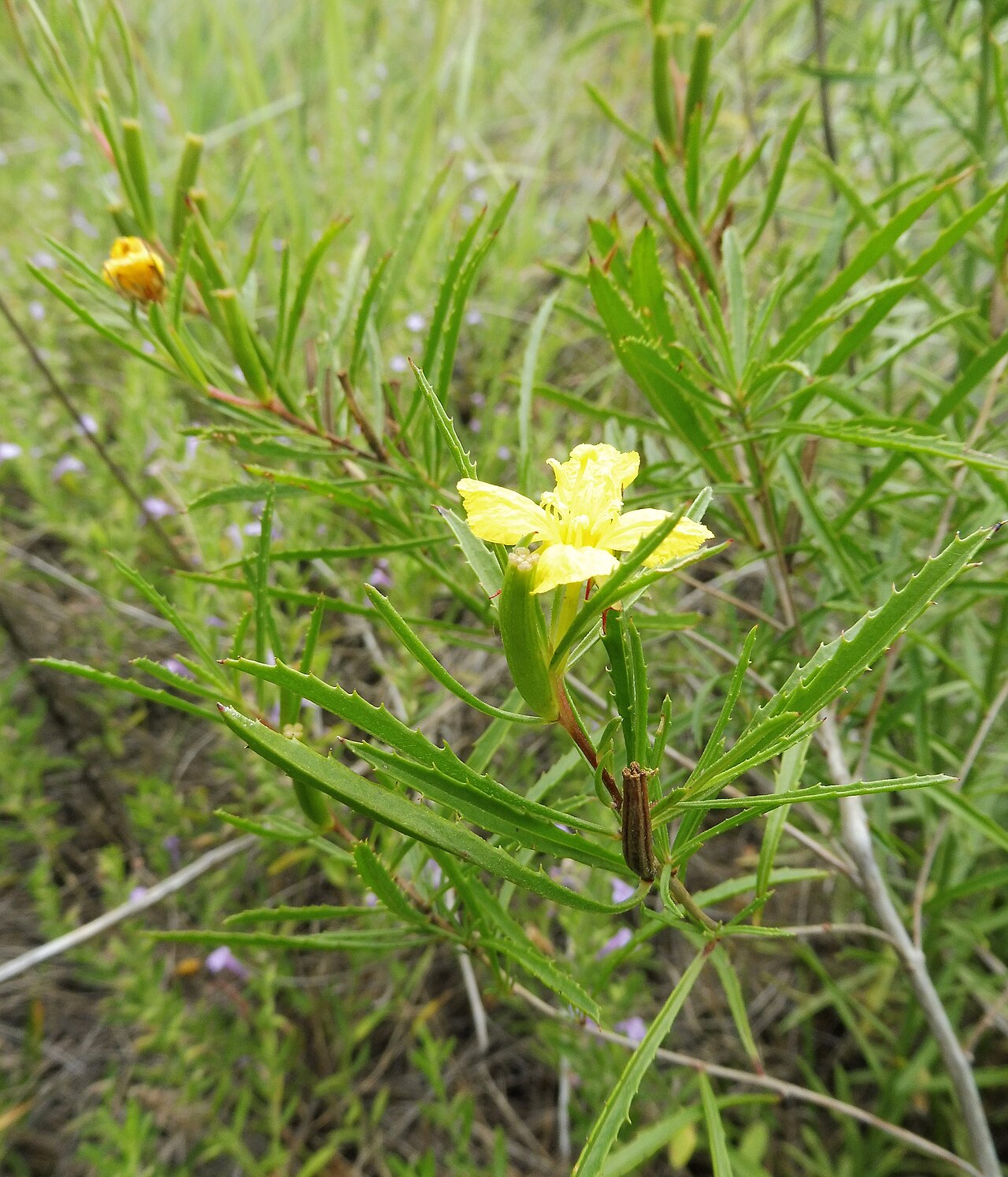
Why this variety
Twilight is the evening primrose for gardeners who want foliage drama before a single flower opens: new growth emerges plum-purple, matures to green-bronze with purple variegation, and carries pale pink, four-petaled cups from spring into fall. It is a selection of Berlandier’s sundrops (Oenothera berlandieri), a south-central native of dry prairies and rocky ground, so it brings genuine drought tolerance and a spreading, ground-covering habit — 9 to 24 inches tall, wider than tall — that fills a sunny, poor-soil bed where fussier perennials starve.
The trade-off is its enthusiasm: Twilight spreads by underground rhizomes and by seed, and in happy soil it will wander. Give it sun, sharp drainage, and lean soil, edge it where you do not want it, and do not plant it in a formal bed you expect to stay put. It is not the biennial common evening primrose of the species guide (Oenothera biennis) — it is a perennial sundrops cousin sold under the evening-primrose name, and this guide says so plainly, because the Latin name is the truth and the common name is the nickname.
If you are new to choosing between cultivars, the Varieties Matter guide explains why the name after the plant matters as much as the plant itself. Twilight is a perfect example: it is not just a evening primrose in the abstract, it is a evening primrose with a specific job, a specific history, and specific strengths.
Florida honesty: Twilight is a warm-season perennial trial statewide in Florida, with its best shot in sunny, sandy, well-drained beds — the dry-prairie heritage that makes it drought-tolerant also makes it hate wet feet. Give it sun, a raised bed where summer rain ponds, and room to spread, and treat it as a long-blooming ground cover rather than a guaranteed permanent perennial. In wet soil it rots, so drainage decides everything.
How to grow
Plant in spring or fall in full sun and sharply drained, even poor soil — sundrops are dry-prairie plants that rot in rich, wet soil faster than they starve in poor soil. Work a little worm castings into the bed at planting, do not overfeed, and give them room to spread. Water to establish, then water sparingly; a sundrop that is pampered with water and fertilizer grows leaves, not flowers.
Set plants 12-18 inches apart in soil with a pH around 6.0-7.5. Work worm castings into the bed at planting and mulch to hold moisture. A well-fed evening primrose plant rewards that care directly: steadier growth, better bloom, and a show that actually shows up.
Water & feeding
Water to establish, then water sparingly — sundrops are drought-tolerant once established and rot in wet soil. Water at the soil line, do not mulch heavily, and feed lightly: castings at planting is usually enough, because rich soil makes leafy sundrops with fewer flowers.
Common problems
- Spreading beyond its bed — sundrops spread by rhizomes and seed; edge the bed and edit volunteers in spring.
- Rot in wet soil — sundrops’ killer in humid climates; plant in sharp drainage or raised beds.
- Confusion with the biennial species — Twilight and Comanche Campfire are perennial sundrops cousins, not Oenothera biennis; check the Latin name when buying.
- Flopping in rich soil — lean soil makes sturdier sundrops; do not overfeed.
- Short bloom in drought — a sundrop that dries out stops blooming; water deeply in dry spells.
Harvest
Cut stems for bouquets in bloom season, when cups are fully open — sundrops flowers last a day or two in water and suit loose, wildflower-style arrangements, though they are best admired in the garden at dusk. Deadhead lightly for rebloom, or let plants seed for next year’s drift, and divide congested clumps in spring or fall every few years. Do not harvest biennial roots or seeds for food or oil from ornamental plantings without knowing the species and its safety.
Browse all plant & pest guides
Saving seeds
Twilight is the evening primrose for gardeners who want foliage drama before a single flower opens: new growth emerges plum-purple, matures to green-bronze with purple variegation, and carries pale pink, four-petaled cups from spring into fall. It is a selection of Berlandier’s sundrops (Oenothera berlandieri), a south-central native of dry prairies and rocky ground, so it brings genuine drought tolerance and a spreading, ground-covering habit — 9 to 24 inches tall, wider than tall — that fills a sunny, poor-soil bed where fussier perennials starve. Seed will not reliably repeat the plum-purple variegation — seedlings revert toward plain green — so Twilight is kept true by division: lift and divide the spreading rhizomes in spring or fall, and edge it where you do not want it to wander. The full method is in the Saving seeds section of the Evening Primrose guide.