
🔥 Flavida Royal Poinciana
What it looks like

Why this variety
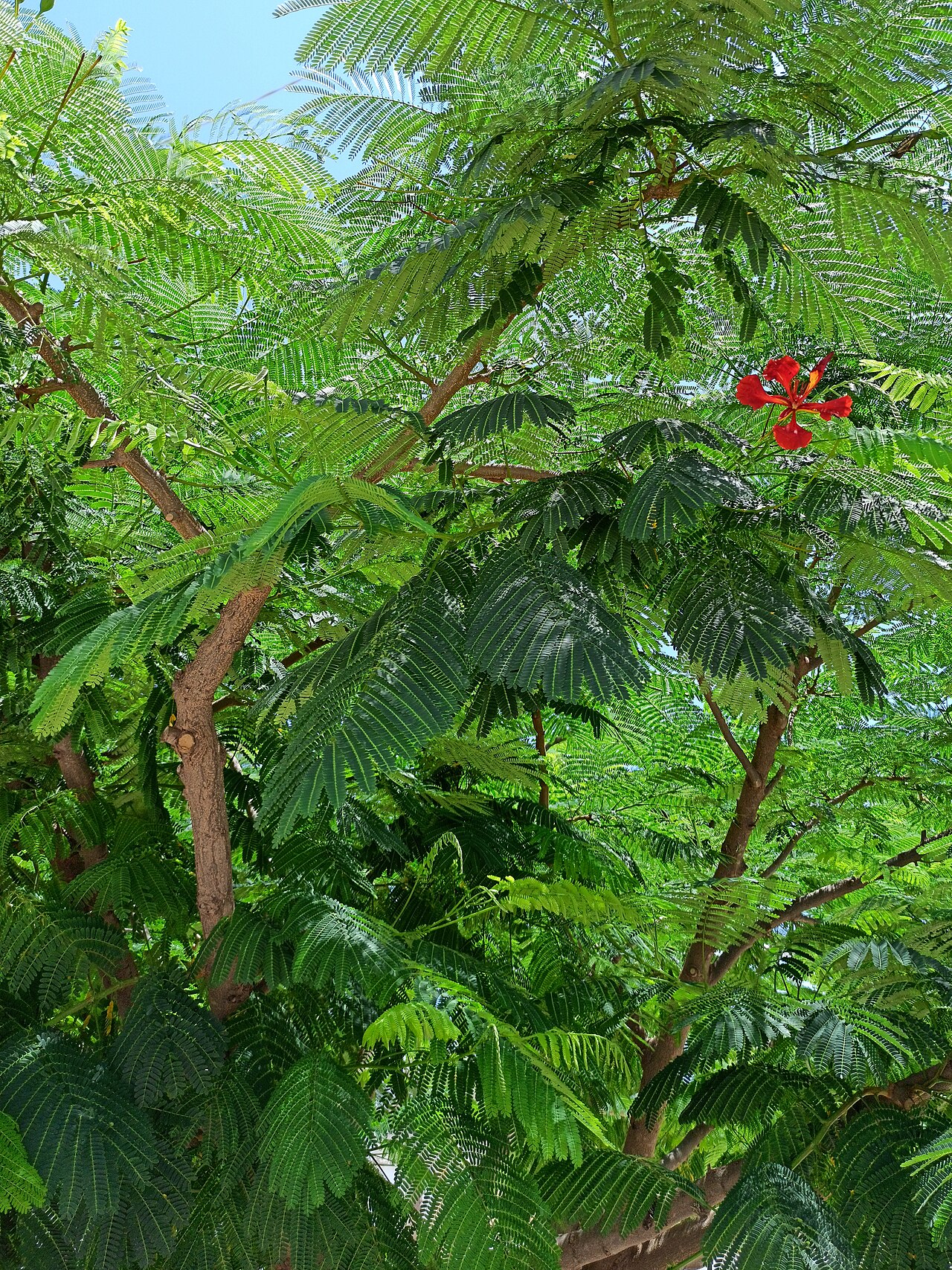
Flavida is the yellow-flowered form of royal poinciana — Delonix regia var. flavida — and it is the poinciana for gardeners who want the flame tree’s shape without its scarlet: the same wide, umbrella crown, the same fern-like doubly compound leaves, the same spectacular summer bloom, but in clear golden-yellow instead of scarlet-orange. It is rarer in the trade than the red form, which makes it a talking point as well as a tree, and its flowers light up a south-Florida yard like a second sun.
In Florida, Flavida carries exactly the same range warning as the species: zones 10–12, south peninsula only, a gamble in central Florida and a donation to the next freeze farther north. Give it full sun, well-drained soil, 35 feet of room and distance from pools and paving — the yellow flowers litter just as enthusiastically as the red ones — and train its structure young, because poinciana wood is brittle whatever colour the flowers are.
How to grow
Royal poinciana is the flame tree: 30–40 feet tall and wider than it is tall, with fern-like leaves and, in late spring and summer, masses of scarlet-orange flowers that stop traffic across south Florida. Plant in full sun in well-drained soil, 30 feet or more from structures, paving and pools — the roots are shallow and spreading, and the flowers and pods litter everything beneath. Train a strong structure while young, because poinciana wood is brittle and a badly shaped tree is a storm problem. Water deeply through the first two years; after that it tolerates drought, though steady moisture gives the best growth. And be blunt about the range: this is a zone 10–12 tropical tree. In central Florida it is a gamble, in north Florida it is a donation to the next freeze, and a frozen poinciana is a climate verdict, not a care failure.
Water & feeding
Water deeply through establishment, then in dry spells; established poinciana is drought-tolerant. Feed lightly in spring. Avoid overwatering in winter, when growth slows, and avoid ground that stays wet.
Common problems
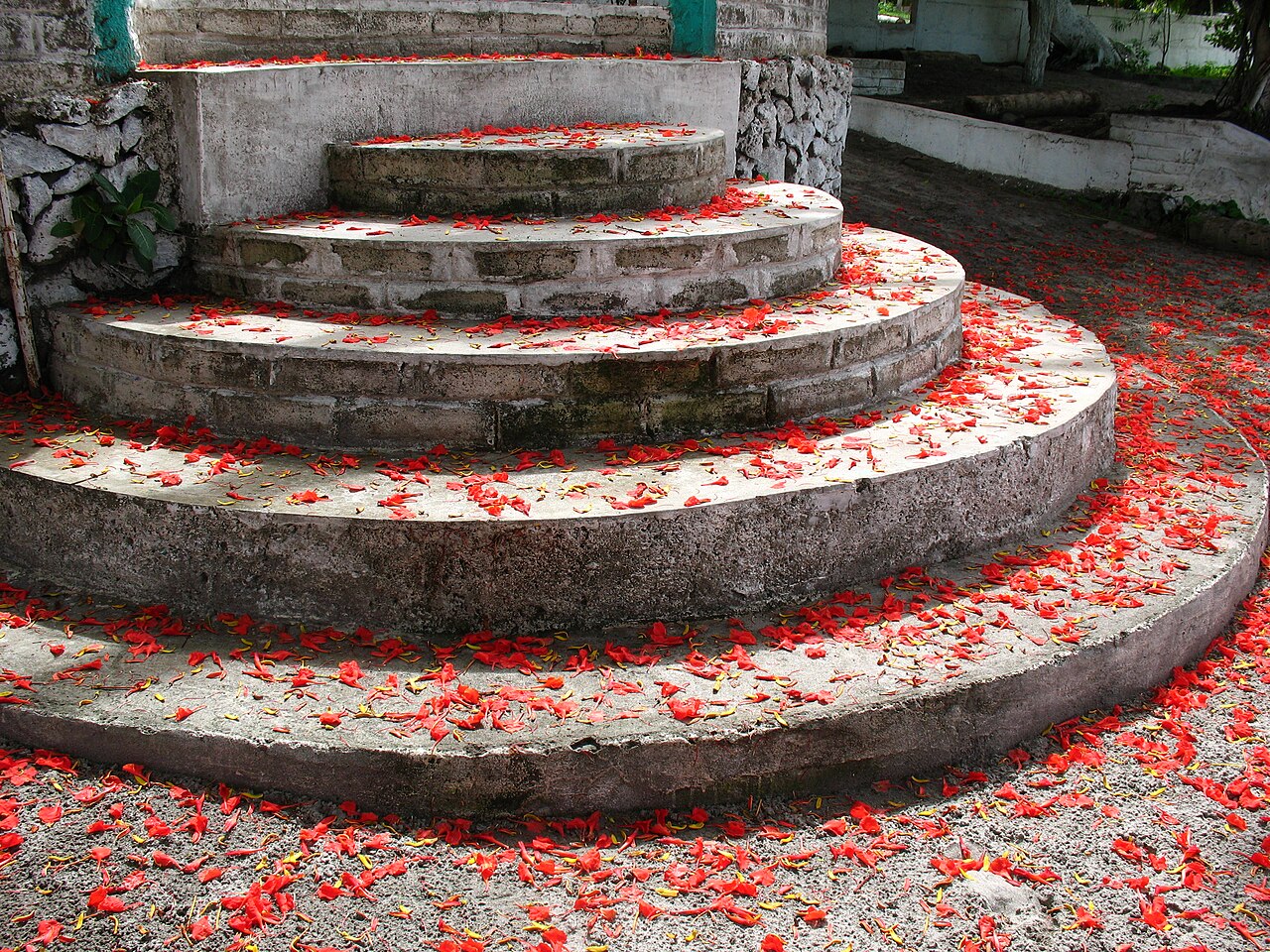
Few serious pests. Mess is the main complaint — flowers, leaflets and foot-long pods litter the ground, so site it over mulch or lawn, not over a pool or a pale patio. Branch breakage in storms is reduced by early structural pruning. Cold is the real killer, and there is no spray for it.
Harvest
The harvest is the bloom and the shade: a Flavida in full flower shades a whole yard in gold, and its wide crown is genuine shade, not decoration. Rake the flower litter in season and compost it; do not site the tree over a pool unless you enjoy skimming petals daily. The long pods are ornamental — leave them or prune them, but do not eat them.
Nerdy fact: Delonix regia is named for the Greek delos (evident) and onyx (claw) — the petals have a clawed base — while ‘regia’ means royal. A yellow royal poinciana is still royal; it has simply changed its robes.
Saving seeds
Flavida is the yellow-flowered form of royal poinciana, and it is propagated by cuttings to hold the yellow color — seedlings vary in flower color and may come back red. The Saving seeds section of the Royal Poinciana guide covers seed for the species generally.