
🥬 Florida Broadleaf Mustard Greens
What it looks like
Why this variety
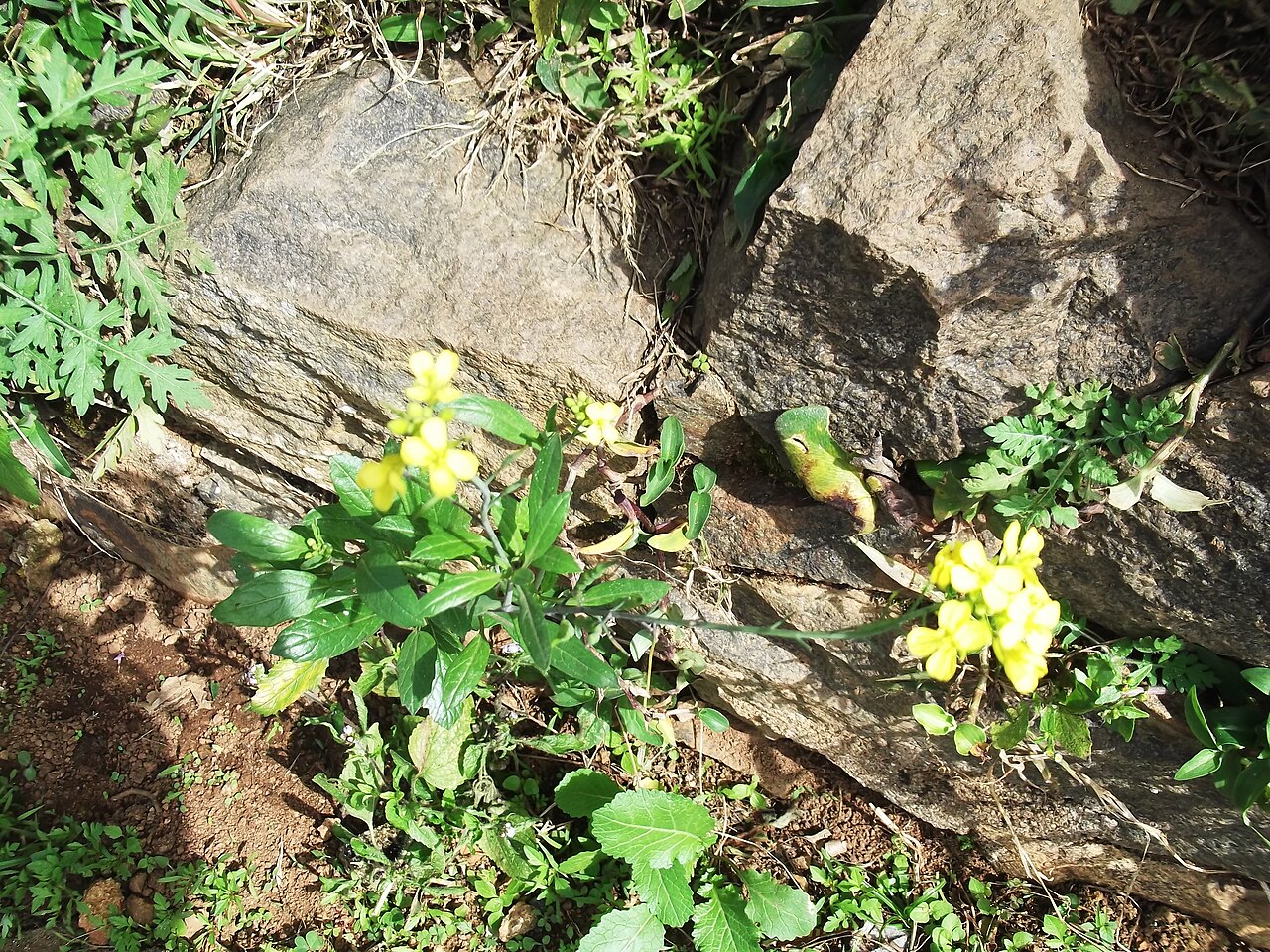
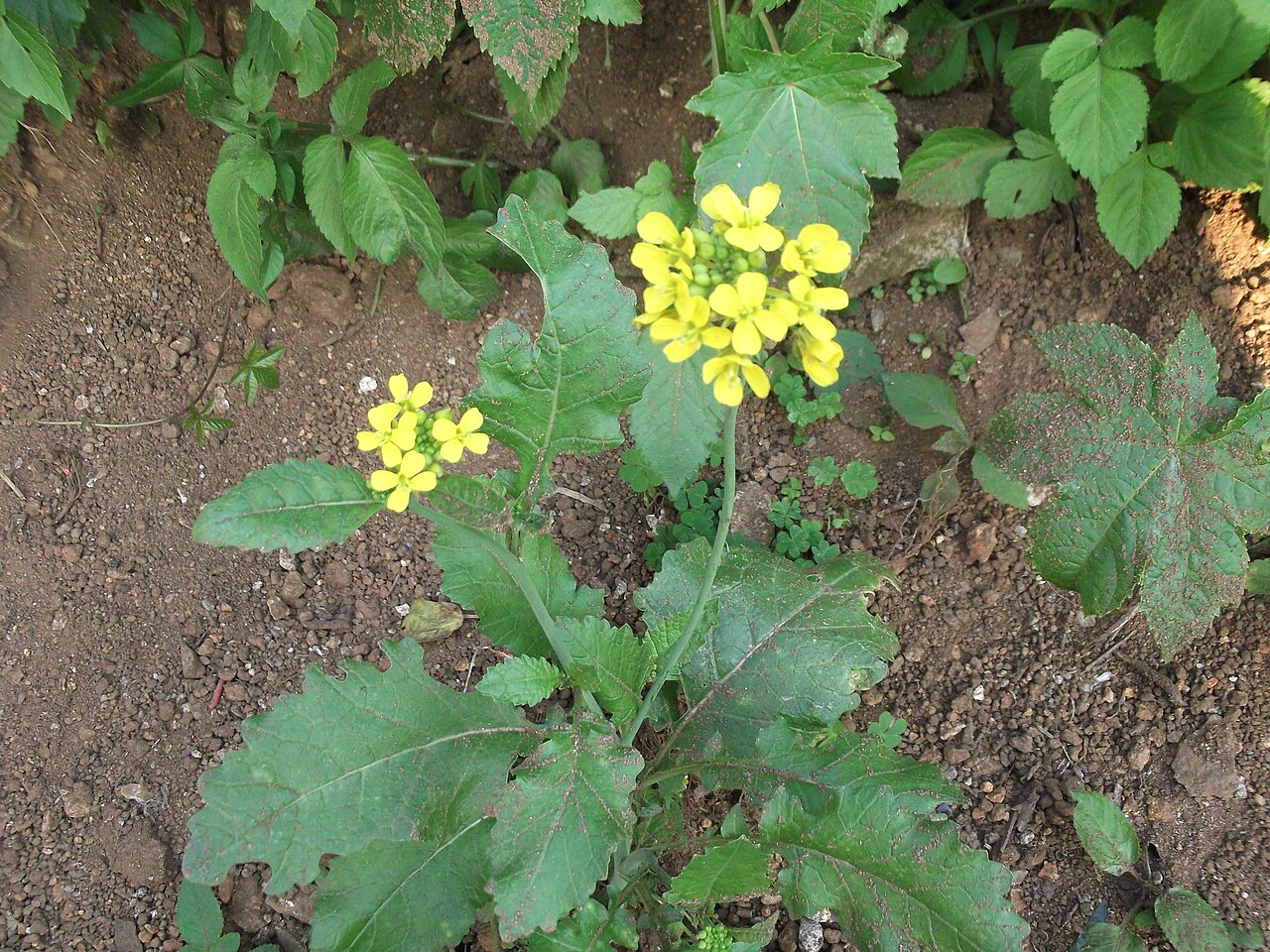
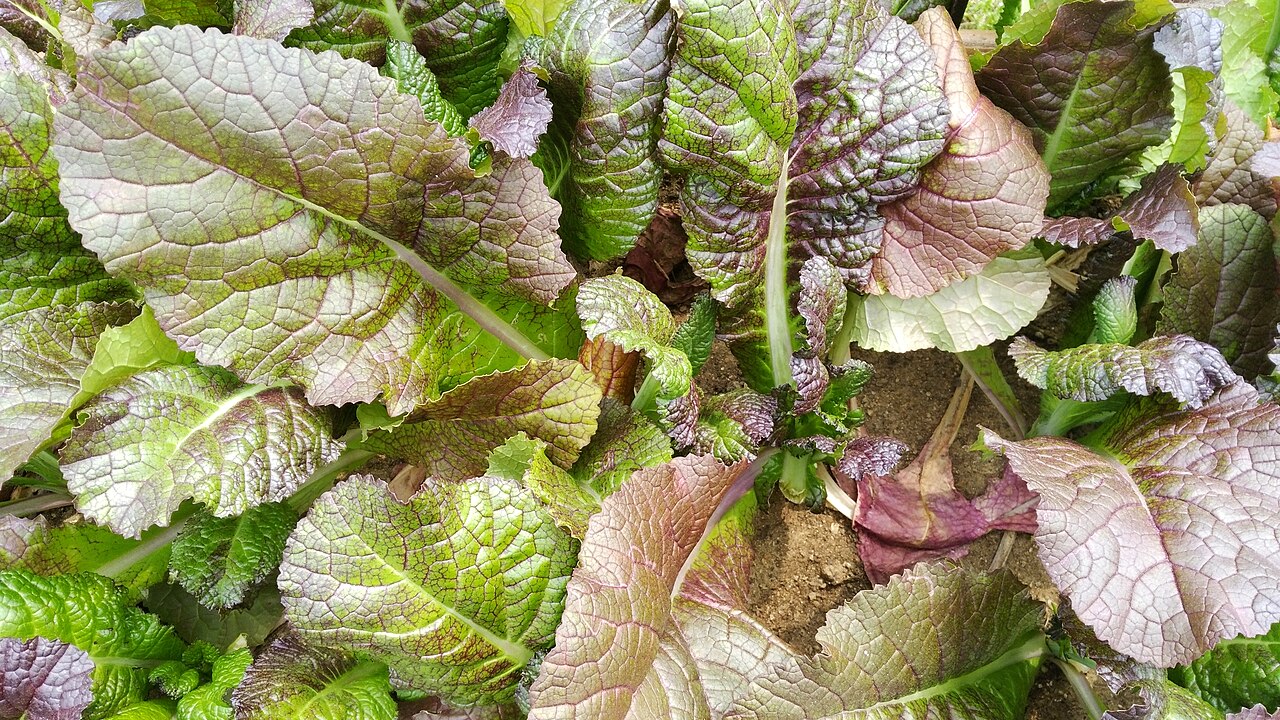
Florida Broadleaf is the smooth-leaved Southern mustard: large, broad, lightly crumpled leaves with a milder, greener flavor than the frilly types, and a reputation for tolerating warm weather a little better than its cousins. The name is a variety name, not a claim about where it grows — though it does grow well in warm climates, which is presumably how it earned the name.
Broad leaves have a practical advantage: they cook down evenly, wilt into a silky mass without the frilly bits that overcook, and are easier to wash than deeply curled leaves — a real consideration when the leaves come in from a sandy bed. If your mustard plans end in a pot, Broadleaf is the low-fuss choice.
If you are new to choosing between cultivars, the Varieties Matter guide explains why the name after the plant matters as much as the plant itself. And if you want the whole clan at a glance, the broader Mustard Greens guide covers mustard greens generally.
How to grow
In Florida, mustard greens are a fall-through-spring staple: sow from fall into winter, harvest leaves young for mild flavor or full-size for the full peppery punch, and succession-sow for a steady supply. A light frost sweetens them, and a warm spell turns them hotter and quicker to bolt — pick early and often in a warm spring.
Sow directly or transplant 12 inches apart in rich, moist soil, from fall through spring in warm climates. Florida Broadleaf tolerates a warm spell better than most mustards, but it still does its best work in cool months — sow for fall for the biggest, mildest leaves.
Water & feeding
Mustard greens grow fast and drink steadily. Keep the soil evenly moist, mulch to hold that moisture, and feed with compost at planting and again halfway to harvest. Drought stress turns the flavor from pleasantly peppery to punishingly hot, so keep the hose handy.
Common problems
Flea beetles, cabbage worms, and harlequin bugs are the usual visitors; row cover and hand-picking handle them. Drought stress turns the flavor from pleasantly peppery to punishingly hot, so keep the soil moist and mulch to hold it.
Harvest
Cut outer leaves as needed, or the whole plant at 45 days. Young leaves are tender enough for salads; mature leaves are best simmered, braised, or wilted with garlic. As with all mustards, the cooking liquid is potlikker — save it.
Nerdy fact: Florida Broadleaf’s smoothness is a breeding choice, not a defect: smooth leaves were selected by growers who wanted a mustard that washed clean and cooked evenly, which is a reminder that ‘improved’ sometimes means ‘easier to wash,’ and that is a perfectly good improvement.
Saving seeds
Florida Broadleaf is an open-pollinated Southern heirloom mustard, so saved seed comes true — let a plant bolt and set seed, then thresh the pods once they dry. The full method is in the Saving seeds section of the Mustard Greens guide.