
🌙 Flowering Tobacco
What it looks like


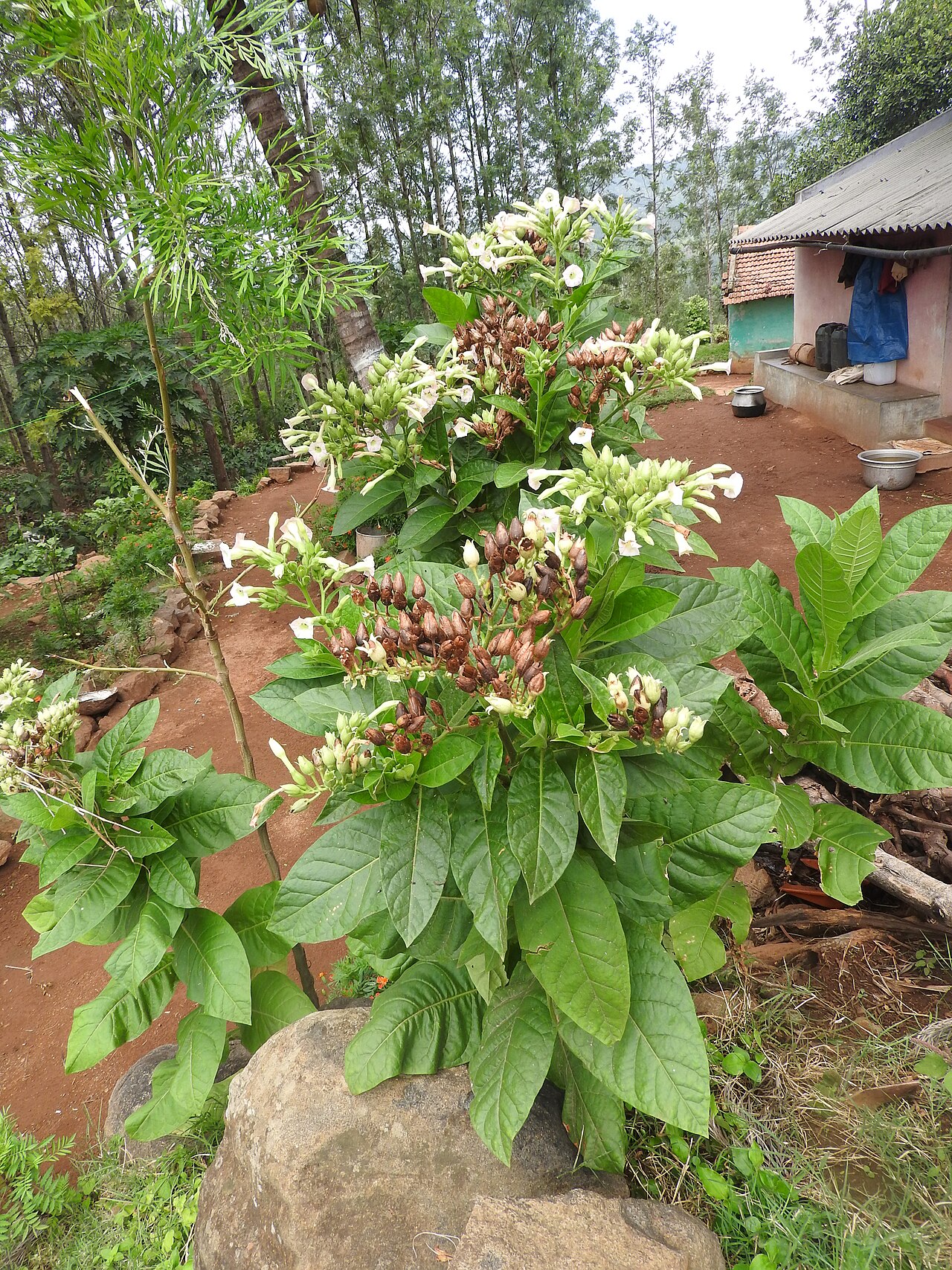
How to grow
Flowering tobacco is an old-fashioned annual, 2–3 feet tall (taller types to 5 feet), with rosettes of large leaves and tall stems of star-shaped trumpet flowers in white, pink, red, lime, or purple — and, in the fragrant types, a jasmine-like scent that opens in the evening and perfumes the garden at dusk, attracting night-flying moths. Plant after last frost in full sun to part shade in rich, moist, well-drained soil, spacing 12–24 inches apart. Note: modern bedding types bred for daytime bloom often have little scent — if fragrance is the point, choose tall, evening-scented types like ‘Grandiflora’ or species N. alata and N. sylvestris, and plant them near a patio or path where you sit in the evening. All parts are toxic if eaten; this is an ornamental, not a crop, and it is not for smoking.
Water & feeding
Keep soil evenly moist; flowering tobacco wilts fast in dry soil and blooms best with steady water. Mulch to hold moisture. Feed every few weeks with a balanced liquid feed or compost in poor soil — it is a moderate feeder and rewards feeding with more flowers.
Common problems
- Wilting in dry soil — water deeply; this plant drinks.
- Tobacco hornworm — large green caterpillars; hand-pick (they also eat tomatoes, so check both).
- No scent — you bought a modern daytime type; choose fragrant varieties next time.
- Aphids — blast with water; beneficials usually follow.
Notes
Deadhead spent flowers to prolong bloom, or leave some to self-seed — flowering tobacco often returns on its own in mild climates. Cut stems for bouquets in the evening when flowers are open. In zones 10–11 it may overwinter as a short-lived perennial; elsewhere, treat it as an annual and replant each spring.
Browse all plant & pest guides
Saving seeds
Toxicity warning first, because this one matters. Flowering tobacco is Nicotiana, and all parts of the plant contain nicotine and related alkaloids that are toxic if eaten. Ornamental types are generally described as carrying less nicotine than commercial smoking tobacco, but “less” is not “safe,” and sources differ on how much comfort to take from that. Treat the plant, and especially the seed, as poisonous if ingested: label every packet clearly, store it where children and pets cannot reach it, wash your hands after handling, and never let anyone mistake it for an edible or herbal crop. Keep it away from the vegetable patch for a second reason too: as a member of the nightshade family, Nicotiana shares viruses, including mosaic virus, with tomatoes, peppers and potatoes.
With that out of the way, the good news is that flowering tobacco is almost embarrassingly easy to save seed from — so easy, in fact, that the real skill is stopping it. Stop deadheading a few stems late in the season and let the flowers fade into green, oval capsules. Wait until those capsules turn tan and papery and begin to split at the top, then clip the whole stem, hang it upside down in a dry, airy spot for a week or two, and shake it over paper. Out will rain dust-fine seed, thousands to a capsule, each one smaller than a freckle. That tininess is the whole game: the seed needs light to germinate, so when you sow, press it onto the surface of moist seed mix and do not bury it. Start indoors about eight to ten weeks before your last frost, keep the mix moist at around 20°C, and expect sprouts in roughly ten to twenty days.
For storage, dry the seed thoroughly first — in Florida humidity, “thoroughly” means spread thin, out of direct sun, until it feels papery-dry, not just “left overnight.” Then seal it in an airtight container with a desiccant packet and keep it cool and dark. Well-dried seed is often cited as staying viable for three to four years, which is generous for an annual flower and one reason a single good capsule can fund several seasons of evening scent.
Crossing is where the romance gets complicated. Nicotiana cross-pollinates readily, especially between close relatives, so seed saved from a mixed planting will not reliably repeat a named colour or form. If purity matters, grow one variety alone for seed, or cage or bag the flowers you intend to save from while they are in bloom. If it does not matter, embrace the scramble. And a final self-seeding caution: left alone, flowering tobacco volunteers freely in mild climates and can overwinter as a short-lived perennial in zones 10–11. Deadhead if you want a tidy border; leave a few capsules if you want next year’s plants to plant themselves. Either way, you will rarely need to buy this seed twice.
Varieties
Every named variety of Flowering Tobacco with its own growing guide:
- Lime Green Flowering Tobacco — The green trumpet: chartreuse-green, jasmine-scented trumpets that glow at dusk, the flowering tobacco that lights a dark corner.
- Perfume Deep Purple Flowering Tobacco — The purple perfumer: deep purple, sweetly scented trumpets on compact plants, bred to perfume the evening from a pot or a path edge.