
🌙 Lime Green Flowering Tobacco
What it looks like


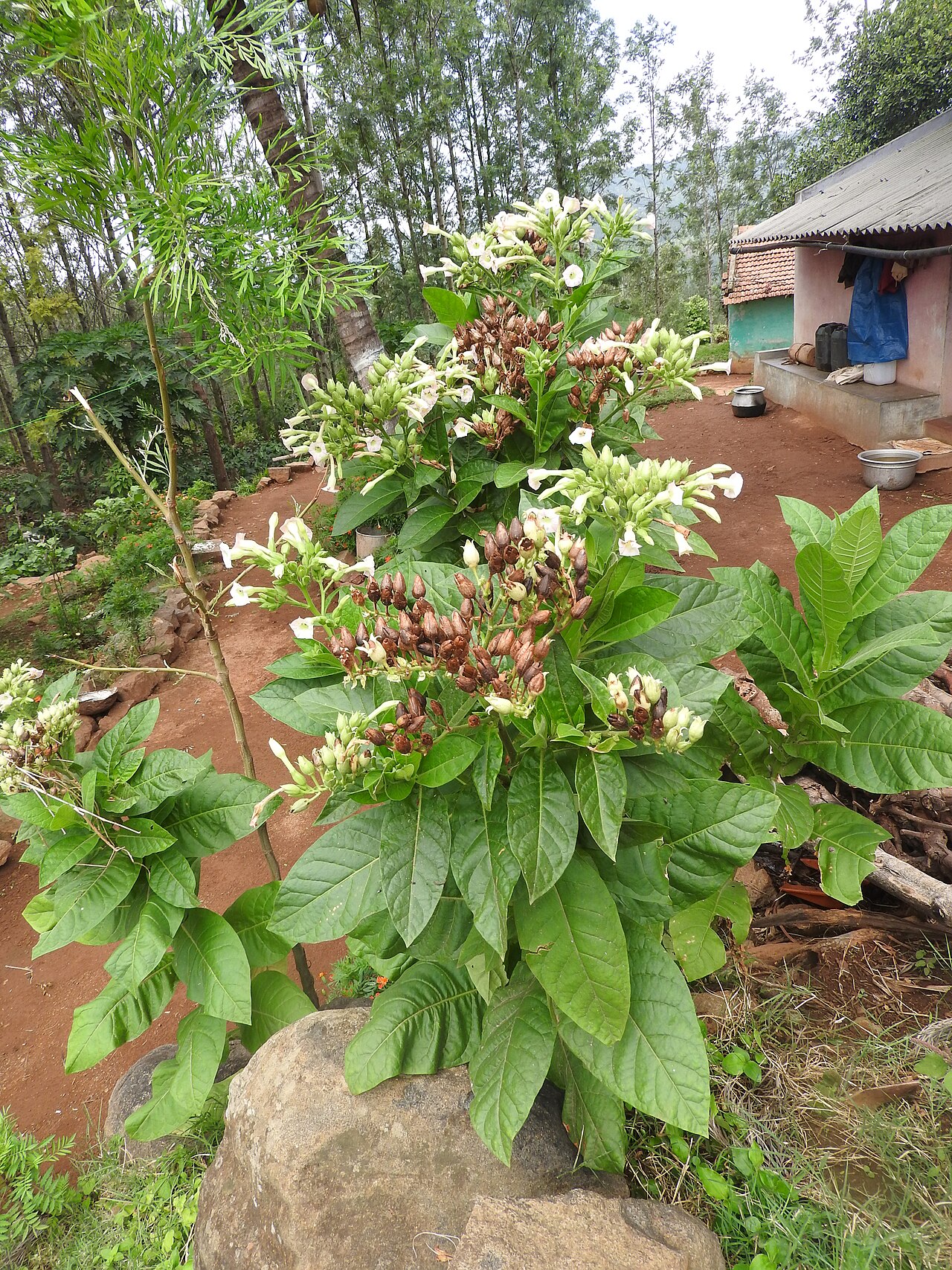
Why this variety
Lime Green is the flowering tobacco for gardeners who think green flowers are a contradiction: tall, 2- to 3-foot plants carrying chartreuse-green, star-shaped trumpets that look luminous at dusk, when most flowers have gone dark. The flowers are jasmine-scented, opening wider in the evening for moths, and the green color — rare in garden flowers — pairs with anything, from purple petunias to silver dusty miller, without ever clashing. It is a selection of Nicotiana alata, the jasmine tobacco, and it is the flowering tobacco to plant where you sit in the evening.
The trade-off is the family business: Nicotiana contains nicotine, and every part of the plant is toxic if eaten, so this is a look-and-smell plant, never a taste plant — keep it away from curious children and pets, and wash hands after handling. It also wants rich, moist soil and steady water, unlike its drought-tolerant cousins: a Lime Green that dries out stops blooming and sulks. Give it sun to part shade, rich soil, and water, and it will perfume your evenings from summer until frost.
If you are new to choosing between cultivars, the Varieties Matter guide explains why the name after the plant matters as much as the plant itself. Lime Green is a perfect example: it is not just a flowering tobacco in the abstract, it is a flowering tobacco with a specific job, a specific history, and specific strengths.
Florida honesty: flowering tobacco is a genuine statewide annual in Florida, and Lime Green thrives in Florida heat provided it gets moisture and afternoon shade in the hottest gardens. Give it rich, moist soil, water through dry spells, and plant it where you sit at dusk — a patio pot or a path edge — so the jasmine scent finds you. In dry soil it stalls, so mulch and water are the care program.
How to grow
Start seeds indoors 8 to 10 weeks before the last frost — nicotiana seed is tiny and needs light to germinate, so press it into the surface, do not cover it — or buy plants and set them out after frost danger. Plant in sun to part shade and rich, moist soil, work worm castings into the bed at planting, and water steadily through summer. Wear gloves when handling plants, wash hands after, and never plant nicotiana where a child might mistake it for something edible.
Set plants 12-18 inches apart in soil with a pH around 6.0-7.0. Work worm castings into the bed at planting and mulch to hold moisture. A well-fed flowering tobacco plant rewards that care directly: steadier growth, better bloom, and a show that actually shows up.
Water & feeding
Keep soil evenly moist through summer — flowering tobacco wants rich, moist soil and steady water, unlike its drought-tolerant cousins. Water at the soil line, mulch to hold moisture, and feed moderately: castings at planting plus a balanced liquid feed every couple of weeks during heavy bloom keeps the trumpets coming. A plant that dries out stops blooming and does not resume quickly.
Common problems
- Toxicity — every part of Nicotiana is toxic if eaten; keep away from children and pets, wash hands after handling, and never plant it where it might be mistaken for food.
- Wilting in dry soil — flowering tobacco wilts fast and resumes blooming slowly; keep soil evenly moist through summer.
- Leggy growth in shade — lean toward sun for compact plants; deep shade makes tall, thin tobacco.
- Aphids and whiteflies in hot weather — blast with water and encourage predators before reaching for sprays.
- Tobacco mosaic virus on stressed plants — remove affected plants and do not compost them; wash tools after handling.
Harvest
Cut stems for bouquets in the evening, when trumpets are fully open and scented — nicotiana flowers last a few days in water and perfume a room, though the foliage scent means you should sniff before committing to a dining-table bouquet. Deadhead lightly for rebloom, and at season’s end pull annual plants and compost them — wearing gloves, and never composting diseased plants where tobacco mosaic might persist.
Browse all plant & pest guides
Saving seeds
Lime Green is a lime-flowered selection of Nicotiana alata, grown from seed — start seeds indoors 8 to 10 weeks before the last frost, surface-sown since the dust-fine seed needs light — and it self-seeds freely where it is happy. Whether the selection itself is open-pollinated or a hybrid isn’t pinned down in the sources we checked, so saved seed is a gamble: let a few capsules ripen and dry, collect the seed, but buy fresh seed if you want the lime color exactly as sold. The full method is in the Saving seeds section of the Flowering Tobacco guide.