
🌸 Forest Pansy Redbud
What it looks like
Why this variety
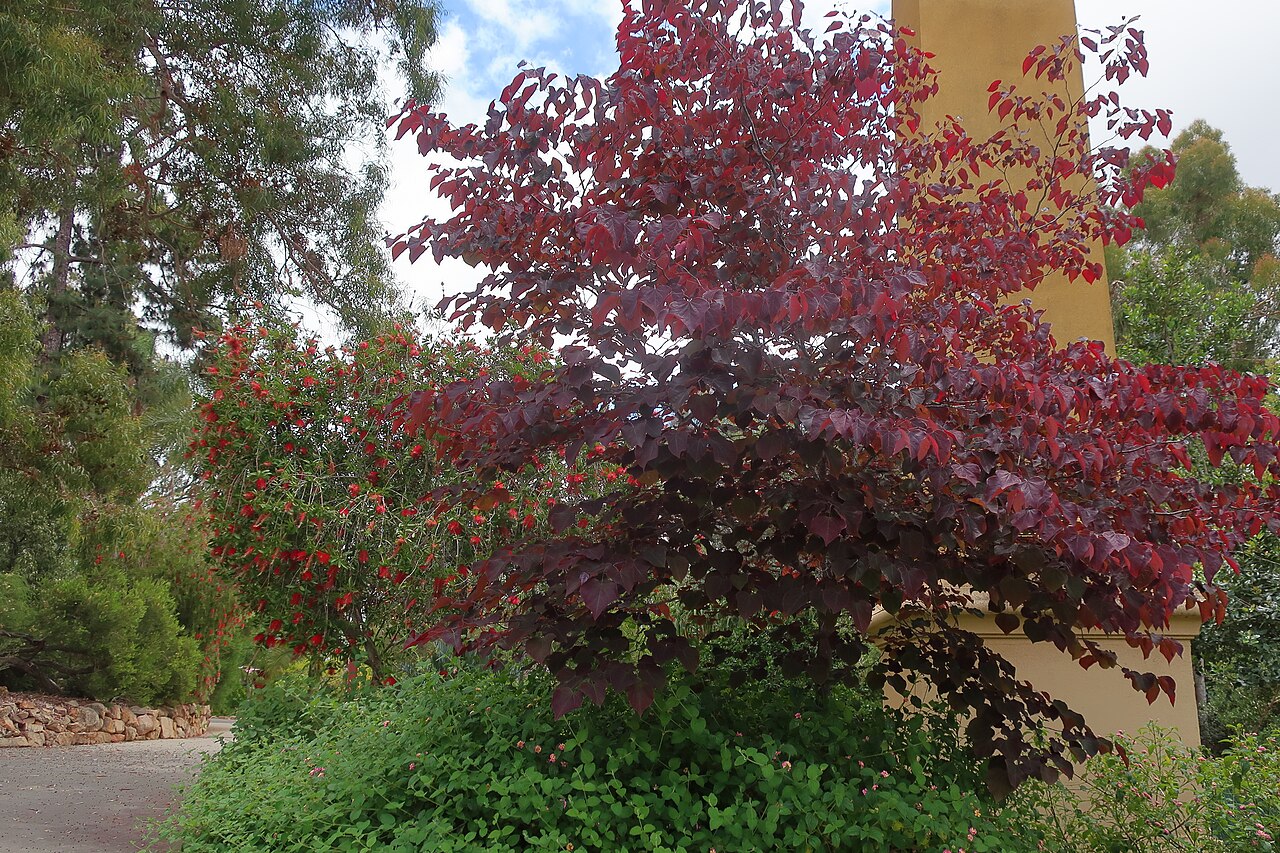
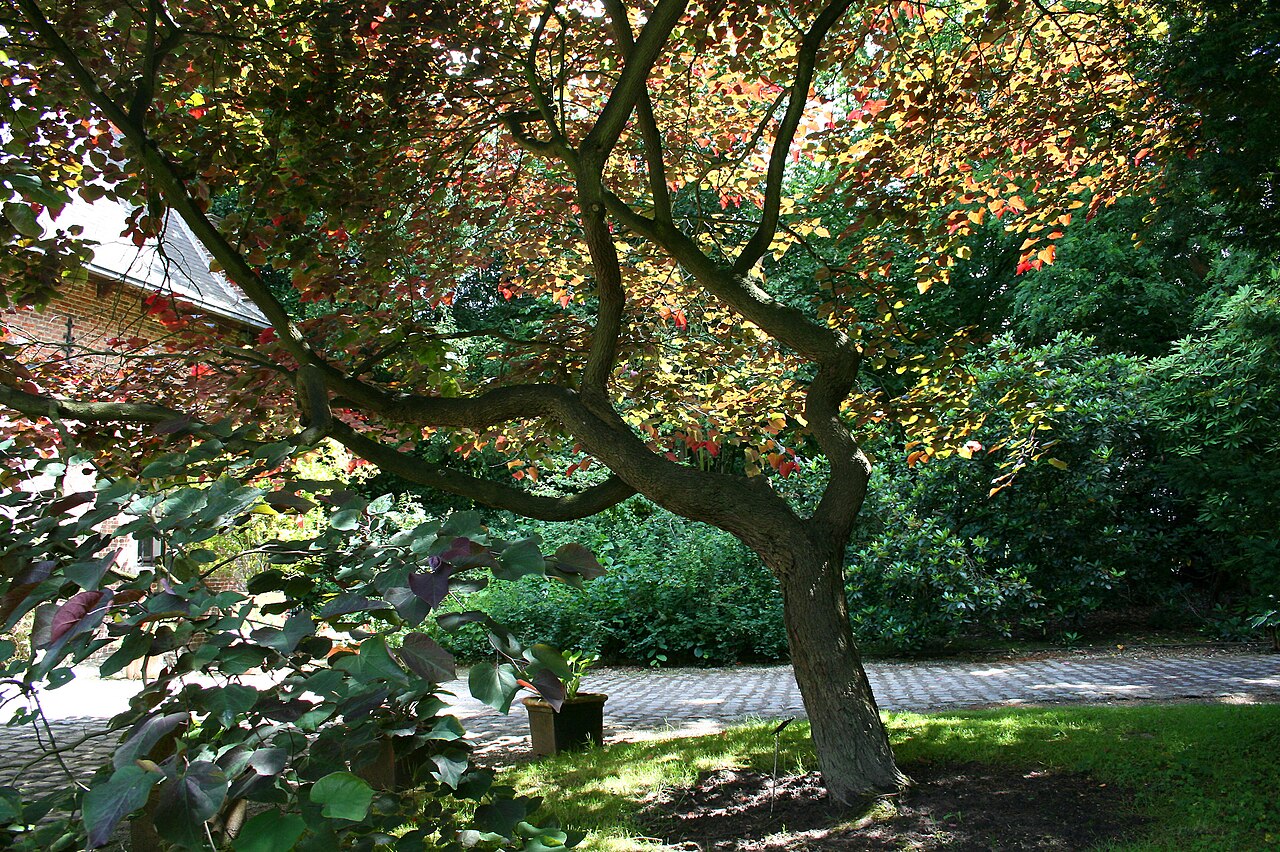
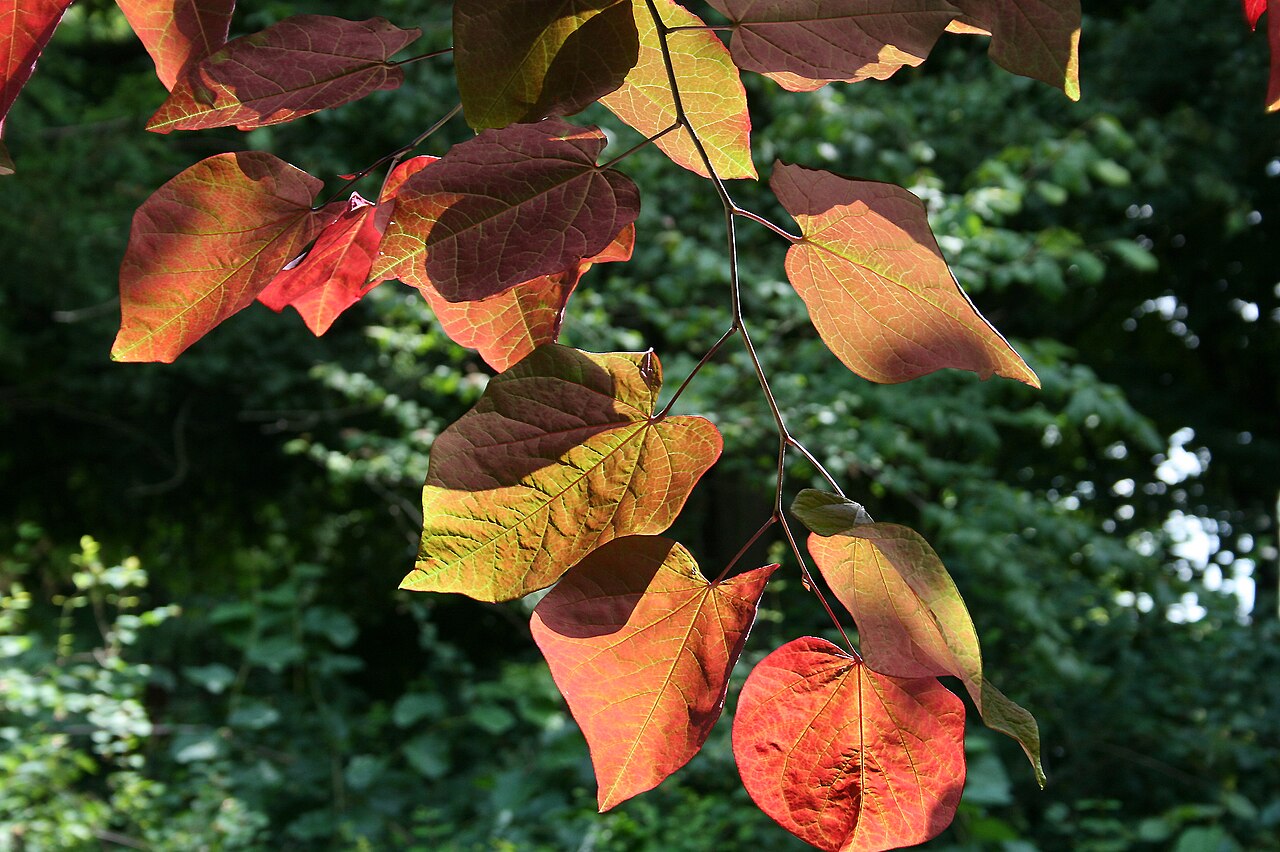
Forest Pansy is the redbud everyone photographs twice: first in early spring, when its bare branches carry the usual magenta-pink pea flowers, and then all summer, when its heart-shaped leaves are a rich burgundy-purple instead of green. It is the purple-leaved redbud that actually holds its colour in heat — many purple-leaved trees green out by July, but Forest Pansy keeps its burgundy through the summer in sun, turning orange-red in fall for a third season of colour.
In Florida, Forest Pansy suits the north and central peninsula in sun to part shade, and the purple leaves are the warning as well as the reward: purple leaves scorch faster than green ones in brutal afternoon sun, so give it afternoon shade in the hottest spots and steady water through the first two years. A Forest Pansy in full baking sun goes green, then scorched, then sulky, in that order.
How to grow
Eastern redbud is the native small tree that flowers before it leafs out — magenta-pink pea flowers along bare branches in early spring, then heart-shaped leaves, then yellow fall colour, on a 20–30 foot tree that fits a yard. Plant in fall or spring in sun to part shade in well-drained soil, at least 15 feet from structures, with the root flare visible. In Florida, redbud is at home in the north and central peninsula; give it afternoon shade in the hottest spots and steady water through the first two years, and it will flower like it means it. It is a short-lived tree by oak standards — 20–30 good years is a fair expectation — so plant it where those years will be enjoyed, not where it will be resented for dropping pods.
Water & feeding
Water deeply through the first two years, then in dry spells; established redbud is moderately drought-tolerant but flowers and colours best with steady moisture. Mulch widely. Feed lightly in spring if growth is pale.
Common problems
Canker and verticillium wilt can strike stressed trees; the prevention is water, drainage and not wounding bark. Leafhoppers and scale are minor by comparison. A redbud that dies back in a hot, dry spot is usually telling you the site was wrong — redbuds want moisture and a little shade, not a baking island bed.
Harvest
There is no fruit harvest worth chasing — redbud pods are ornamental, and the flowers are the spring event. The seasonal jobs are a light prune after flowering to shape, and a watch for canker on stressed branches, pruned out promptly. The real harvest is three seasons of colour from one small native tree.
Nerdy fact: Redbud flowers are edible — sweet, slightly tart, and traditionally tossed into salads — and they grow directly on the branches and trunk, a habit botanists call cauliflory. A redbud in bloom is a tree flowering from its own wood, which is stranger and lovelier than it sounds.
Saving seeds
Forest Pansy is a purple-leaved redbud cultivar, and named cultivars are planted as grafted or budded nursery trees — seedlings won’t hold the burgundy summer foliage. The Saving seeds section of the Redbud guide covers seed for the species generally.