
💗 Redbud
What it looks like
How to grow
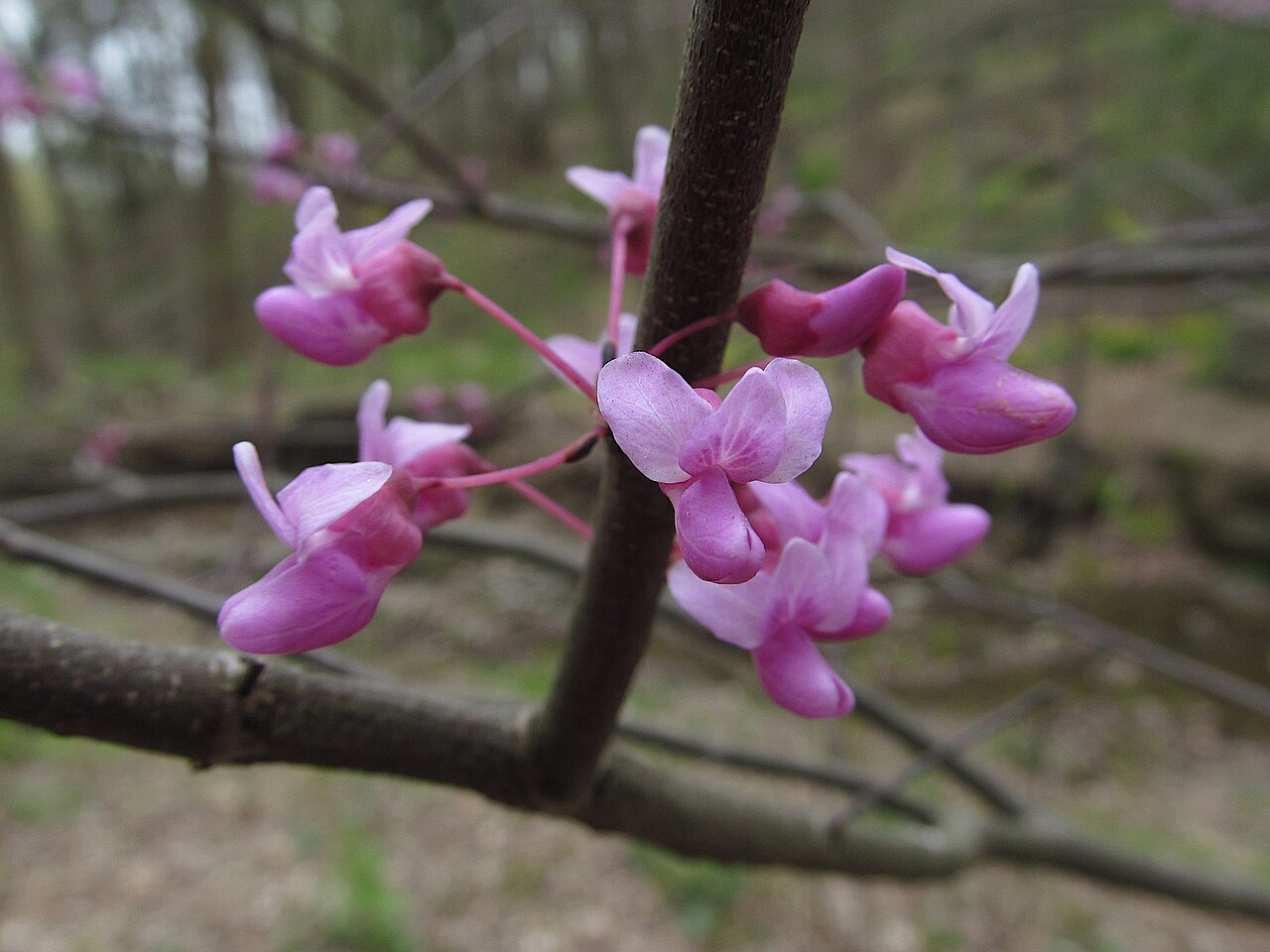
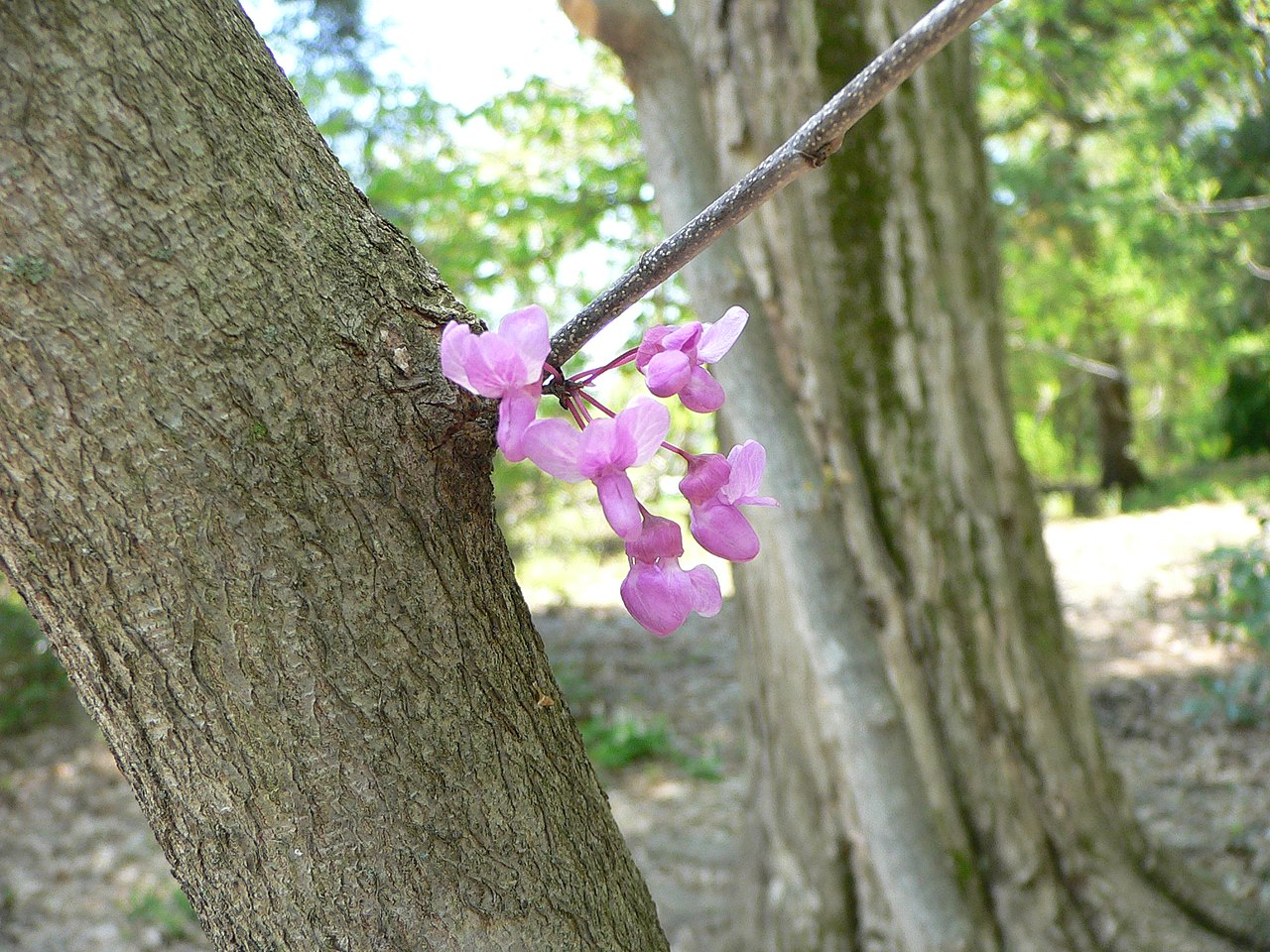
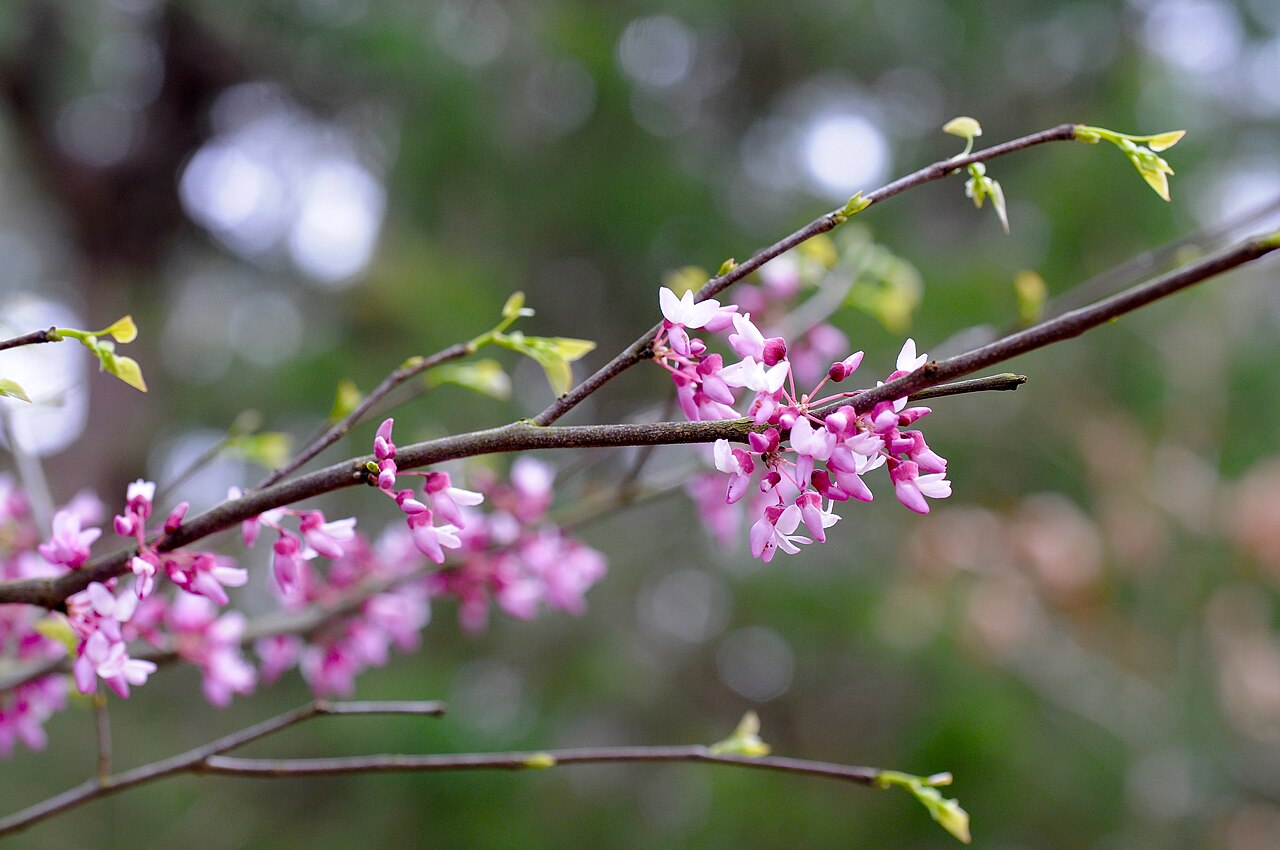
Plant in spring or fall in well-drained soil — redbuds tolerate clay and part shade better than most flowering trees, but they will not tolerate wet feet. The famous pink flowers open directly on bare branches and even on the trunk, a habit botanists call cauliflory, and they arrive early enough to matter to hungry pollinators. Eastern redbud is the standard; ‘Forest Pansy’ adds purple foliage, and white-flowered ‘Alba’ exists for gardeners who want the shape without the pink.
Water & feeding
Water deeply the first year or two; established redbuds are notably drought-tolerant for a flowering tree. Overwatering in heavy soil causes more losses than drought does.
Common problems
- Verticillium wilt and canker — the two real killers; buy from a reputable nursery and avoid wounding the trunk
- Leaf spot and leafhoppers — mostly cosmetic
- Short lifespan (20–30 years is normal) — plan a successor, don’t mourn a design flaw
Harvest
Prune in late spring after flowering to remove dead wood and crossing branches and to keep a single leader while young. Avoid heavy pruning in fall and winter, when canker fungi enter wounds most easily.
Browse all plant & pest guides
Saving seeds
Redbud seed is a two-step puzzle: a hard coat that water cannot get through, and an embryo that needs winter before it will wake up. Collect the flat brown pods in fall, when they are dry and the seeds inside rattle. Shell out the small hard brown seeds and deal with the coat first — scarify them. The easy methods are rubbing each seed briefly with sandpaper until the coat is scuffed, or pouring boiling water over the seeds and letting them soak in the cooling water overnight. Both break the coat enough for water to get in; you will know it worked when the seeds swell.
Then comes the cold. Mix the scarified seeds with damp sand or peat moss in a bag and store them in the fridge — sources disagree on the length, with the USDA quoting five to eight weeks and other growers recommending 60 to 90 days, so two to three months is the honest range. After stratification, sow about a quarter to half an inch deep in a well-draining mix and keep it moist. Germination usually comes in two to three weeks, though some seed takes several months, so do not give up on a pot at four weeks. Seedlings grow fast once they are up.
The honesty part is the same one that applies to most flowering trees: seedlings vary, especially in flower color. A seedling from a pink redbud may bloom pink, pale, or white, and named cultivars like Forest Pansy — with its purple leaves — will not come true from seed at all. Those are propagated by grafting or cuttings. Seed is for the experiment and for a free tree that will still be beautiful, even if it is not the exact tree you started from.
Save seed from a healthy tree with the flower color you love, and sow more than you need — germination is uneven, and a generous sowing is the practical approach. In Florida, redbud grows well in north and central Florida and struggles in the deep south, where the winters are too warm and the summers too long. Collect pods in fall, stratify over winter, and sow in spring.
Varieties
Every named variety of Redbud with its own growing guide:
- Forest Pansy Redbud — The redbud that is purple all summer: magenta spring flowers, then burgundy-purple leaves that hold their colour until fall.
- Oklahoma Redbud — The heat-proof redbud: deeper magenta flowers, glossier leaves, and the redbud for gardeners who have killed fussier ones.
- Ruby Falls Redbud — The weeping purple redbud: a small fountain of burgundy leaves and pink flowers, for the garden that has no room for a tree.