
🌺 Formosa Rhododendron
What it looks like

Why this variety
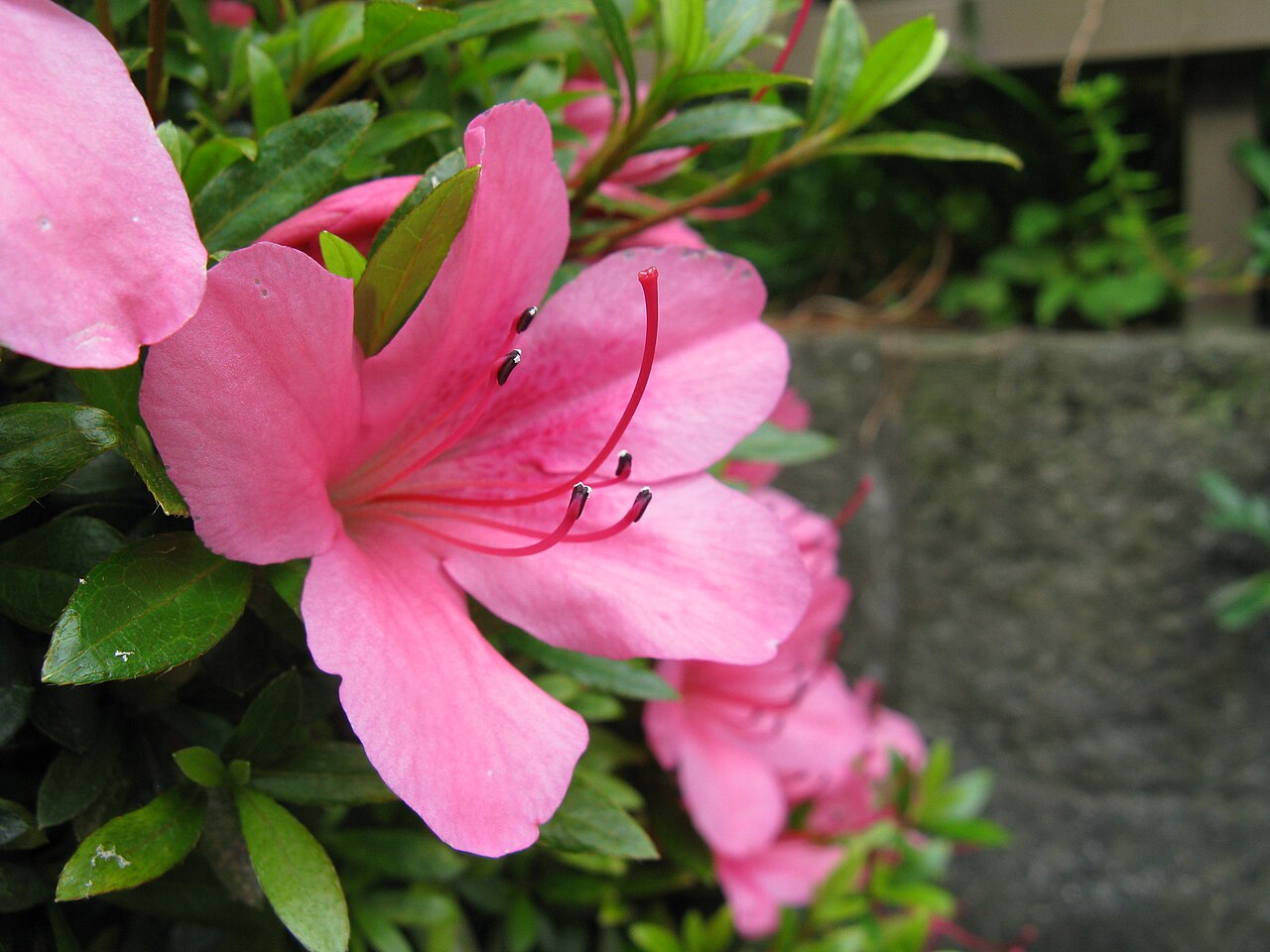
Formosa is the classic Southern Indica azalea: a large, vigorous evergreen shrub, 8–10 feet tall and wide, covered in spring with huge, single, magenta-pink flowers — some of the largest flowers of any azalea — that turn a whole yard pink for weeks. It is the azalea of old Gulf South gardens, planted by the hundreds around antebellum homes and still the benchmark for a big, bold, spring-flowering evergreen shrub in the South.
In Florida, Formosa is at home in the north and central peninsula in part shade — morning sun, afternoon shade — in acid, mulched soil with steady water. Give it the room of a real shrub: a Formosa crammed into a 4-foot foundation bed will outgrow it within a few years and become a pruning chore, while a Formosa given 8 feet becomes a landmark. Do not shear it into a box; prune lightly after flowering if shaping is needed.
How to grow
Florida honesty, in the good direction for once: these are not the northern rhododendrons that melt in Florida heat. Southern Indica azaleas are evergreen azaleas — and azaleas are rhododendrons, botanically speaking — bred for the Gulf South, with big, showy spring flowers in white, pink, red and purple on shrubs 6–10 feet tall. Plant in fall or spring in part shade — morning sun, afternoon shade — in rich, moist, well-drained, acidic soil amended with pine bark and compost, and mulch thickly with pine bark or pine needles. Water faithfully through the first two years; Indica azaleas are thirsty shrubs and a dry spring costs you the bloom. Keep them away from concrete and limestone, which leach alkalinity, and site them where a 6-foot shrub will be welcome in five years, not where it will be sheared into a box.
Water & feeding
Water deeply and consistently; Indica azaleas hate drying out and bloom best with steady moisture. Mulch 3–4 inches deep to hold moisture and acidity. Feed lightly after flowering with an acid-loving fertiliser — feeding before bloom pushes leaves at the expense of flowers. Never cultivate deeply around them; azalea roots are shallow.
Common problems
Lace bugs stipple leaves in summer, worst on sun-stressed plants — shade and water are the prevention, horticultural oil for severe cases. Root rot in soggy ground and chlorosis in alkaline soil are the other complaints, and both are siting verdicts. Petal blight may spot flowers in wet springs; pick off affected blooms and improve air circulation. A yellow azalea in limey soil is a soil verdict, not a hunger verdict.
Harvest
There is no fruit harvest — the crop is the spring show, and it is a big one. Deadhead nothing; Indica azaleas do not need it. The seasonal job is water through the spring bloom — a dry spring thins the flowers — and a light feed after flowering. The evergreen foliage earns its keep all year as structure.
Nerdy fact: Azaleas are rhododendrons — the genus Rhododendron contains both, and ‘azalea’ is a common name for the smaller-leaved, mostly deciduous or Southern evergreen members, not a separate genus. Calling Formosa a rhododendron is not pedantry; it is taxonomy, and it explains why azaleas share rhododendrons’ acid-soil demands.
Saving seeds
Formosa is the classic Southern Indica azalea — botanically a rhododendron — and named cultivars are propagated by cuttings so the huge magenta-pink spring bloom holds. The Saving seeds section of the Rhododendron guide covers seed for the species generally.