
🌺 Rhododendron
What it looks like
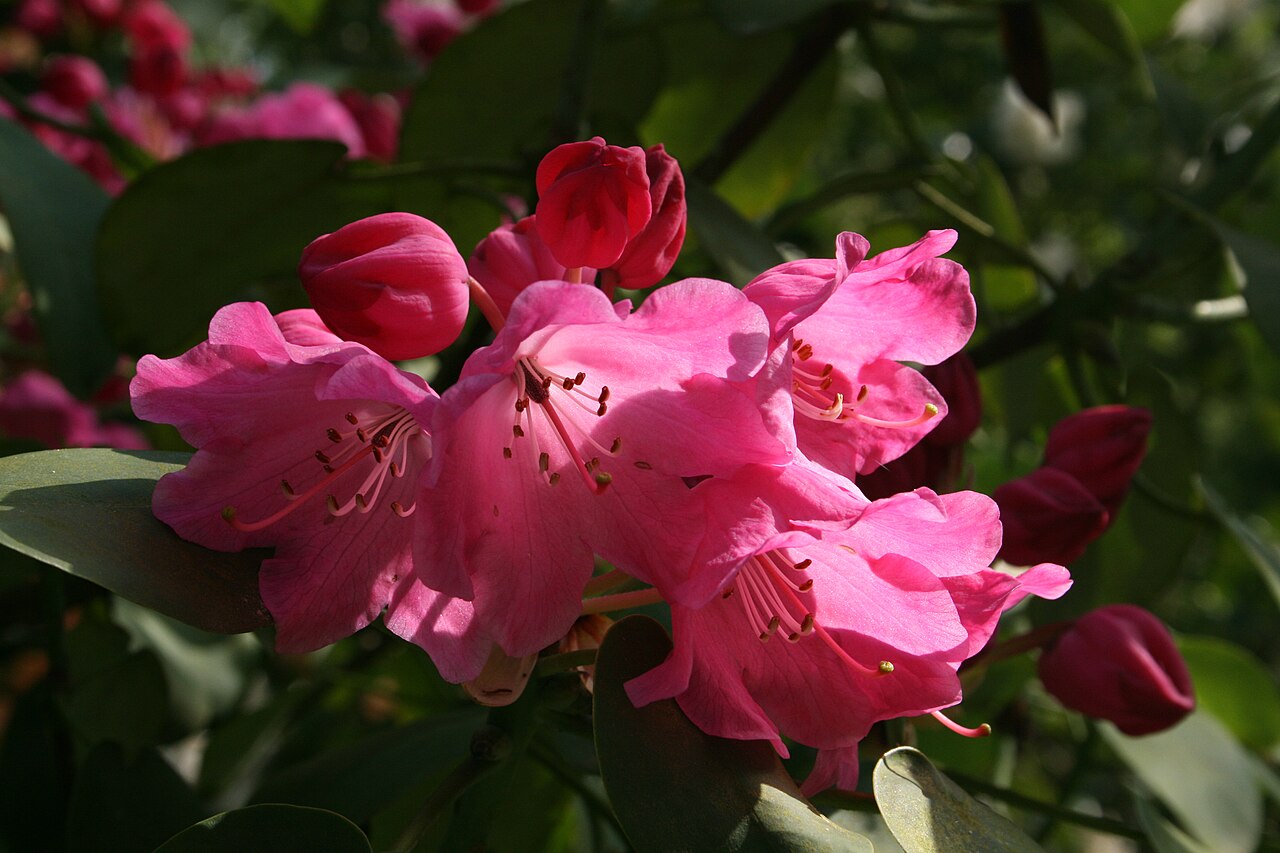
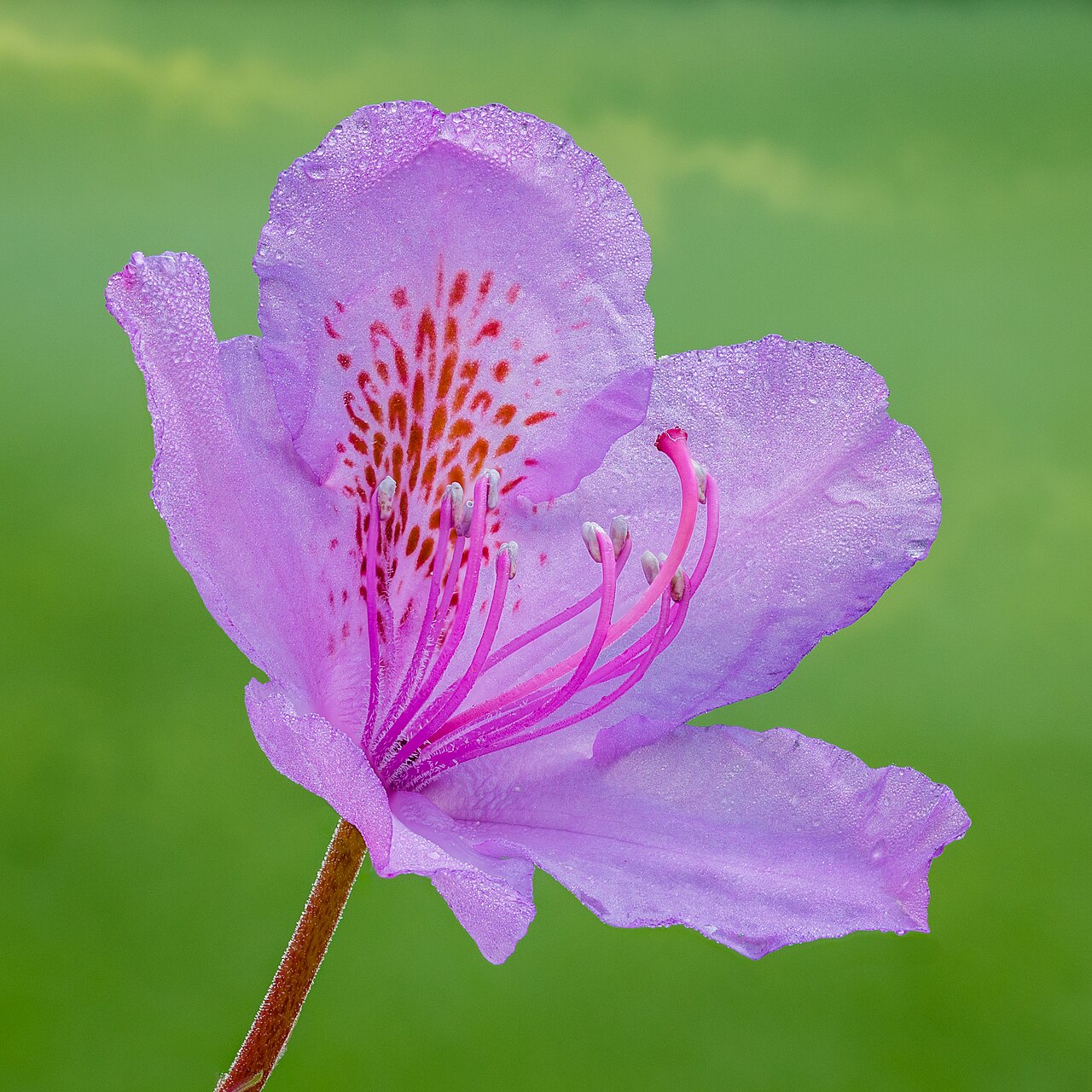
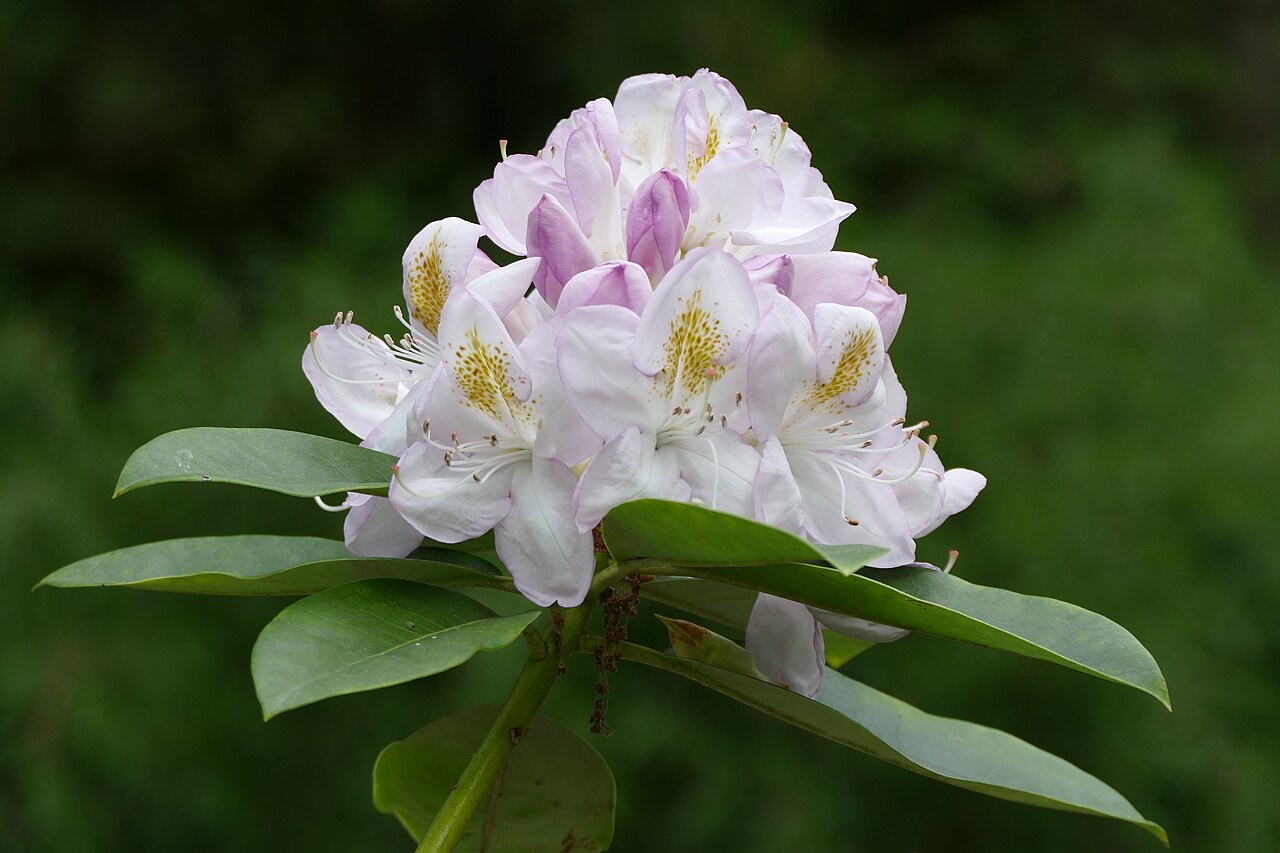
How to grow
Plant in spring or fall in moist, acidic, humus-rich, well-drained soil — rhododendrons and azaleas (which are rhododendrons, botanically) are acid-lovers, and alkaline soil will yellow them no matter how much you water. Give them dappled shade or morning sun; hot afternoon sun scorches leaves and stresses roots. Their roots are shallow and fibrous, so plant high (root ball slightly above grade), mulch with pine bark or pine needles, and never cultivate deeply around them.
Water & feeding
Water deeply and consistently — rhododendrons wilt fast and recover slowly, and a dry root ball is the most common cause of a failed planting. Mulch 3–4 inches deep, kept off the stems.
Common problems
- Root rot (Phytophthora) in wet, poorly drained soil — the number-one killer
- Lace bugs stippling leaves on sun-stressed plants
- Chlorosis (yellow leaves with green veins) in alkaline soil — amend with sulfur and organic matter, not iron sprays alone
Harvest
Deadhead spent trusses right after flowering to tidy the plant and save energy, snapping them off by hand. Prune immediately after bloom if shaping is needed; pruning later removes next year’s flower buds.
Browse all plant & pest guides
Saving seeds
Rhododendron seed is dust — thousands of tiny seeds in a single capsule, each one barely bigger than a speck — and it needs light, acid soil, and patience, in that order. Collect the seed capsules in fall, when they have turned dark brown and are starting to split open. Snip them into a paper bag, let them dry a few days indoors, then open them gently and tap out the seed. A single capsule can hold hundreds of seeds, so you will have more than you need. Store the seed in a sealed container in a cool, dry, dark place; kept dry and cool, it stays viable for up to two years.
Sow in late winter or early spring, when the light is increasing. Fill a pot or tray with a fine, acidic mix — milled sphagnum moss or peat with a little perlite — firm it level, and scatter the seed on the surface. Do not bury it: rhododendron seed needs light to germinate, and even a thin covering of soil can stop it. Mist gently to settle the seed, cover the pot with glass or clear plastic to hold humidity, and keep it warm, around 70 to 75°F, in bright indirect light. Water from below, never from above — a single hard watering can wash the dust-fine seed away. Germination usually comes in four to eight weeks, and the seedlings are tiny and slow at first. Leave them in the tray for months, prick them out only when they have a few true leaves, and grow them on in shade for their first year.
The honesty part is the same one that applies to most flowering shrubs: seedlings do not come true. Named varieties are propagated by cuttings or layering for a reason, and a seedling from a pink rhododendron may bloom pink, white, or somewhere in between — and it will take several years to flower before you find out. Seed is for the experiment, for the surprise, and for the gardener who enjoys growing a shrub from dust.
Save seed from a healthy plant with the flower color and form you love, and sow more than you need. In Florida, rhododendrons are a north Florida plant at best — they want acidic soil, cool nights, and afternoon shade, and they struggle in the heat and humidity further south. Keep seedlings in pots with an acidic mix until they are sturdy, and give them shade from the afternoon sun.
Varieties
Every named variety of Rhododendron with its own growing guide:
- Formosa Rhododendron — The big pink azalea of the Gulf South: huge magenta-pink flowers, a huge shrub, and the azalea old Southern gardens are made of.
- George L. Taber Rhododendron — The pale-pink azalea with the white throat: huge, soft, orchid-like flowers on the South's most planted Indica.
- Mrs. G. G. Gerbing Rhododendron — The white Indica that glows at dusk: huge pure-white flowers on a vigorous evergreen shrub, for moon gardens and shady corners.