
🌸 Fringe Tree
What it looks like
How to grow
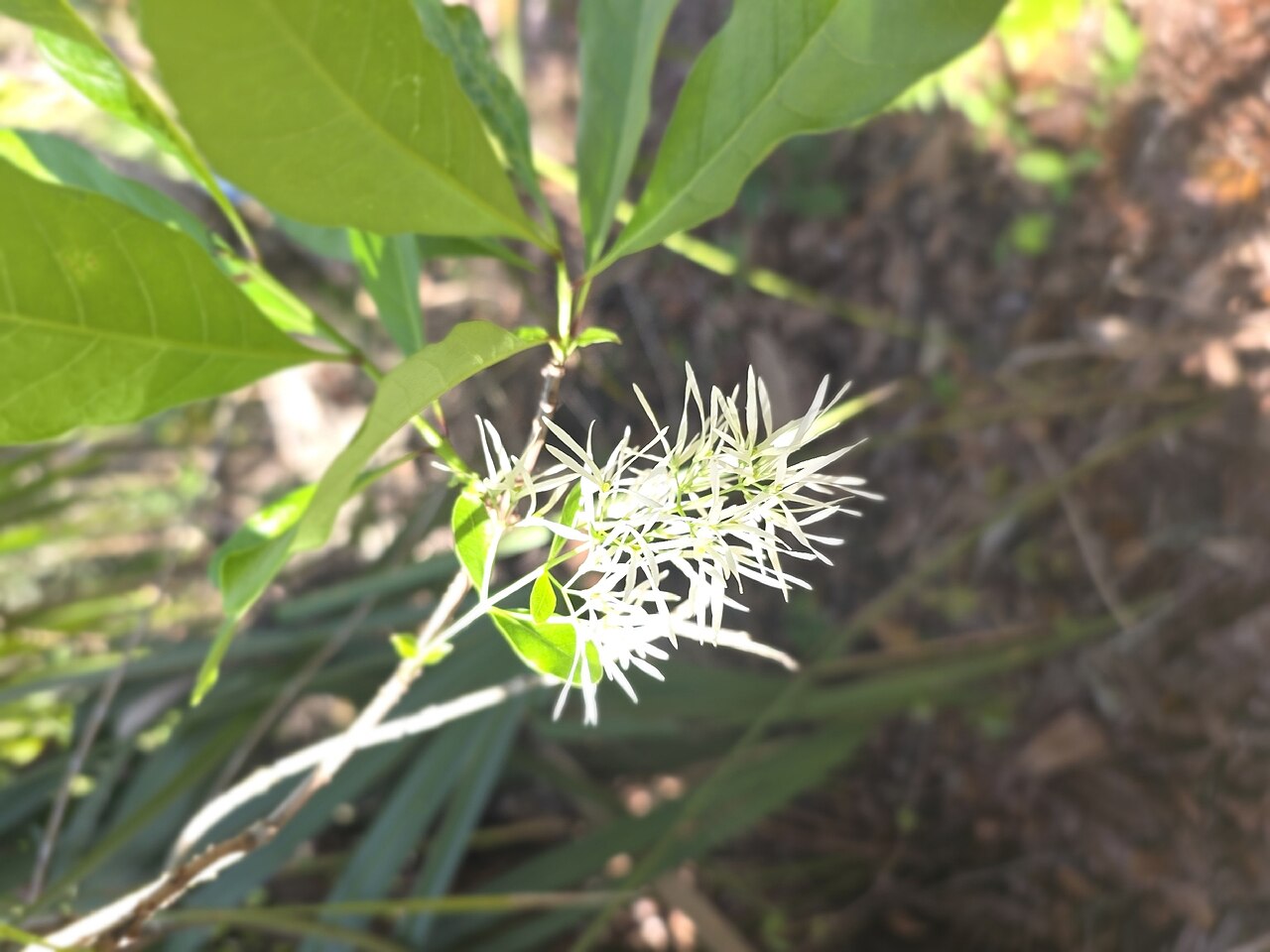
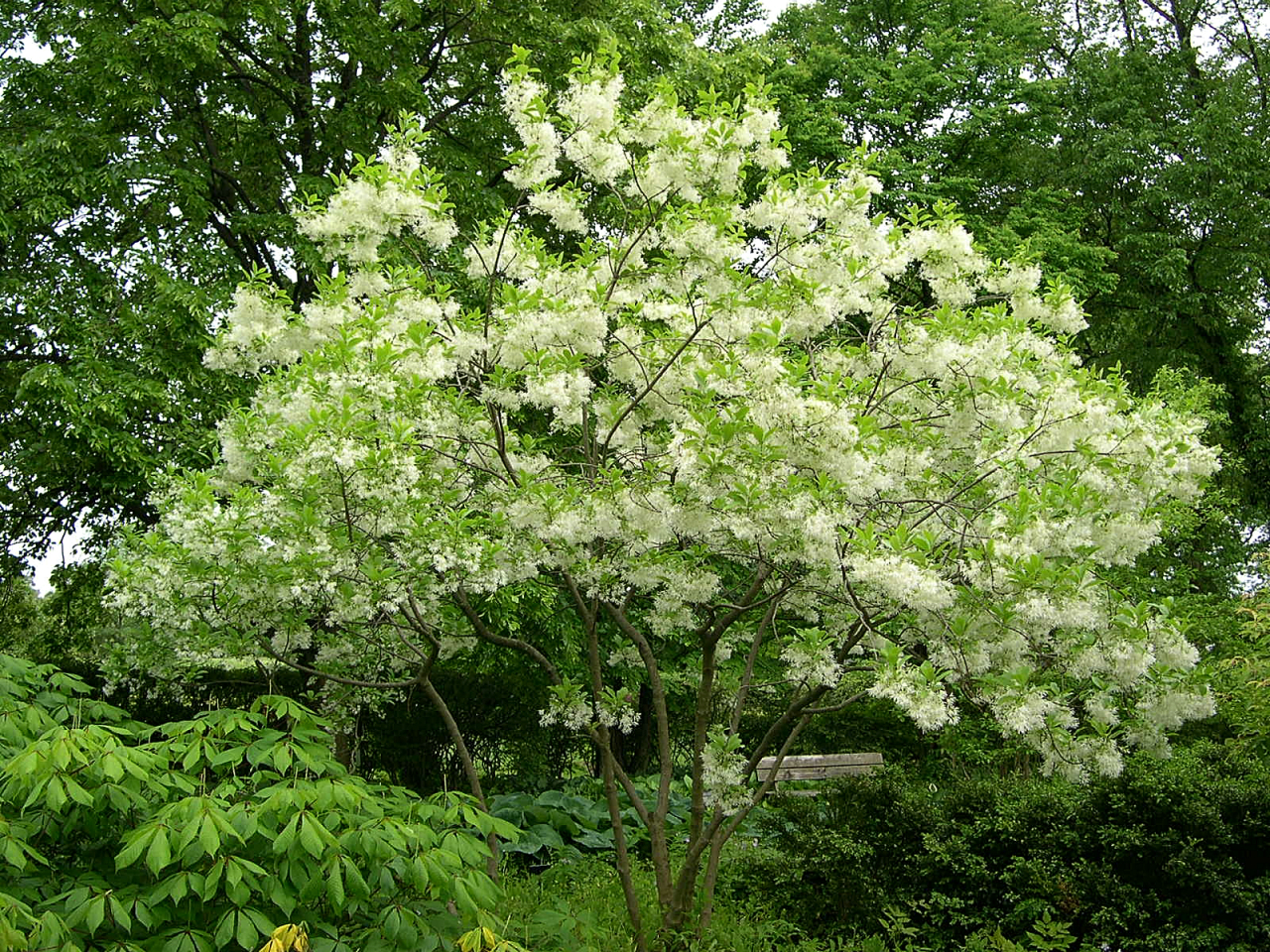
Fringe tree, also called old man’s beard or grancy graybeard, is a small native tree or large shrub, 15-20 feet tall, whose late-spring flowers are long, strap-like white petals that hang like fringe and smell faintly of lilac. Plant it in full sun for the best bloom, in moist, fertile, well-drained soil that leans acidic, though it tolerates wet sites and a range of soils. It is dioecious, meaning male and female flowers grow on separate plants: both flower beautifully, but only a female planted near a male will set the dark blue, bird-friendly fruit. It leafs out late and drops its leaves early, so site it where a few bare weeks in spring and fall will not bother you.
Water & feeding
Water regularly through the first year, then water in dry spells; established trees tolerate short droughts but flower and leaf best with steady moisture. Feed lightly, if at all — compost or worm castings in spring is enough. Prune only after flowering, removing dead or crossing wood, because the tree needs little shaping.
Common problems
- Leaf spot making leaves look curly or spotty — usually cosmetic; rake fallen leaves and do not fuss.
- Scale and mites in stressed trees — keep the tree watered and mulched, and treat only if populations build.
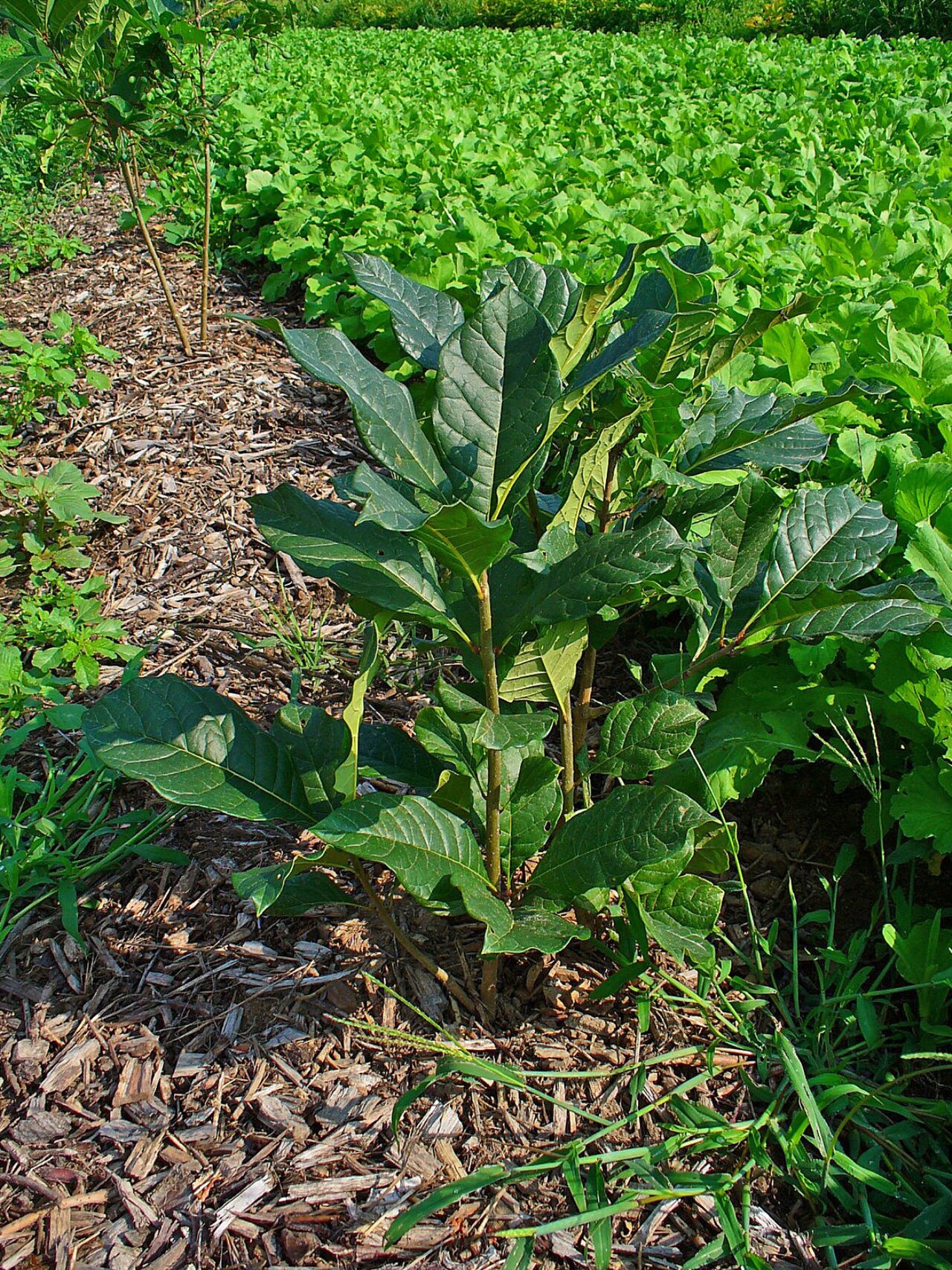
- Slow growth — normal for this tree; buy the largest container size you can afford if you want presence sooner.
- No fruit — you likely have a male tree, or a lone female with no male nearby.
Notes
Fringe tree is slow and unshowy for most of the year, then briefly spectacular, which makes it a wonderful specimen near a patio or path where you will actually notice the bloom. Give it a spot you walk past in May and it will pay you back for decades.
Browse all plant & pest guides
Saving seeds
Fringe tree (Chionanthus virginicus) asks for patience before it asks for anything else, and it is better to know that in the first paragraph than in the second spring. Its seed carries a double dormancy, which means it needs a warm, moist period followed by a cold, moist period before the shoot will bother to emerge, and even with perfect treatment it typically germinates in the second spring after sowing, not the first. Gardeners who sow in autumn, see nothing in spring, and dig the bed over in frustration have usually just composted a perfectly good crop. Mark the seedbed, leave it alone, and let the seed keep its own calendar. Slow is not failure here; it is the species.
The other fact that shapes everything is that fringe tree is dioecious, meaning individual trees are male or female, and only female trees set fruit, and only then if a male tree is flowering nearby. So the first seed-saving question is not how, but whether: do you have a female tree, is there a male within pollinator range, and are you willing to wait until the tree flowers to learn which sex a seedling is? Collect fruit from a female tree in late summer into autumn, when the drupes turn dark blue to purple-black and feel soft, like small olives. Each drupe usually holds a single seed. Clean the pulp off promptly by rubbing the fruit in water and rinsing, because pulp left on the seed invites mould and can inhibit germination, and leave some fruit on the tree for the birds, who relish these drupes and are doing the species a favour by spreading them.
Fresh seed is best sown at once, outdoors in autumn in a prepared, well-drained bed about half an inch deep, where winter supplies the cold half of the treatment and the following warm and cold seasons complete the cycle. That outdoor route is the simplest and often the most reliable, but protect the bed with wire mesh, because rodents and birds will happily harvest your seedbed before the seed ever germinates. If you are holding seed or sowing indoors, mimic the same sequence: soak cleaned seed for a day, then give it a warm, moist stratification of roughly two to three months, during which the root emerges, followed by a cold, moist stratification of another two to three months in the refrigerator, in damp moss or mix in a sealed bag, checked now and then to keep it moist but not wet.
For storage, do not treat fringe tree seed like bean seed. It keeps best cold and moist rather than dry on a shelf, and sources note it can be held in cold, moist storage for up to a couple of years, so if you must hold it, keep it damp and refrigerated, not dried out in an envelope. In Florida, where this native tree is at home, the outdoor autumn sowing route works, but in the warmest parts of the state natural winter chill may be marginal, which makes the refrigerator stratification route the more dependable bet. They will not be identical to the parent, and a seedling may turn out male or female, which is fine if you want a tree and a problem only if you wanted a guaranteed fruiting female or a guaranteed fruitless male. For an exact named form, buy the plant. For a fringe tree of your own from seed, sow fresh, keep it moist, mesh the bed, and cultivate the gardener’s rarest skill, which is leaving a quiet bed alone for two years.
Varieties
Every named variety of Fringe Tree with its own growing guide:
- Emerald Knight Fringe Tree — The dark-green cloud: a male fringe tree with dense, dark, glossy foliage and an abundance of flowers, the most formal fringe tree.
- Spring Fleecing Fringe Tree — The male cloud: a profusely flowering male fringe tree with narrow glossy leaves and no messy fruit to clean up.