
🫚 Galangal
What it looks like
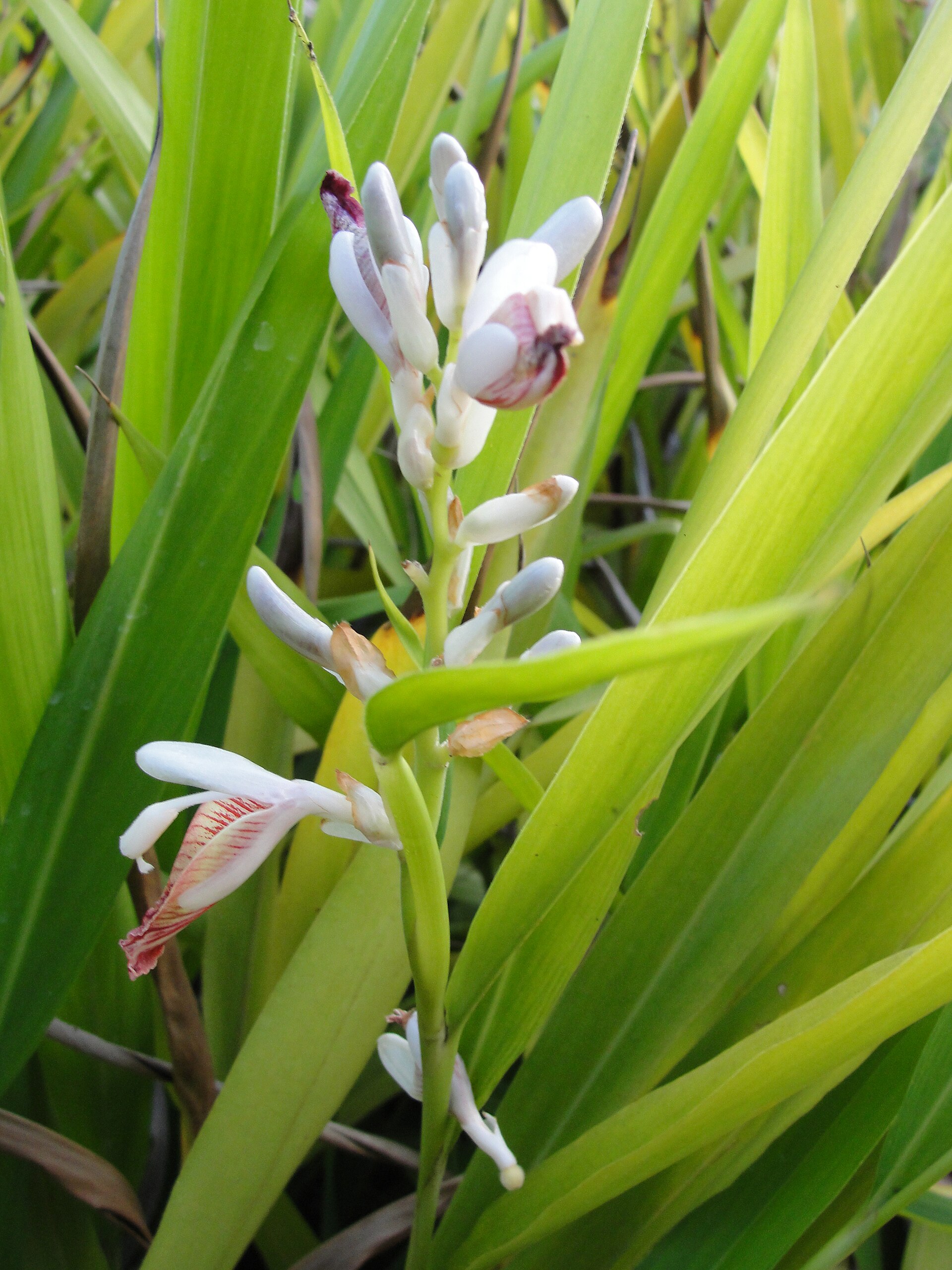
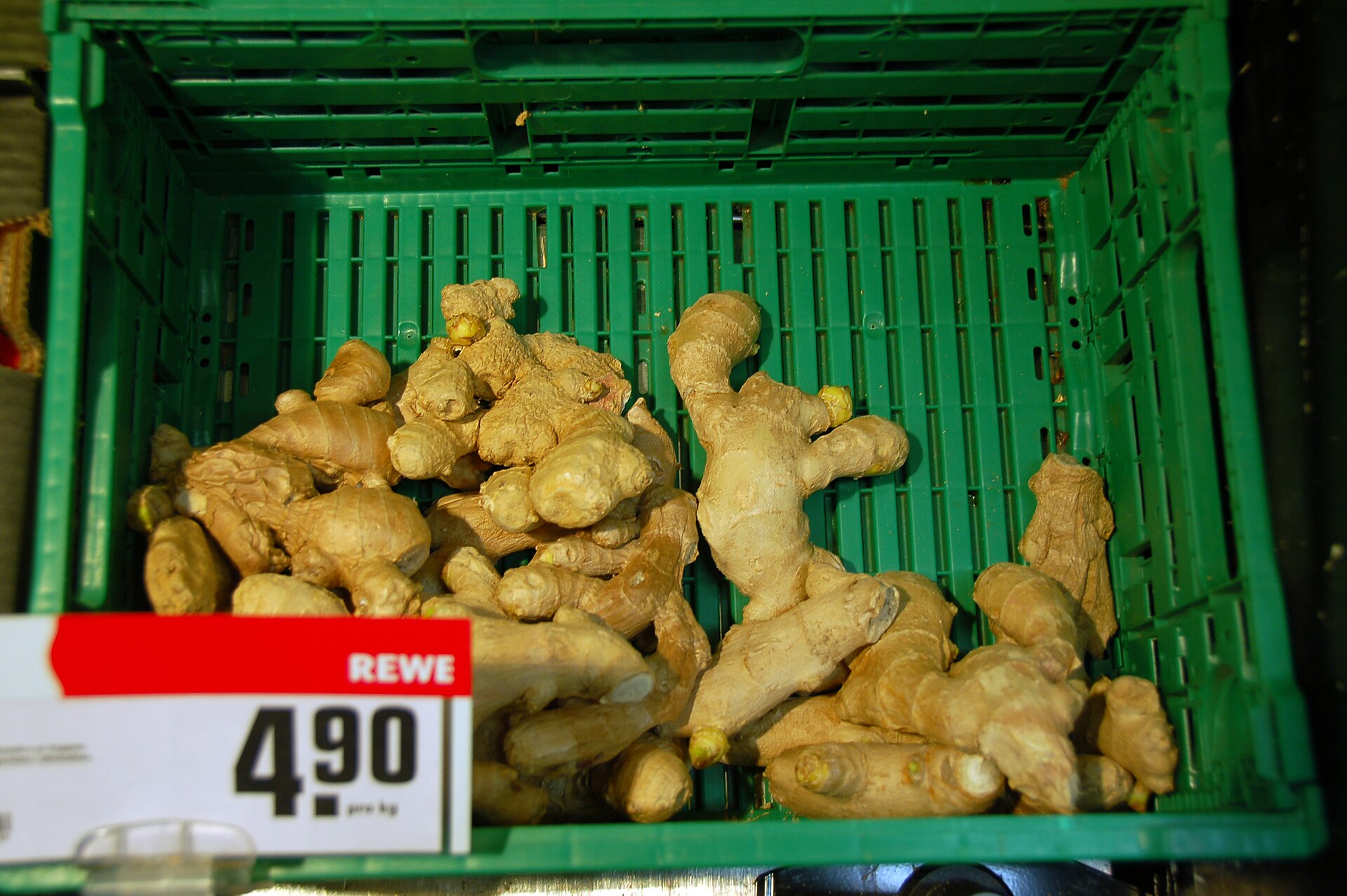
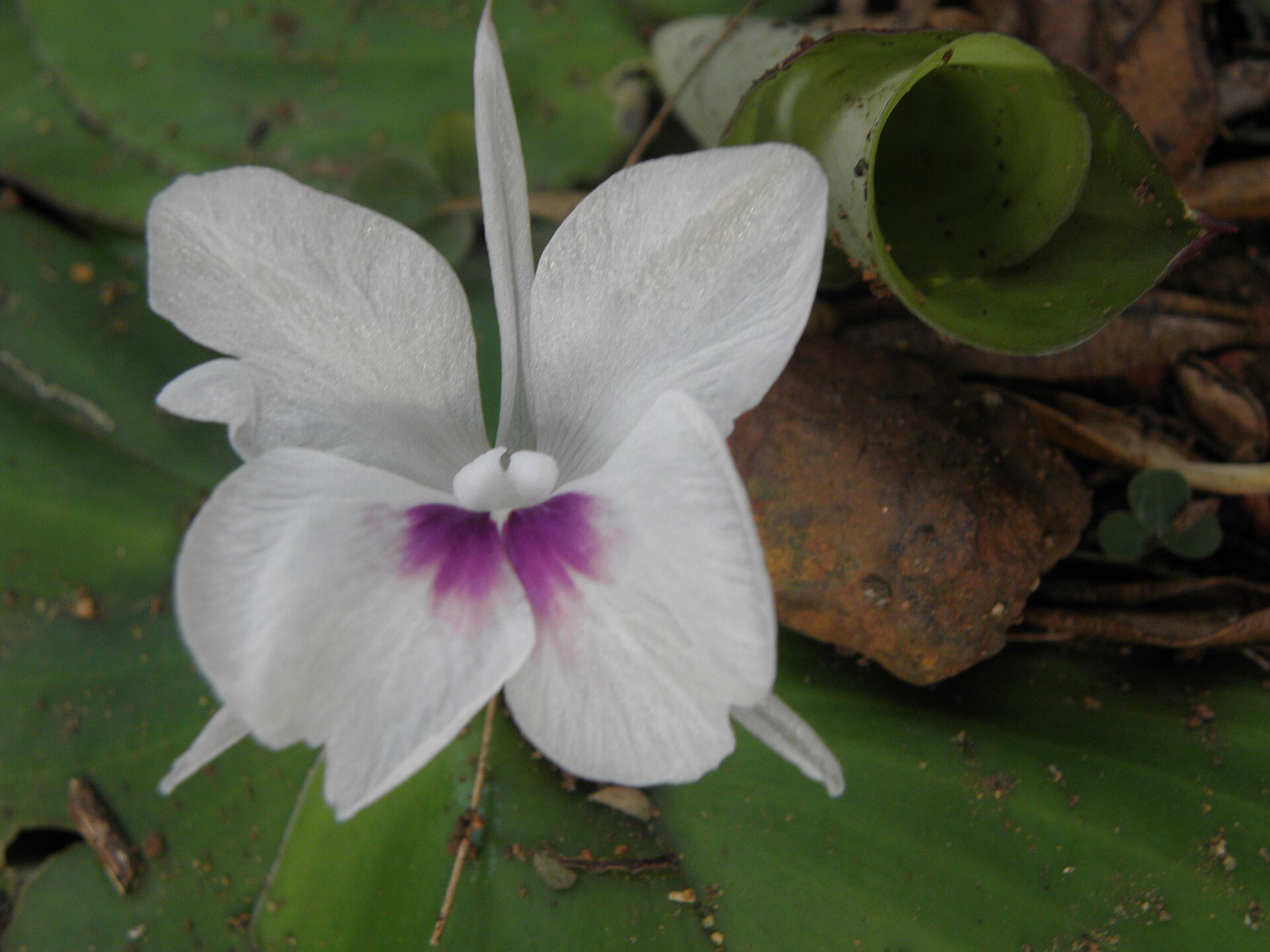
How to grow
Galangal is not one plant but three, and knowing which one you have is the difference between a great curry and a confusing one. Greater galangal is the tall ginger of Thai tom kha; lesser galangal is the small, dark, intensely aromatic rhizome of the old spice trade; sand ginger is a low, ground-hugging plant with small fragrant rhizomes for salads and pastes. All three are warm-climate gingers that want heat, moisture, rich soil, and a full season — all things a Florida garden provides.
Plant galangal rhizome pieces in spring, with a growing eye facing up, about two inches deep, in rich, moist, well-drained soil. Galangals are big, clumping gingers — greater galangal can reach six feet or more — so give each plant 24-36 inches and a spot sheltered from strong wind, which shreds the leaves. Work plenty of worm castings and compost into the bed, mulch thickly, and keep the soil moist through the growing season. In north Florida, a heavy mulch and a sheltered microclimate help the rhizomes overwinter; further north, grow it in a large container and bring it in before frost.
Water & feeding
Water generously while growing — galangals are thirsty tropicals and sulk in dry soil — and feed heavily compared with other herbs: castings at planting, then a balanced feed every few weeks through summer, because a big clump is building a big rhizome. Ease off water in winter when growth slows, and never let a dormant rhizome sit in cold, soggy soil.
Common problems
- Frost-burned leaves — the tops die back in a freeze; mulch the crown and wait for spring regrowth before declaring it dead.
- Small rhizomes — usually too little water, too little food, or too short a season; galangals reward generous feeding and a full warm season.
- Rhizome rot in soggy soil — rich and moist is not the same as waterlogged; drainage is still the first rule.
- Wind-shredded leaves — plant in a sheltered spot; shredded leaves are ugly but rarely fatal.
Harvest
Harvest by digging at the edge of the clump in late fall, after the tops yellow, and replanting a piece with an eye to keep the clump going. Young rhizomes are tender and mild; older rhizomes are woodier and stronger. Wash, peel lightly, and use fresh — dried galangal is a different, harsher spice. Store fresh rhizomes in the refrigerator for weeks, or freeze sliced pieces for months.
Propagation
This is a propagation note, not a seed-saving section, and that distinction matters. Galangal is grown from its rhizome, not from seed: its flowers are frequently sterile, and any seed that does form will not reliably grow into the plant you started with. If you want more galangal, you divide galangal.
The simplest moment to multiply your plant is at harvest. When you lift a clump, hold some of it back for replanting before the kitchen claims the lot. Choose pieces that are firm, plump, and shiny, with no soft spots, shrivelling, or mould, and look for the small horn-like bumps along the rhizome. Those are the eyes, the growth buds, and every piece you plant needs at least one, though two or three give a much stronger start. Cut large rhizomes into pieces roughly four to six inches long, and let the cut surfaces air-dry for a day so they form a callus. That dry skin is cheap insurance against rot, which is the main way a replanted piece fails.
Plant each piece horizontally, buds facing up, about two to four inches deep in rich, free-draining soil, spacing pieces at least twelve to eighteen inches apart so the clump has room to expand. Warm soil is the trigger: galangal sulks in cold ground, so wait until spring soil is properly warm, and expect shoots over the following few weeks rather than days. You can also divide an established clump without a full harvest: dig it up in spring or autumn, wash or shake off enough soil to see what you are doing, and cut or pull the clump into sections, each with rhizome, roots, and ideally some foliage attached, then replant immediately and water in well.
Because division produces an exact clone, there is no true-to-type worry here at all: the new plant is genetically the same plant, with the same peppery, pine-sharp flavour. That is also why sourcing matters at the start. A tired, dried-out grocery rhizome may sprout, but a fresh piece from a reputable nursery or a fellow grower’s clump will establish far more reliably.
For Florida growers, the good news is that galangal is a tropical plant that feels at home here: in warm parts of the state a clump can stay in the ground year-round, while in colder spots it is a pot plant that comes under cover for winter. Either way, do not try to “store” planting pieces the way you would store seed. A cut rhizome left dry on a shelf shrivels and dies; keep pieces barely moist, plant them promptly, and if you must hold them for a few days, wrap them in damp (not wet) paper in a cool spot and check for mould. The rule of thumb is the opposite of seed saving: with galangal, the pantry is the enemy and the soil is the storage.
Varieties
Every named variety of Galangal with its own growing guide:
- Greater Galangal — The tom kha galangal: big, citrus-peppery rhizomes, the one Southeast Asian cooking actually means by galangal.
- Lesser Galangal — The old spice-trade galangal: small, dark, intensely aromatic rhizomes, stronger and more bitter than its bigger cousin.
- Sand Ginger Galangal — The sand ginger: a low, ground-hugging plant with small, fragrant rhizomes for Southeast Asian salads and pastes.