
🫚 Lesser Galangal
What it looks like
Why this variety
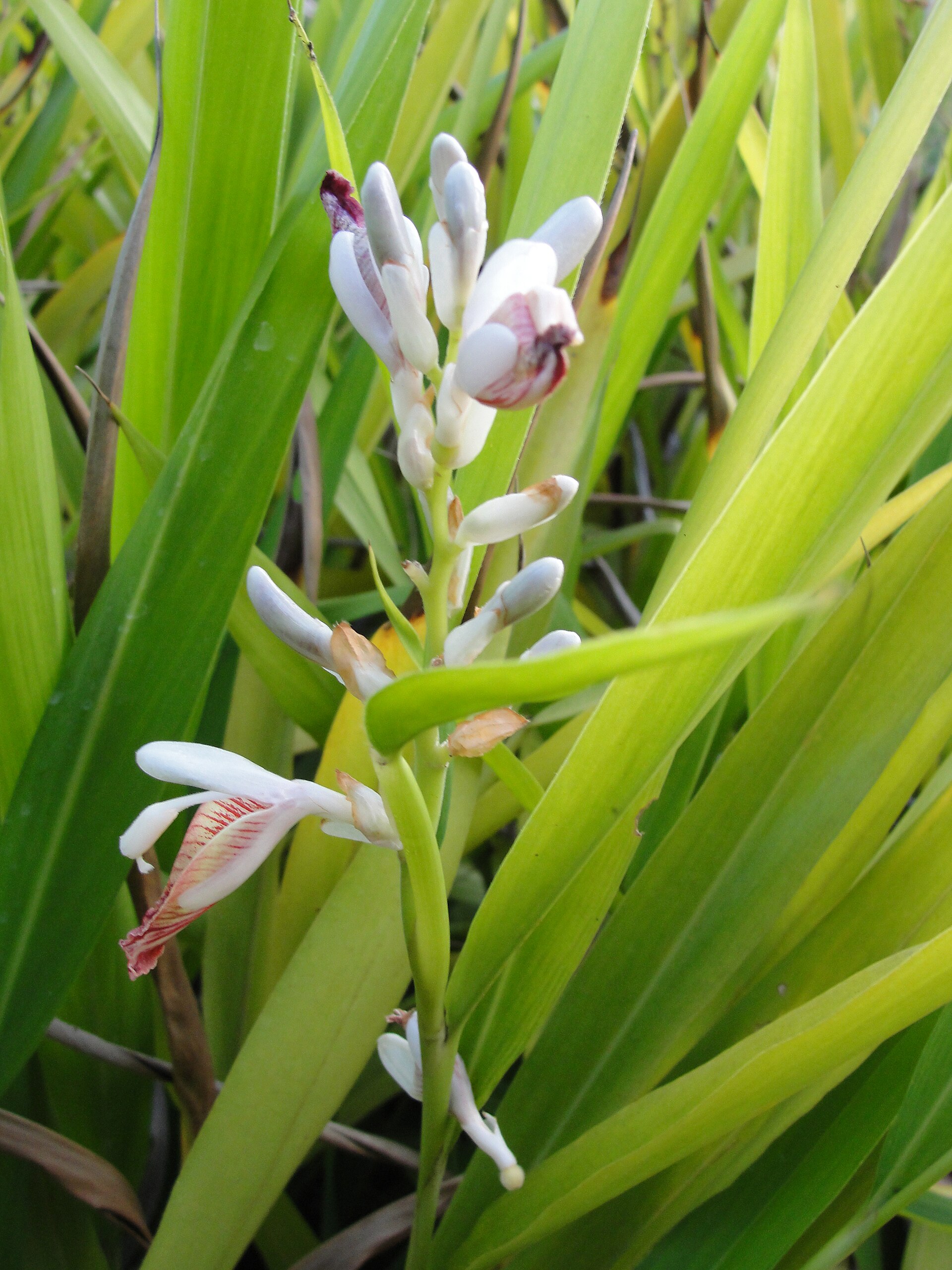
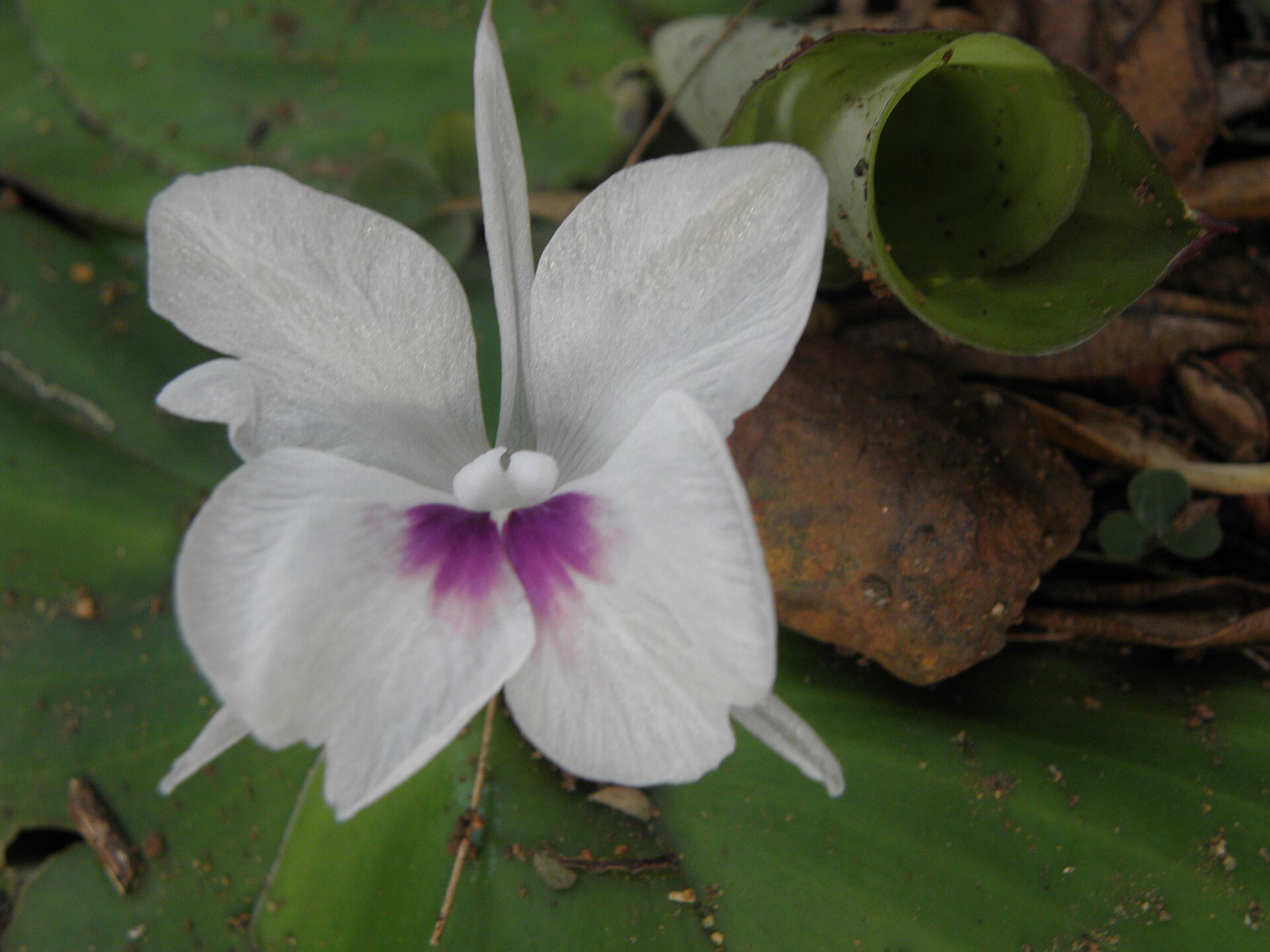
Lesser Galangal is the galangal of the old spice trade — the small, dark, reddish-brown rhizome that flavored medieval European cooking long before greater galangal reached Thai kitchens. It is smaller than greater galangal, harder, and more intensely aromatic: more pungent, more bitter, and more camphor-like, so a little goes a long way. Modern cooks meet it most often in Chinese and Southeast Asian traditional cooking and in spice blends where its bite is wanted, not its bulk.
In the garden it is a smaller, tidier clump than greater galangal, to around three to five feet, with the same needs: heat, moisture, rich soil, and a full season. Do not plant it expecting a greater-galangal substitute — plant it because you want its particular, old-fashioned pungency. If you are new to choosing between cultivars, the Varieties Matter guide explains why the name after the plant matters as much as the plant itself.
Florida honesty: Lesser Galangal grows as a perennial in zones 9-11, like its bigger cousin, and suits the same Florida bed: rich, moist, well-drained, and sheltered from wind. Its smaller rhizomes mean a smaller harvest per plant, so plant more than one clump if you cook with it often.
How to grow
Plant galangal rhizome pieces in spring, with a growing eye facing up, about two inches deep, in rich, moist, well-drained soil. Galangals are big, clumping gingers — greater galangal can reach six feet or more — so give each plant 24-36 inches and a spot sheltered from strong wind, which shreds the leaves. Work plenty of worm castings and compost into the bed, mulch thickly, and keep the soil moist through the growing season. In north Florida, a heavy mulch and a sheltered microclimate help the rhizomes overwinter; further north, grow it in a large container and bring it in before frost.
Water & feeding
Water generously while growing — galangals are thirsty tropicals and sulk in dry soil — and feed heavily compared with other herbs: castings at planting, then a balanced feed every few weeks through summer, because a big clump is building a big rhizome. Ease off water in winter when growth slows, and never let a dormant rhizome sit in cold, soggy soil.
Common problems
- Frost-burned leaves — the tops die back in a freeze; mulch the crown and wait for spring regrowth before declaring it dead.
- Small rhizomes — usually too little water, too little food, or too short a season; galangals reward generous feeding and a full warm season.
- Rhizome rot in soggy soil — rich and moist is not the same as waterlogged; drainage is still the first rule.
- Wind-shredded leaves — plant in a sheltered spot; shredded leaves are ugly but rarely fatal.
Harvest
Harvest by digging at the edge of the clump in late fall, after the tops yellow, and replanting a piece with an eye to keep the clump going. Young rhizomes are tender and mild; older rhizomes are woodier and stronger. Wash, peel lightly, and use fresh — dried galangal is a different, harsher spice. Store fresh rhizomes in the refrigerator for weeks, or freeze sliced pieces for months.
Browse all plant & pest guides
Saving seeds
Lesser Galangal is the galangal of the old spice trade — the small, dark, reddish-brown rhizome that flavored medieval European cooking long before greater galangal reached Thai kitchens, smaller, harder, and more intensely aromatic — and it is grown from rhizomes — plant galangal rhizome pieces in spring, with a growing eye facing up, about two inches deep, in rich, moist, well-drained soil. The Propagation section of the Galangal guide covers propagation for the species.