
🥬 Garnet Giant Mustard Greens
What it looks like
Why this variety
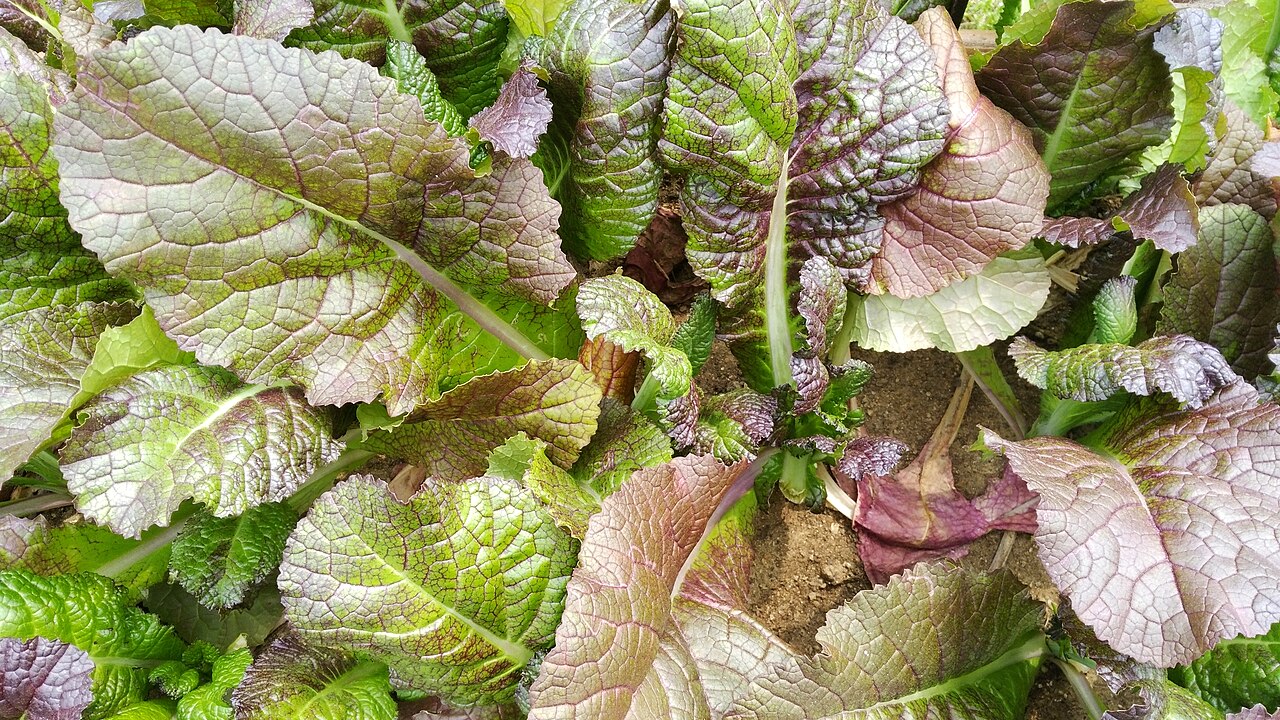
Garnet Giant is the darkest purple mustard in the catalogs, with broad, crisp, deeply colored leaves and a mildly spicy flavor that is gentler than its dramatic color suggests. Extension and seed listings describe it as a fall salad and cooking green with red, flat leaves, and growers report baby leaves at 21-30 days and full-size leaves at roughly 40-45 days. It is the mustard for gardeners who want color in a winter salad without the full fire of a hot mustard.
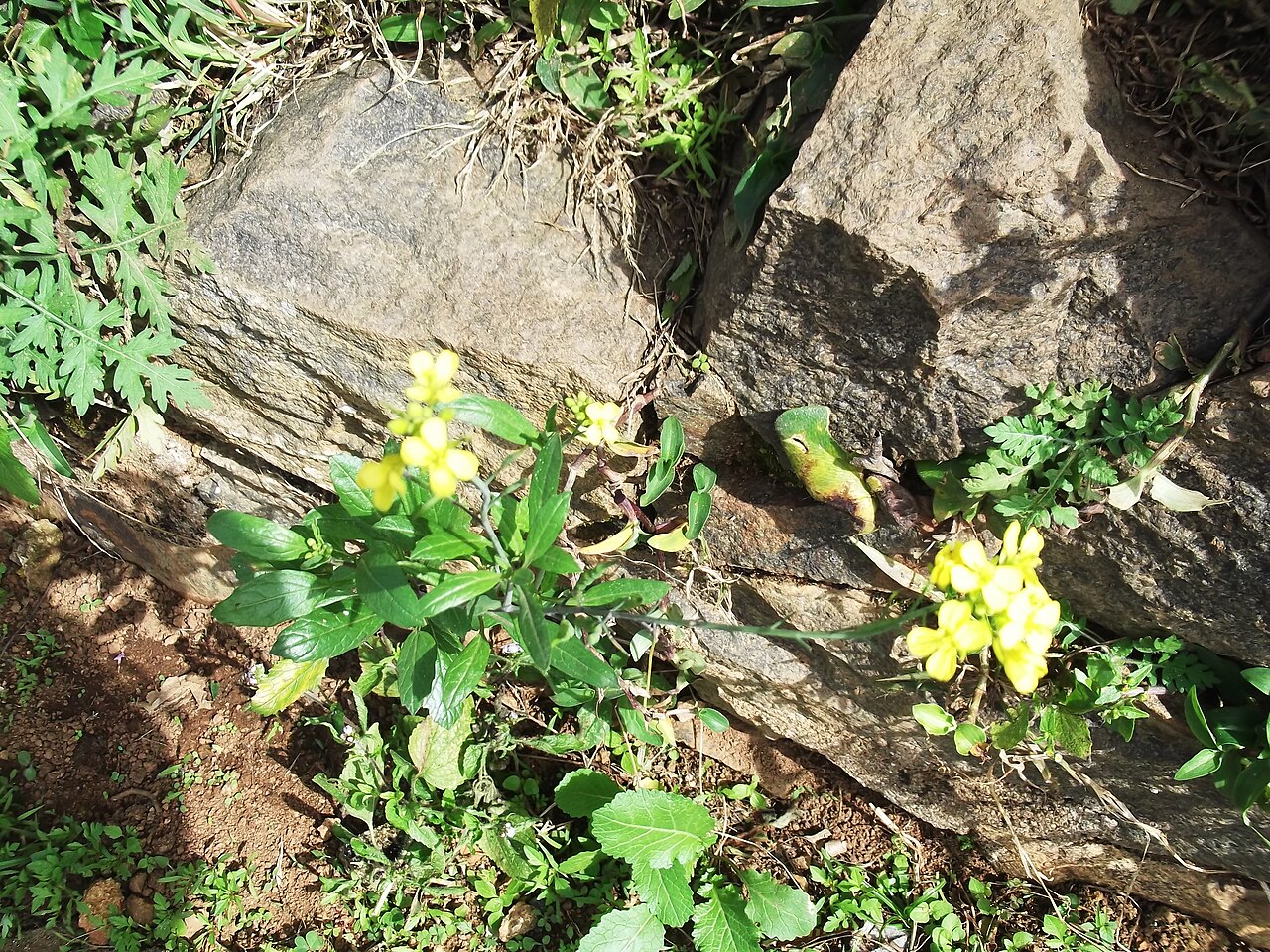
Purple mustards earn their color from anthocyanins, and Garnet Giant leans into it: dark purple cotyledons, green true leaves splashed with purple, and mature leaves that are more garnet than green. In a Florida winter bed, that color is both ornamental and practical — purple leaves are easy to spot for picking, and they hold their color reasonably well in a quick sauté, unlike some reds that fade to gray.
How to grow
Direct-sow in fall through spring in Florida, September through March, with winter as the prime season. Sow in 55-65 degree soil where possible, keep the seedbed evenly moist for 7-10 day germination, and thin to about 12 inches for full plants or leave closer for baby leaf. Succession-sow every 2-3 weeks for continuous harvest.
Work compost and castings in at planting, mulch lightly, and keep water steady — drought makes mustard leaves tough and hotter, while steady water keeps Garnet Giant’s leaves broad and crisp. Pick baby leaves at 2-4 inches for salads, or let plants reach full size for cooking greens, cutting before the center stalk elongates.
Water & feeding
Mustard greens need steady moisture, about an inch a week; drought makes leaves tough and extra-hot. Feed at planting with castings and compost; mustards are light feeders.
Common problems
- Bolting — flower stalks from heat or long days; plant for fall-through-spring harvest and succession-sow.
- Flea beetles — tiny shot-holes in leaves; use row cover on young plants.
- Aphids — clusters on undersides; blast with water.
- Downy mildew in humid weather — space for airflow and water at the base.
Harvest
Cut baby leaves at 2-4 inches, about 21-30 days from sowing, or harvest full-size leaves at roughly 40-45 days, cutting broad, crisp, deeply colored leaves before the center stalk elongates. Wash well — broad leaves hide grit in their folds.
Browse all plant & pest guides
Saving seeds
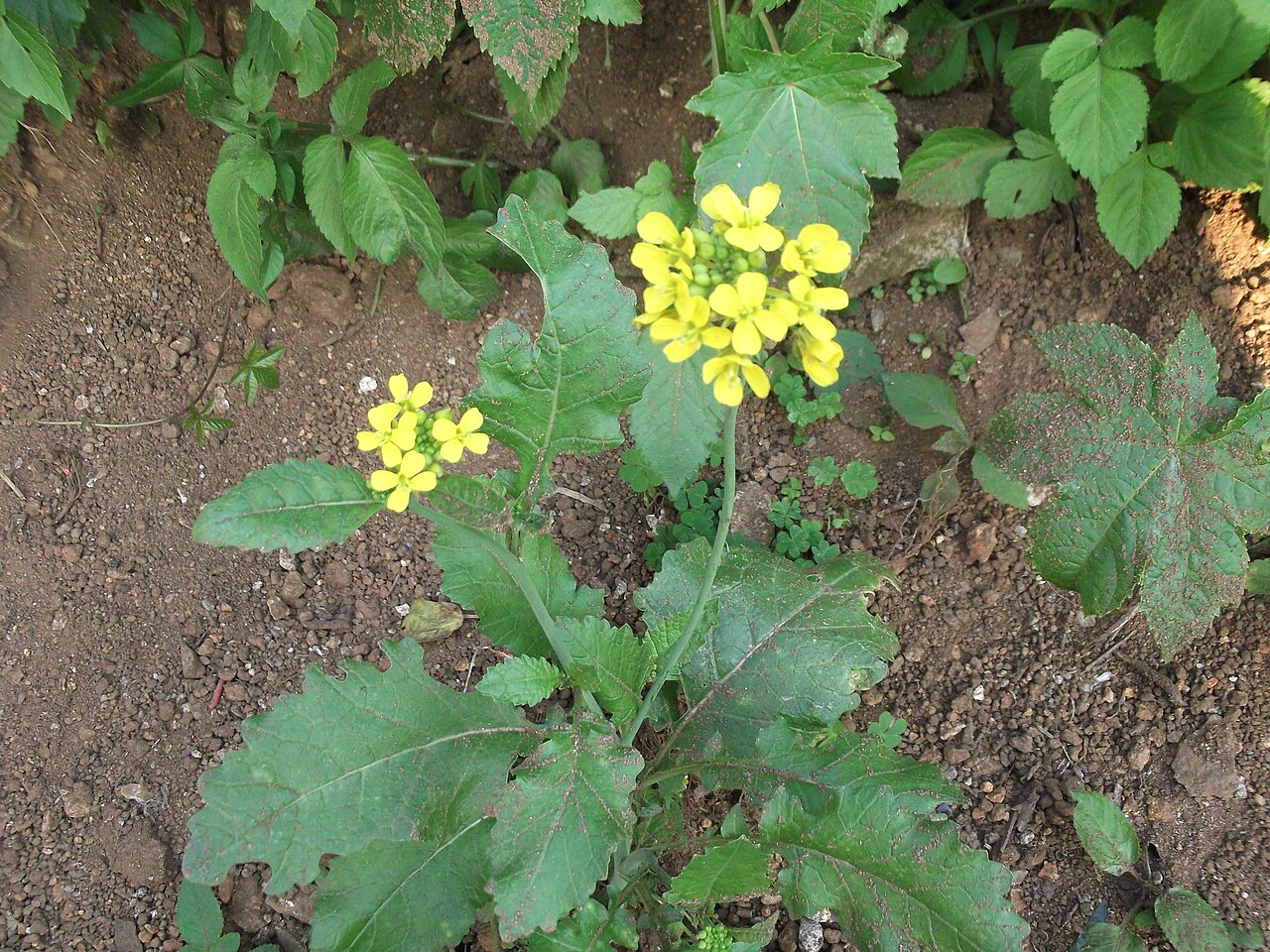
Garnet Giant is an open-pollinated heirloom mustard, so saved seed comes true — let a spring sowing bolt, and once the narrow pods dry on the stems, break them open for seed; grow only one open-pollinated mustard variety per season so it stays true. The full method is in the Saving seeds section of the Mustard Greens guide.