
🍈 Genova Red Ilama
What it looks like
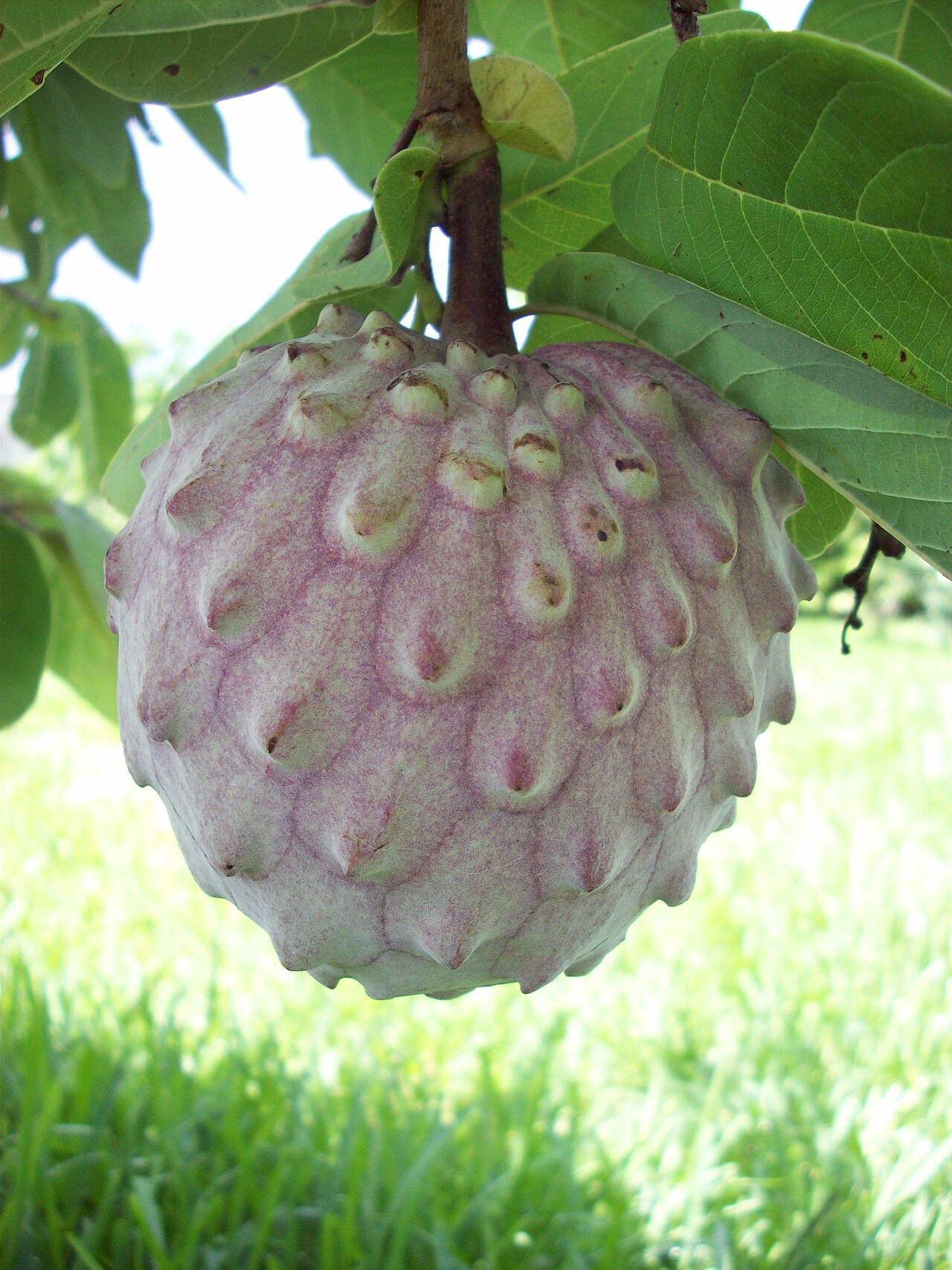
Why this variety
Ilama is the annona most fruit lovers have never tasted — a Mexican and Central American species with large fruit and sweet, raspberry-cream flavor that sits somewhere between cherimoya and sugar apple. ‘Genova Red’ is one of the few named ilama selections in UF/IFAS Tropical Research and Education Center’s collection (alongside ‘Pajapita’), which makes it, by ilama standards, practically famous. Named selections matter here because ilama seedlings vary, and a named tree is the only way to know what flavor you are actually planting.
The honest framing: ilama is rare for a reason. Trees are slow to establish, fruit is not widely sold, and growing information is thinner than for atemoya or sugar apple. ‘Genova Red’ is a tree for the collector-gardener who already grows annonas and wants the next one — not the first annona to plant, but a worthy second or third.
How to grow
Here is the honest Florida part first: ilama is a zone 10-11 tropical for warm South Florida, and it is less proven in Florida than its annona cousins. Plant it in the warmest, most sheltered spot you have, in full sun and well-drained soil, and treat the first years as an establishment project — water steadily, mulch well, and do not expect the precocity of a ‘Gefner’ atemoya.
Plant grafted if you can find it; seedlings take longer and vary. Prune to a pickable height, and hand-pollinate if fruit set is light — ilama shares the annona family’s pollination quirks, and a paintbrush at dawn is cheap insurance on a rare tree.
Water & feeding
Water deeply but infrequently once established — a long soak that reaches the root zone, then a drying interval, beats daily sprinkles that keep the surface wet and the roots shallow. Young trees need steady water for their first year or two; mulch 3-4 inches deep (kept off the trunk) to hold moisture in sandy soil. Feed with worm castings worked into the mulch ring a few times a year plus a balanced citrus/tropical-fruit fertilizer on the schedule your local extension recommends — and go easy on nitrogen, which grows leaves at the expense of fruit.
Common problems
- Freeze damage — zone 10-11; protect young trees on cold nights.
- Slow establishment — ilama is not a fast payoff tree; judge it at year five, not year two.
- Light fruit set — hand-pollinate if flowers drop without setting.
- Root rot from wet feet — well-drained soil only.
Harvest
Ilama fruit is ready when it yields slightly to pressure and the skin color deepens; ripen indoors for a few days for the full raspberry-cream character. Eat fresh with a spoon — this is a connoisseur’s fresh fruit, not a cooking ingredient, and the first ripe one is an event worth scheduling around.
Because ilama is rare, save seed from your best fruit and share scion wood with other rare-fruit growers: named selections only survive if gardeners propagate them.
Browse all plant & pest guides
Saving seeds
Genova Red is one of the few named ilama selections, and ilama seedlings vary — plant a grafted tree if you can find one, since a seedling won’t reliably hold the raspberry-cream flavor. The Saving seeds section of the Ilama guide covers seed for the species generally.