
🌺 Green Globe Globe Artichoke
What it looks like
Why this variety
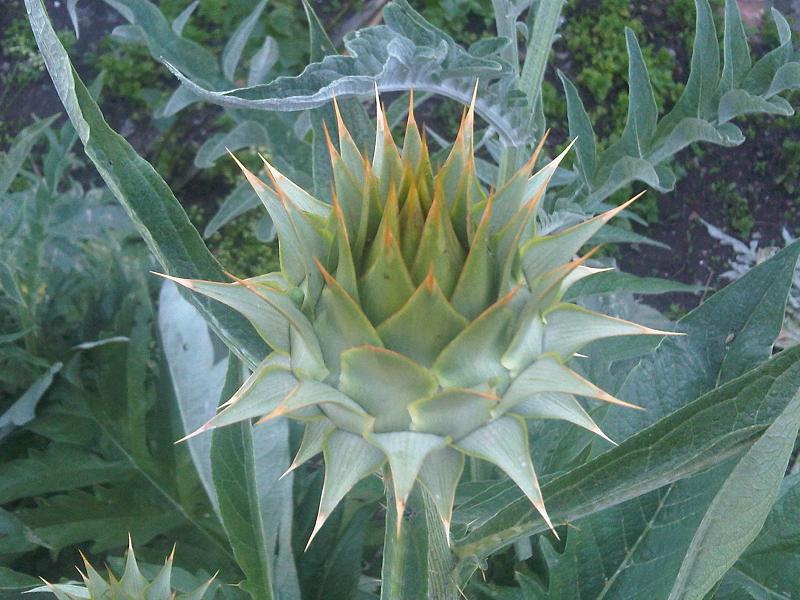
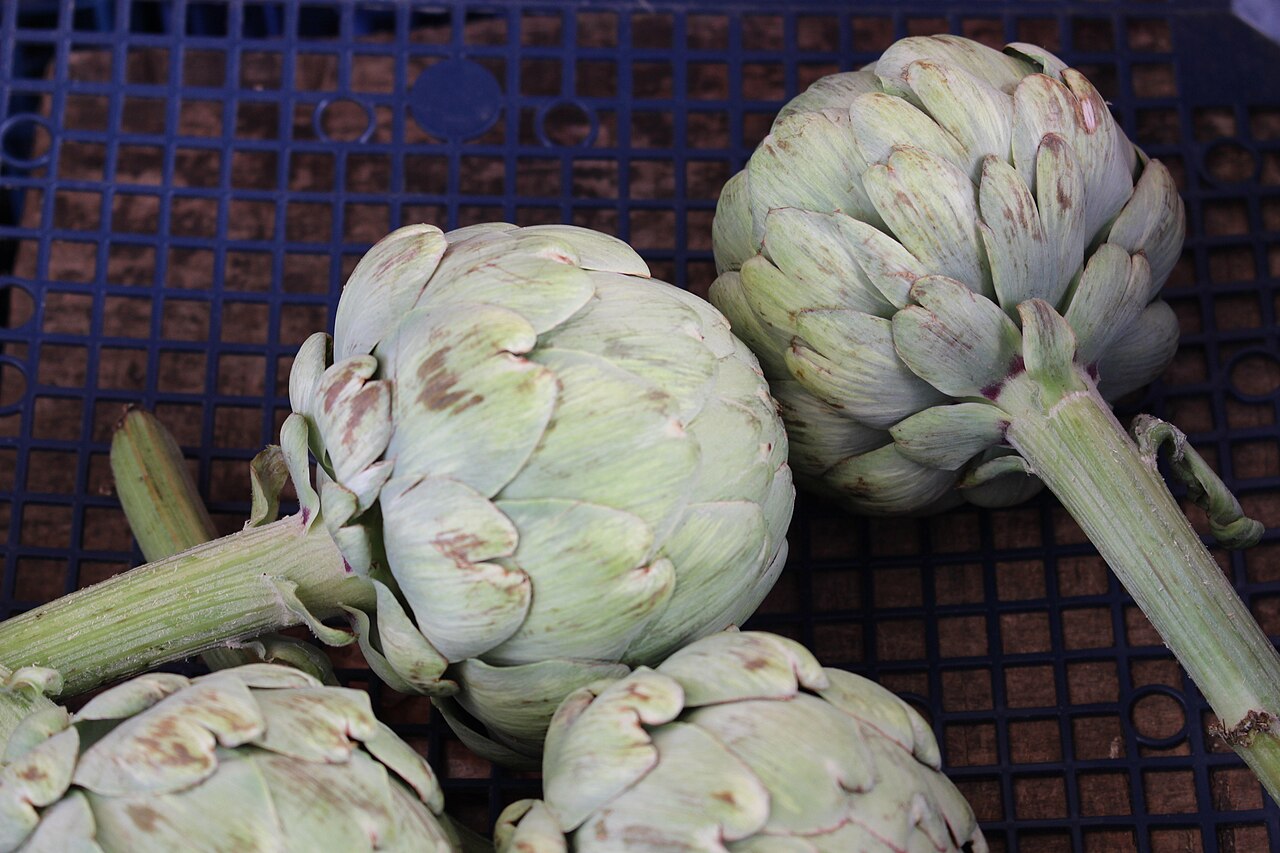
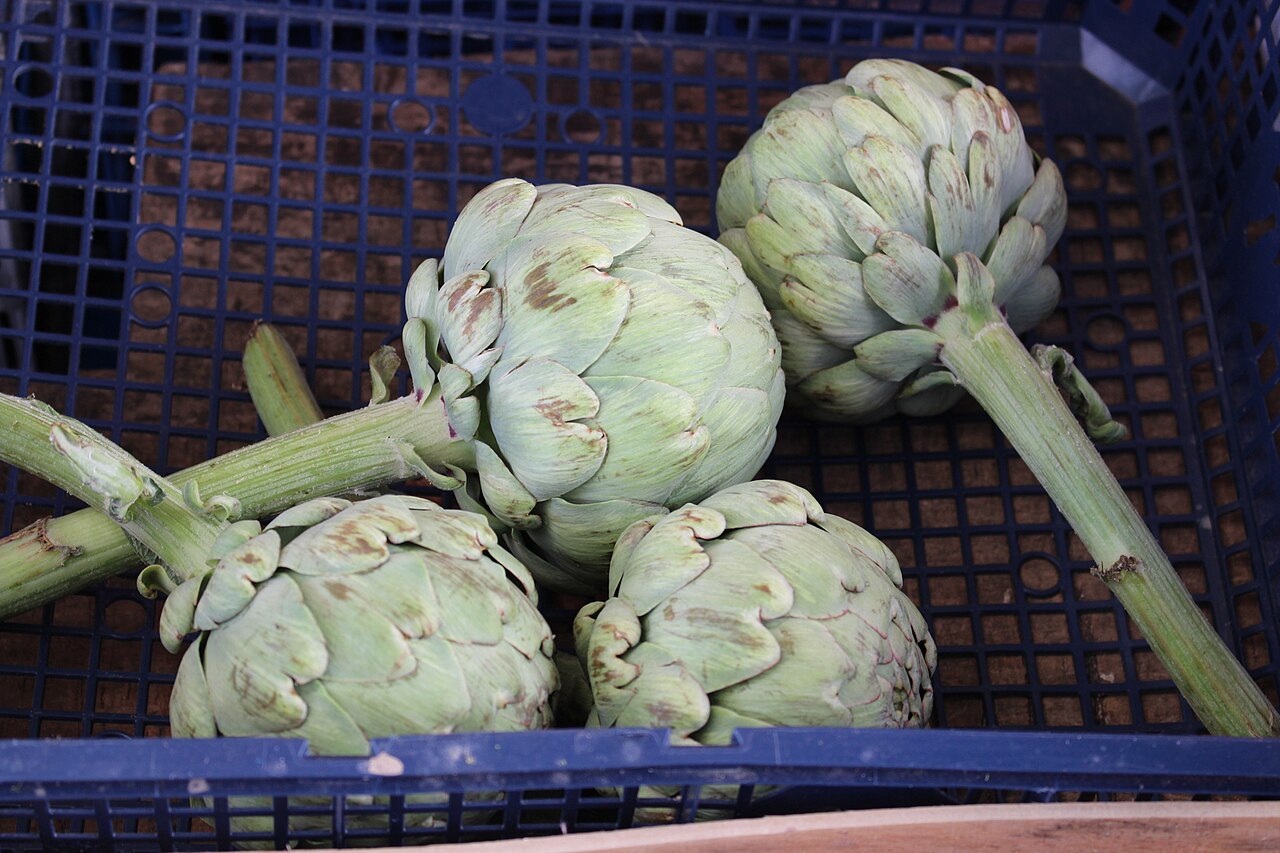
Green Globe is the artichoke most gardeners picture: large, round, green buds with thick, meaty hearts, grown as a perennial in mild climates and as an annual from early-started seed elsewhere. It has been the standard globe artichoke for generations, and it earned that place by being consistent — big buds, good flavor, and plants that come back bigger each year where winters are mild.
The heart is the prize, but it is not the only harvest: the thick stem below the bud is edible when peeled, and the outer leaves, steamed and pulled through butter, are the ritual that makes artichoke night feel like an occasion. One Green Globe plant gives you dinner and a ceremony.
If you are new to choosing between cultivars, the Varieties Matter guide explains why the name after the plant matters as much as the plant itself. And if you want the whole clan at a glance, the broader Globe Artichoke guide covers globe artichoke generally.
How to grow
In Florida, globe artichoke is a big, architectural perennial for the northern and central parts of the state and a spectacular cool-season annual farther south. Give it room — this is not a plant for a tight bed — and mulch the crown over winter in the cooler parts of the state. The buds are worth the space: few vegetables feel as much like an occasion.
Start seed indoors 8–12 weeks before your last frost, or buy transplants. Space 3–4 feet apart in rich, deeply worked soil — artichoke roots run deep, and a plant given room will reward you for years. In cold winters, cut the plant back and mulch the crown heavily; in mild winters, it may stay green all year.
Water & feeding
Artichoke wants deep, regular water and rich soil; it sulks in drought and turns tough and small when dry. Mulch heavily, feed with compost through the growing season, and keep the crown mulched over winter where freezes are expected.
Common problems
Aphids love artichoke buds, and earwigs hide between the bracts; a strong jet of water and a rolled newspaper trap handle both. Artichoke plume moth can bore into buds in some regions — remove and destroy affected buds promptly. Crown rot in wet soil is the real killer, so drainage matters more than fertilizer.
Harvest
Harvest when the buds are full and firm but the bracts are still tight — a bud whose bracts have started to spread is heading for flower, and while the purple thistle flower is gorgeous, it is not dinner. Cut with 1–2 inches of stem attached, and harvest the central bud first; side buds follow, smaller but just as good.
Nerdy fact: An artichoke is an unopened flower bud — leave it on the plant and it becomes a spectacular purple thistle bloom the size of a softball, beloved by bees and entirely inedible. Dinner is a flower that never got the chance.
Saving seeds
Green Globe is the standard globe artichoke, open-pollinated, so saved seed comes true — start seed indoors 8–12 weeks before your last frost, or buy transplants, and give each plant 3–4 feet of room. The full method is in the Saving seeds section of the Globe Artichoke guide.