
🍃 Green Malabar Malabar Spinach
What it looks like
Why this variety
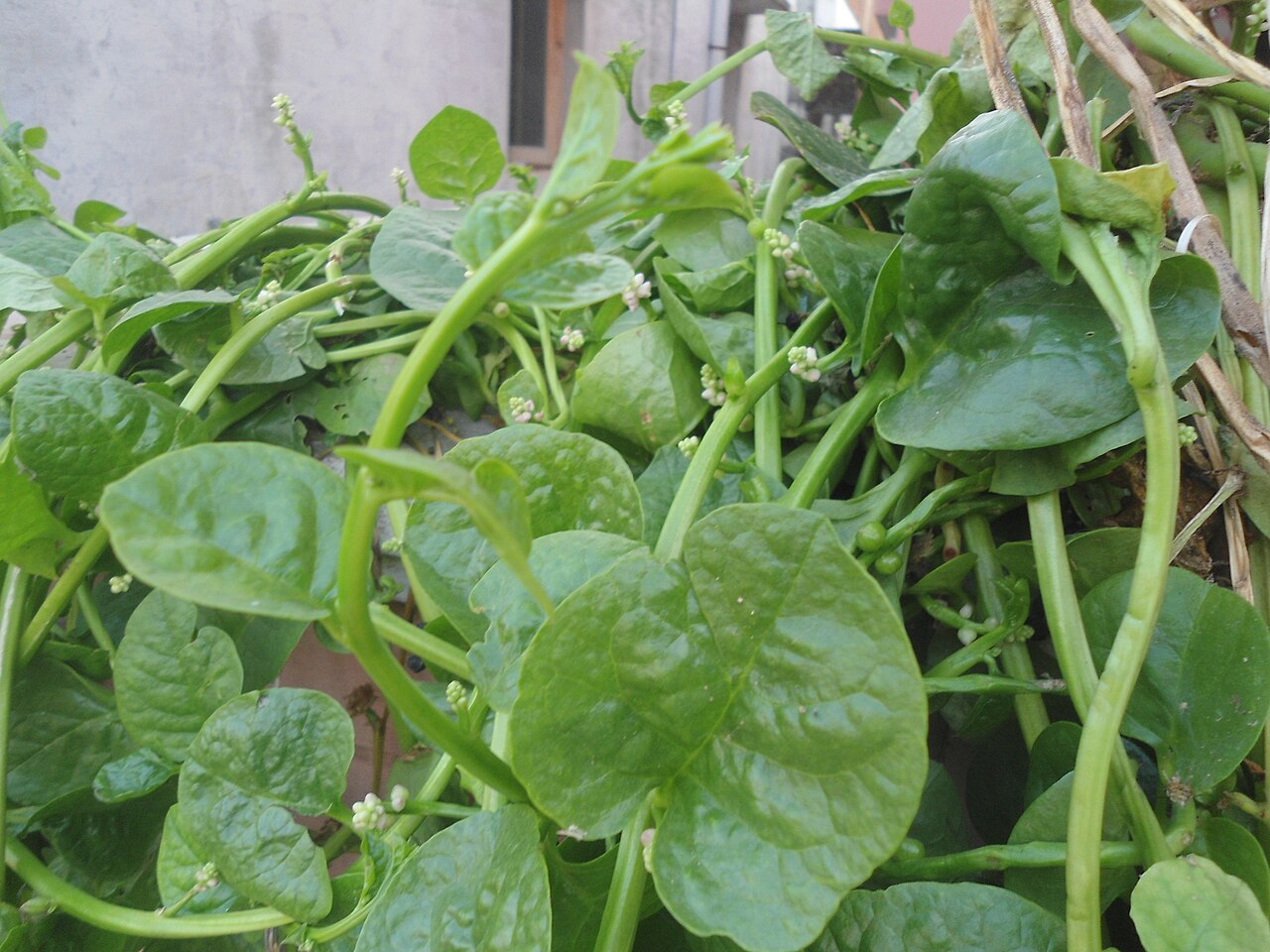
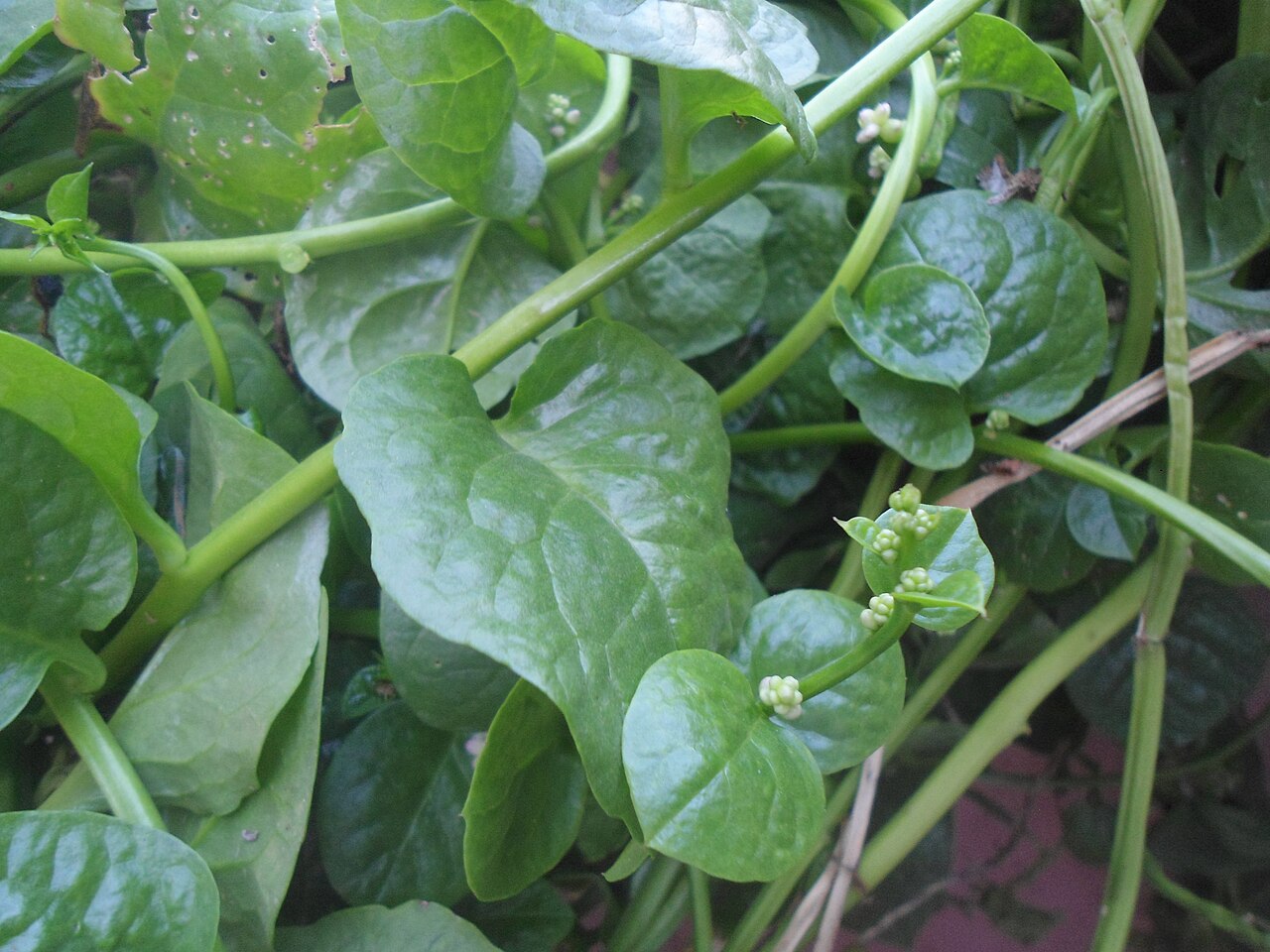
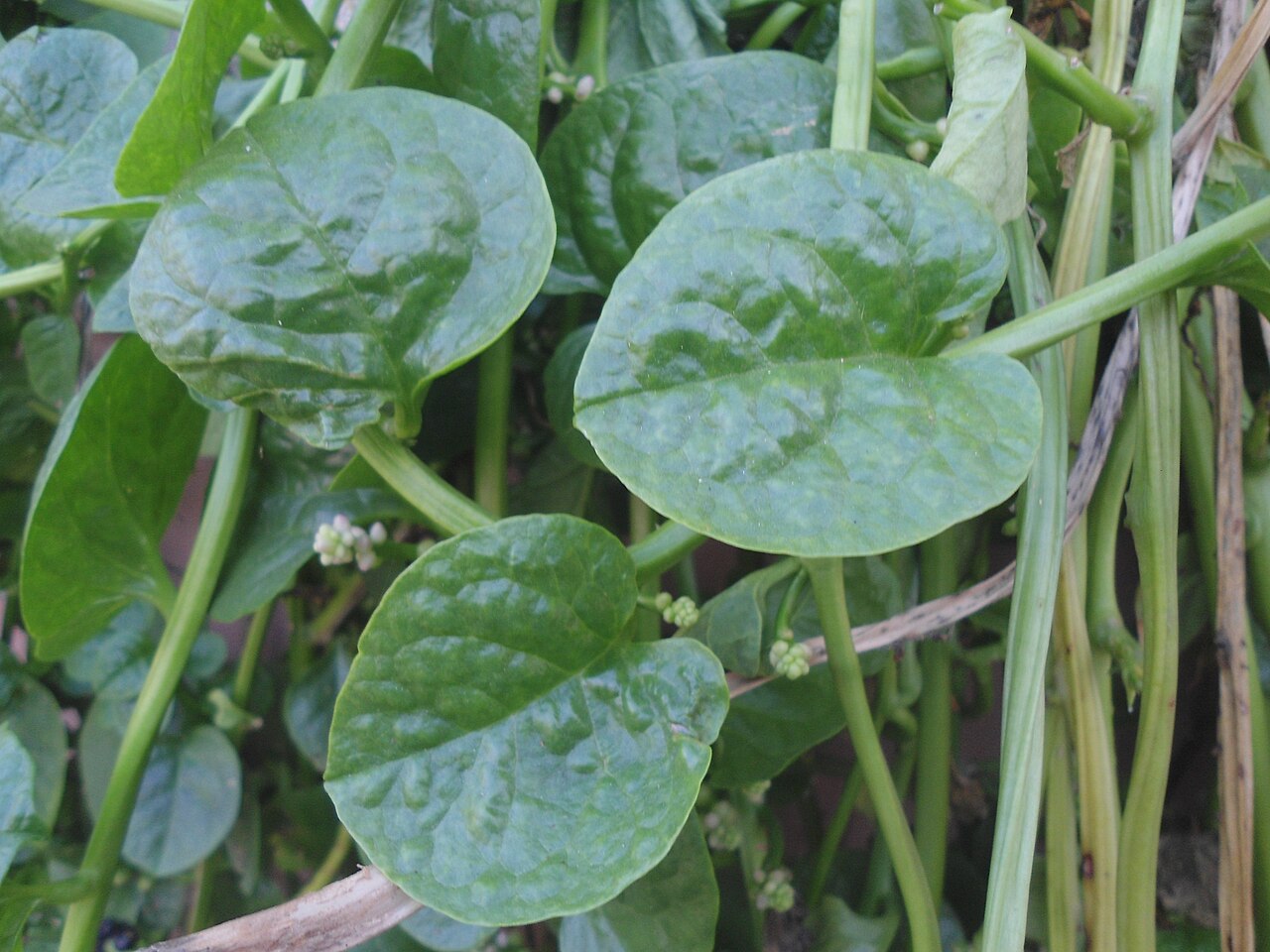
Green Malabar — Basella alba, the green-stemmed form — is the classic Malabar spinach: a vigorous tropical vine with glossy green leaves, green stems, and a mild, slightly earthy flavor, grown as the summer spinach substitute wherever true spinach bolts. It is sold as this named form in seed catalogs, and it is the Malabar to plant first if you want leaves, not ornament.
Green Malabar’s mildness is its advantage: the leaves are tender when young, thick and succulent when mature, and they cook down like spinach with a texture that thickens soups — the mucilage that some cooks dislike is the same quality that makes it a natural soup thickener, like okra. Use it young and raw for salads, mature for cooking, and let the plant decide which by how fast you pick it.
If you are new to choosing between cultivars, the Varieties Matter guide explains why the name after the plant matters as much as the plant itself. And if you want the whole clan at a glance, the broader Malabar Spinach guide covers malabar spinach generally.
How to grow
In Florida, Malabar spinach is the summer spinach substitute that actually likes summer: plant it after the soil warms, give it a trellis or fence to climb, and pick leaves all through the hottest months when true spinach has long since bolted. It is mucilaginous when cooked — thickening soups the way okra does — so if that texture is not your favorite, use it young and raw in salads.
Start seed indoors or direct-sow after the soil warms — Malabar seed germinates slowly, and soaking overnight or nicking the seed coat helps. Plant at the base of a trellis or fence; the vine climbs eagerly and can reach 6–10 feet in a season. Pinch the tips to encourage branching and more leaves.
Water & feeding
Malabar spinach drinks steadily in summer heat and sulks in drought. Water deeply, mulch to hold moisture, and feed with compost through the season; a well-fed vine can grow several feet in a month and keep producing until frost.
Common problems
Few pests trouble Malabar spinach seriously; slugs may visit young plants. The main management issue is vigor — a vine allowed to run will cover a fence, a trellis, and anything nearby, so prune it like you mean it and harvest often.
Harvest
Pick leaves and tender stem tips as needed, starting about 60 days from sowing. Regular picking keeps the vine leafy and delays flowering; once it flowers and sets its dark purple berries, leaf production slows — though the berries make a handsome, if staining, natural dye.
Nerdy fact: Malabar spinach is not a spinach at all — it is Basella, a genus of its own, and its closest garden relatives are more tropical than temperate, which is exactly why it thrives in summer heat that kills true spinach on sight.
Saving seeds
Green Malabar is Basella alba, the green-stemmed form of Malabar spinach, grown from seed, so saved seed comes true — let the vine flower and set its dark berries, and keep it from the red form if you want to keep the green pure. The full method is in the Saving seeds section of the Malabar Spinach guide.