
🌳 Green Vase Japanese Zelkova
What it looks like
Why this variety
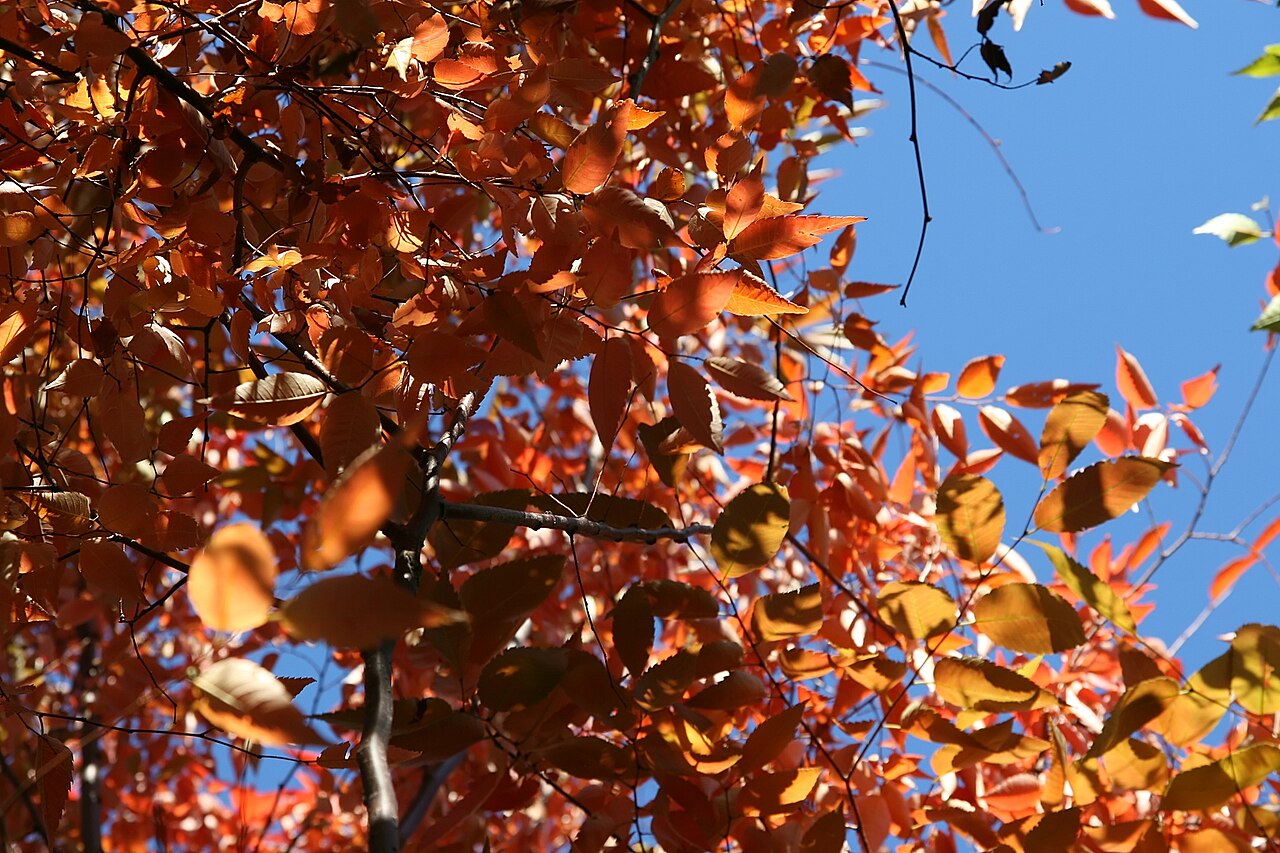
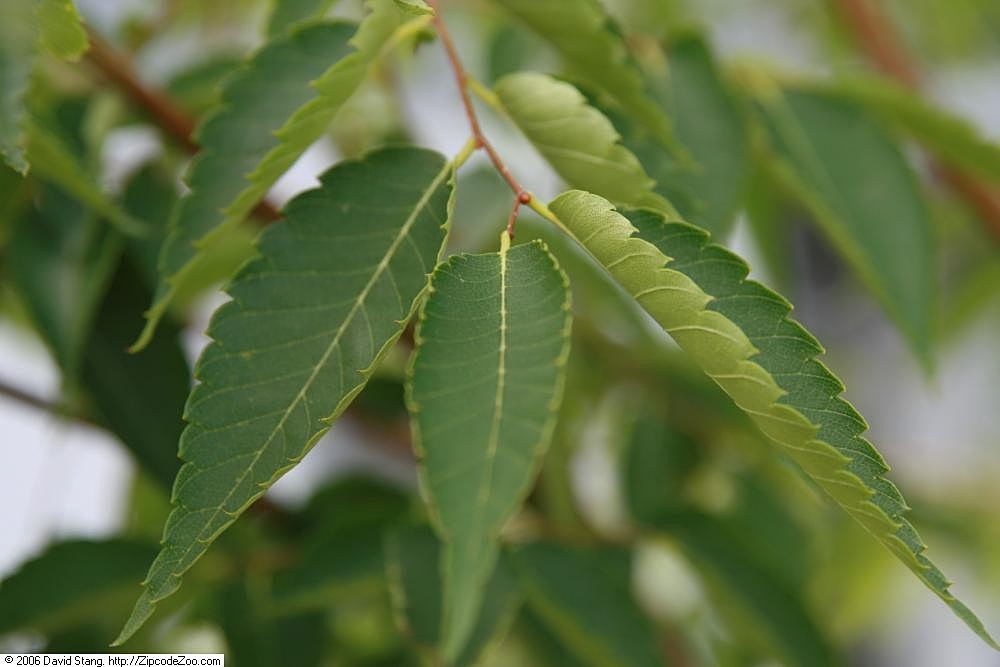
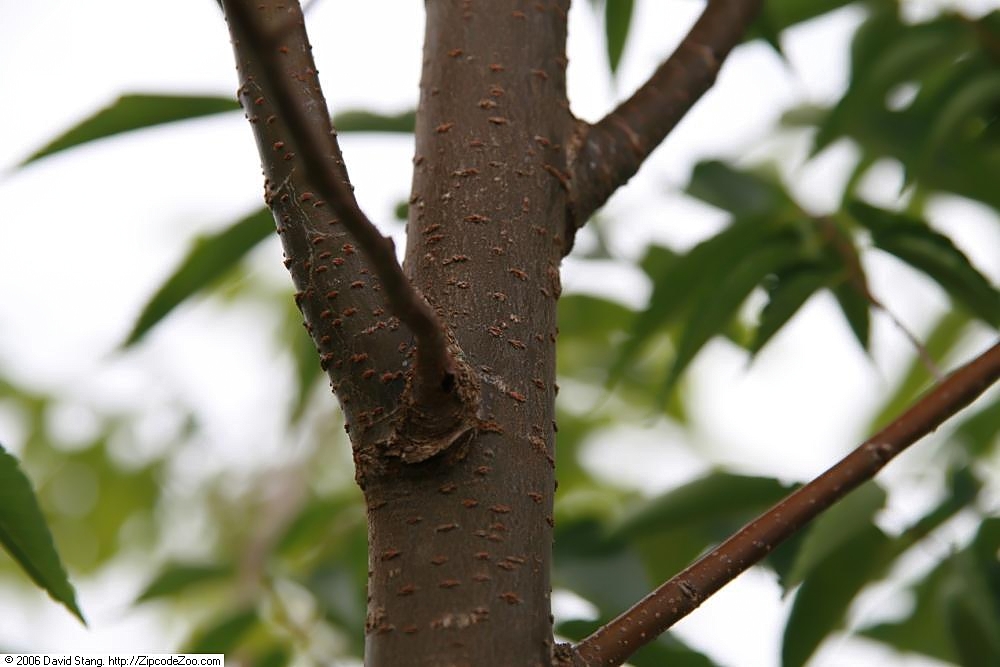
Green Vase is Japanese zelkova in its most architectural form: a narrow, upright start that opens into a broad, vase-shaped crown, 50–70 feet tall, with small serrated leaves, exfoliating bark that turns orange and tan with age, and the elm-like grace that made zelkova the tree cities turned to after Dutch elm disease. It grows fast, resists the disease and the beetles that spread it, and it gives a high, arching shade canopy that a street or a large yard can actually use.
In Florida, Green Vase is a north-Florida trial: full sun, deep, well-drained soil, afternoon shade if the site is brutal, and water through establishment. Expect a handsome tree that grows a little slower and colours a little less reliably than it does farther north — the trial framing is the honest one, and a good north-Florida specimen is still a fine shade tree.
How to grow
Japanese zelkova is a medium to large shade tree, 50–80 feet tall, with a distinctive vase shape, small serrated leaves and exfoliating bark that turns orange and tan with age. It is the tree many cities turned to after Dutch elm disease: it looks like an elm, grows like an elm, and resists the disease and the beetles that spread it. Plant in full sun in fall or spring, 30 feet from structures, in deep, well-drained soil, and water deeply for the first two to three years. In Florida, keep it in the north, give it afternoon shade if the site is brutal, and expect a handsome tree that grows a little slower and colours a little less reliably than it does farther north — the trial framing is the honest one.
Water & feeding
Water deeply through establishment, then in dry spells; established zelkova is moderately drought-tolerant but grows best with steady moisture. Mulch widely and feed lightly in spring if growth is pale. Train a central leader while young; a vase shape with competing leaders is a storm problem later.
Common problems
Few serious pests — that elm resistance is the point. Cankers can strike stressed trees, and the prevention is water, drainage and not wounding bark. A zelkova that sulks in central or south Florida is a climate verdict, not a care failure.
Harvest
The harvest is high shade and autumn colour, with little litter worth complaining about — small leaves filter through lawns rather than smothering them. Prune while young to maintain a central leader and the vase form; mature trees need little beyond deadwood removal.
Nerdy fact: Zelkova’s vase shape is not an accident of pruning but a growth habit: the branches ascend steeply and then arch outward, which is why the tree looks like a wine glass from a distance — and why it was the natural replacement for the American elm, which grew the same way.
Saving seeds
Green Vase is Japanese zelkova in its most architectural form, a named cultivar, and seedlings won’t hold the vase-shaped crown — plant a nursery-grown tree. The Saving seeds section of the Japanese Zelkova guide covers seed for the species generally.