
🥬 Green Wave Mustard
What it looks like
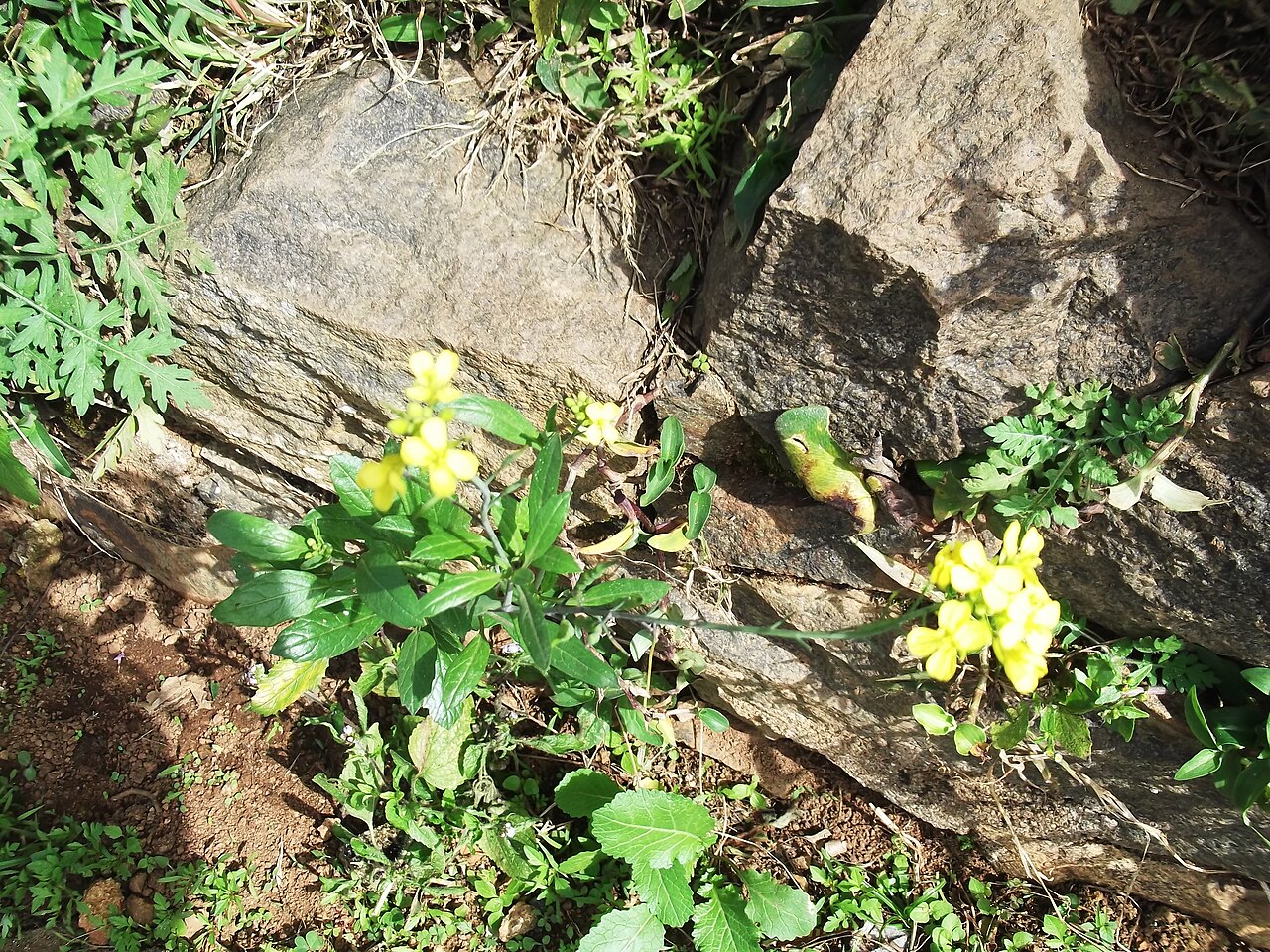
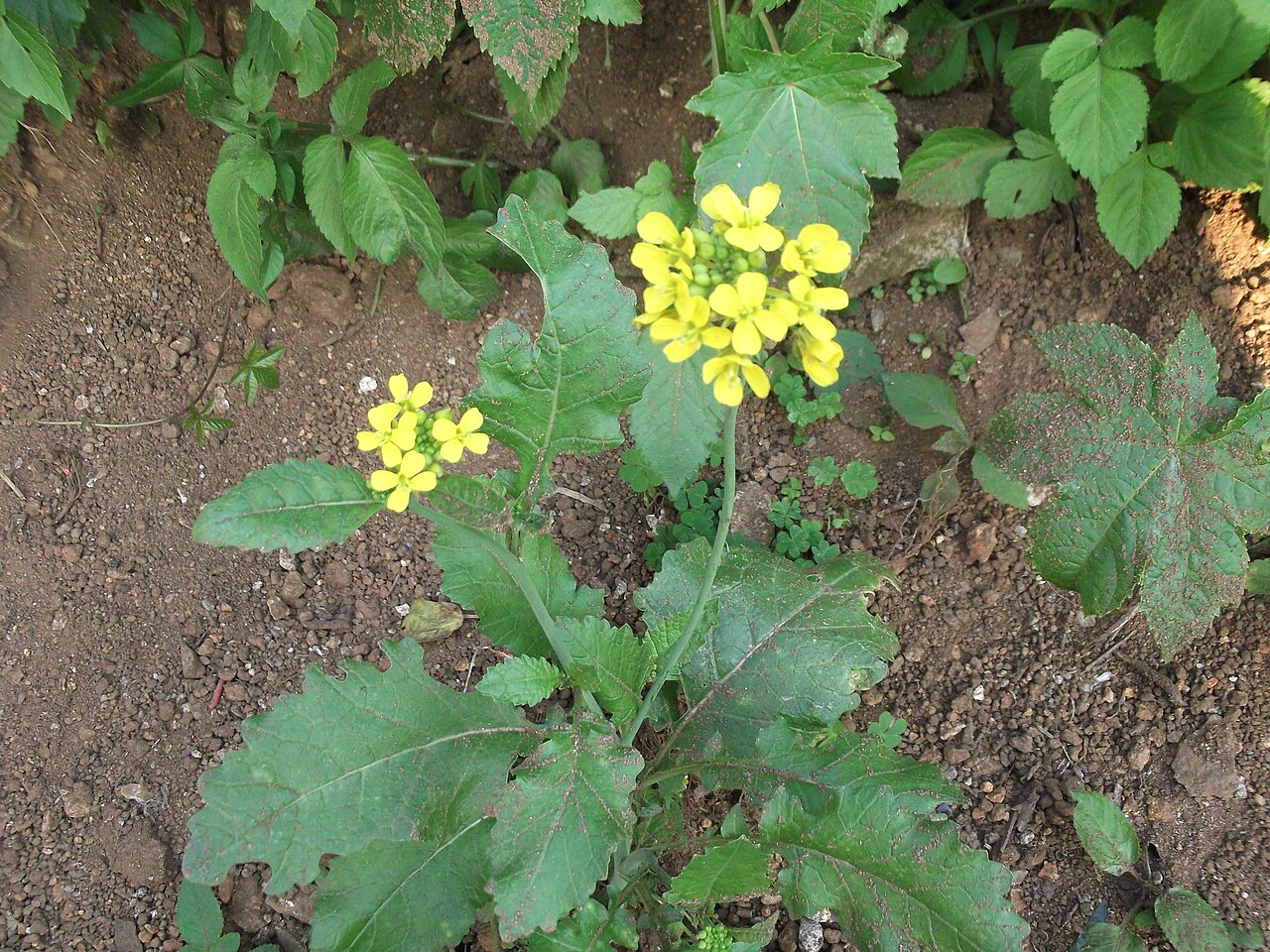
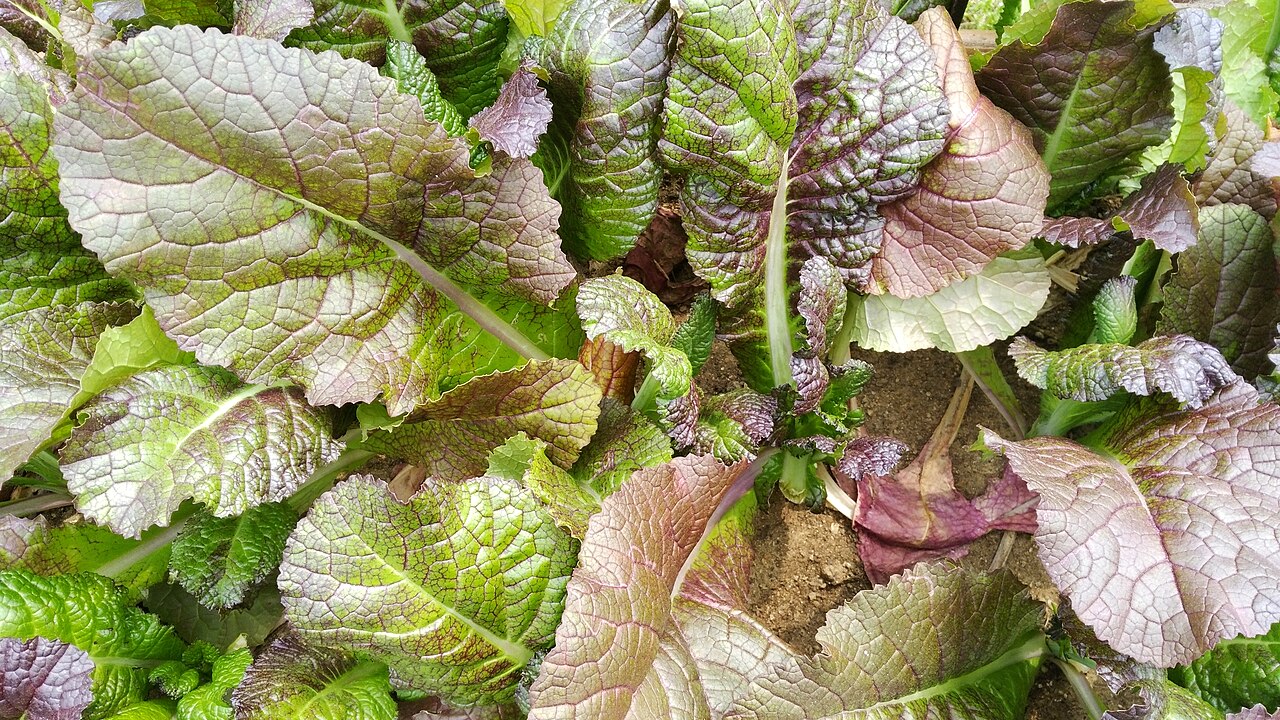
Photos show the species (Brassica juncea), since no cultivar-specific photo verified for this variety — the species photos above are already hosted on this site and attributed as on the species guide.
Why this variety
Green Wave is the mustard green that looks like it is having more fun than any plant has a right to. Its leaves are deeply frilled and curled, bright green, and intensely mustardy — the classic Southern pot herb with the volume turned up. Harvest it young and tender for salads, or let it fill out and cook it down into the peppery, soul-satisfying greens that made mustard a staple across the South.
What earns Green Wave its place in a Florida bed is vigor. Mustard greens are already fast, but Green Wave is fast and generous: a big plant, a long cutting window, and a bite that stays bold without turning punishingly hot when the weather cools. In northeast Florida trial listings it is the mustard recommended for both baby greens and full-size pot herbs, which is a fair summary of its whole personality.
How to grow
Sow Green Wave in fall through early spring in Florida — it is a cool-season crop that tolerates heat better than spinach or lettuce, but it still does its best work in cool weather. Direct-sow 1/4 inch deep, thin to the wide spacing in the hero stats for full-size plants, or sow thickly for baby-leaf cutting. Successions every two weeks keep the bite coming.
Mustard greens are brassicas, and brassicas are hungry: work compost and castings into the bed before sowing, and keep the pH in the hero range. In sand, nitrogen leaches fast, so plan on side-dressing rather than one big feed at planting. Mulch to hold moisture and keep soil off the frilly leaves — grit in frills is the cook’s least favorite surprise.
Water & feeding
Water evenly, about an inch a week; mustard that dries out turns hotter and tougher, which some cooks like and most do not. Morning watering at the base keeps leaves dry and disease down. Mulch helps enormously in a dry winter, holding the even moisture that keeps leaves tender.
Feed lightly every 2–3 weeks with compost tea or a balanced organic feed while cutting. Overfeeding with fast nitrogen grows huge, soft leaves that aphids adore; steady feeding grows the frilly, flavorful leaves you actually want.
Common problems
- Flea beetles — the mustard family’s nemesis, shot-holing young leaves; row cover from sowing day is the real fix.
- Aphids — cluster on undersides; water blast, beneficial insects, and unstressed plants.
- Cabbage worms and loopers — hand-pick or Bt; row cover prevents the moths laying eggs at all.
- Bolting in warm spells — harvest hard before a heat wave, and sow successions to replace bolted plants.
Harvest
Snip baby leaves from day 20 for salads and sandwiches, or cut outer leaves from day 45 for cooking. For pot herbs, cut whole plants before they bolt and while leaves are still tender — older, heat-stressed leaves get fiercely hot. Wash frilly leaves thoroughly; the curls hide sand with great enthusiasm.
Cook Green Wave like any Southern mustard: wilted with a little fat, garlic, and acid, or braised long and slow. It also freezes well after blanching, which is how a winter glut becomes spring soup.
Browse all plant & pest guides
Saving seeds
Green Wave is a modern open-pollinated mustard green, a 1957 All-America Selections winner, so saved seed comes true — let a plant bolt and the pods turn tan, and keep it from other flowering mustards, which cross freely. The full method is in the Saving seeds section of the Mustard Greens guide.