
🌳 Greenspire Linden
What it looks like
Why this variety
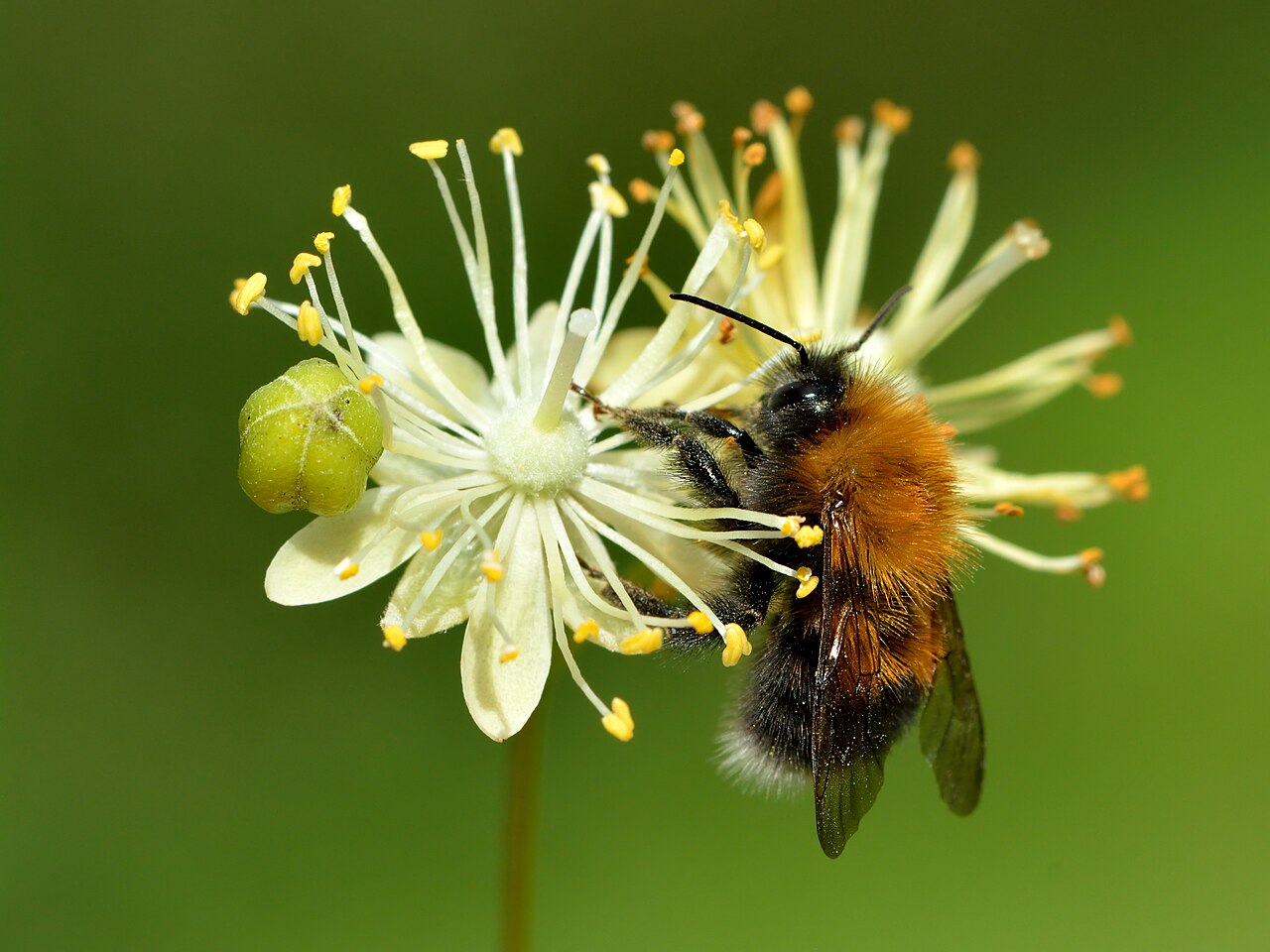
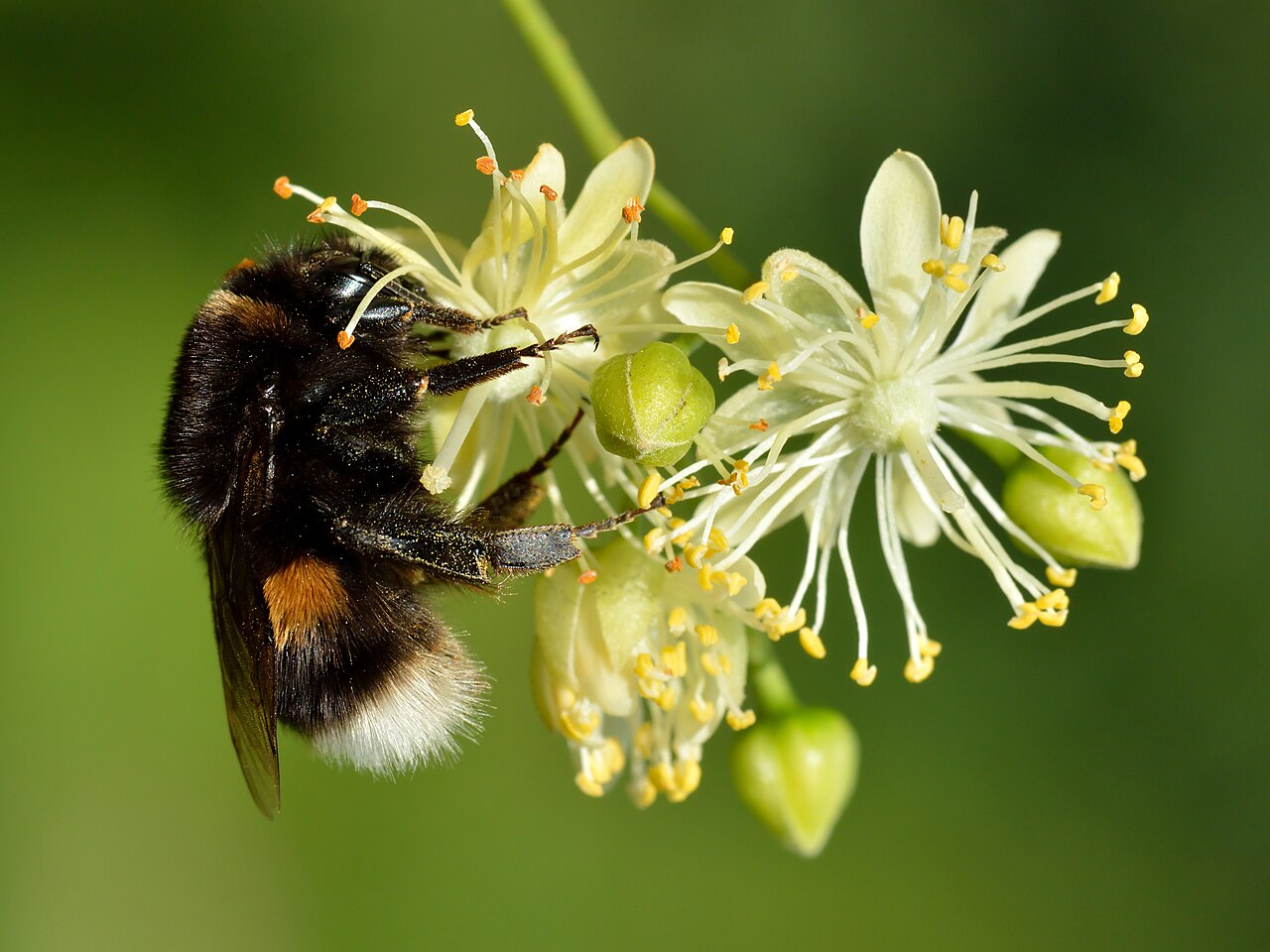
Greenspire is littleleaf linden in its most reliable form: a narrow, pyramidal young tree that broadens into a dense, oval crown, 50 feet tall and 30 feet wide, with small heart-shaped leaves, a straight trunk, and the June flower show that defines linden — clusters of small cream flowers that perfume the whole yard and draw bees by the thousands. It is the street-tree linden, planted by cities because its form is predictable, its branching is strong, and its shade is genuine deep shade.
In Florida, Greenspire is a north-Florida trial: moist, well-drained soil, afternoon shade if the site is brutal, and deep watering through establishment and drought. Lindens drop leaves and attract aphids faster when dry-stressed, so steady moisture is the care programme, and a tree that defoliates in a hot Florida summer is a climate verdict, not a care failure.
How to grow
In June, clusters of small cream flowers perfume the whole yard and draw bees by the thousands, which is a feature, not a pest problem — linden is the shade tree that smells like honey. Littleleaf linden is the classic street and lawn tree, while American linden (basswood) is the bigger native. Plant in spring or fall in moist, well-drained soil, 25 feet or more from structures, and water deeply for the first two years. Florida honesty first: linden is a zone 3–8 tree, so plant it only in the north, with afternoon shade if the site is brutal, and expect a dense, heart-shaped canopy that makes genuine deep shade — and a tree that will tell you promptly if the summer is too hot and dry for it.
Water & feeding
Water deeply through the first two years and in drought; lindens drop leaves and attract aphids faster when dry-stressed. Mulch widely rather than fighting grass under the canopy. Feed lightly in spring if growth is pale; steady moisture matters more than fertiliser.
Common problems
Aphids are the classic linden complaint — they drip honeydew onto everything below, and the fix is usually a strong jet of water and patience for ladybirds, not a spray programme. Japanese beetles may skeletonise leaves in some years; healthy trees regrow. A linden that scorches and defoliates in a hot Florida summer is a climate verdict, not a care failure.
Harvest
The harvest is June perfume, summer shade, and — for the patient — linden flowers for tea, a traditional use that is older than the street-tree one. Prune while young for structure; mature trees need little beyond deadwood removal. Aphid honeydew on cars below is the known downside, and a jet of water plus ladybirds is the usual answer.
Nerdy fact: Linden flowers have a small, leaf-like bract attached to each flower cluster, which acts as a wing when the fruit falls — the tree’s seeds helicopter away on a modified leaf, which is a neat piece of botanical engineering for a tree better known for smelling like honey.
Saving seeds
Greenspire is littleleaf linden in its most reliable form, a named cultivar, and seedlings won’t hold its narrow, pyramidal form — plant a nursery-grown tree. The Saving seeds section of the Linden guide covers seed for the species generally.