
🌳 Linden
What it looks like
How to grow
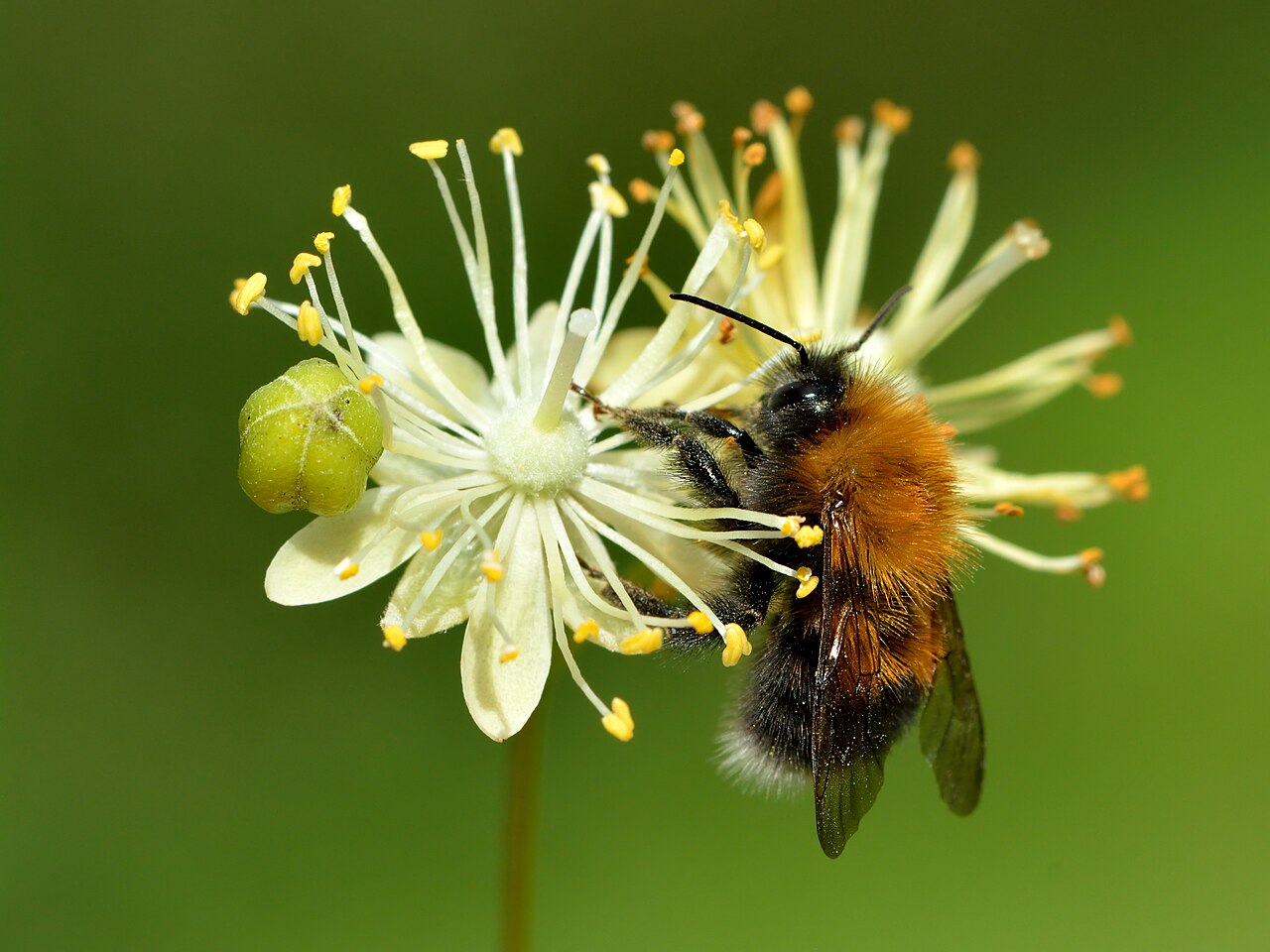
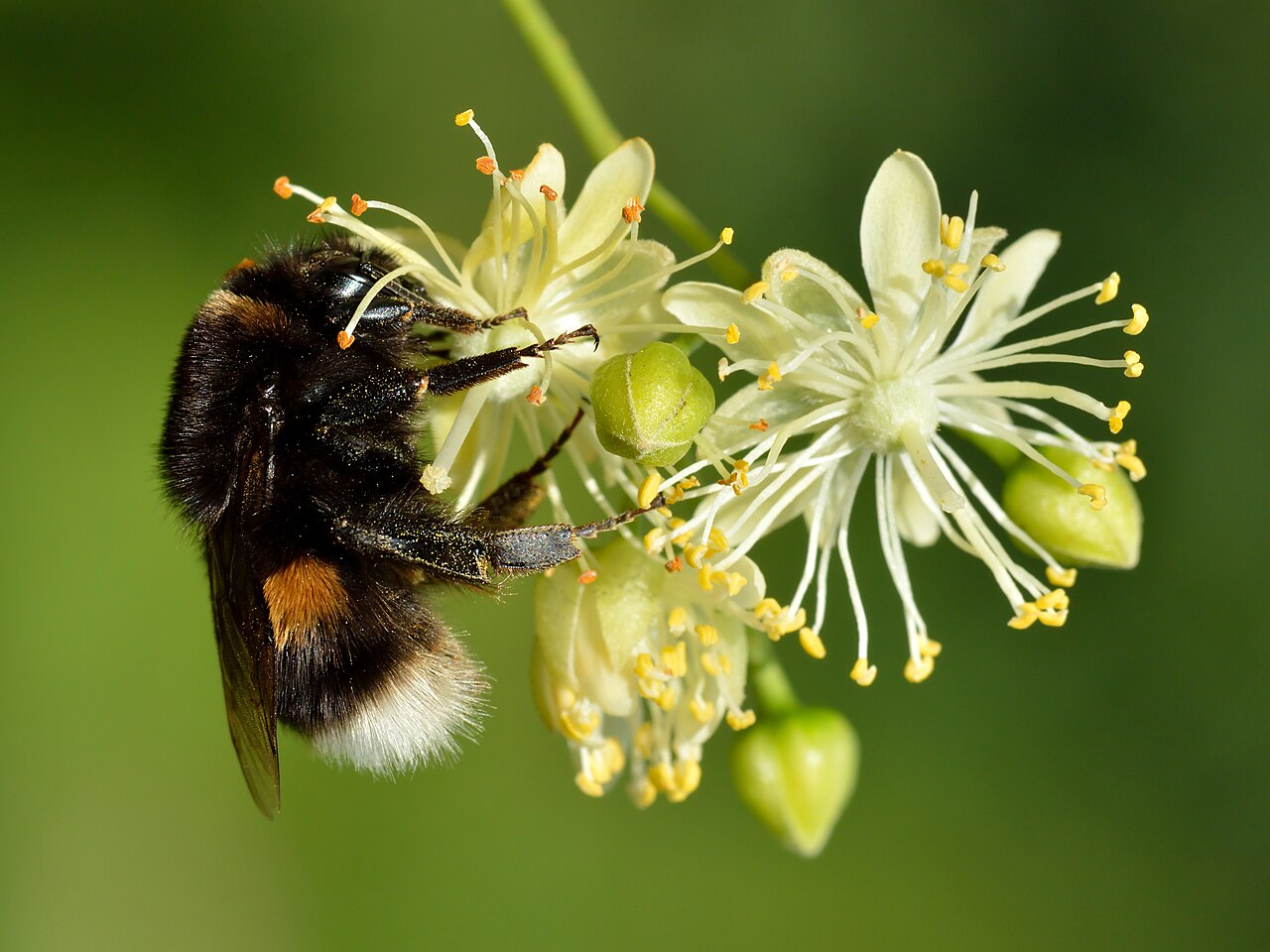
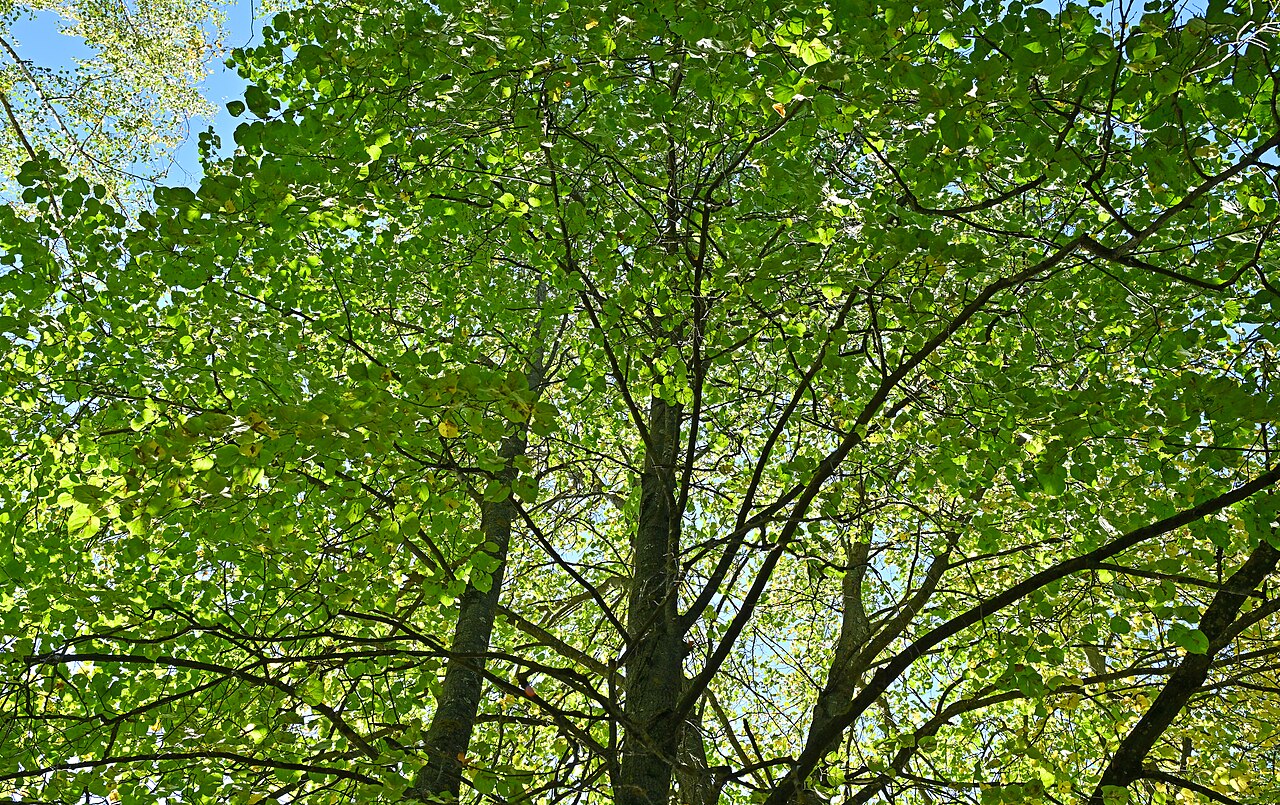
Plant in spring or fall in moist, well-drained soil — littleleaf linden (T. cordata) is the classic street and lawn tree, while American linden/basswood (T. americana) is the bigger native. In June the clusters of small cream flowers perfume the whole yard and draw bees by the thousands, which is a feature, not a pest problem. Linden tolerates city pollution and pruning better than most large shade trees, and its dense, heart-shaped canopy makes genuine deep shade.
Water & feeding
Water deeply the first two years and during drought; lindens drop leaves and attract aphids faster when dry-stressed. Mulch widely rather than fighting turf under the canopy.
Common problems
- Aphids dripping honeydew (and sooty mold) in summer — usually worse on stressed trees
- Japanese beetles skeletonizing leaves in outbreak years
- Leaf scorch in hot, dry, reflected-heat sites
Harvest
Prune in late winter to establish a central leader and remove crossing branches while young. Mature lindens tolerate corrective pruning well but rarely need more than deadwood removal.
Browse all plant & pest guides
Saving seeds
Linden seed saving is a test of patience, and the reason is dormancy — deep, double dormancy, the kind that makes even experienced growers mutter. Linden (Tilia species) seed has a hard coat and an embryo that both need their own seasons before they will cooperate, so a seed sown fresh in autumn may sit through a whole winter and still not sprout until the second spring. If you go in expecting that, you will not throw away a perfectly good tray in frustration. If you expect quick germination, you will.
Collect the little nutlets in autumn, when the clusters have turned brown and dry and rattle on their papery bracts — the bract acts like a little wing, so gather on a calm day or the wind will do the harvesting for you. Rub the nutlets free of their bracts and keep the plump, heavy ones; light, empty ones are duds. The hard coat is part of the dormancy problem, so some growers nick or lightly scarify each seed before stratifying, though plenty of seed germinates without it if you give it enough time.
The classic treatment is a warm period followed by a cold one, mimicking a summer and then a winter. Mix the seed with barely damp sand or vermiculite in a labelled bag, keep it at room temperature for a warm stratification of a couple of months, then move it to the fridge for a cold, moist stratification — and here sources disagree, so here is the honest range: references cite roughly three to four months of cold, with some calling for longer, and even then germination can be slow and spread out over months. Keep the mix damp, never wet or mouldy, check it now and then, and sow in spring in pots of free-draining mix when the cold period ends. Do not discard the tray if nothing appears the first season — linden seed has been known to wait a second winter, and a tray thrown out in impatience is the most common way to lose a whole batch.
One honesty rule, as with every tree in this series: seed from a named linden cultivar will not grow true — cultivars are grafted or budded onto seedling rootstocks for a reason, and seed from them produces variable seedlings, not copies. Save seed from species lindens, or from a cultivar when you are happy to raise a seedling of unknown character and select the best of them yourself.
Florida note: lindens are temperate trees that want a real winter, and most of Florida is too warm for them to thrive — they are a tree for cooler climates, or at best a hopeful experiment in the coolest, shadiest corner of a North Florida garden. If you are saving seed here, do it for a colder-climate friend or a mountain garden, and store any seed you keep labelled with species and year in a sealed container in the fridge, where it generally keeps for a few years.
Varieties
Every named variety of Linden with its own growing guide:
- Greenspire Linden — The narrow, straight littleleaf linden: honey perfume in June, dense shade all summer, and a form cities trust.