
🌳 Hartley Walnut
What it looks like
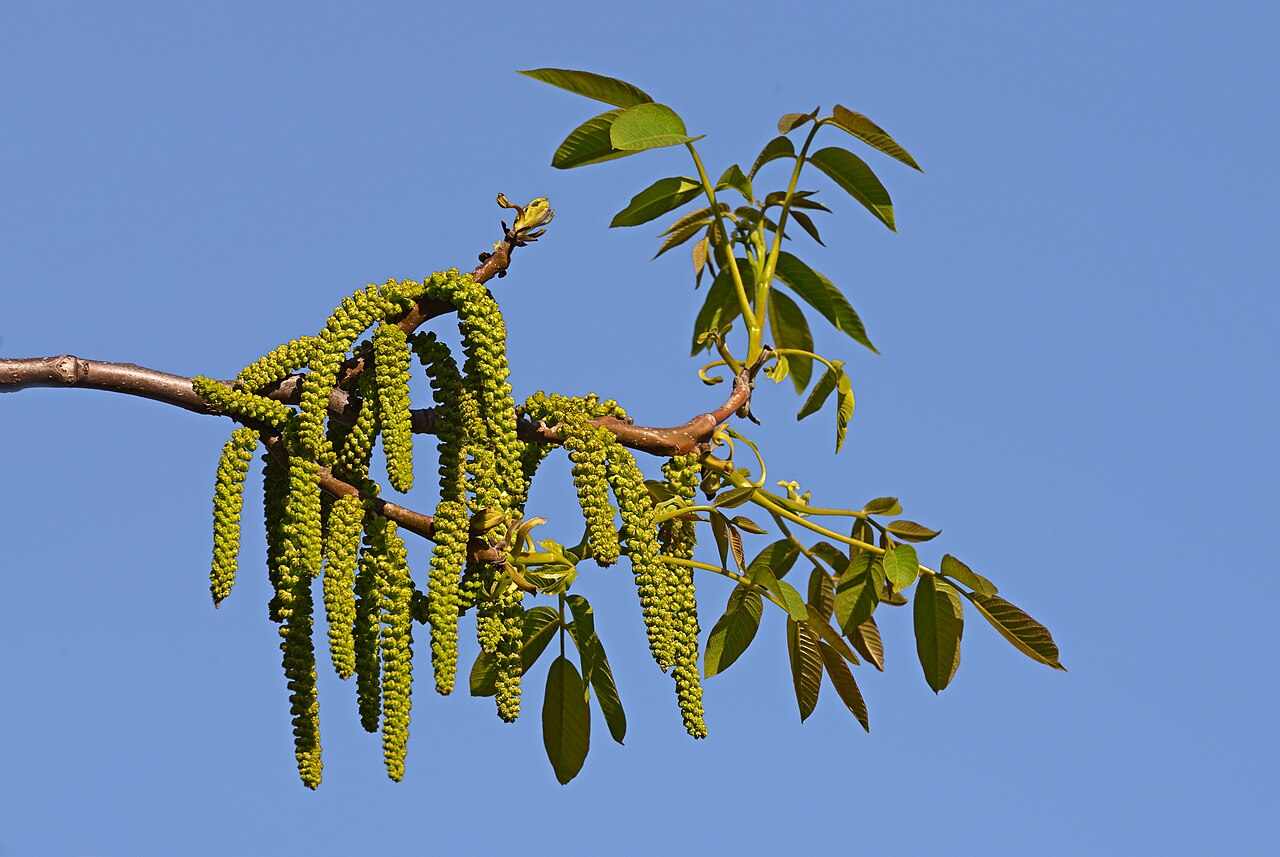
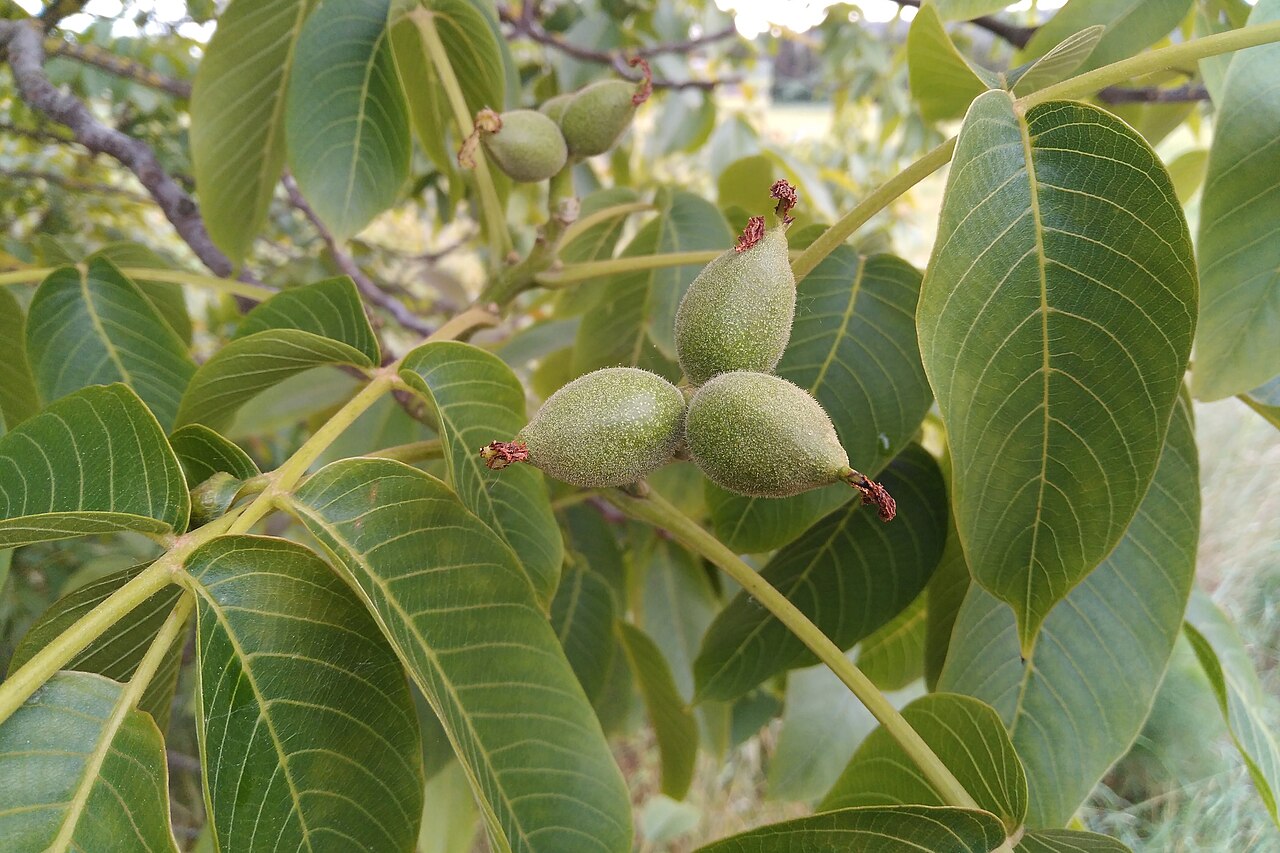
Why this variety
Hartley is the English walnut that built orchards. An old, terminal-bearing but productive cultivar, it was still the major walnut cultivar by acreage into the mid-1990s, and together with Chandler it has accounted for the majority of commercial walnut production — which means the walnuts in the grocery store have a very good chance of being Hartley, or Hartley’s direct descendants. Large nuts, light-colored kernels, attractive shells, and a tree that leafs out late enough in spring to dodge both late frost and much of walnut blight: that combination is why orchards planted it by the thousand.
For a home grower, Hartley offers the familiar grocery-store walnut on a large, upright, handsome tree — rich, mild flavor, a thin shell that cracks cleanly, and kernels that come out in usable pieces rather than fragments. Chandler, the other English walnut guide on this site, bears along the branches as well as at the tips and is the newer orchard standard; Hartley bears mostly at the branch tips, which makes it a little more frost-sensitive in its bearing wood and a little more old-fashioned in its habits. Plant Hartley if you want the classic: the walnut your grandparents’ orchard grew, with the flavor and cracking quality that made it famous.
Large, thin-shelled, light-kernelled English walnuts. Late-leafing, which helps dodge spring frost and blight. Large tree — plan spacing for decades, not seasons.
How to grow
Plant grafted trees in full sun in deep, fertile, well-drained soil — walnuts drown in wet feet and sulk in shallow soil. Stake young trees, prune for a strong central leader, and harvest when husks split and nuts drop; husk promptly, wash, and dry thoroughly before storage, or the kernels go rancid.
Plant grafted trees in full sun in deep, fertile, well-drained soil, and give them their mature spacing from day one — nut trees become large trees, and crowding a nut tree is a decades-long mistake. Stake young trees against wind, prune for a strong central leader, and be patient: nut trees are measured in years to first crop and decades to peak production. Hartley benefits from a pollinizer nearby for the heaviest crops, even where it sets some nuts alone, so a second walnut variety in the neighborhood is a feature, not a luxury.
Florida framing, stated plainly: Hartley is a North Florida trial only, with honest limits. English walnut wants a real winter chill and deep, fertile, well-drained soil, and Florida’s mild winters, humidity, and sandy or limestone soils work against nut quality and tree health. In North Florida, plant only on deep, well-drained ground with room for a very large tree, and expect the trial to take years to judge; further south, reference only. And a Florida-specific caution: walnut root chemistry (juglone) suppresses many garden plants, so do not plant Hartley over a beloved vegetable bed.
Water & feeding
Water young trees deeply and regularly until established; mature nut trees tolerate dry periods but crop best with consistent moisture through nut fill. Mulch heavily with wood chips or leaves, kept off the trunk, and work worm castings into the root zone at planting and as an annual top-dress. Avoid disturbing shallow roots with cultivation — many nut trees resent root disturbance for years.
Common problems
- Squirrels — the primary harvest competitor for every nut tree. Harvest promptly when nuts drop or husks split; leaving nuts on the ground is donating them.
- Walnut blight and fungal diseases — worst in humid climates, though Hartley’s late leafing helps it dodge the worst spring infections. Prune for airflow and remove diseased wood promptly.
- Wet feet — nut trees drown in waterlogged soil. If your site holds water after rain, plant elsewhere or plant on a mound.
- Alternate bearing — a heavy crop one year followed by a light one is normal for many nut trees, not a sign of failure. Thin heavy crops and feed consistently to soften the swing.
- Weevils and husk pests — fallen, wormy nuts should be cleaned up promptly to break pest cycles.
Harvest
Harvest when nuts drop or husks split — do not pick unopened husks and hope. Husk promptly, wash if needed, and dry thoroughly before storage; nuts stored damp go rancid or moldy. Crack a few before storing the whole crop: Hartley’s thin shell should give clean kernels, and a cracking test tells you more about the year’s quality than any calendar date.
Browse all plant & pest guides
Saving seeds
Hartley is the English walnut that built orchards, and it is planted as a grafted tree — a seedling won’t hold the large nuts and light-colored kernels, and it benefits from a pollinizer nearby. The Saving seeds section of the Walnut guide covers seed for the species generally.