
🌲 Hinoki Cypress
What it looks like
How to grow
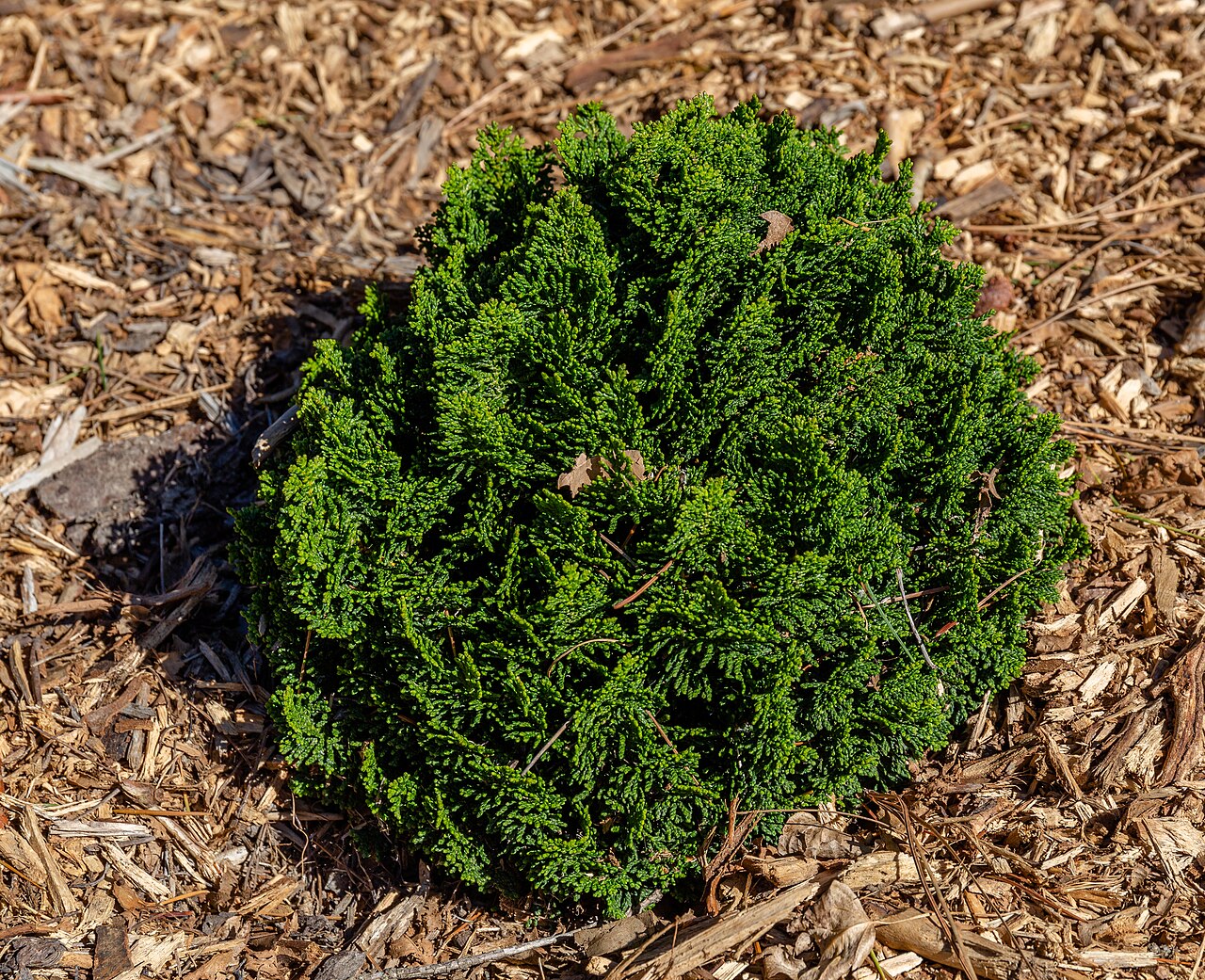
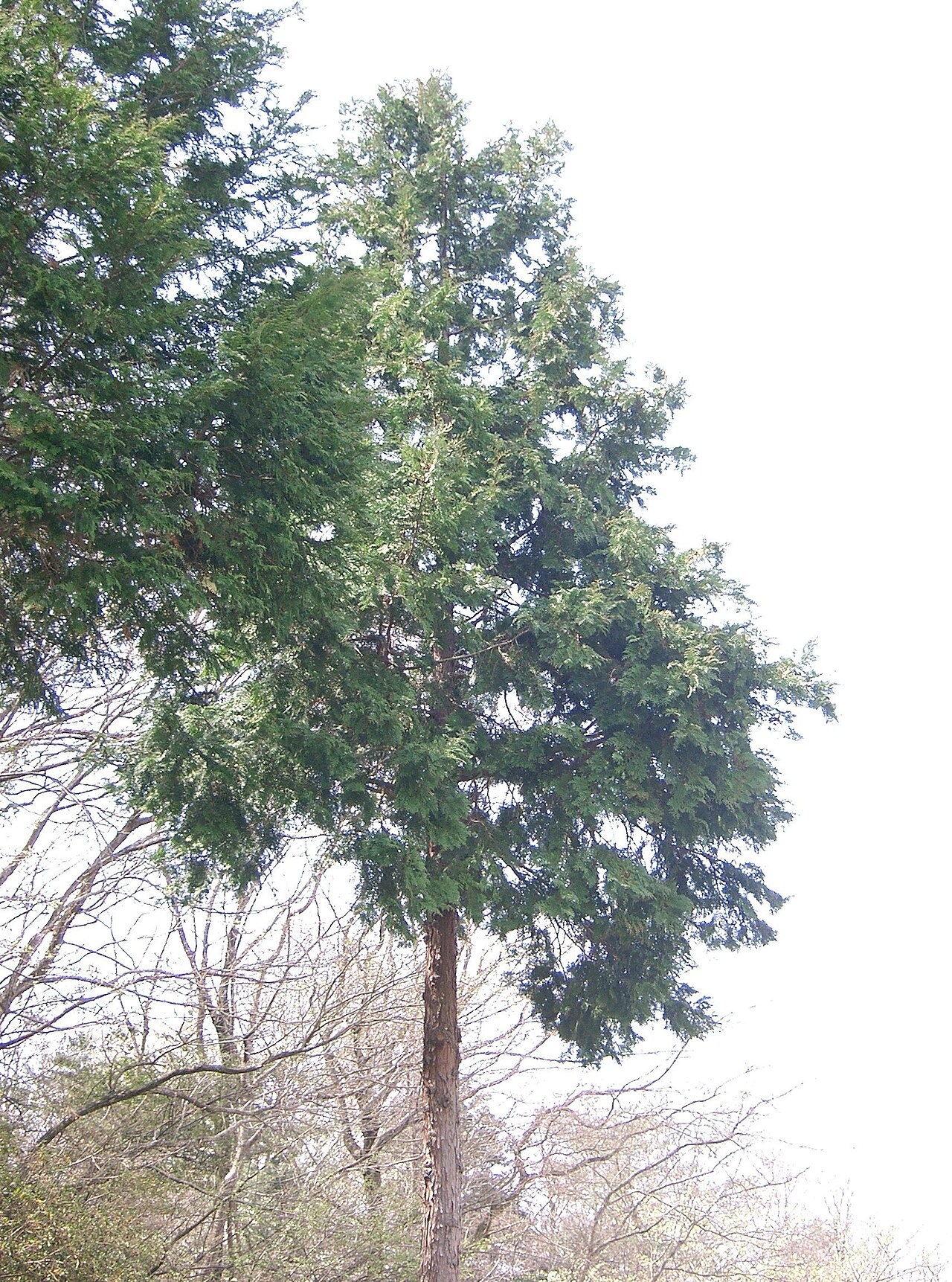
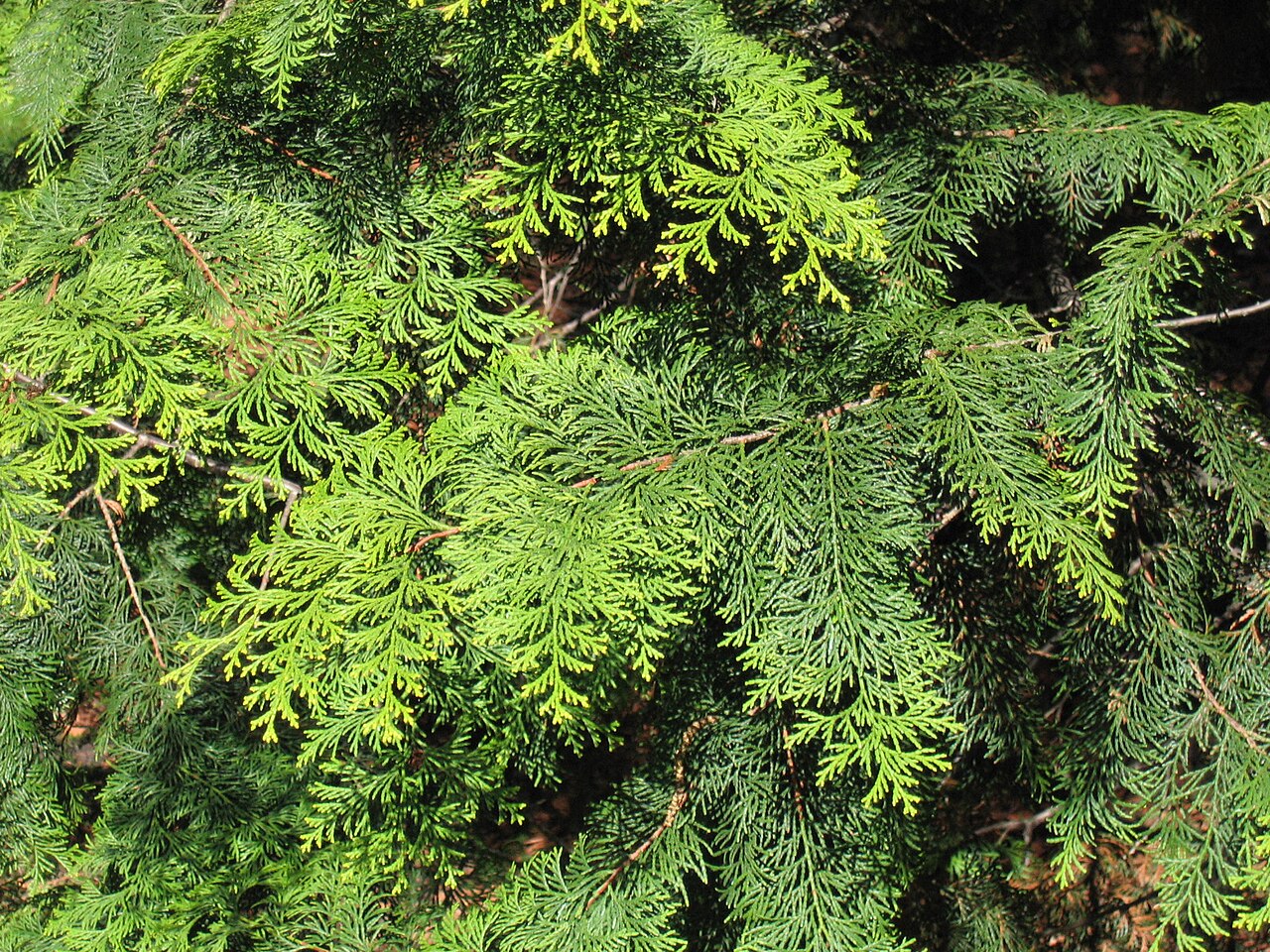
Hinoki cypress is a slow-growing Japanese evergreen whose flat, fern-like sprays of dark-green foliage and neat, pyramidal habit make it a favourite for specimen planting, foundation beds and Japanese-style gardens. The species can reach 50 feet or more, but most garden forms are far smaller: Nana Gracilis stays a compact mound, Fernspray Gold glows yellow in sun, and Crippsii grows into a mid-size tree, so always buy by cultivar and read its mature size, not the species size. Plant in full sun to partial shade in moist, well-drained, acidic to neutral soil, sheltered from drying winter wind, and give it the space its cultivar will need — hinoki resents being sheared into submission.
Water & feeding
Water consistently, especially the first two years and in dry summers; hinoki likes steady moisture and suffers in drought or waterlogged soil alike. Mulch to hold moisture and keep roots cool, and feed lightly in spring only if growth is pale or slow — overfeeding spoils its naturally tidy form.
Common problems
- Winter burn and browning in exposed, windy sites — site it with shelter and water before the ground freezes.
- Root rot in poorly drained soil — plant where water moves away, never in a boggy hollow.
- Spider mites in hot, dry summers — hose foliage occasionally and water in drought.
- Deer browsing on young plants in some areas — protect small specimens until established.
Notes
Hinoki wood is prized in Japan for temples, baths and sake barrels, and the tree has been cultivated there for centuries, which is why so many refined garden cultivars exist. In a western garden it brings the same calm, architectural presence to a quiet corner.
Browse all plant & pest guides
Saving seeds
Fair warning before you fall in love with the idea: seed-grown hinoki cypress will give you a hinoki cypress, not a copy of the cultivar you collected from. Those neat dwarfs and golden forms in the Varieties list are clones, kept true by cuttings, and a seedling from one of them is a genetic reshuffle — it may grow taller, greener, or less tidy than its parent. If you need an exact ‘Nana Gracilis’ or a golden form, take cuttings instead. If you are happy to raise a true species tree and watch what character it develops, seed is a fine, patient adventure — and patience is the operative word, because hinoki does not hurry for anyone.
Collect in late summer into early fall, when the small cones have turned brown and dry and are just beginning to open. Snip whole cones into a paper bag on a dry day, then leave the bag somewhere airy for a week or so so the cones finish opening and drop their small, winged seeds. Shake the bag, pick out the cone scales and chaff, and keep only the plump seeds; flat, papery ones are usually empty and not worth a pot. This is a conifer playing the long game — a cone crop is not guaranteed every year, so a good year is worth collecting generously from.
Hinoki seed needs a winter before it will wake up, and sources disagree politely about exactly how long that winter should be: some give about a month of cold, moist stratification, others eight to ten weeks, and one well-used reference reports good results from a month warm followed by a month cold. That disagreement is itself useful information — it tells you the seed is not fussy about the precise calendar, only about getting a genuine cold, moist spell. Mix the cleaned seed with barely damp sand or vermiculite in a labelled bag, refrigerate it, and check now and then that the mix stays moist but never soggy or mouldy. Sow in spring in a free-draining, acidic seed mix, barely covered, kept evenly moist in bright light but out of fierce midday sun.
Then wait, and keep waiting. Germination is famously slow and uneven in this species — some seed comes up in weeks, some takes far longer, and one reference notes seed can take up to eighteen months to germinate. Do not throw the tray out in a fit of tidiness; keep it moist, shaded in summer heat, and protected through winter, and prick seedlings out only when they are big enough to handle, growing them on in a cold frame for their first winter. In Florida, do not count on outdoor winter chill to do the stratification for you — the refrigerator is your reliable winter. Dry stored seed thoroughly before storage in an airtight jar with a desiccant packet, kept cool and dark; Florida humidity is the enemy here, and a seed that goes into the jar even slightly damp will go mouldy instead of dormant. Expect a seedling to take a year or two to reach a size worth planting out, and a decade or more to look like the calm, architectural tree you imagined — which, for a tree that once lit temple lamps, feels about right.
Varieties
Every named variety of Hinoki Cypress with its own growing guide:
- Nana Gracilis Hinoki Cypress — The dwarf hinoki that looks pruned even when you have done nothing: dark-green, fern-like sprays in a neat, slow pyramid.