
🌲 Nana Gracilis Hinoki Cypress
What it looks like
Why this variety
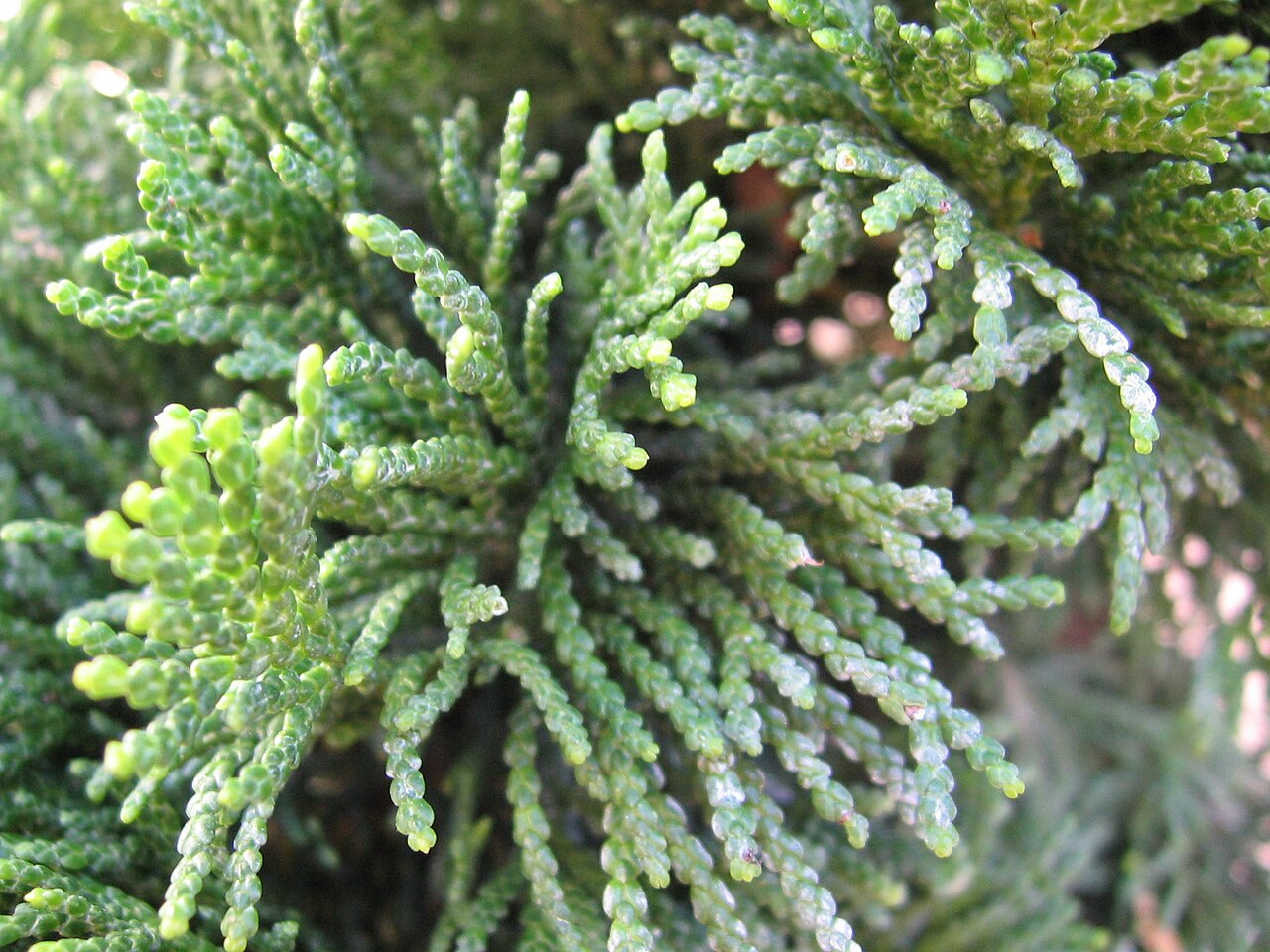
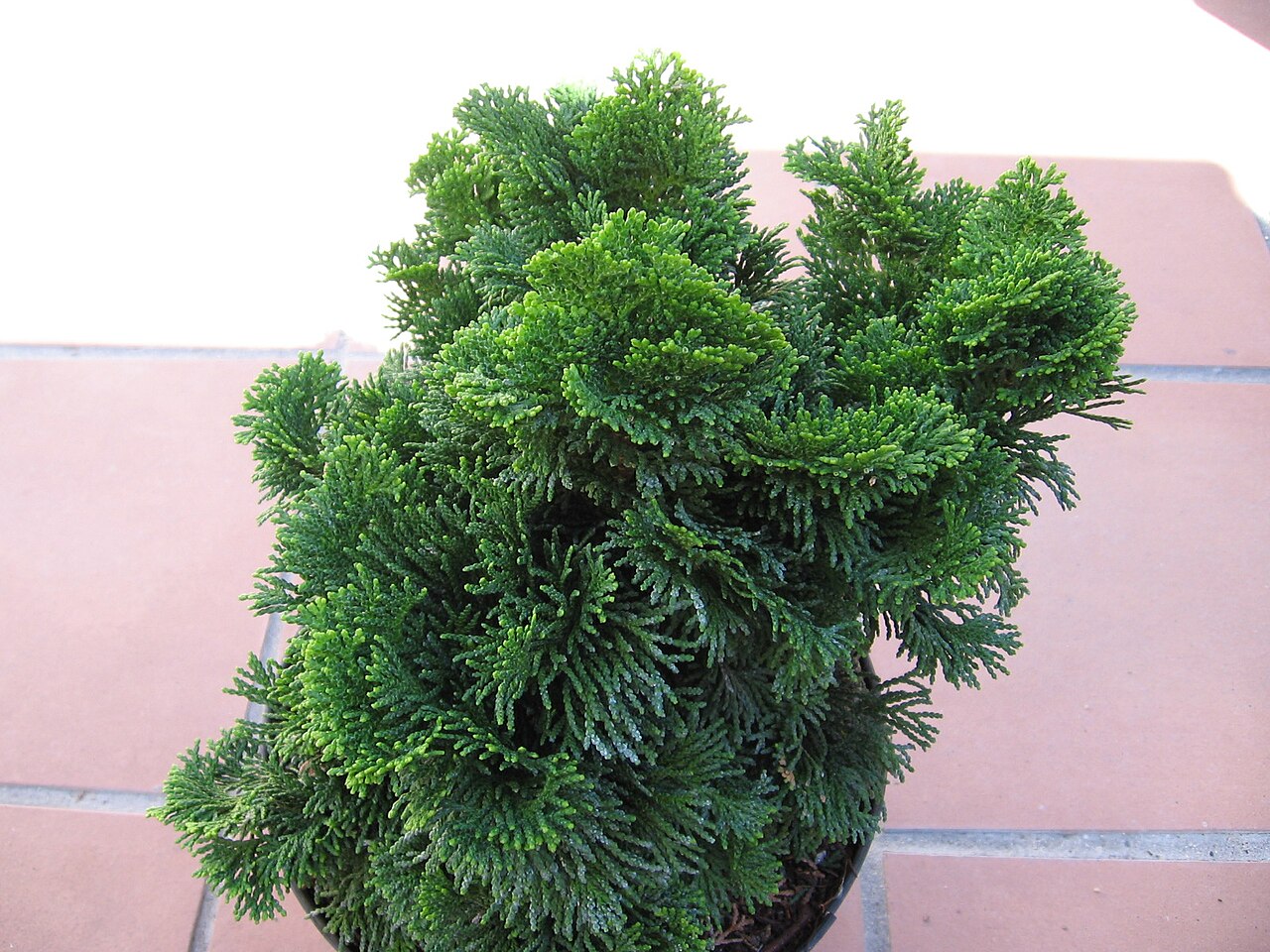
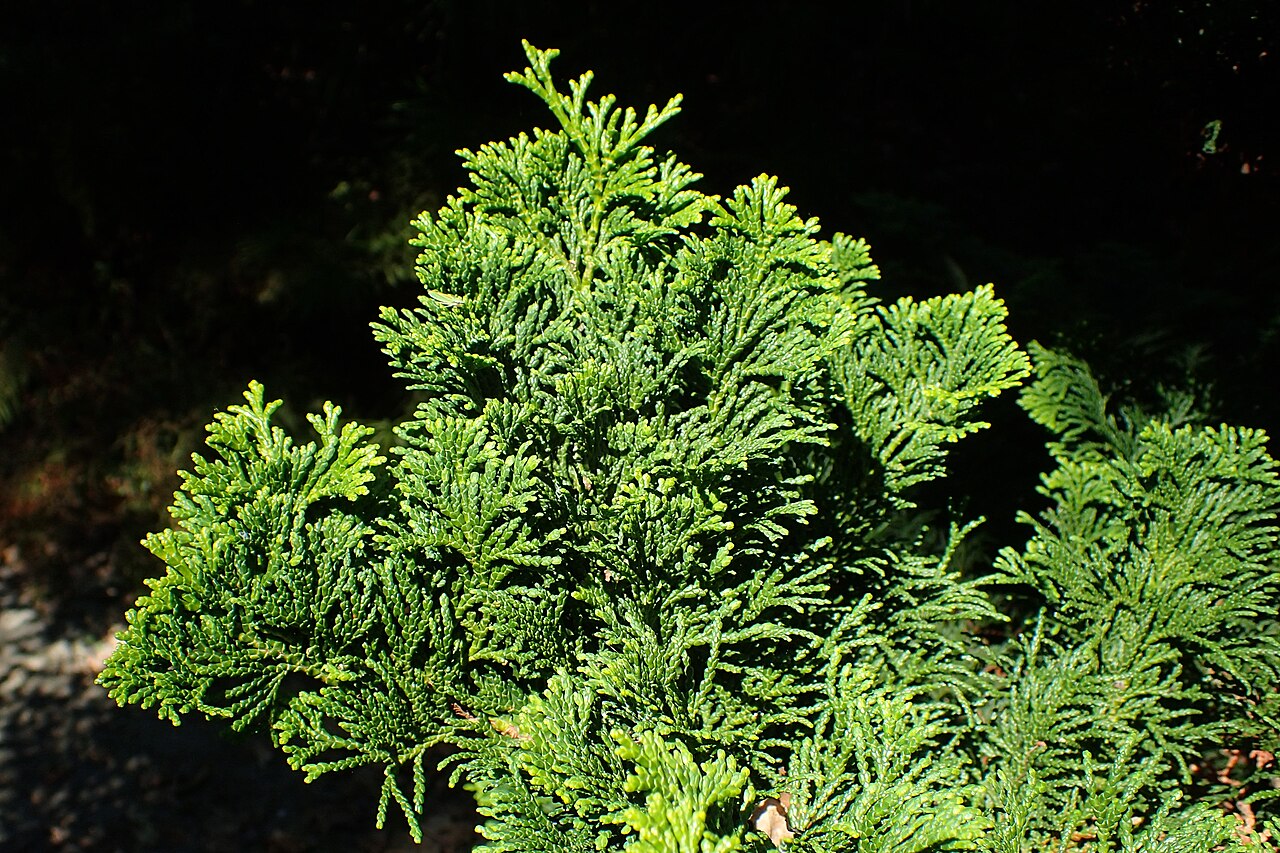
Nana Gracilis is the hinoki cypress most gardeners actually meet: a dwarf, slow-growing form, 6–10 feet tall, with the species’ flat, fern-like sprays of dark-green foliage and a neat, pyramidal habit that looks sculpted without any sculpting. It is the specimen shrub for a foundation bed, a Japanese-style garden, or a container, where the species’ 50-foot height would be absurd — and it carries the same impossibly tidy appearance that makes hinoki a favourite for specimen planting.
In Florida, Nana Gracilis is a north-Florida trial: morning sun and afternoon shade, rich, moist, well-drained soil, shelter from wind and reflected heat, and faithful watering. Hinoki hates drying out, and a dry Florida spring will brown its foliage faster than any pest — mulch thickly, water deeply, and treat a browning plant in central or south Florida as a climate verdict.
How to grow
Florida honesty first: hinoki cypress is a zone 4–8 Japanese evergreen, slow-growing, sculptural and impossibly neat — the conifer that looks pruned even when you have done nothing, with flat, fern-like sprays of dark-green foliage. In Florida, plant it only in the north, in morning sun and afternoon shade, in rich, moist, well-drained soil, sheltered from harsh wind and reflected heat. Water deeply and consistently; hinoki hates drying out, and a dry Florida spring will brown its foliage faster than any pest. Buy the cultivar, not the species, if your space is small — the species reaches 50 feet, while garden forms stay far smaller.
Water & feeding
Water deeply and regularly, especially through the first two years and in dry spells; mulch thickly to hold moisture and keep roots cool. Feed lightly in spring with a slow-release fertiliser for acid-loving evergreens. Never let the root ball dry out completely — hinoki recovers slowly from drought.
Common problems
Root rot in soggy ground, and tip browning from drought, wind or harsh afternoon sun, are the main complaints. Bagworms may appear — pick them off. A hinoki that browns in central or south Florida is a climate verdict, not a care failure; the trial framing is the honest one.
Harvest
The harvest is the year-round sculpture. Prune almost nothing — remove dead wood and let the pyramid develop; shearing a hinoki ruins the layered, fern-like texture that justifies it. In a container, it is a long-lived specimen that only needs repotting every few years and consistent water.
Nerdy fact: Hinoki wood is so prized in Japan — rot-resistant, fragrant, fine-grained — that it is the traditional timber for temples and shrines, including some of the oldest wooden buildings in the world. Your garden shrub is a miniature of a temple tree.
Saving seeds
Nana Gracilis is the hinoki cypress most gardeners actually meet: a dwarf, slow-growing form, 6 to 10 feet tall, with the species’ flat, fern-like sprays of dark-green foliage and a neat, pyramidal habit that looks sculpted without any sculpting. It is the specimen shrub for a foundation bed, a Japanese-style garden, or a container, where the species’ 50-foot height would be absurd. As a named cultivar it is kept true by cuttings or grafting, not by seed — seedlings would not hold the dwarf, pyramidal habit. In Florida, plant it only in the north, in morning sun and afternoon shade, in rich, moist, well-drained soil, sheltered from harsh wind and reflected heat, and water deeply and consistently. The full method is in the Saving seeds section of the Hinoki Cypress guide.