
🔥 Hot Biscuits Ornamental Amaranth
What it looks like
Why this variety
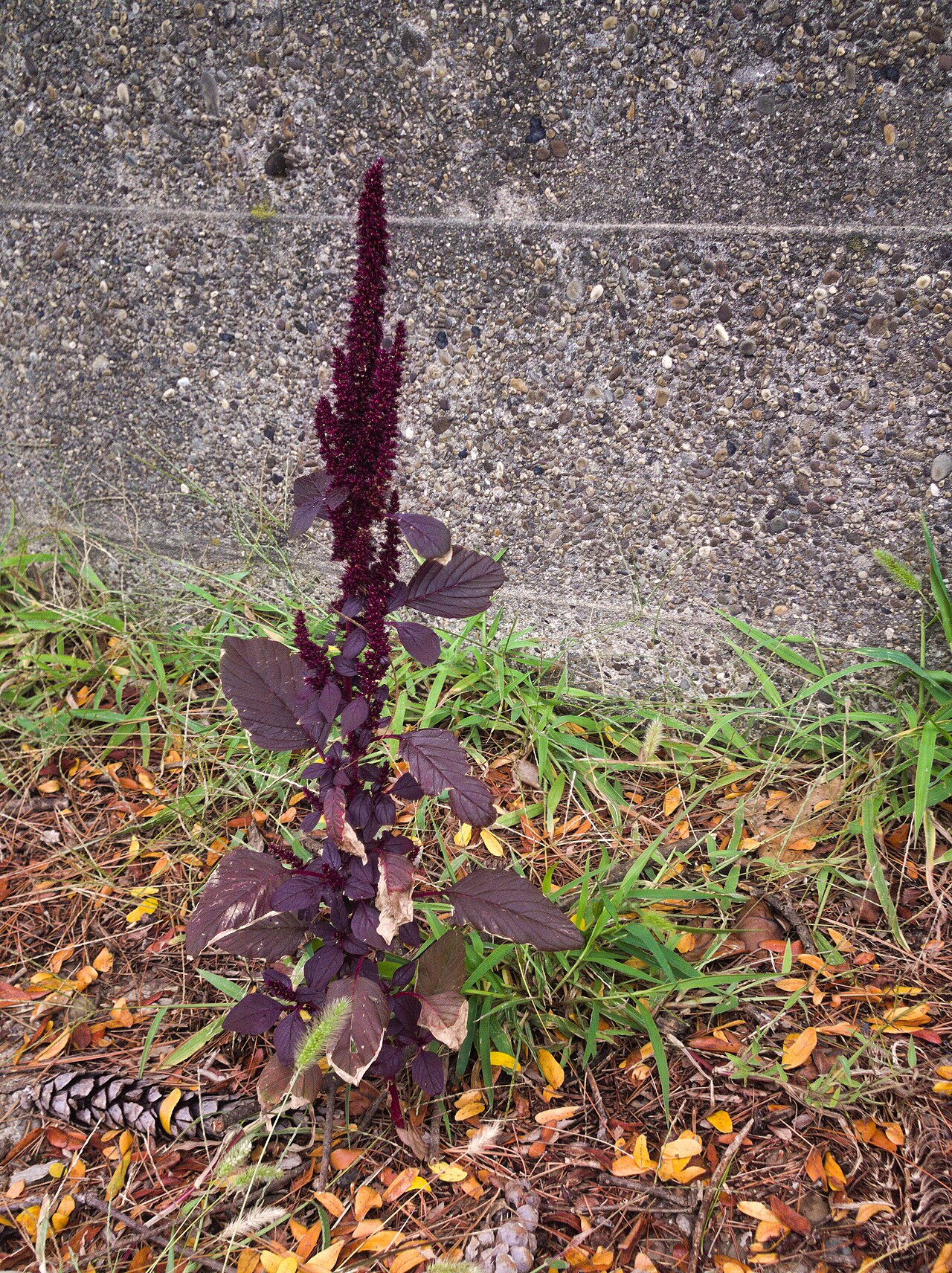
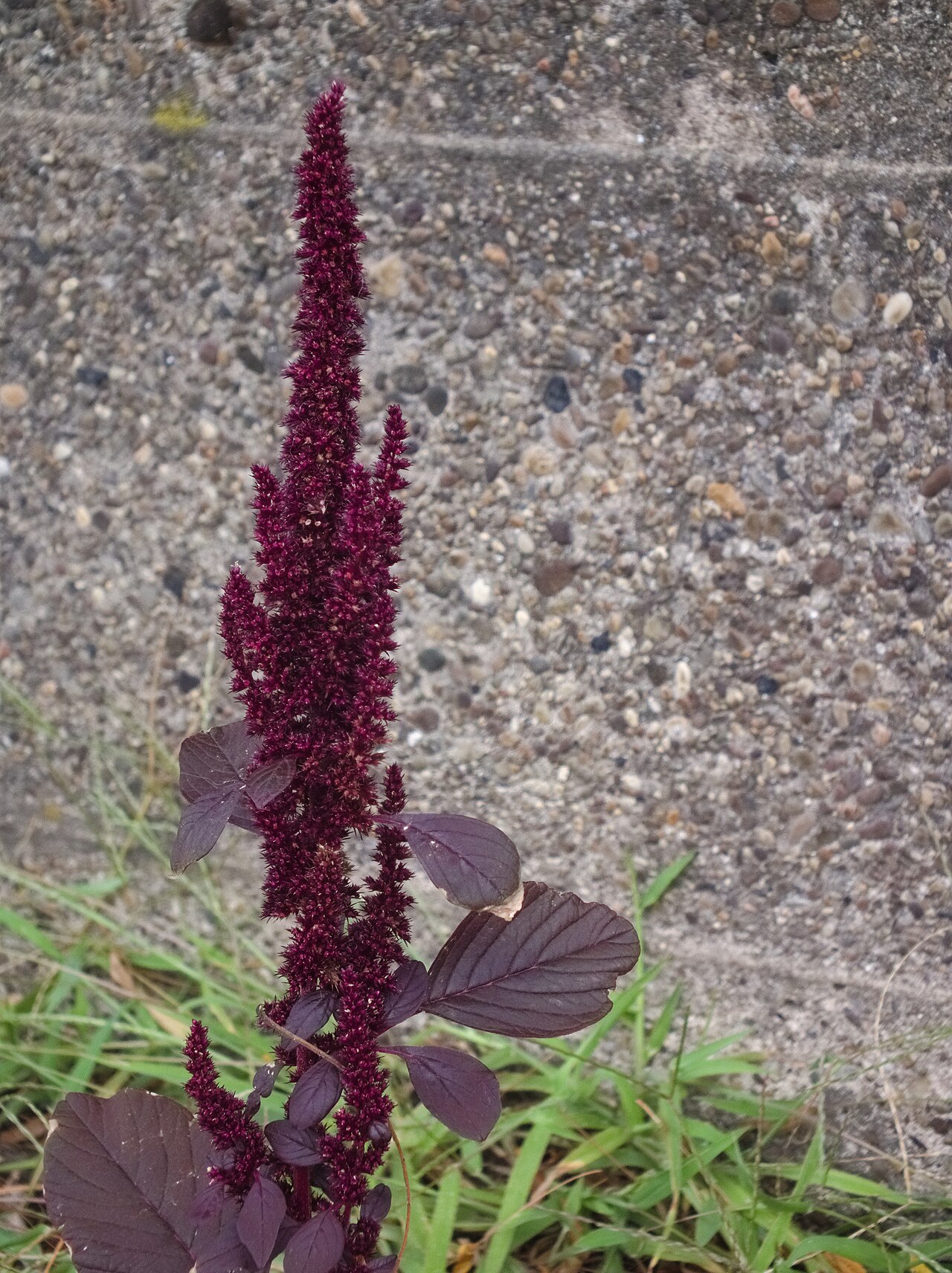
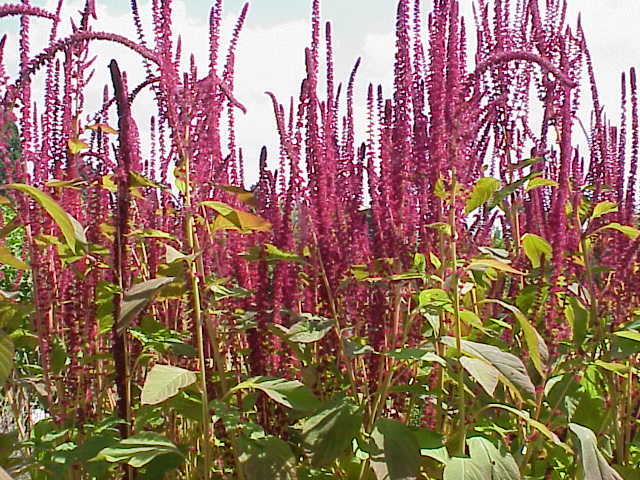
Hot Biscuits is the amaranth florists reach for in autumn: a tall, branching annual, 3 to 4 feet high, topped with large, upright, feathery plumes in cinnamon, bronze, and copper — the color of biscuits browning in the oven, which is where the name comes from — that hold their color longer than most flowers and look stunning in fall arrangements, fresh or dried. It is a seed-grown cultivar of Amaranthus cruentus, heat- and drought-tolerant, easy from seed, and branching enough for multiple cuttings from one plant. In the garden, Hot Biscuits is autumn in a plume, weeks before autumn actually arrives.
The trade-off is the same as all amaranth: size, speed, and self-seeding. Hot Biscuits grows fast, wants sun and room, and will seed around if you let it — which is fine if you want volunteers, and a chore if you do not. Give it full sun, well-drained soil, and space, pinch early for branching, cut plumes when fully colored for bouquets, and edit volunteers in spring. Do not plant it in shade and expect copper; expect green legginess, and plant it in sun instead.
If you are new to choosing between cultivars, the Varieties Matter guide explains why the name after the plant matters as much as the plant itself. Hot Biscuits is a perfect example: it is not just a ornamental amaranth in the abstract, it is a ornamental amaranth with a specific job, a specific history, and specific strengths.
Florida honesty: ornamental amaranth is a genuine statewide annual in Florida, and Hot Biscuits thrives in Florida heat, blooming from summer into fall in sun and drainage. Sow after frost danger, give it sun and room, and cut plumes for autumn arrangements while the garden is still in summer mode. In wet soil it sulks, so raised beds help where summer rain ponds. It is a heat-loving annual that actually likes a Florida August, which is rare praise.
How to grow
Start seed indoors 6 to 8 weeks before the last frost, or sow directly after frost danger — amaranth seed germinates with warmth and grows fast. Set plants out after frost in full sun and well-drained soil, work worm castings into the bed at planting, and give them room: a mature amaranth is 3 to 5 feet tall and branching, not a bedding plant. Pinch the center stem early for branching, water to establish, and let a few plants seed for birds and next year.
Set plants 18-24 inches apart in soil with a pH around 6.0-7.5. Work worm castings into the bed at planting and mulch to hold moisture. A well-fed ornamental amaranth plant rewards that care directly: steadier growth, better bloom, and a show that actually shows up.
Water & feeding
Water to establish, then water moderately — amaranth is heat- and drought-tolerant once established and sulks in wet soil. Water at the soil line, do not mulch heavily, and feed lightly: castings at planting is usually enough, because rich soil makes leggy amaranth with fewer tassels. In a drought, occasional deep watering keeps it tasseling; in a wet summer, drainage is the care program.
Common problems
- Enthusiastic self-seeding — volunteers appear freely; deadhead if you do not want them, or edit seedlings in spring.
- Leggy growth in shade or rich soil — lean soil and full sun make sturdier amaranth; do not overfeed.
- Wilting in dry soil — amaranth wilts fast in drought; water deeply in dry spells, and do not let a young plant dry out.
- Aphids and caterpillars on foliage — blast with water and encourage predators; amaranth usually outgrows minor damage.
- Lodging in wind — tall, top-heavy plants flop in storms; plant in drifts for mutual support, and stake in exposed sites.
Harvest
Cut tassels and plumes for bouquets from summer into fall, when tassels are fully colored — amaranth lasts well fresh and for months dried, and its tassels suit autumn arrangements with grasses and seed heads. Cut plumes when fully colored for the longest vase life, hang bunches upside down in a dry, airy place for dried work, and leave some plants standing for birds, which eat the seed. Pull annual plants after frost and compost them, and edit volunteers in spring.
Browse all plant & pest guides
Saving seeds
Hot Biscuits is a seed-grown cultivar of Amaranthus cruentus, topped with large, upright, feathery plumes in cinnamon, bronze, and copper, so saved seed comes true — let a few plants seed for birds and next year, and pinch the center stem early for branching. The full method is in the Saving seeds section of the Ornamental Amaranth guide.