
💜 Hyacinth
What it looks like
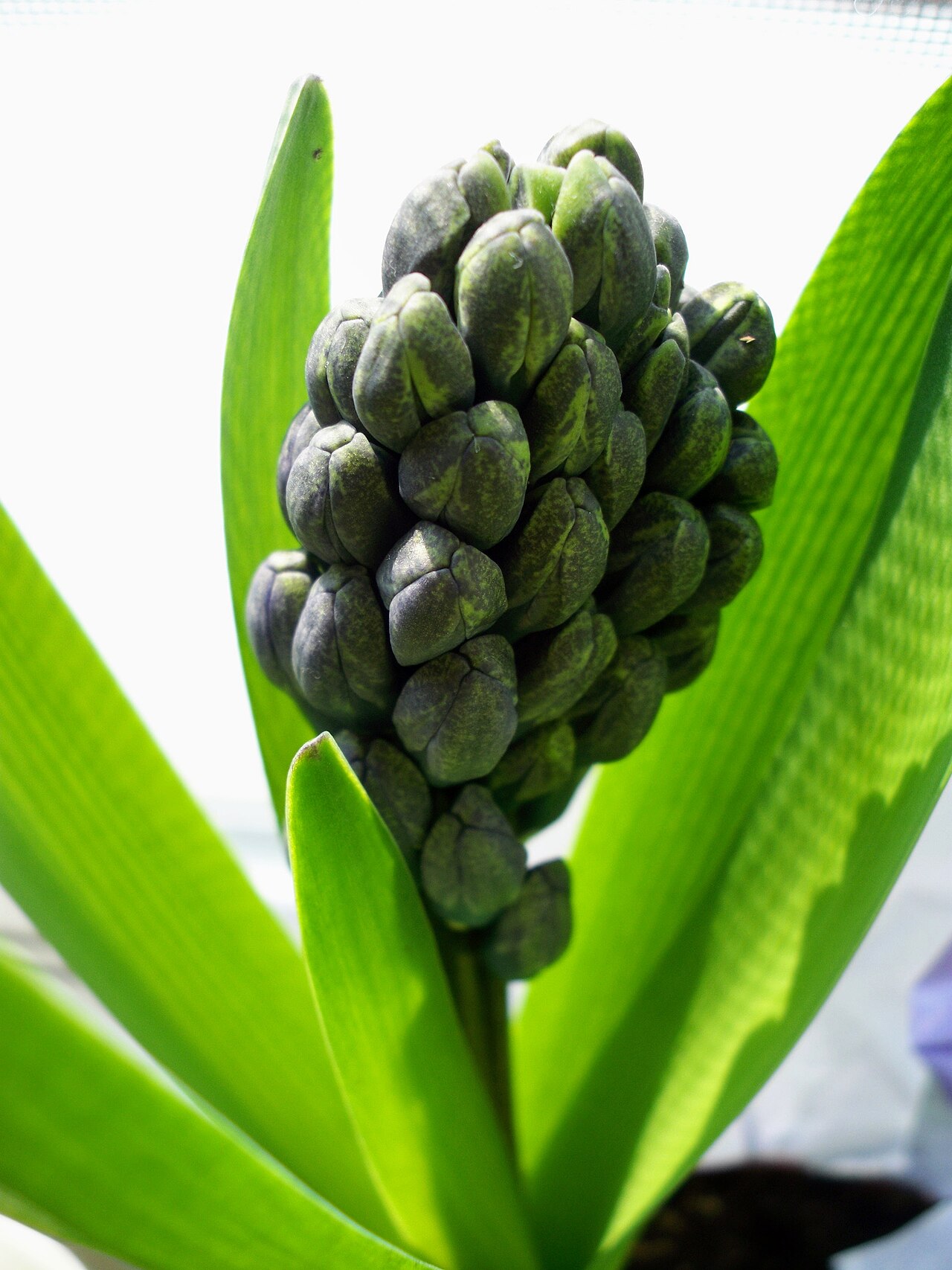
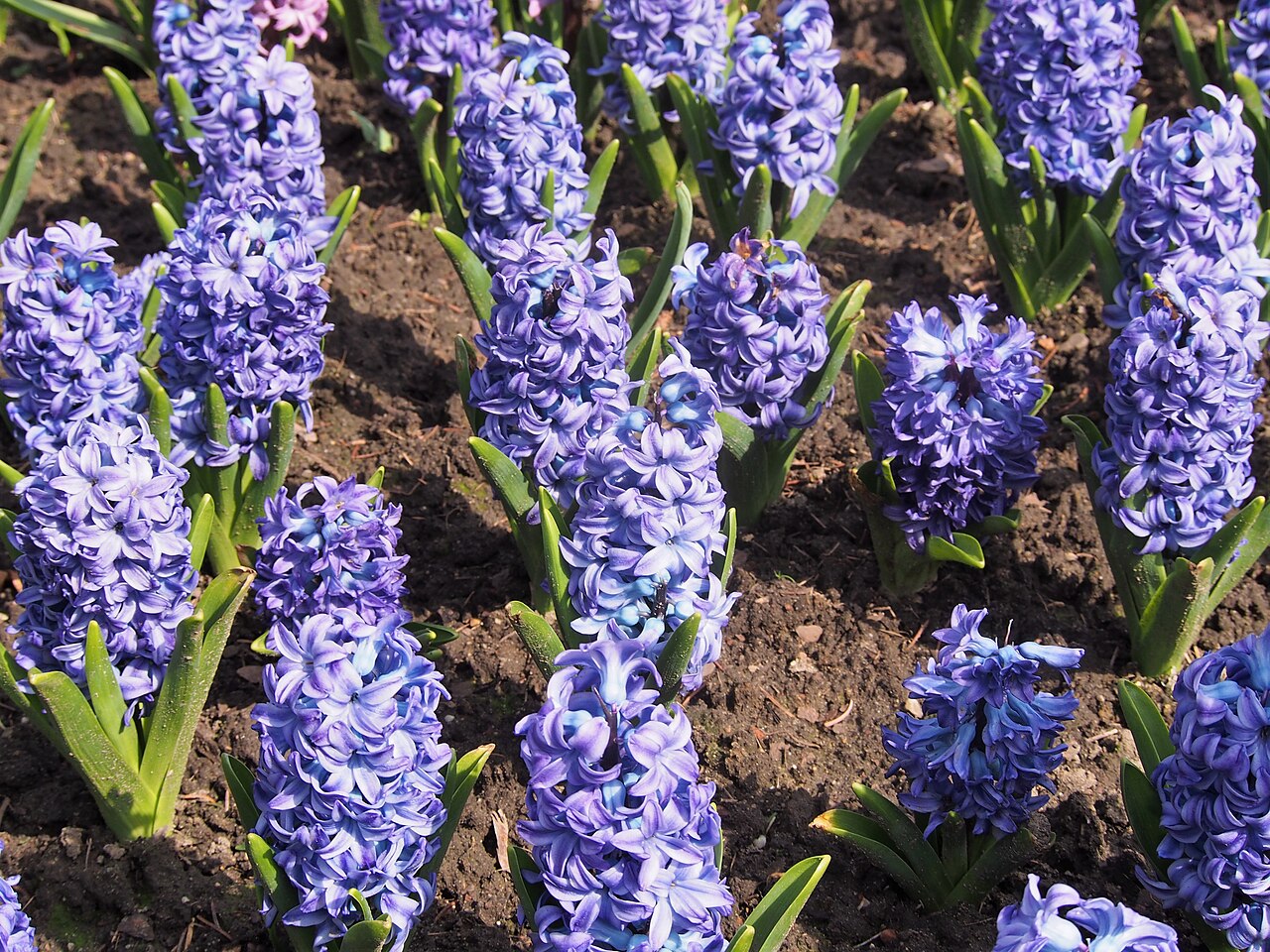
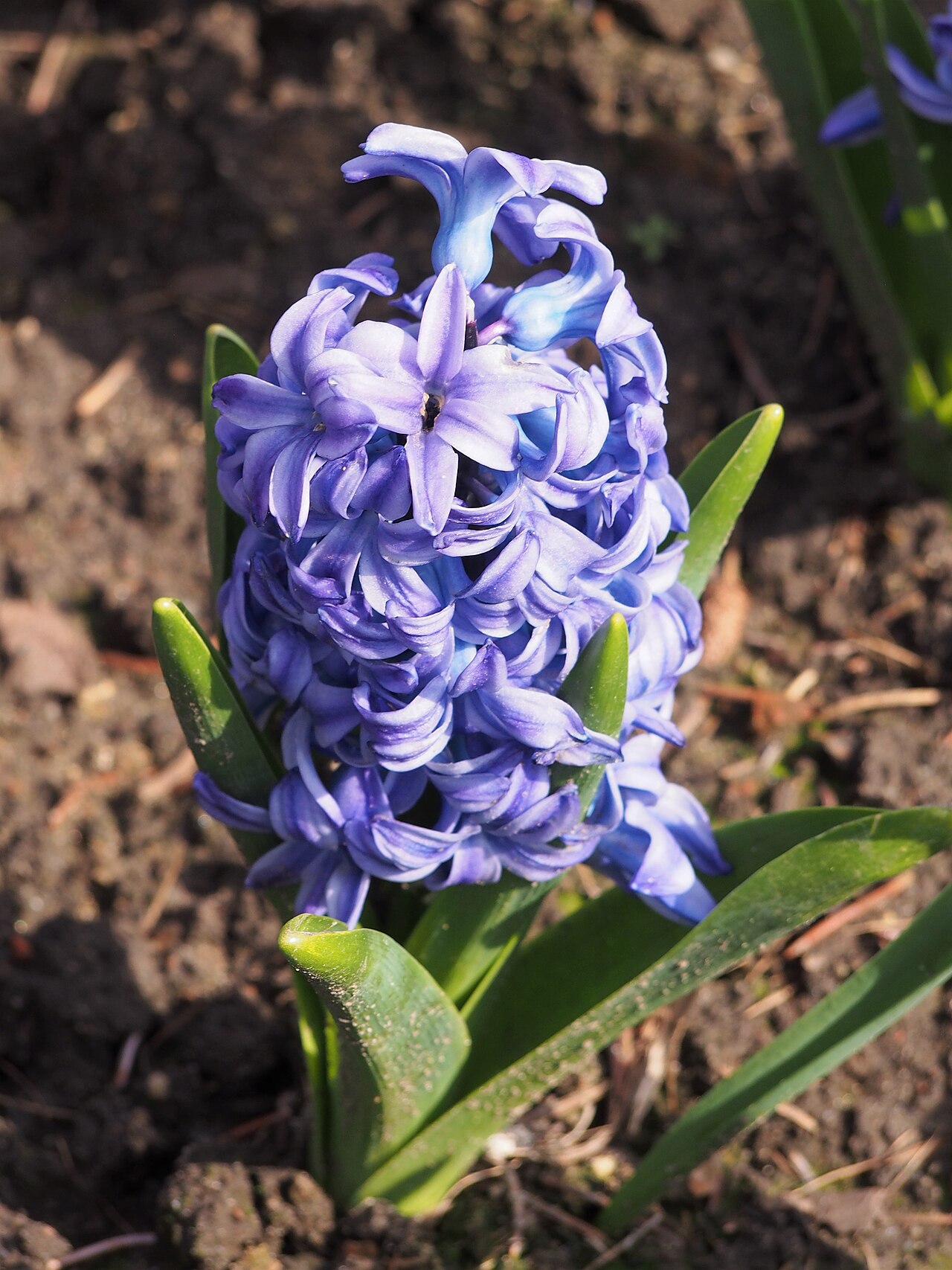
How to grow
Plant bulbs in fall, pointy end up, 6 inches deep in well-drained soil — hyacinths need a winter chill (12–14 weeks below about 45°F) to bloom, which is why they are reliable in zones 4–8 and a container-and-fridge project farther south. Full sun gives the sturdiest stems; part shade is fine in hot climates. Bulbs are largest and showiest the first year and gradually decline — many gardeners treat them as near-annuals and replant fresh bulbs every few years for the biggest spikes. Wear gloves handling bulbs: their skins irritate some people’s skin.
Water & feeding
Water after planting in fall and during spring growth if rain is scarce. After foliage yellows, stop watering — bulbs need a dry summer rest.
Common problems
- Bulb rot in wet, poorly drained soil — drainage is everything
- Flopping flower spikes on overfed or shaded plants (plant deeply and in sun)
- Skin irritation from handling bulbs — wear gloves
Harvest
Cut flowers when about half the florets are open for the longest vase life and the strongest fragrance. After bloom, leave foliage until it yellows completely — it feeds next year’s bulb.
Propagation
Hyacinths are bulbs, and bulbs multiply by making more bulbs, not by seed packets. The catch is that hyacinths are reluctant about it. Where a daffodil cheerfully litters offsets around its mother bulb, a hyacinth mostly sits there, one big bulb doing one big job, which is why gardeners who want more hyacinths usually give nature a nudge rather than waiting for the plant to volunteer.
The simplest method is offsets, and it is also the most faithful: when you lift bulbs after the foliage has died back in late spring or early summer, look for small bulbs clinging to the mother bulb’s base. Twist or cut them free, keeping their roots intact where possible, and replant them at once in well-drained soil. They will be identical to the parent, which is the whole point for named cultivars, but be patient with them: small offsets need a season or two of leaf growth before they reach flowering size, and they will not give you a show spike in their first year. Do not lift bulbs in full leaf if you can avoid it; wait until the foliage yellows and the plant has fed the bulb for next year.
For real multiplication, bulb growers use two classic techniques, both done on dormant, healthy, disease-free bulbs. Chipping means cutting the bulb into eight to sixteen wedge-shaped chips, each carrying a slice of the basal plate, the compressed stem at the bulb’s base, then potting the chips basal-plate down, just covered with free-draining compost, and keeping them warm and barely moist until bulblets form along the cut edges. Scooping is the hyacinth specialist’s trick: with a sharp knife or teaspoon, scoop out the center of the basal plate to a shallow depth, leaving the outer rim intact, dust the wound with fungicide or charcoal, and store the bulb cut-side up somewhere warm and dry until bulblets crowd the rim. Both methods sacrifice the mother bulb’s next bloom to make many daughters, and both demand clean tools and dry conditions, because a cut bulb in damp compost is an invitation to rot. Wear gloves for all of it: hyacinth bulb skins irritate some people’s skin, and the bulbs themselves are not food, so keep them away from children and pets.
Seed exists, and you may let a few capsules ripen if you are curious, but treat it as a hobby, not a plan. Seed-grown hyacinths take years to reach flowering size, around five years by most accounts, and they will not match a named cultivar. In Florida, add the chill problem: hyacinths need a long cold period, roughly twelve to fourteen weeks below about 45 degrees Fahrenheit, to bloom well, so southern gardeners usually propagate and store bulbs as part of a container-and-refrigerator routine, lifting, dividing, and chilling bulbs rather than leaving them in warm ground. Store lifted bulbs dry, cool, and ventilated, never sealed damp in plastic, and label them before they all start looking alike in the bag.
Browse all plant & pest guides
Varieties
Every named variety of Hyacinth with its own growing guide:
- Blue Jacket Hyacinth — The deep blue hyacinth: rich navy-blue spikes with the classic hyacinth perfume, the hyacinth for pots by the door.
- Pink Pearl Hyacinth — The pink pearl: soft pink spikes with the classic hyacinth perfume, the most planted pink hyacinth in the trade.
- White Pearl Hyacinth — The white pearl: pure white spikes with the classic hyacinth perfume, the hyacinth that perfumes a whole room.